Vietnam vs China Manufacturing Cost 2026: How Total Landed Cost and US Tariffs Shape the New Apparel Sourcing Strategy
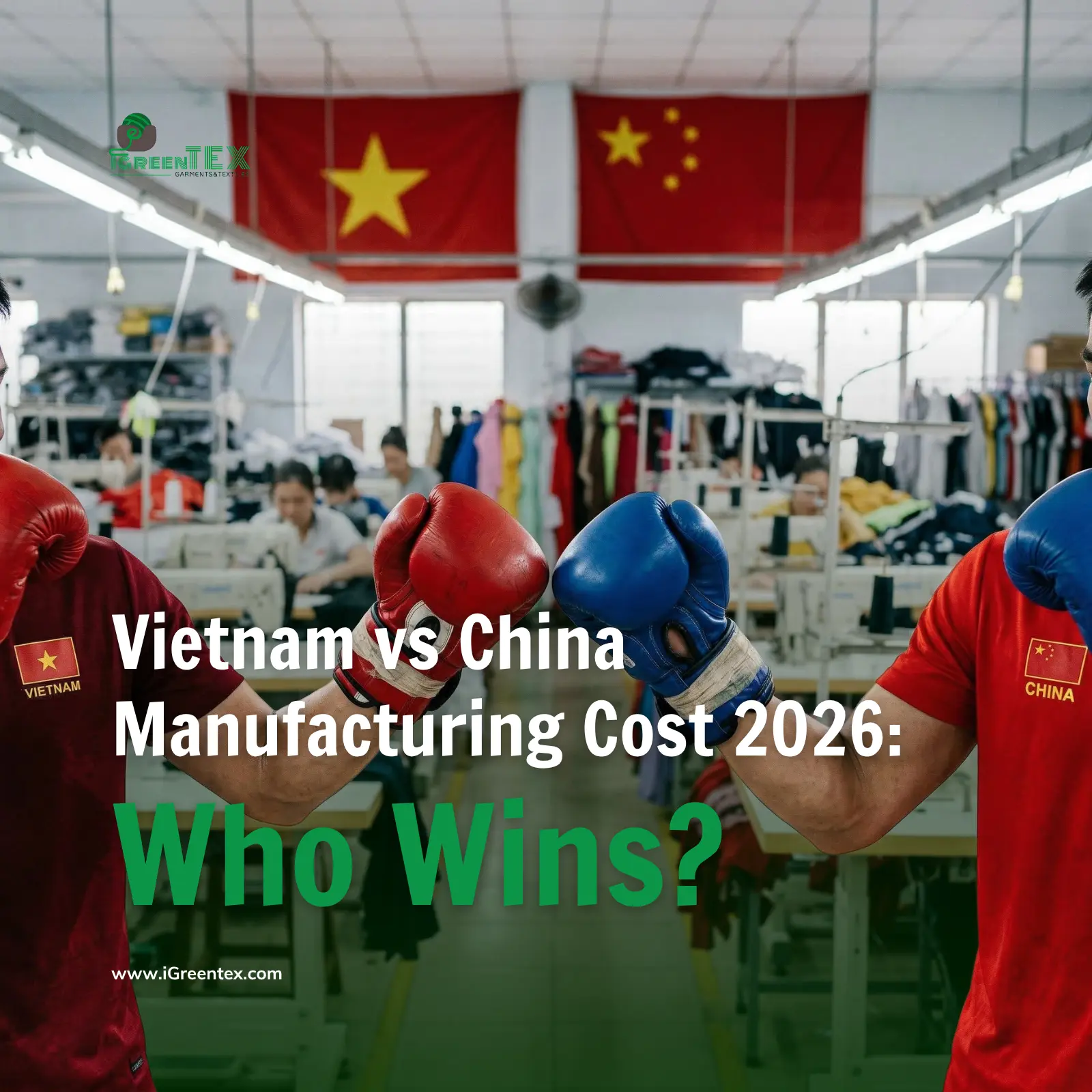
The global apparel industry is undergoing a massive transformation that demands a total rethink of sourcing strategies. By 2026, the traditional reliance on a single sourcing destination is no longer a viable strategy for high-growth brands. Decision-makers are now forced to re-evaluate their production hubs to maintain healthy margins and ensure long-term supply chain stability. A central part of this evaluation involves a deep dive into the vietnam vs china manufacturing cost. This is because the economic landscape between these two giants has shifted dramatically due to inflation and trade policy changes.
At iGreen Tex Vietnam, we understand that modern sourcing is about more than just finding the lowest unit price. It is about risk mitigation and operational excellence. As a leading clothing manufacturer, we help brands transition their production to more favorable environments. Here, they can leverage free trade agreements and stable labor markets. In an era where consumer demand changes overnight, having a resilient manufacturing base is the only way to protect your brand from 2026 market volatility.
Introduction: The 2026 Supply Chain Shift
The year 2026 marks a critical point in the global supply chain shift 2026. For over a decade, China was the undisputed leader in garment production. However, geopolitical tensions and rising domestic costs have changed the landscape. Most international buyers are now implementing a china plus one strategy to diversify their risks.
The primary driver for this transition is the vietnam vs china manufacturing cost. While unit prices were once the only metric, professional procurement heads now look at the bigger picture. Understanding the total landed cost is essential for any brand aiming to survive in the competitive US and EU markets. iGreen Tex Vietnam serves as a strategic partner in this transition, offering high-quality solutions as a leading clothing manufacturer.
Manufacturing Labor Cost: A Comparative Analysis for 2026
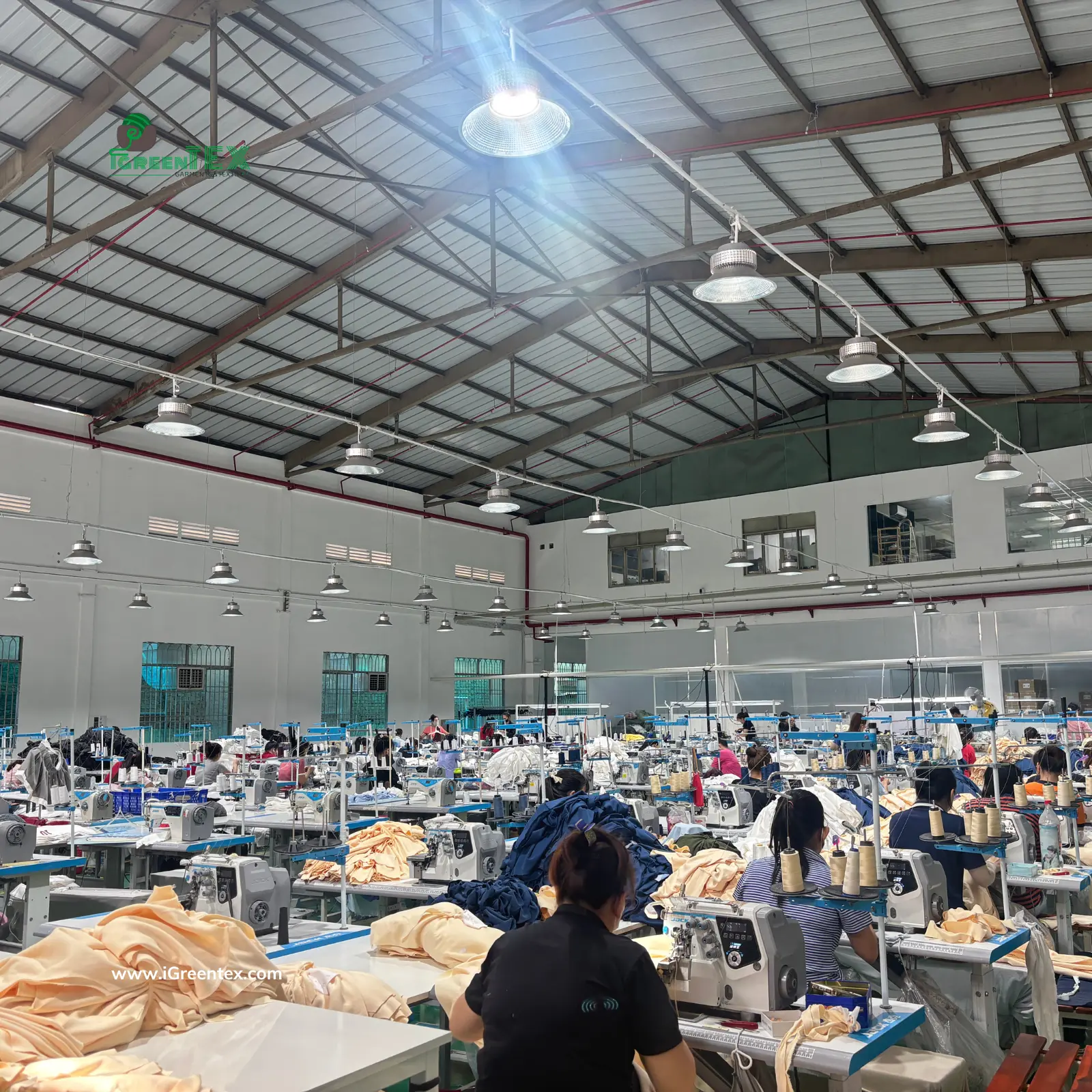
Labor remains the most significant variable in garment production. As we analyze the manufacturing labor cost asia comparison, the data shows a widening gap between traditional hubs.
Minimum Wage Trends in China’s Textile Hubs
China is transitioning into a high-tech economy. Consequently, wages in major textile hubs like Guangdong and Zhejiang have increased significantly. According to the latest China Labour Costs Index, provinces are now focusing on automation rather than labor-intensive sewing. This shift makes basic apparel production in China less cost-effective for mid-market brands.
Vietnam’s Labor Advantage in the Apparel Sector
Vietnam continues to offer a competitive edge in manual assembly. The apparel manufacturing cost Vietnam vs China highlights that Vietnam’s labor rates remain more stable for the garment industry. Data from the General Statistics Office of Vietnam (GSO) shows that the manufacturing sector continues to maintain a steady growth in employment and productivity. As a dedicated Vietnam Clothing Manufacturer, we observe that skilled labor in Vietnam is highly specialized in complex cut-and-sew operations.
Productivity vs. Price: Is the Gap Closing?
Low wages do not always mean lower costs. Productivity is the key factor. While Chinese factories often boast higher automation, Vietnamese factories are catching up through better management systems. When comparing vietnam vs china manufacturing cost, you must account for the efficiency of the workforce. Higher productivity in Vietnam now offsets the previous technological lead held by China.
To get a detailed breakdown of these expenses, you can review our latest report on Vietnam Garment Manufacturing Cost.
The Tariff War: Why US and EU Buyers are Pivoting
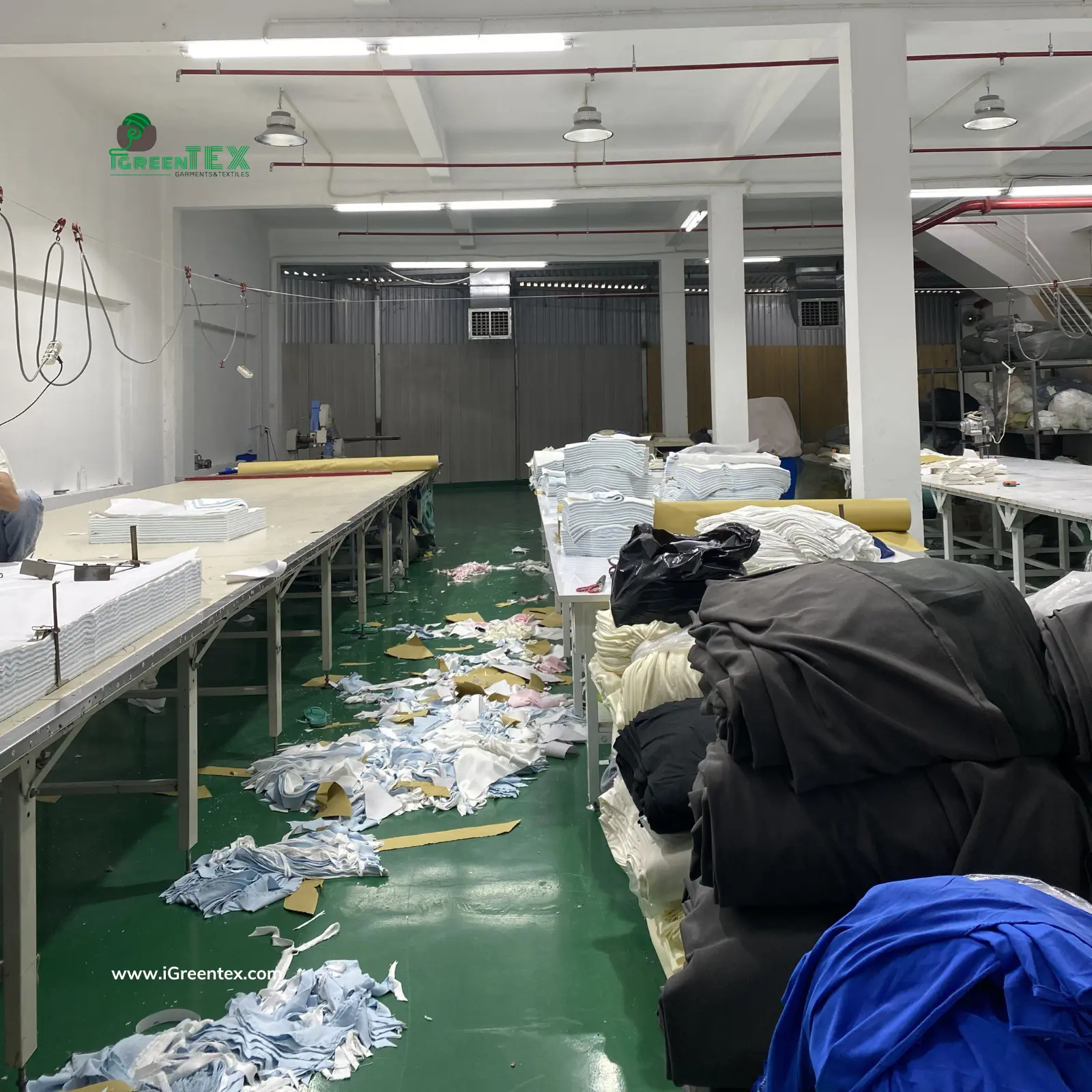
Tariffs are the single biggest “hidden” cost in 2026. The geopolitical climate has made sourcing from certain regions a financial liability for US-based brands. When calculating the vietnam vs china manufacturing cost, the duty rates often become the deciding factor between profit and loss.
Impact of US Tariffs on Chinese Garments in 2026
The trade friction between the US and China shows no signs of easing. High duty rates continue to inflate the final price of Chinese-made apparel. Official updates from the United States Trade Representative (USTR) reveal that many textile categories face significant duties. This financial burden often erases any savings found at the factory gate, forcing brands to look elsewhere.
Leveraging Vietnam’s Free Trade Agreements
Vietnam has successfully signed numerous Free Trade Agreements (FTAs). These include the EVFTA for Europe and the CPTPP for the Pacific region. These agreements allow for 0% or significantly reduced tariffs on many apparel categories. Choosing a Vietnam Clothing Manufacturer allows brands to bypass the heavy taxes associated with other regions.
iGreen Tex’s Global Export Expertise and Logistics Reach
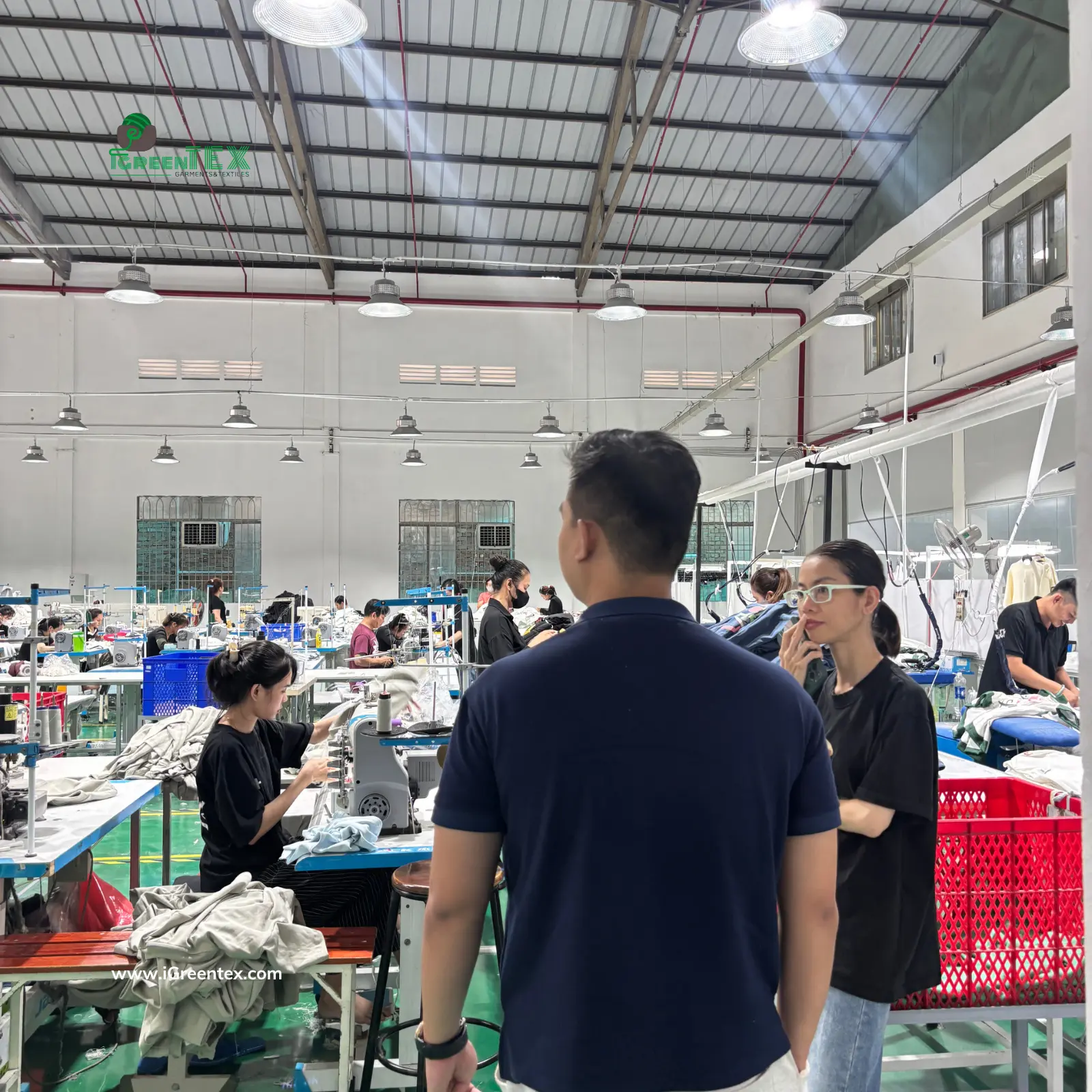
At iGreen Tex, we don’t just manufacture; we navigate the complexities of global trade. Every year, we handle a high volume of professional exports to the United States, managing recurring orders for major retail brands. Our expertise extends beyond North America; we have established reliable shipping routes and compliance protocols for Canada, South America, and even niche markets like Greenland.
Our team is well-versed in the specific labeling, packaging, and testing requirements of these diverse regions. Whether it is managing the documentation for duty-free entry into Canada or ensuring regional compliance in South American markets, our experience ensures your goods move smoothly through customs. This operational reliability is a key component when analyzing the vietnam vs china manufacturing cost for global distribution.
Calculating the Duty Savings for Long-Term Projects
Consider a long-term project involving 50,000 units. A 15% difference in tariffs can save a brand hundreds of thousands of dollars. This financial reality is a core reason why the vietnam vs china manufacturing cost favors Vietnam for the US market. Understanding sourcing from vietnam pros and cons is vital before signing long-term contracts to ensure your price points remain competitive in a crowded market.
Beyond the Factory Gate: Logistics and Lead Time
Cost is not just about money; it is also about time. Slow delivery can lead to missed seasonal sales and inventory markdowns.
Shipping Routes and Freight Costs
China still holds an advantage in sheer shipping volume. However, Vietnam’s proximity to major shipping lanes and improved port infrastructure has narrowed the gap. When evaluating the lead time vietnam vs china manufacturing, the difference is often negligible for West Coast US deliveries.
Reducing Lead Time to Improve Cash Flow
In 2026, “speed to market” is a competitive necessity. Long delays in production or shipping tie up capital. By optimizing the lead time vietnam vs china manufacturing, brands can react faster to consumer trends. This agility is a primary focus for iGreen Tex Vietnam.
iGreen Tex’s Approach to Shortening Cycles
We focus on vertical integration and strong raw material partnerships. This allows us to cut weeks off the standard production schedule. Our goal is to ensure that the vietnam vs china manufacturing cost remains low without sacrificing delivery speed.
Total Landed Cost: The Real Number for Procurement
The FOB price is only the beginning of the story. Procurement heads must calculate every expense from the factory floor to the warehouse shelf.
| Cost Component | China (Est. 2026) | Vietnam (iGreen Tex) | Difference |
|---|---|---|---|
| Raw Materials | $4.50 | $4.60 | +$0.10 |
| Labor & Overhead | $3.00 | $2.20 | -$0.80 |
| US Tariffs (Duties) | $1.80 (20%+) | $0.00 – $0.40 | -$1.40 |
| Logistics | $0.60 | $0.65 | +$0.05 |
| Total Landed Cost | $9.90 | $7.85 | -21% Savings |
This table proves that the vietnam vs china manufacturing cost is significantly lower when duties are included. Vietnam provides a clear financial path for brands looking to protect their 2026 profit margins.
Supply Chain Reliability and ESG Compliance
A cheap product is useless if it is never delivered or if it damages your brand reputation. Supply chain reliability is now a top-tier metric for B2B buyers. When evaluating the vietnam vs china manufacturing cost, the long-term stability of the production environment is just as critical as the price per unit.
Risk Mitigation in a Volatile Climate
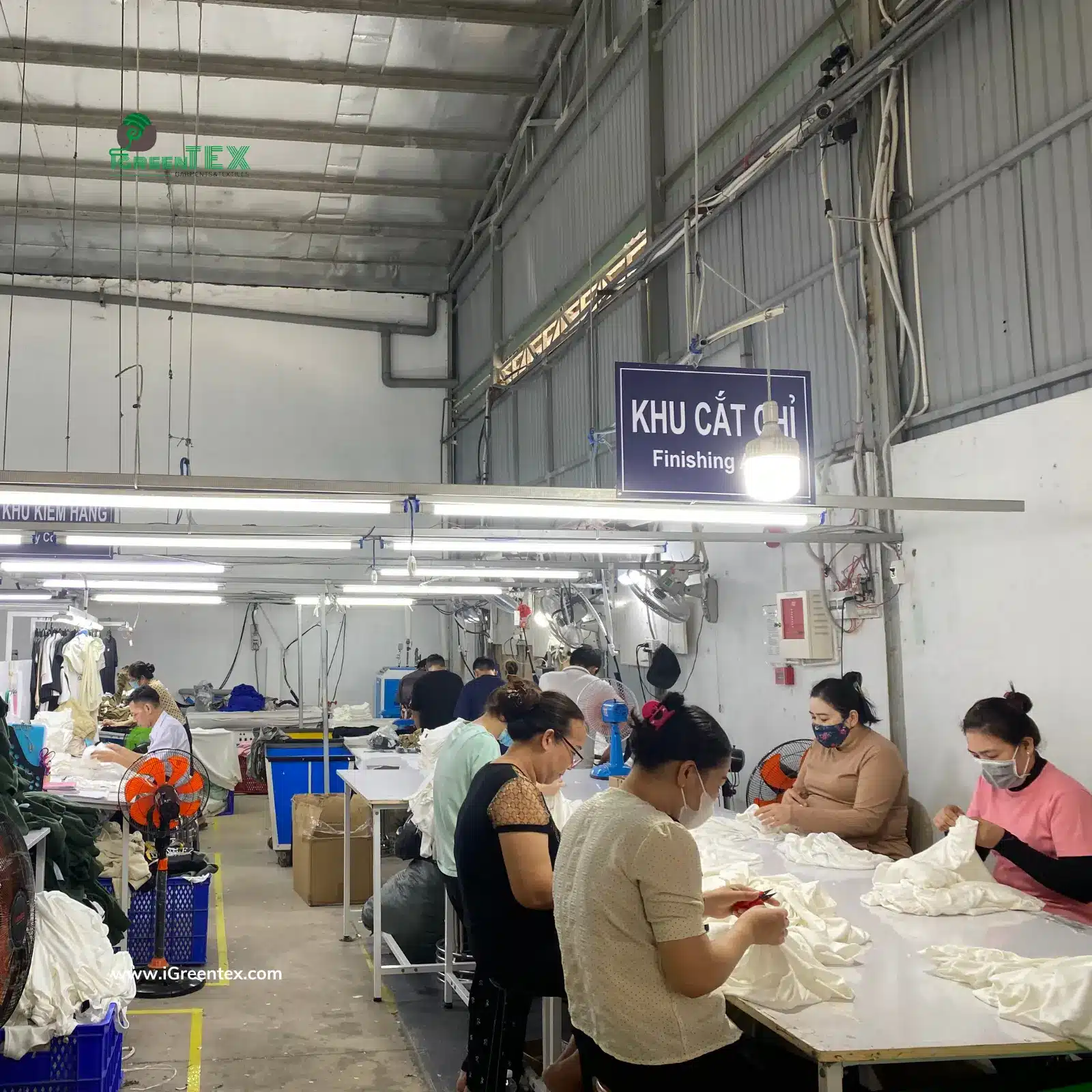
Vietnam offers a stable political environment for manufacturing. Unlike other regions, there is minimal risk of sudden trade embargos or labor strikes. This stability ensures that the vietnam vs china manufacturing cost remains predictable over multi-year cycles, allowing brands to plan their budgets with confidence.
Sustainable Sourcing: Global Standards
By 2026, ESG compliance is mandatory for international brands. Buyers want to know that their partners treat workers fairly and protect the environment. iGreen Tex adheres to strict global standards, ensuring your brand avoids compliance risks while keeping the vietnam vs china manufacturing cost highly competitive. This commitment to quality is what defines iGreen Tex Vietnam.
Decision Matrix: When to Choose Vietnam or China
Choosing between these two manufacturing powerhouses depends on your specific business scale and long-term financial goals. Navigating this choice requires balancing immediate unit prices with long-term risk and total landed cost.
- Choose China if: Your project requires extremely complex electronics integration within garments or massive production runs exceeding 1 million units per month. China’s deep infrastructure remains the best fit for hyper-scale automation where tariff penalties are less significant than the sheer volume of output.
- Choose Vietnam (iGreen Tex) if: You are a US or EU brand targeting mid-to-high quality apparel and need to eliminate the “tariff trap.” iGreen Tex is the ideal strategic partner if you require production flexibility (MOQs of 500-1000 pcs), 0% duty benefits under FTAs, and a reliable partner who understands the nuance of Western export standards.
Our professional analysis confirms that for the majority of apparel categories, the vietnam vs china manufacturing cost advantage sits firmly with Vietnam in 2026. Transitioning to Vietnam is no longer a trend; it is a calculated business move to protect your bottom line.
FAQ for Global Sourcing Managers
Is Vietnam manufacturing cheaper than China in 2026?
Yes. When evaluating the vietnam vs china manufacturing cost, factoring in labor costs and import tariffs shows that Vietnam is typically 15–25% more cost-effective for the US market.
What are the current US tariffs on Chinese apparel?
Many categories face Section 301 tariffs, adding 7.5% to 25% on top of standard duty rates.
What is the typical lead time at iGreen Tex?
Production cycles usually range from 60 to 90 days, depending on fabric sourcing and order complexity.
What certifications does iGreen Tex support?
We provide BSCI, SMETA, GRS, and ISO 9001:2015 compliance. We operate under AQL 2.5 quality standards and provide Certificates of Origin (C/O) for FTA benefits.
Where can I find industry history?
You can explore the evolution of Vietnamese clothing and the Vietnam Textile and Apparel Association for more context.
Conclusion & Strategic Recommendation

The data for 2026 is clear. Relying solely on Chinese production carries significant financial and operational risks. The vietnam vs china manufacturing cost gap has closed in terms of productivity but widened in favor of Vietnam regarding tariffs and labor.
Moving your production to Vietnam is not just about saving money. It is about building a resilient, compliant, and agile supply chain. By choosing a specialized Vietnam clothing manufacturer, you position your brand for long-term growth.
Ready to optimize your 2026 production strategy? Contact our team at iGreen Tex Vietnam to discover how much you can save on your next project.