6 Types of Kate Fabric Commonly Used Today
In the global textile industry, material selection determines the long-term success of an apparel line. Kate fabric is a primary choice for high-volume production, specifically within the corporate and school uniform sectors. This blend provides a functional balance between the durability of synthetic fibers and the comfort of natural cotton.
The technical performance of a garment depends heavily on the chosen fiber blend. Selecting an unsuitable material often results in pilling or a loss of shape after several industrial laundry cycles. As a garment manufacturer, our data from direct production lines shows that precision in fabric weight and density is the only way to ensure quality. This guide examines the technical variations of kate fabric used in international apparel manufacturing to help procurement teams make informed decisions.
What is Kate Fabric?
To understand this material, one must define what is kate fabric in a technical datasheet. Commercially known in many Asian markets as Kate, this is a Tetoron Cotton (TC) fabric blend. The polyester cotton ratio typically features a higher synthetic content, often fixed at 65% polyester and 35% cotton.
The chemistry behind this fiber blend allows it to capture specific physical properties. Cotton provides the necessary breathability and moisture absorption for daily wear. Polyester provides the tensile strength required for the garment to resist tearing and maintain its dimensions.
For brands maintaining high quality, identifying the correct grade of Kate fabric is a critical step in the quality control process. Knowing what is kate fabric allows purchasing managers to verify if the material meets the necessary export standards compliance for their specific market.
Key Technical Kate Fabric Characteristics
The widespread adoption of TC blends in the US and EU markets is due to their stable physical properties. Kate fabric characteristics make it an ideal candidate for high-intensity environments. Unlike 100% cotton, which lacks structural memory, this blend offers superior wrinkle resistance.
Another essential factor is fabric durability. In large-scale t-shirt manufacturing, the lifespan of a product is a primary metric for value. Kate fabric withstands abrasion significantly better than pure natural textiles, extending the replacement cycle for uniform programs.
The colorfastness of this blend is also a notable advantage. Synthetic fibers hold chemical dyes more effectively, preventing premature fading. These kate fabric characteristics ensure that a uniform remains consistent in appearance even after a year of heavy use.
6 Types of Kate Fabric for Global Selection
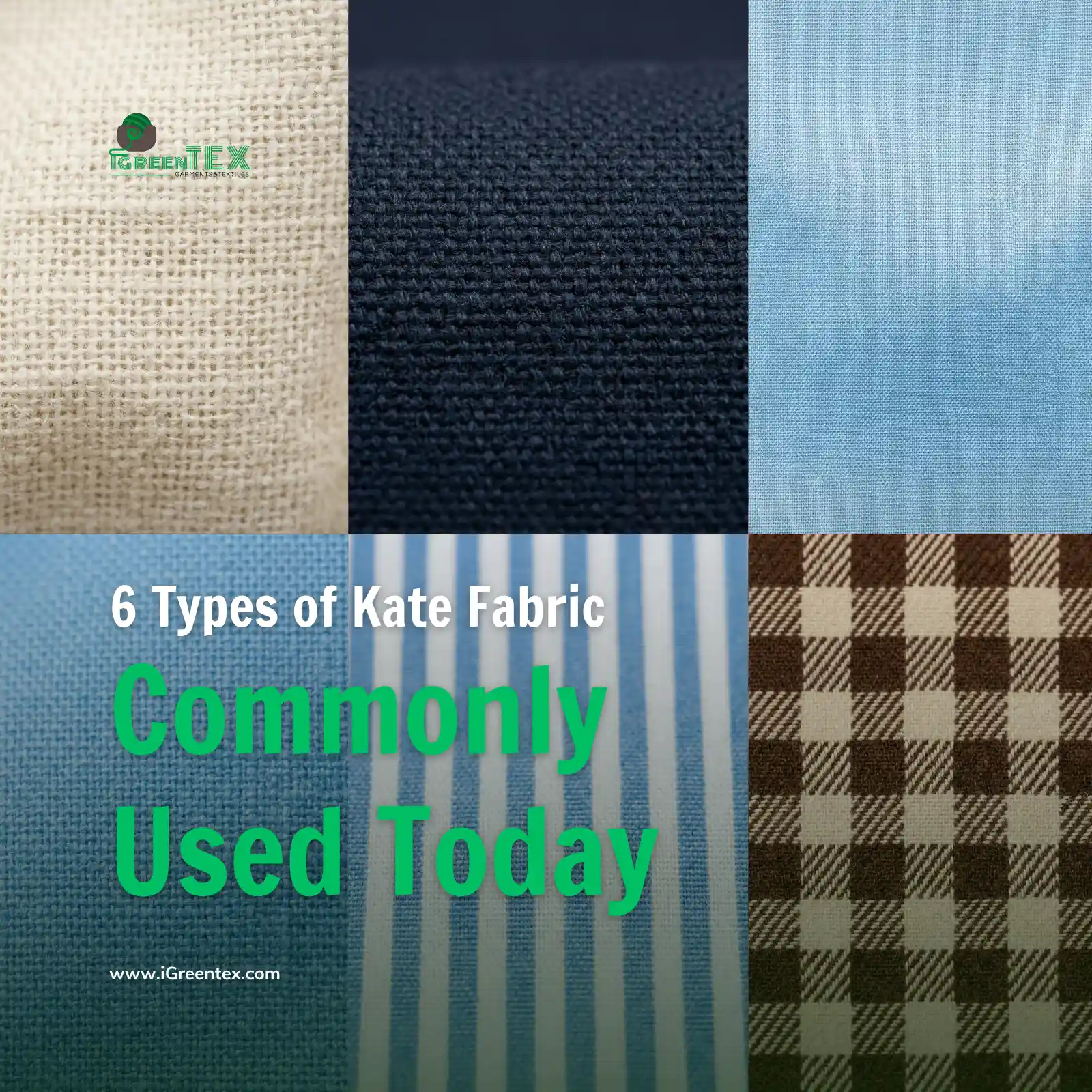
In the international market, “Kate” is a commercial trade name for specific TC constructions. These are categorized by weight, weave, and finishing processes. To assist procurement managers, we have integrated technical specifications and global application contexts for the six variations most frequently used in production.
1. Kate Silk (Lightweight TC Construction)
Kate Silk is a high-density poly-cotton blend utilizing a specialized fabric finishing that creates a smooth, silk-like texture. It is a lightweight material, often selected for summer-weight clothing. In regions with high humidity, such as the Southern United States, this fabric is often used for lightweight blouses because it dries fast and maintains a professional look. While the tensile strength is high, the lower moisture absorption compared to cotton-rich blends is a factor for apparel brand owners to consider during product development.
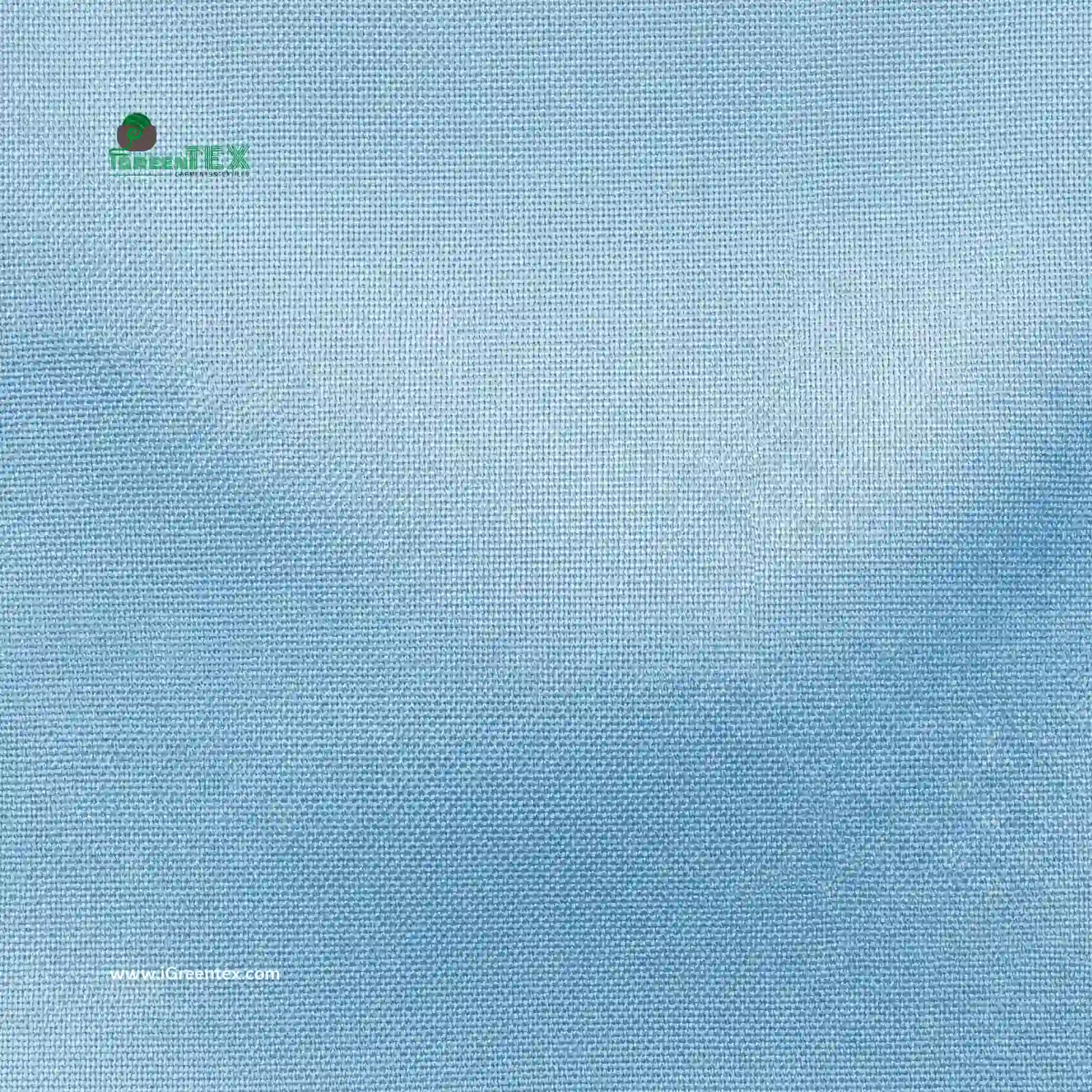
Technically, Kate Silk is engineered for speed-to-market. Its lightweight nature reduces shipping costs for high-volume retailers. However, procurement teams must account for static electricity issues in dry, climate-controlled office buildings. Despite its thin profile, the dense weave prevents transparency, which is a key requirement for corporate white shirting.
- Global Application: Used by US-based “fast-fashion” brands for mass-market blouses and summer school uniforms in Southeast Asian international schools.
2. Kate Ford (Heavy-Duty Workwear Construction)
Kate Ford is defined by its rugged construction and significant thickness. By utilizing a higher polyester cotton ratio, this fabric is engineered to withstand extreme physical stress. In the US Midwest industrial sector, this material is a standard for heavy-duty work shirts. The thickness provides a structured appearance, though it is less breathable than thinner variants. Its longevity is the primary reason why it is specified in contracts for the automotive or construction industries where durability is non-negotiable.
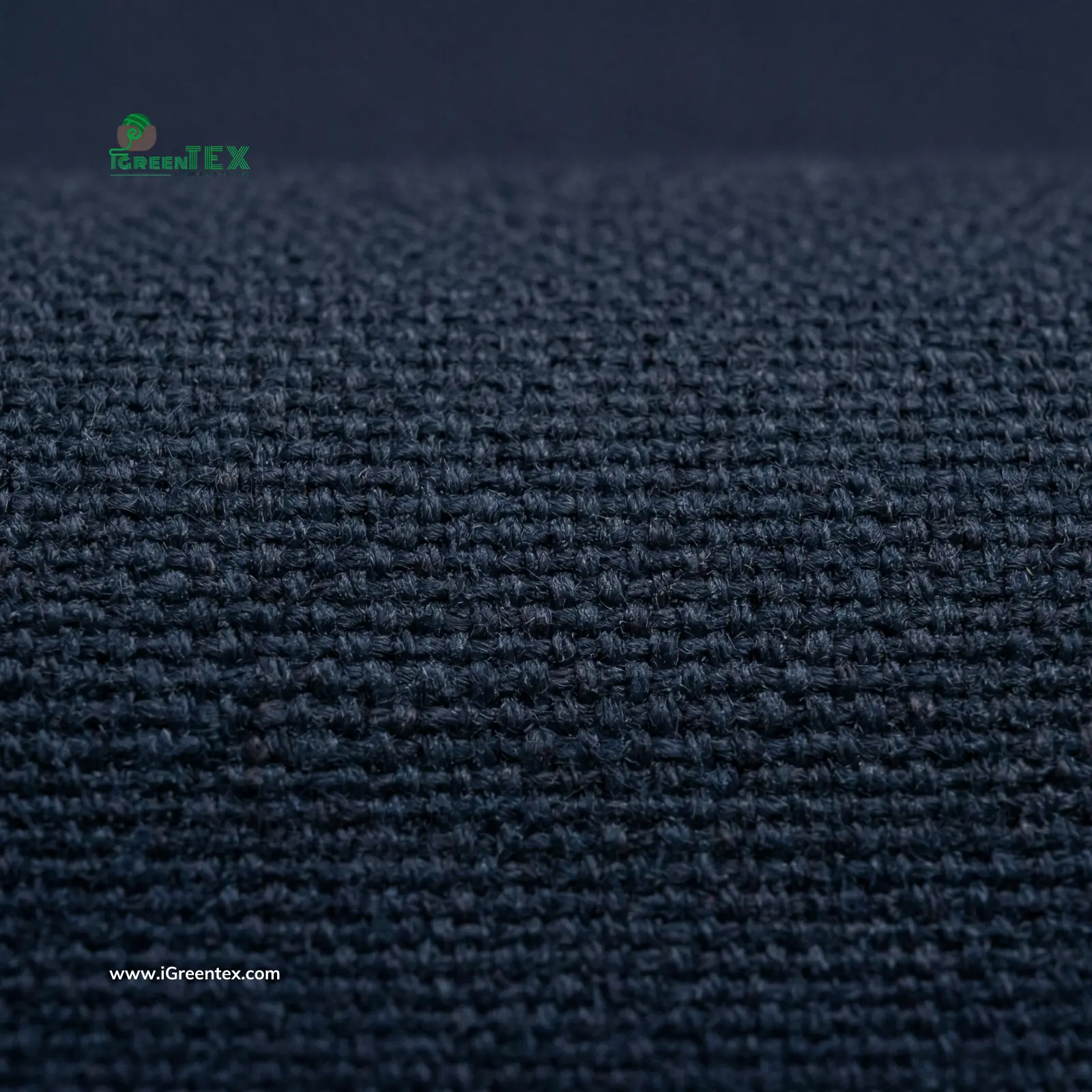
The Grams per Square Meter (GSM) for Kate Ford is significantly higher than other variants, providing a protective barrier against minor industrial abrasions. It handles heavy-duty industrial washing chemicals without degrading the fiber structure. This makes it a cost-effective choice for large-scale rental uniform programs where garments are laundered in centralized facilities.
- Global Application: The primary material for industrial workwear in North America and Europe. It is also used for medical scrubs that require frequent high-heat sterilization.
3. Kate Polin (High-Cotton Content TC)
Kate Polin is a premium variation containing a higher percentage of cotton. This results in superior breathability and improved moisture absorption. It is identified by its matte finish and a “cooler” hand feel. While the cost is higher and it requires more ironing, the skin-friendly nature provides high wearer comfort. This fabric meets the high-quality expectations of the European hospitality sector for front-of-house staff.
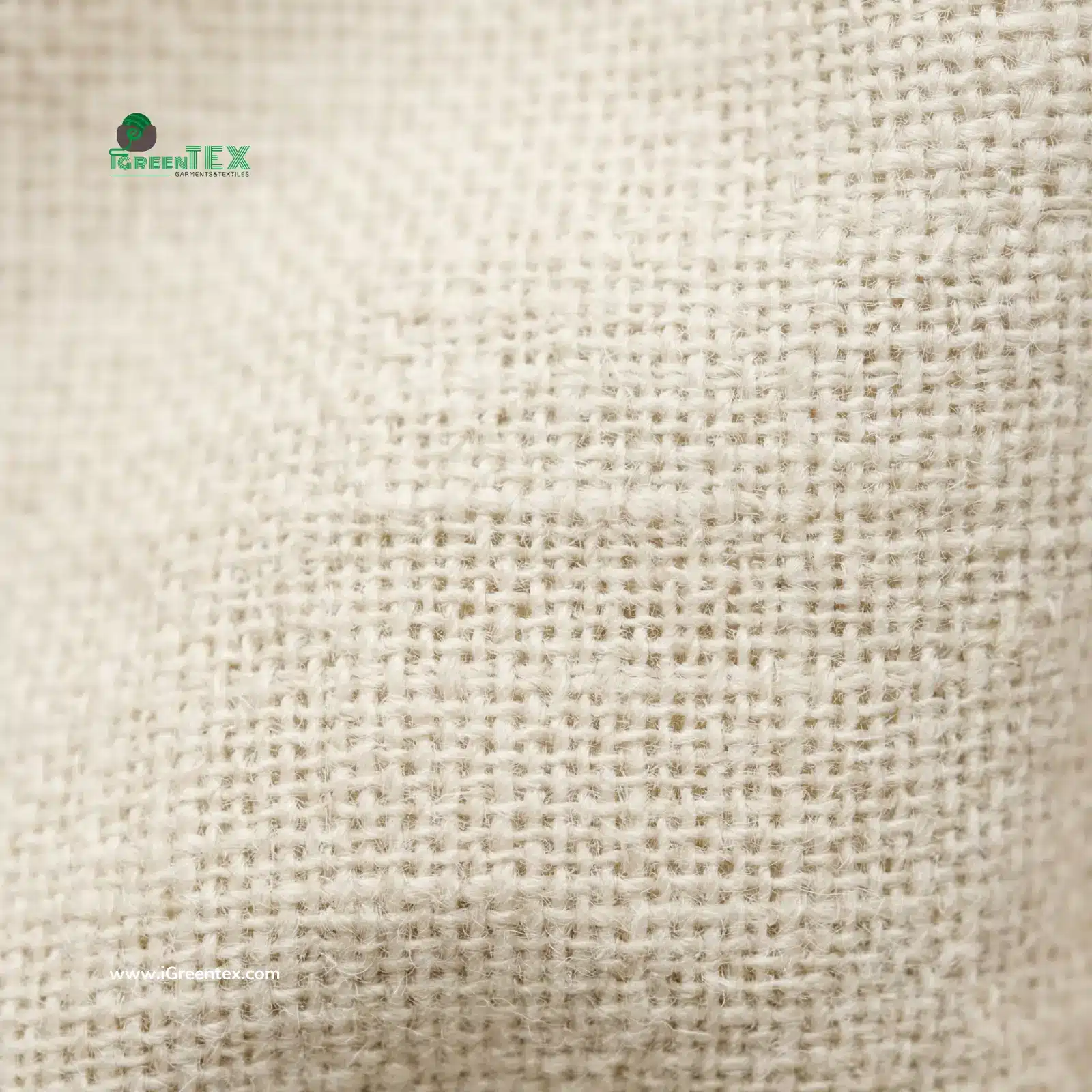
For high-end apparel brand founders, Kate Polin offers a tactile experience that closely mimics 100% cotton poplin while maintaining the structural benefits of polyester. It is less prone to the “plastic” feel of cheaper TC blends, making it the preferred choice for executive-level attire where professional presentation and comfort must coexist.
- Best for: Executive shirting and premium retail uniforms for luxury brands.
4. Kate Korea (Standard Utility TC)
Kate Korea serves as the standard utility fabric for high-volume orders. It strikes a balance between softness and structural integrity. This mid-weight material is a staple for large retail chains requiring stable production for private-label lines. It is frequently utilized in polo shirt manufacturing for trim or pocketing details where consistency and cost-efficiency are more important than specialized performance.
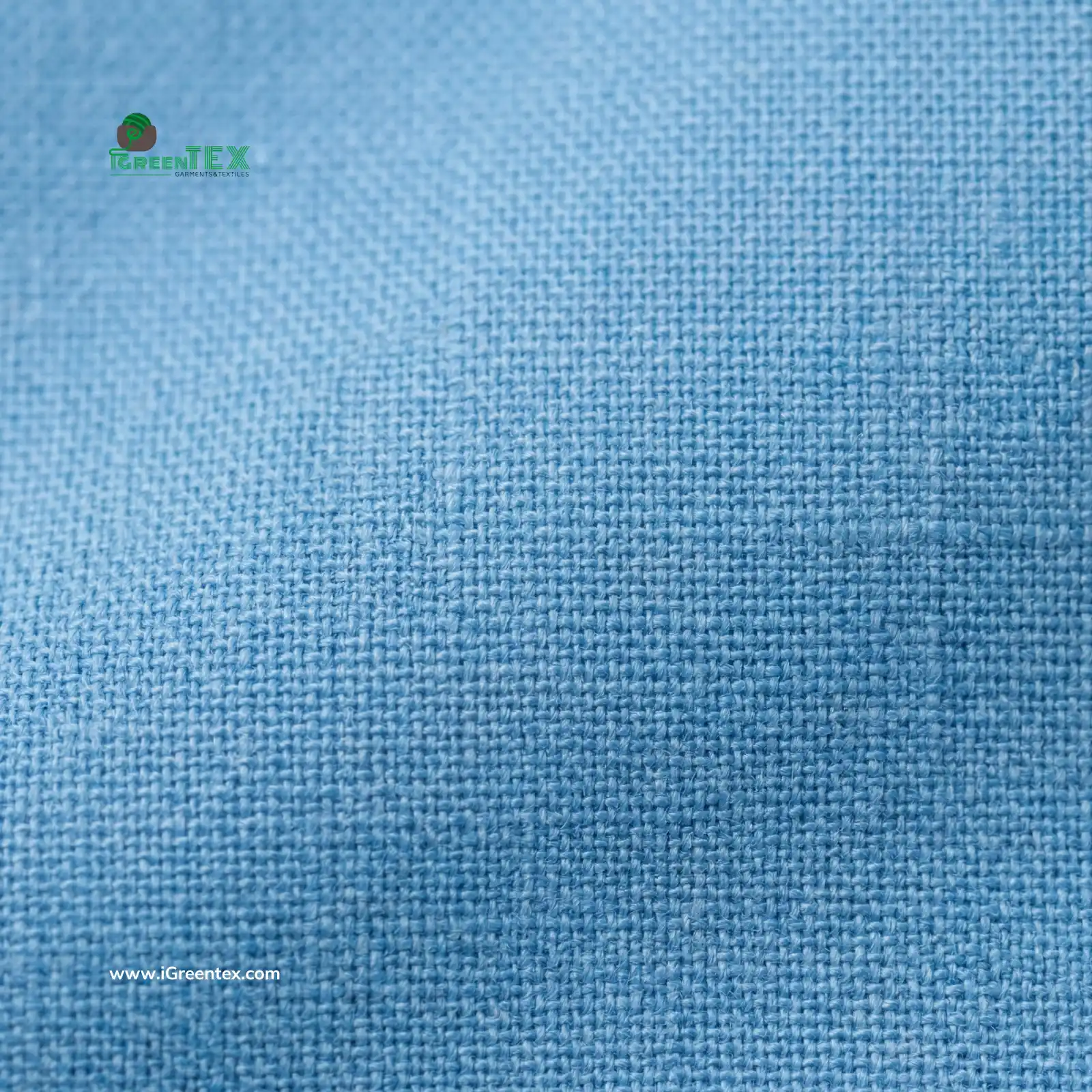
Many procurement managers favor Kate Korea because it features a slight mechanical stretch. This improves ergonomics for staff who move frequently, such as retail associates or logistics personnel. Its predictability during the automated cutting and sewing process reduces labor overhead, allowing for highly competitive unit pricing in multi-million unit contracts.
- Best for: Standard corporate office shirts and mass-market promotional wear.
5. Kate Stripe (Woven Pattern TC)
Unlike printed fabrics, Kate Stripe features patterns woven directly into the structure. This ensures that the stripes never fade or peel, maintaining a permanent professional aesthetic. It is highly valued for executive branding in the global airline and banking industries. Large-scale casino resorts in the US use Kate Stripe to differentiate departments while maintaining a unified corporate identity. While it requires precise alignment during cutting, the durability and wrinkle resistance provide long-term value.
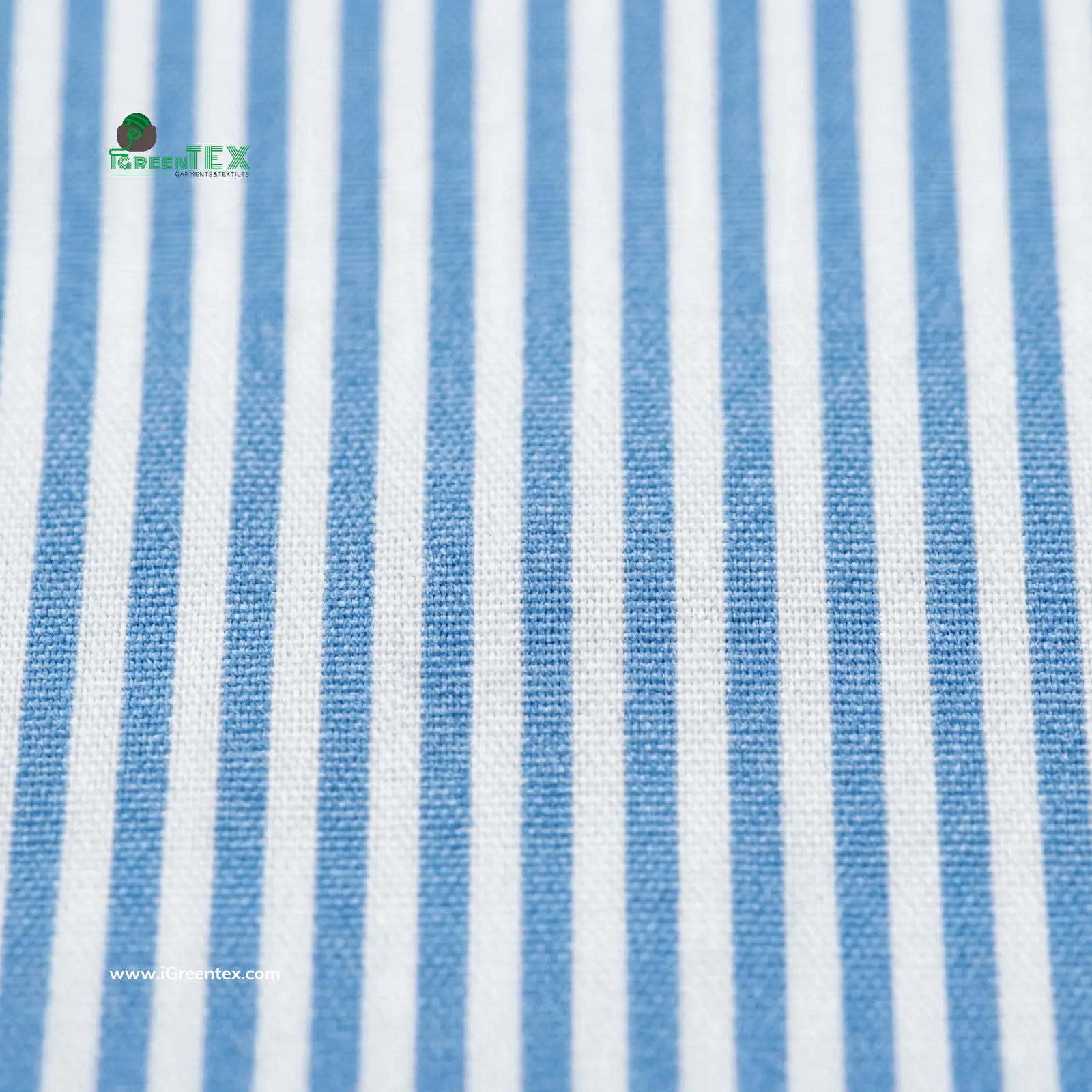
From a technical standpoint, Kate Stripe is yarn-dyed before weaving. This method offers superior colorfastness compared to piece-dyeing or printing. However, sourcing teams must plan for higher fabric consumption (wastage) during the assembly phase, as stripes must be meticulously matched at the seams to maintain brand integrity.
- Best for: Airline shirting and financial institution uniforms.
6. Kate Caro (Plaid Pattern TC)
Specifically engineered for the education sector, Kate Caro uses a plaid or checked weave. It is naturally resistant to pilling, which is essential for garments worn daily by active students. In the UK and Australian markets, this fabric is synonymous with traditional school identities. The grid pattern effectively hides stains, making it a practical choice for clothing brands targeting the prestigious US “prep school” market.
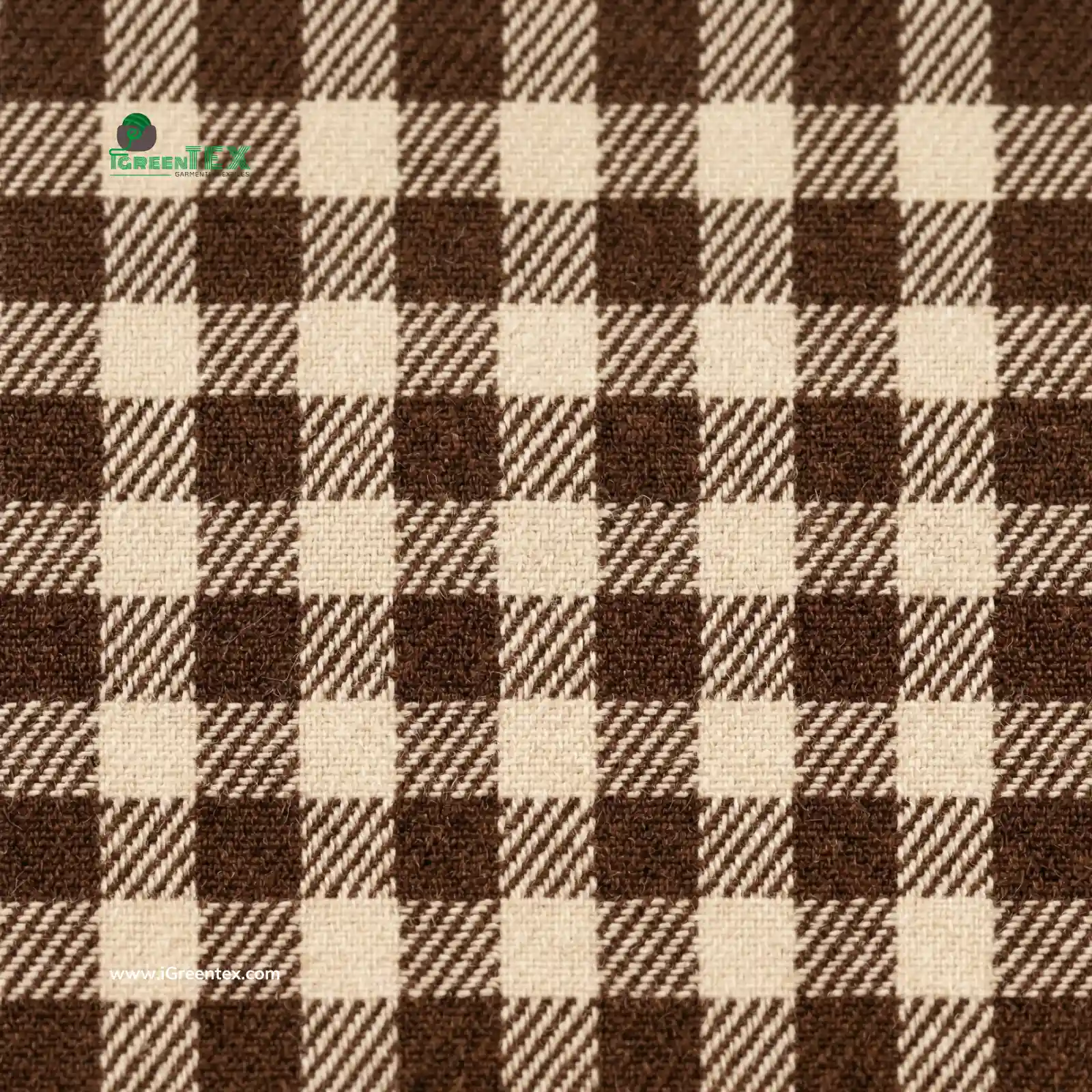
The physical density of Kate Caro is designed to prevent tearing during high-activity use. It maintains a flat surface even after repeated agitation in domestic washing machines. Because plaid matching is technically demanding, brands using Kate Caro demonstrate a commitment to higher manufacturing standards compared to solid-color alternatives.
- Best for: Traditional school skirts, ties, and themed hospitality uniforms.
Secondary Variations in the Industry:
- Kate Poplin: A finer, tighter weave often used for high-thread-count dress shirts.
- Kate Oxford: Features a basket-weave structure, common in casual professional shirts.
- Kate Chambray: A lightweight alternative to denim for summer collections.
- Kate Dobby: Utilizes a Dobby loom to create small geometric textures for specialized corporate branding.
- Kate Twill: Identified by its diagonal rib pattern, offering enhanced durability and drape.
Please note that the images of Kate fabric shown in this article are for reference purposes only and are intended to illustrate general texture, color, and weave differences. Due to variations in fiber blend ratios, finishing processes, and production requirements, the actual kate fabric used in manufacturing may differ from these visuals.
For accurate evaluation, we recommend requesting real fabric swatches. At iGreen Tex Vietnam, all materials are developed based on specific client requirements. To receive authentic samples and technical details, please contact our team via email. We will review your request and provide suitable fabric options based on your project specifications.
Technical Comparison: Kate Fabric vs. Other Materials
Evaluation of materials requires a comparison of physical data. The following table illustrates the performance of Kate fabric (TC 65/35) compared to 100% Cotton and 100% Polyester.
| Technical Property | Kate Fabric (TC 65/35) | 100% Cotton | 100% Polyester |
|---|---|---|---|
| Wrinkle Resistance | High | Low | Very High |
| Breathability | Medium-High | Very High | Low |
| Tensile Strength | 450 – 550 N | 250 – 350 N | 600+ N |
| Moisture Absorption | Moderate | Very High | Negligible |
| Pilling Resistance | Moderate | High | Low |
| Drying Speed | Fast | Slow | Very Fast |
Kate fabric provides a functional middle ground. It addresses the lack of durability in cotton while fixing the poor breathability of pure polyester. This balanced textile performance is why it remains a dominant poly cotton fabric for uniforms globally.
Why Procurement Teams Prioritize TC Blends
The decision to specify kate fabric for uniforms is driven by the total cost of ownership. Beyond the initial unit price, businesses consider the lifespan and maintenance costs. Employees prefer TC blends because they maintain a crisp appearance throughout the shift with minimal maintenance.
From a manufacturing perspective, this material is highly stable. As a global garment supplier, observations in the cutting room show that Kate fabric reacts predictably under tension. This stability reduces material waste and ensures a consistent fit across a large production run.
Direct testing at the iGreen Tex Vietnam facility confirms that high-quality poly cotton fabric for uniforms maintains its dimensions after multiple washes. Excessive shrinkage is a major risk for those working with 100% natural fibers. Kate fabric mitigates this risk, ensuring the size charts remain accurate over the life of the garment.
Quality Standards and Supply Chain Integrity
Selecting a manufacturer in Vietnam provides access to a stable supply chain. However, quality varies significantly between facilities. It is necessary to partner with an ISO certified textile manufacturer that adheres to international testing protocols. High-quality TC blends should be an OEKO-TEX certified fabric, ensuring the absence of harmful chemicals.
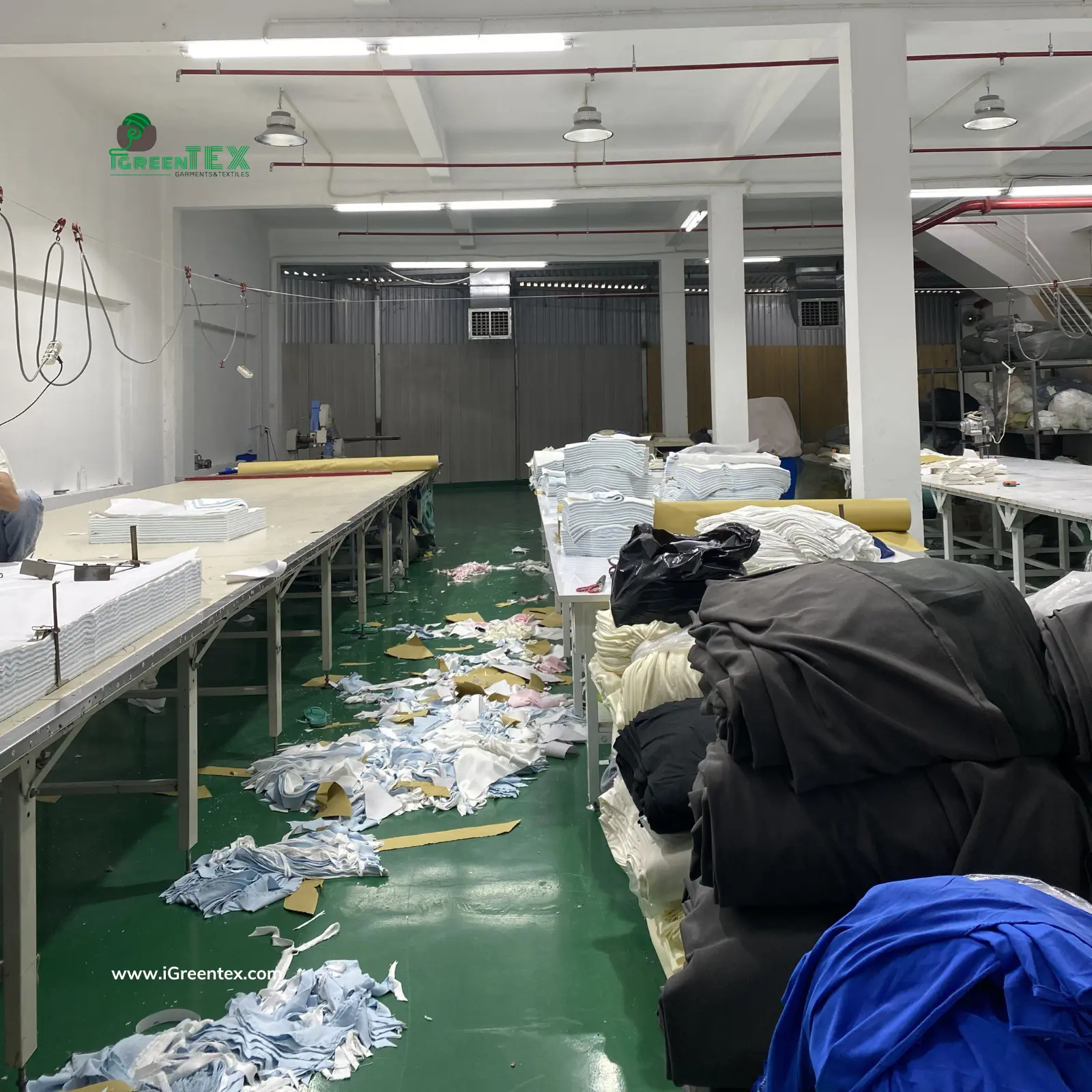
Technical data sheets should be requested for every batch. These sheets must detail the polyester cotton ratio, GSM (grams per square meter), and colorfastness ratings. Verifying these metrics early prevents delays in the final delivery schedule.
Before finalizing a contract, it is beneficial to understand how to verify a garment factory in Vietnam. A third-party audit ensures the factory has the infrastructure to handle complex poly-cotton blends. Transparency is the only way to ensure export standards compliance.
Production Capabilities at iGreen Tex Vietnam
A common question often arises regarding our role in the supply chain: Does iGreen Tex Vietnam manufacture textiles? The answer is NO. We are not a textile mill, and our core expertise lies in custom garment production rather than fabric engineering. The information shared in this guide is intended to provide technical knowledge and assist procurement teams with material selection, rather than a direct offer to sell raw textiles.
However, we recognize that consistent material supply is vital for large-scale apparel lines. While we do not specialize in fabric sales, iGreen Tex Vietnam can facilitate the supply of these materials if a client has a specific request as part of their custom manufacturing order. This ensures that the final product aligns perfectly with the intended technical specifications.
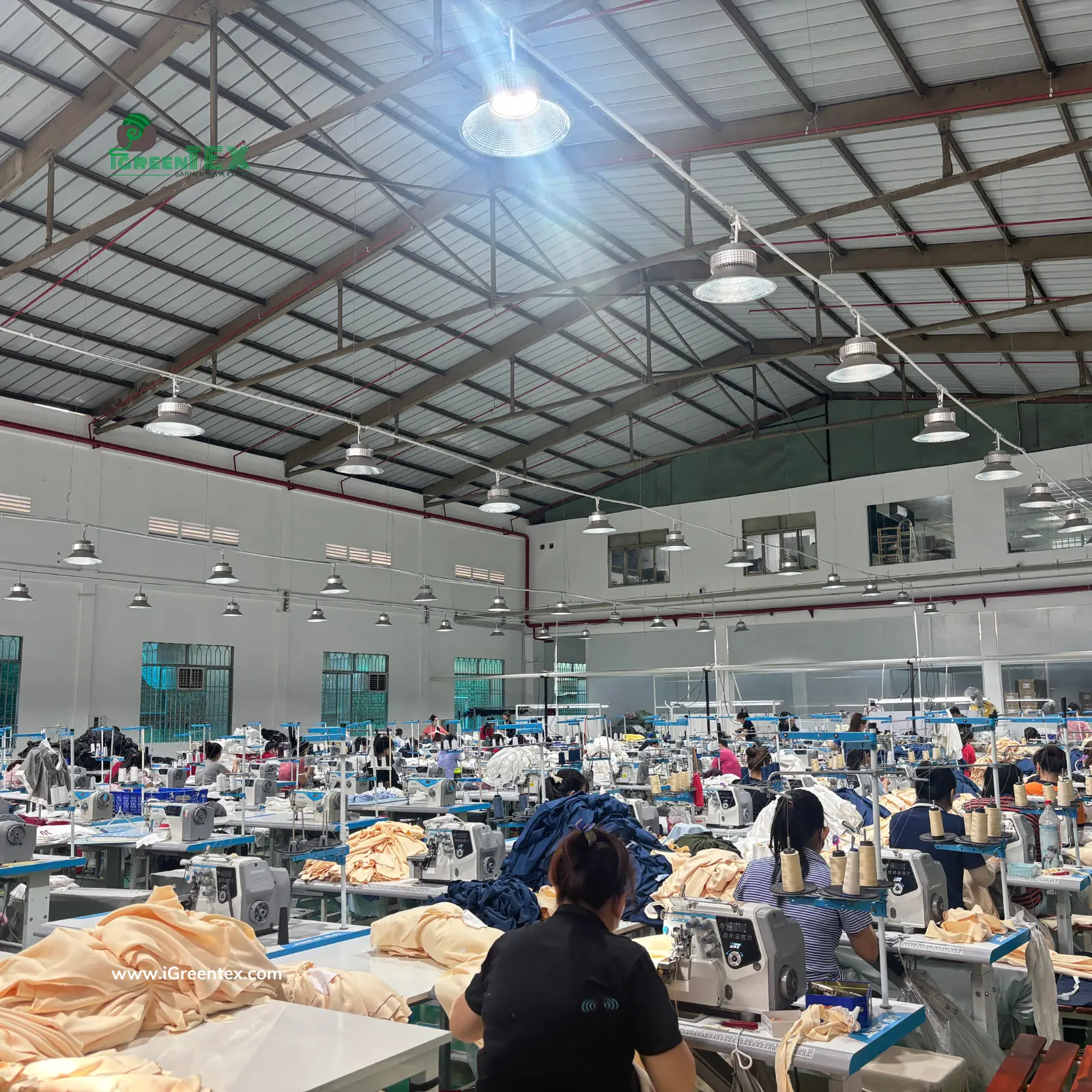
Executing precise designs requires a partner with technical expertise in TC blends. iGreen Tex Vietnam manages the full production process, from material selection to final export.

⚡ Technical Consultation for Apparel Production
For brands requiring a reliable OEM clothing manufacturer in Vietnam, iGreen Tex Vietnam offers full-scale production services. We manage technical specifications and quality inspections to ensure all products meet international market requirements.
Our facility supports the needs of operations managers and supply chain directors who require consistent quality and adherence to production timelines.
Contact for Technical Inquiry
Our team provides technical consultations on fabric performance and production strategy for international apparel brands.
Contact iGreen Tex Vietnam today to discuss your technical specifications or request samples for your next collection.