Difference Between Attire and Apparel: Decoding Industrial Terms for Global Sourcing
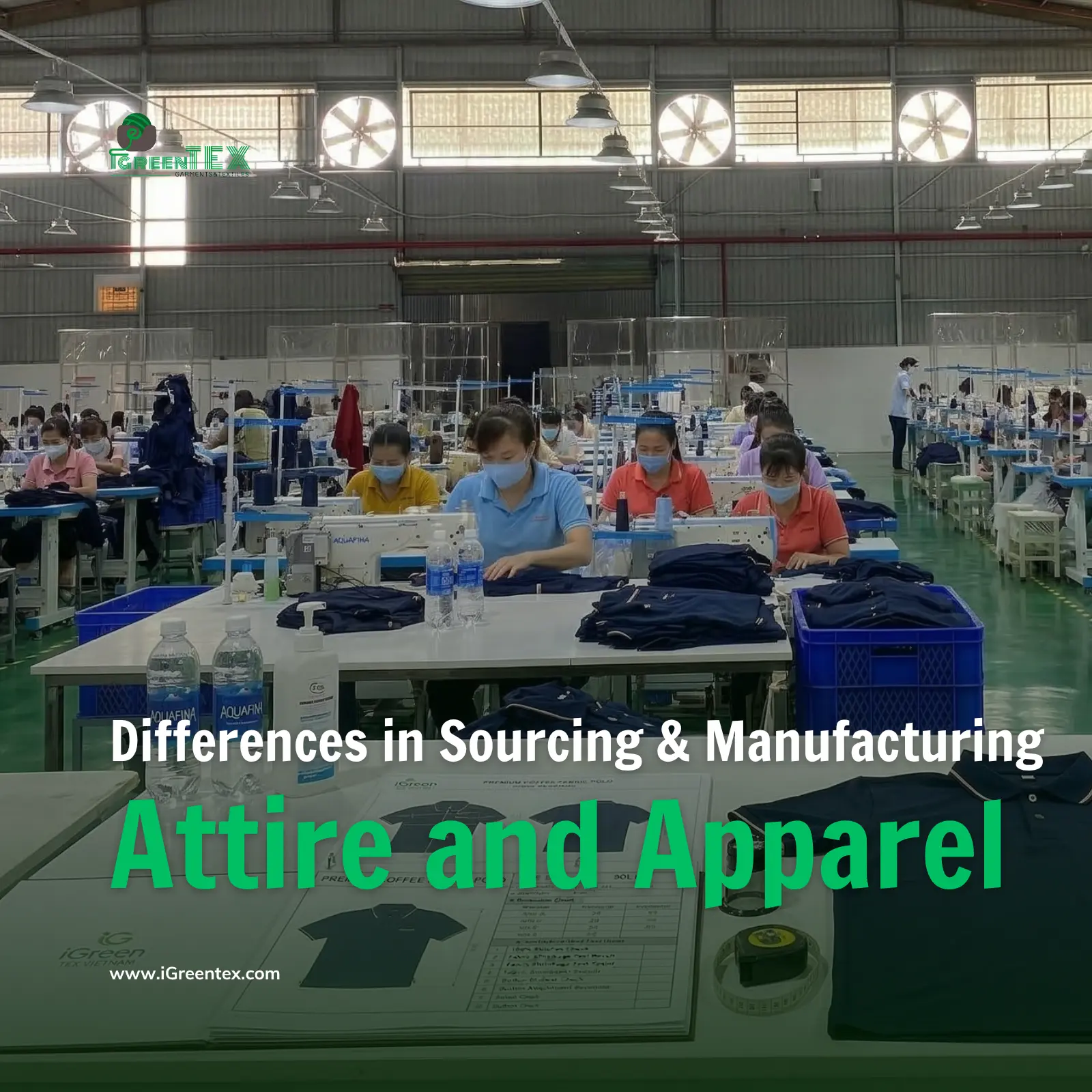
In global sourcing, misunderstanding basic terms like attire and apparel can lead to costly mistakes in product classification, customs pricing, and manufacturing decisions. For a sourcing manager or a procurement team targeting the US market, these are not just synonyms; they are technical identifiers that dictate the complexity of your clothing supply chain in the textile industry.
Misclassifying a product line can result in tariff penalties or production delays. Whether you are working with a clothing manufacturer for the first time or scaling an existing brand, mastering this terminology ensures that your technical specifications align with factory capabilities. In this professional analysis, we move beyond dictionary definitions to explore the commercial impact of these terms on your bottom line.
Difference Between Attire and Apparel (Quick Comparison)
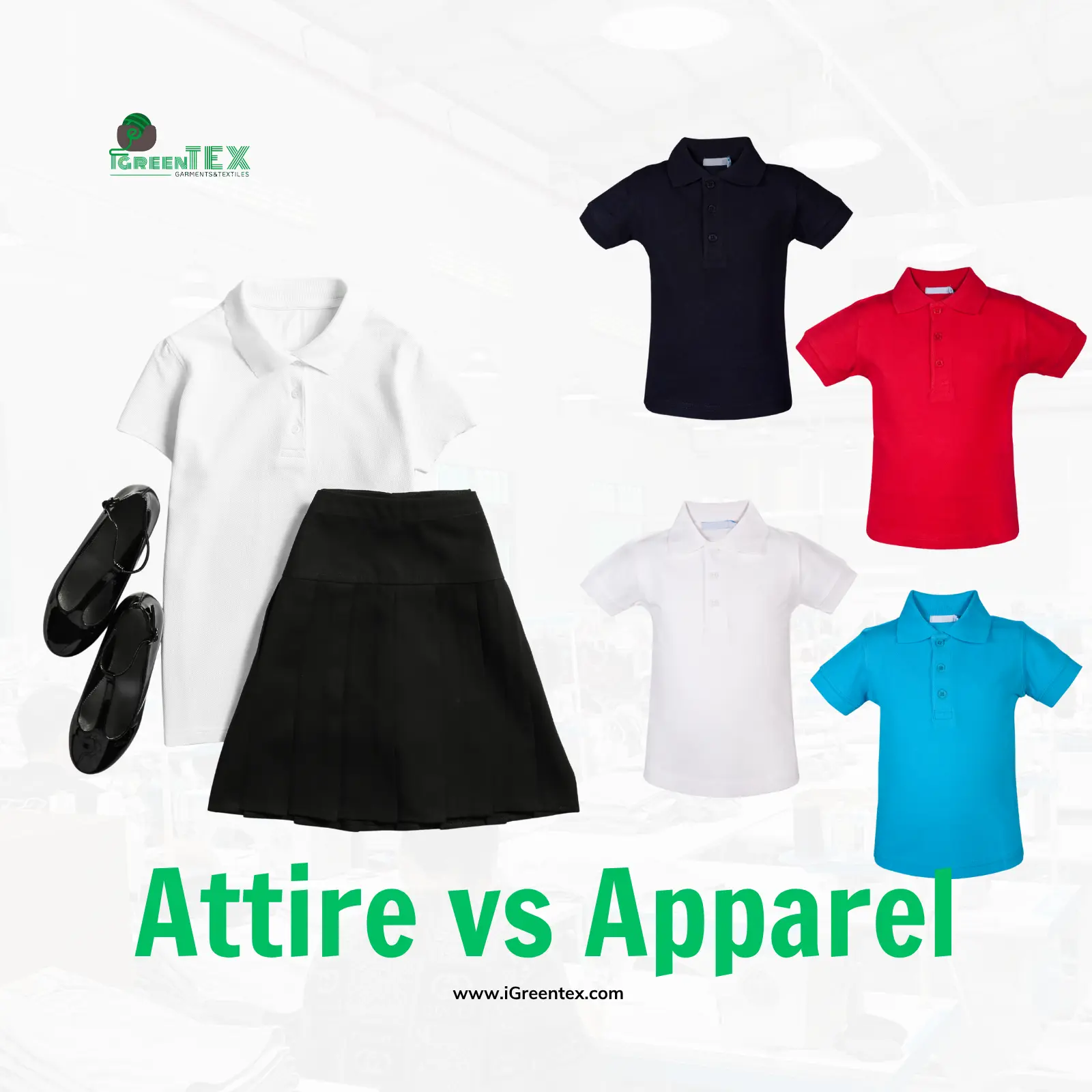
The key difference between attire and apparel lies in intent vs classification. While they both refer to clothing, their use cases in the business world are distinct.
- Attire refers to clothing selected for a specific function, professional context, or social requirement. It describes the role the garment plays (e.g., corporate attire).
- Apparel is the standardized and technical term used in manufacturing, inventory management, and global trade. It describes the physical asset and the product category.
For sourcing teams, satisfying the initial search intent is only the beginning. Understanding how these terms transition into production strategy is what separates a successful brand from a failing one.
Attire and Apparel – Quick Answers for Sourcing Teams
To help procurement departments navigate international trade requirements quickly, here are the essential answers regarding industrial terminology:
What is the difference between attire and apparel?
Attire refers to the functional intent and style of clothing for a specific professional role or occasion. Apparel is the technical and commercial term used for the physical goods, inventory, and product classification in the global market.
Why is “apparel” used in manufacturing instead of “clothing”?
The term apparel is the standard industrial and legal classification used in the apparel industry meaning. It is utilized in trade agreements, customs documentation (HTS codes), and technical manufacturing specifications to provide a more precise definition for mass-produced goods.
How does apparel classification affect import costs?
Proper product classification directly impacts the tariffs and duties applied by customs authorities. Inaccurate classification can lead to higher taxes, customs seizures, or audits. Working with a professional clothing manufacturer ensures that your goods are documented correctly to optimize landed costs.
What is Attire? A Functional Definition
From an industrial perspective, attire refers to a specific subset of clothing chosen to meet the requirements of a particular role or environment. It is a contextual term. While a consumer sees attire as what to wear, a purchasing manager views it as a strategic requirement for brand consistency and operational safety.

The core essence of attire is its alignment with a professional function. For example, a company does not just buy clothes; they invest in business attire for companies to establish a corporate identity. This includes everything from the durability of the fabric to the precision of the tailoring.
In the global market, attire is often categorized by the level of formality and the specific industry it serves. Whether it is corporate, athletic, or safety-focused, the term attire always implies that the garment has been selected for a defined purpose within a business ecosystem.
What is Apparel? The Language of Inventory
Conversely, apparel is a collective and technical term used to describe all types of clothing as a product category. In the apparel industry meaning, this term covers the entire lifecycle of a garment from raw fiber to finished goods sitting in a warehouse. It is the language of mass production and global trade.
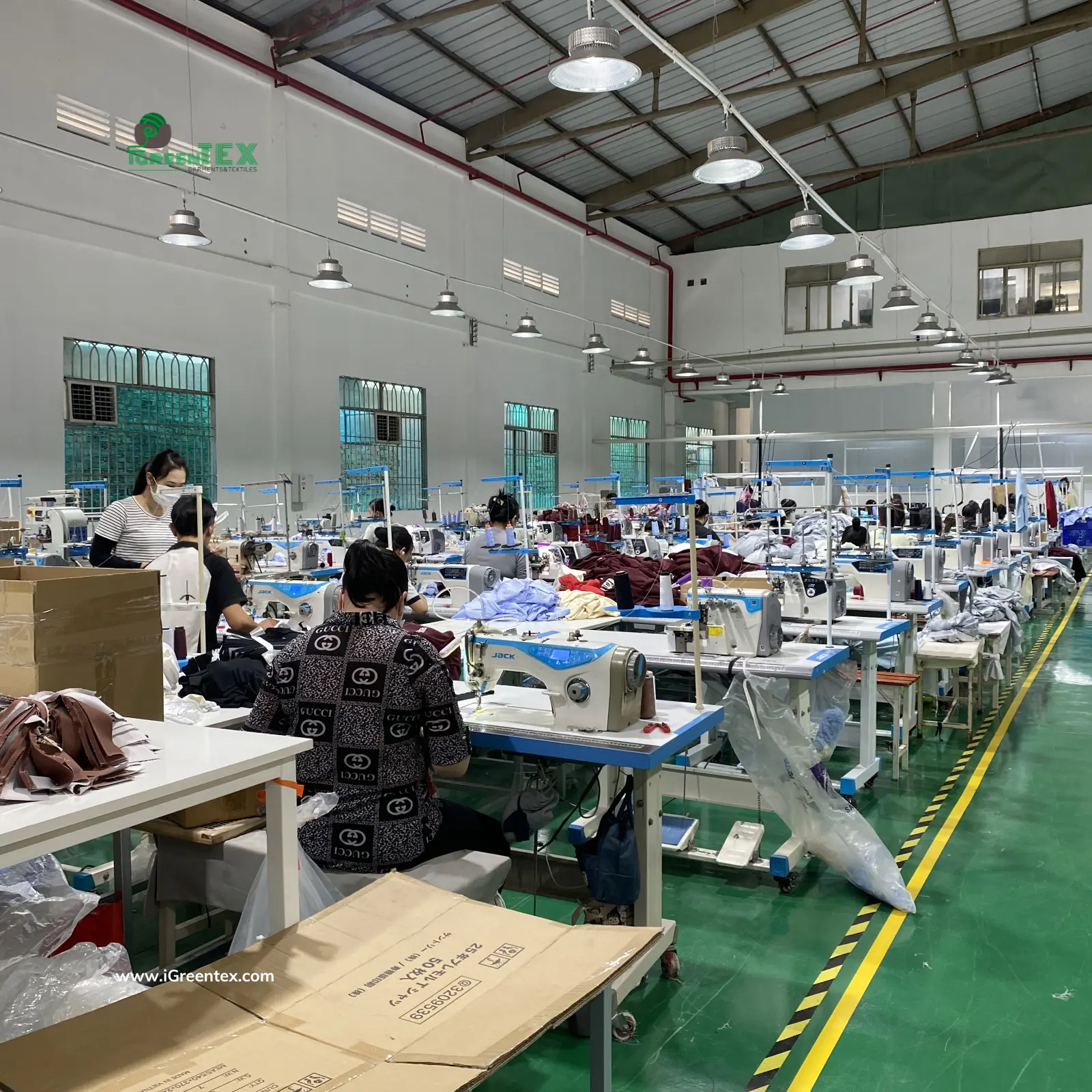
For US apparel importers, apparel is the objective classification used for inventory management and customs documentation. It encompasses every item of clothing regardless of its intended use. While attire describes the intent of the wearer, apparel describes the physical asset of the brand owner.
Understanding the apparel industry meaning is vital for anyone managing a clothing supply chain. It allows for clear communication regarding volume, fabric weight (GSM), and apparel manufacturing standards. When you browse a factory’s technical catalog, you are looking at apparel options that will later be curated into specific attire collections for your target market.
Attire and Apparel in Global Sourcing
In the world of global sourcing, the distinction between these two terms defines the relationship between the buyer and the factory. When a brand focuses on attire, they are discussing the high-level requirements of their target audience’s fit, feel, and brand message. When that same brand shifts to apparel, they are entering the realm of logistics, raw material yields, and production timelines.
Effective sourcing agents know that a factory’s ability to produce high-quality apparel does not always translate into understanding the nuances of professional attire. Success in global sourcing requires a manufacturer that can bridge this gap, translating an abstract brand vision into a technically sound, mass-producible garment.
Key Differences Between Attire and Apparel in Sourcing
Understanding the nuances of attire and apparel allows sourcing managers to communicate more effectively with production partners like iGreen Tex Vietnam. Here is how the two terms diverge in a commercial environment.
1. Intent vs. Inventory
Attire focuses on the intent of how the garment will be used by the end-user in a professional or functional setting. Apparel focuses on the inventory of physical goods being manufactured, shipped, and taxed as a commodity.
2. Customization vs. Mass Production
Discussions about attire often involve customization, branding, and ergonomic fit for specific staff roles. Discussions about apparel usually center on production volume, fabric yields, and apparel production process efficiencies.
3. Subjective Style vs. Objective Classification
Attire is often subjective and defined by corporate culture. Apparel is objective and quantifiable, categorized by construction (knit vs. woven) and HTS codes for international customs clearance.
| Commercial Factor | Attire Focus | Apparel Focus |
|---|---|---|
| Procurement Goal | Brand Identity & Uniformity | Cost Efficiency & Scalability |
| Technical Focus | Fit, Fabric Hand-feel, Aesthetics | Construction, GSM, Lead Times |
| Regulatory Focus | Safety Standards (e.g., Flame resistance) | HTS Codes, Tariffs, Country of Origin |
| Sourcing Priority | Customization & Detail | Volume & Bulk Apparel Manufacturing |
Strategic Analysis: Business Attire for Companies
When operations managers or procurement teams evaluate their needs, the choice between generic apparel and specialized attire has significant financial implications. The decision to invest in high-durability branded clothing rather than off-the-shelf items affects both the initial investment and the long-term replacement cycle.
Classification of Apparel Products by Line
To optimize your budget, you must understand how a Vietnam clothing manufacturer categorizes their production lines. This classification dictates the machinery used and the quality control in garment production.
| Apparel Line | Technical Components | Business Impact (ROI) |
|---|---|---|
| Casual Wear | T-shirt manufacturing, Hoodies, Sweaters | Low cost, high volume, fast turnover. |
| Professional Wear | Polo shirt manufacturing, Blazers | Balances cost with high-end brand perception. |
| Operational Wear | Cargo pants, heavy-duty shirts | High durability, reduces replacement frequency. |
| Technical Wear | Moisture-wicking knits, UV protection | Commands premium pricing, targets niche markets. |
Attire and Apparel for US Importers
For US importers, the technicalities of attire and apparel are inseparable from the requirements of U.S. Customs and Border Protection (CBP). While your marketing team focuses on the attire aspects, such as lifestyle and branding, your logistics team must ensure the apparel classification is bulletproof.

The HTS (Harmonized Tariff Schedule) does not care about the fashionability of your attire; it cares about the fiber content, weight, and construction of your apparel. Misidentifying a polo shirt as a basic t-shirt due to a terminology error can lead to a 10% to 20% difference in duty rates. A strategic manufacturing partner in Vietnam provides the technical data necessary to ensure your apparel is classified accurately, protecting your margins from unexpected tax liabilities.
Corporate Attire vs Uniform: The Procurement Debate
For sourcing managers, the debate between corporate attire vs uniform is essentially a trade-off between flexibility and control.
Corporate Attire provides a framework for employees, which can reduce the burden of apparel supplier selection. However, it lacks the absolute consistency of a uniform. A uniform requires strict apparel manufacturing standards to ensure that every single unit across thousands of employees is identical in color and quality.
At the procurement level, corporate attire vs uniform decisions are driven by:
- MOQ (Minimum Order Quantity): Uniforms often require higher MOQs (typically 500–1000 pcs/style) to justify custom dyeing and fabrication.
- Branding: Uniforms allow for integrated branded clothing through specialized printing and embroidery techniques.
Apparel Categories in Manufacturing
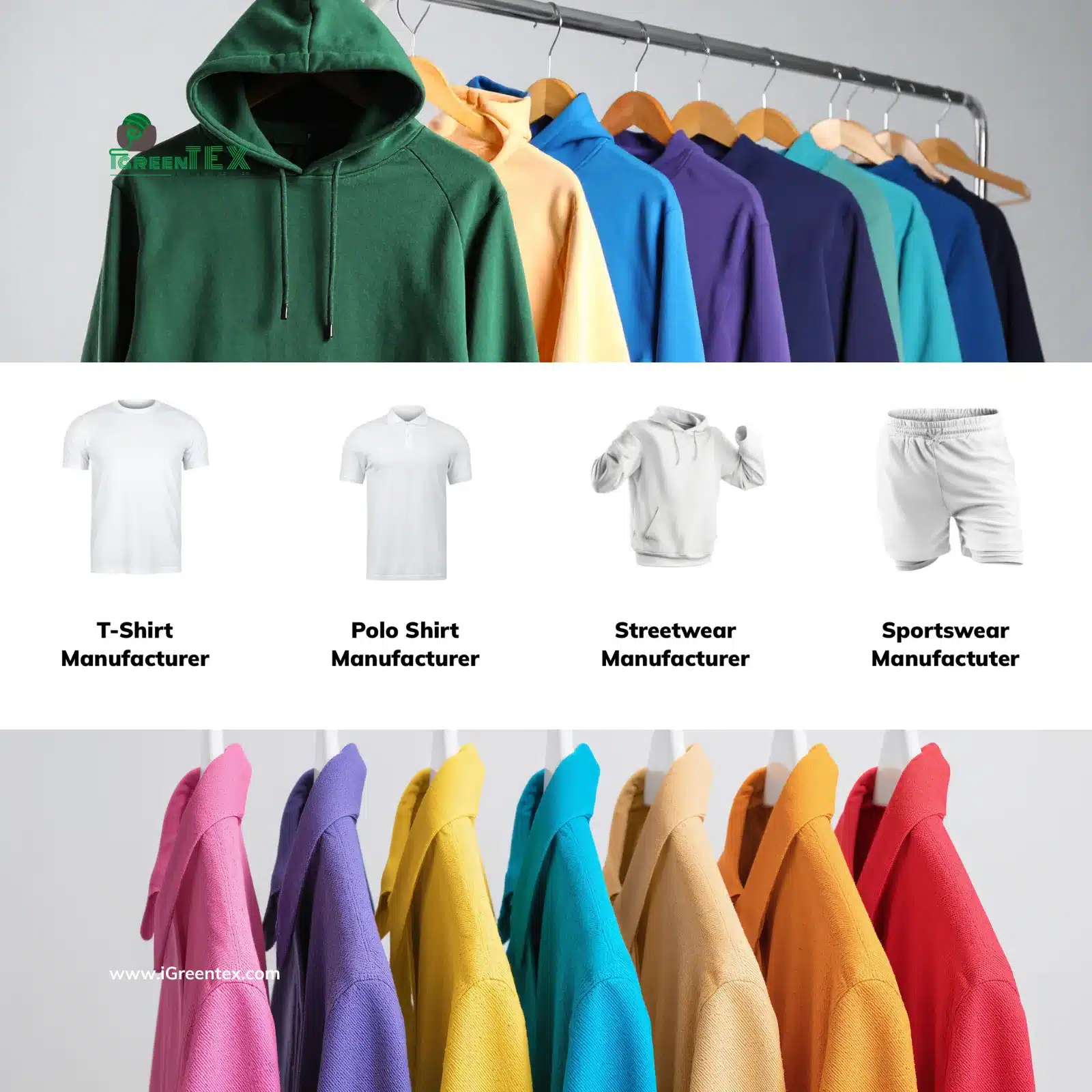
Technical apparel categories in manufacturing are the pillars of production planning. If you are looking to scale, you must align your designs with the factory’s specialization to avoid rework costs a major risk in garment manufacturing.
- Knit Apparel: Focused on comfort and stretch, involving specialized overlock and flatlock stitching. This is where most t-shirt manufacturing occurs.
- Woven Apparel: Requires higher precision in tailoring and structured fabrics.
- Technical Outerwear: Involves seam sealing and waterproof testing, requiring advanced apparel production processes.
Proper product classification at this stage prevents the eating of profits through unexpected labor costs or material wastage.
Quality Control in Garment Production
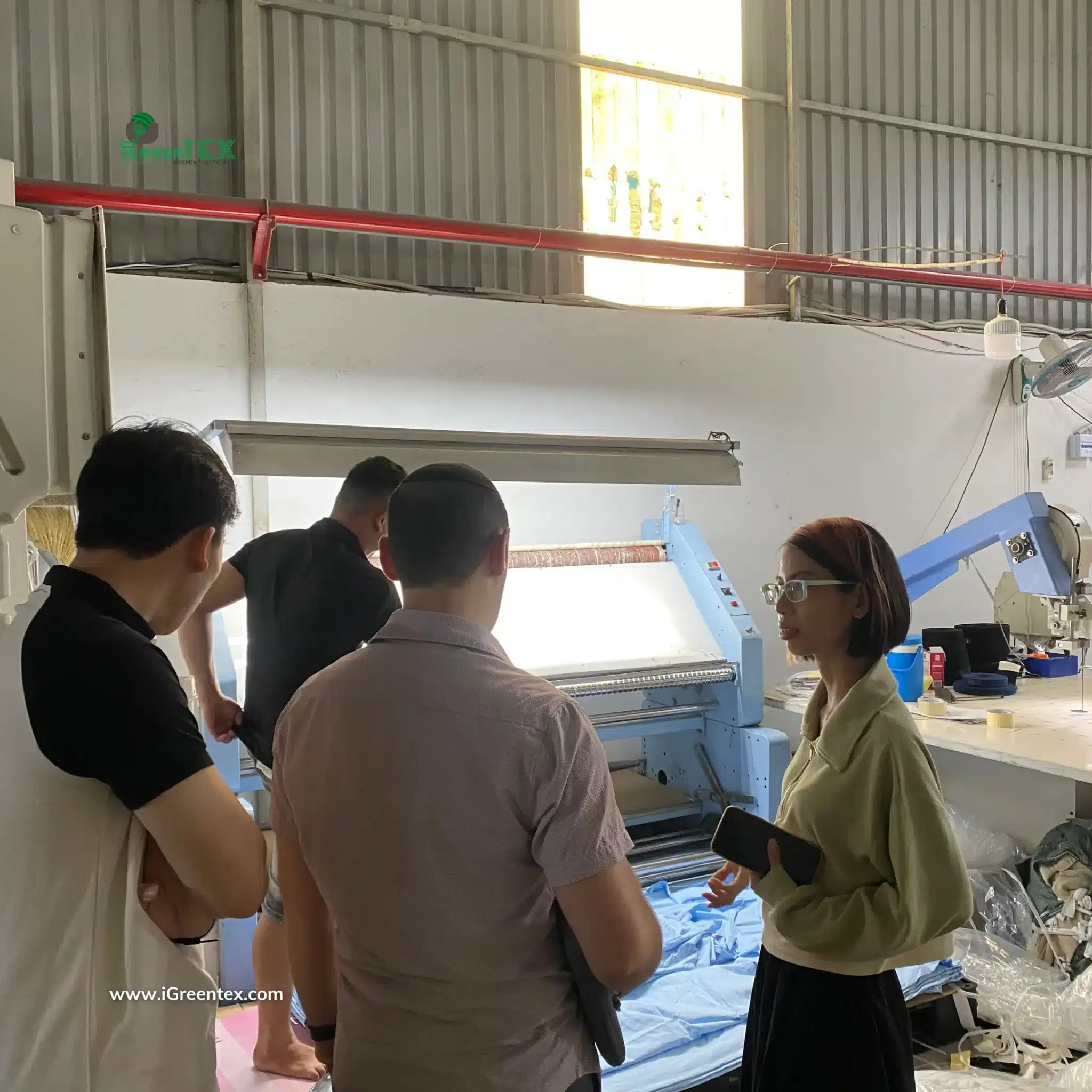
Maintaining quality control in garment production is the most critical factor in apparel supplier selection. For US apparel importers, a single failed batch can lead to massive retail chargebacks and brand damage.
A professional factory like iGreen Tex implements a three-tier inspection system:
- In-line Inspection: Checking quality during the sewing process.
- End-line Inspection: Verification after the garment is fully assembled.
- Final AQL 2.5 (Acceptable Quality Limit): A statistical audit before the bulk apparel manufacturing run is cleared for export.
Ensuring your partner follows global apparel manufacturing standards is the only way to safeguard your investment. If you are in the process of auditing a new partner, make sure to read our guide on how to verify a garment factory in Vietnam.
Custom Apparel Production for Businesses: The Path to Lead Generation
For apparel brand owners aiming for the mid-to-high-end market, generic sourcing is no longer enough. Custom apparel production for businesses allows for the development of unique silhouettes and proprietary fabric blends.
Whether you are scaling polo shirt manufacturing or launching a new line of technical workwear, the partnership with your manufacturer must be collaborative. This is where iGreen Tex excels, moving beyond a simple vendor relationship to become a strategic manufacturing partner.
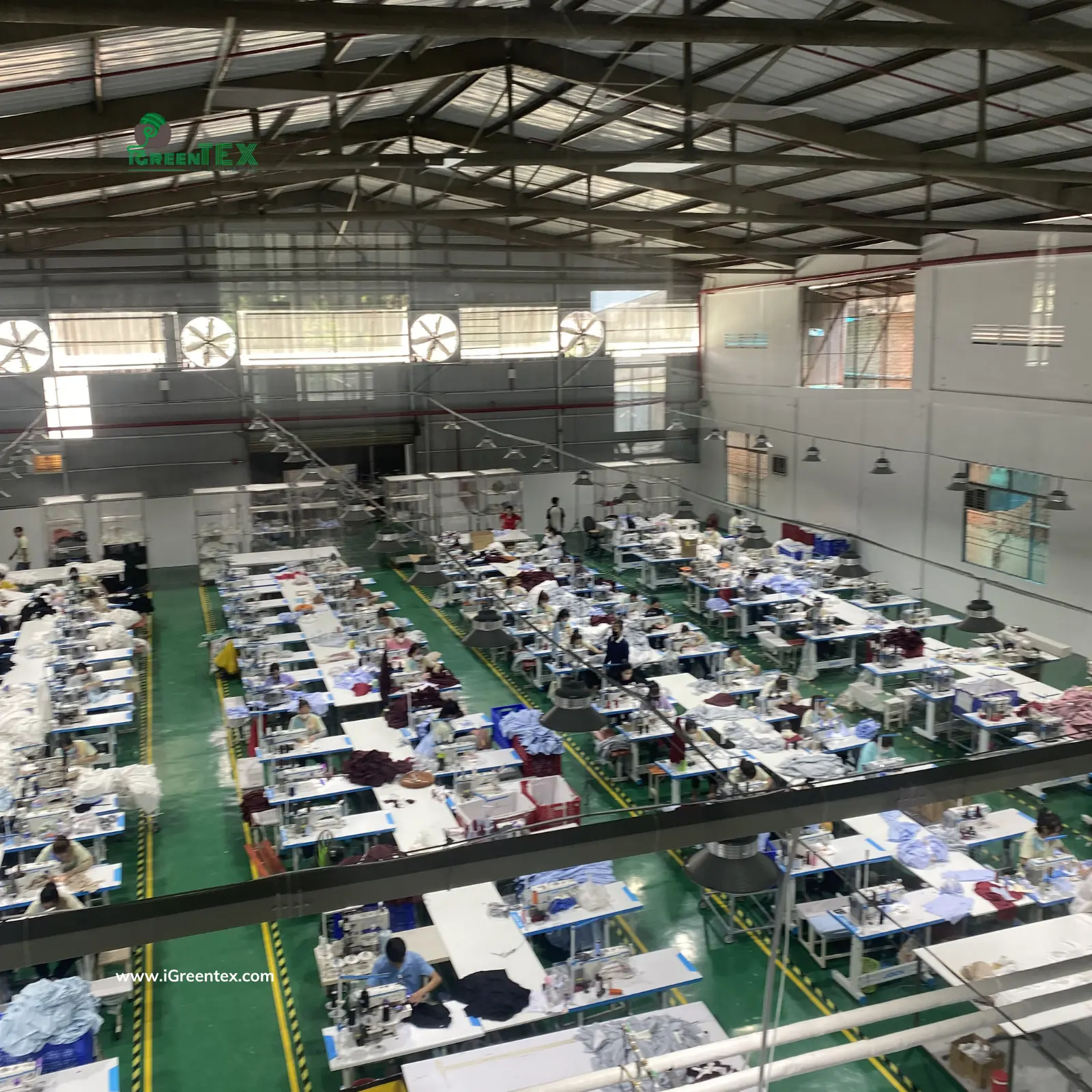
If you’re planning to develop a new apparel line or scale your production for the US market, choosing the wrong supplier at this stage can cost months of delay and thousands in rework. Partner with a reliable custom OEM clothing manufacturer to ensure your vision is executed with technical precision and stable lead times.
Scaling with Bulk Apparel Manufacturing
Scaling requires a shift in mindset from buying clothes to managing a production machine. Success in bulk apparel manufacturing depends on:
- Stable MOQs: Most professional factories in Vietnam, including iGreen Tex, optimize efficiency at 500–1000 pcs per style.
- Lead Time Management: Understanding the apparel production process from fabric knitting to final packing (usually 8-12 weeks).
- Supply Chain Transparency: Knowing where your raw materials are sourced to meet US import compliance.
Why Understanding Attire Matters for Procurement
Ultimately, knowing the difference between attire and apparel empowers a sourcing agent or buyer to negotiate better. When you speak the language of the factory, you can demand better apparel manufacturing standards and more accurate pricing.

By focusing on the attire (the end-use quality) and the apparel (the manufacturing volume), you create a balanced strategy that maximizes both brand value and profit margins.
Partner with iGreen Tex Vietnam
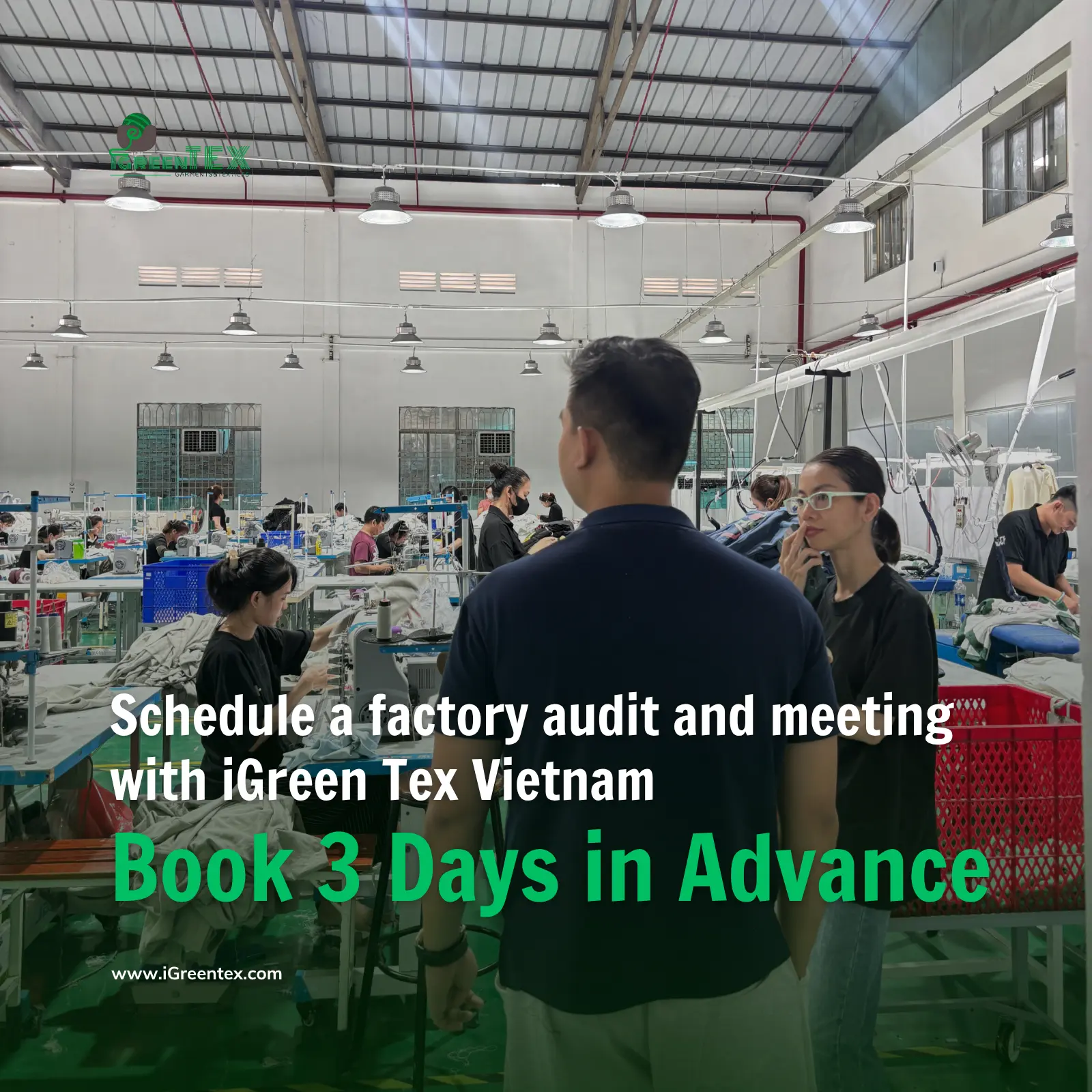
In the complex world of global fashion, the terms attire and apparel are the foundation of a successful sourcing strategy. Understanding these nuances helps sourcing managers avoid classification errors and build a more resilient clothing supply chain.
At iGreen Tex, we don’t just make clothes. We provide technical expertise in garment manufacturing for international brands. From t-shirt manufacturing to high-end polo shirt manufacturing, our systems are designed to meet the rigorous demands of the US and EU markets.
If you are ready to scale your production with a partner that understands both the technical and commercial sides of the business, please contact our garment factory in Vietnam. Our team is ready to assist you with professional sourcing advice, transparent pricing, and manufacturing excellence.
Address: No. 6-6A, D52 Street, Bay Hien Ward, Ho Chi Minh City, Vietnam
Email: info@iGreentex.com
WhatsApp / Hotline / Zalo: +84(0) 938 045 900