How to Start a Clothing Line Step by Step (2026 Strategy)
Building an apparel business requires creating a reliable product system. Many apparel brand owners fail within their first year. They do not fail because of bad designs or lack of creativity. They fail because they lack supply chain knowledge and mismanage cash flow. If you want to master how to start a clothing line step by step, you must stop thinking like a designer and start operating like a supply chain manager.
Building a brand requires a strict financial structure and reliable production partners. Learning how to start a clothing brand step by step requires financial discipline. You must know your exact profit margins, your lead times, and your customer acquisition costs. The reality of starting a clothing line for beginners step by step involves managing risk before managing inventory.
Can I start a clothing line with no experience?
Yes, but you need a systematic approach to operations. You do not need a fashion degree to succeed. You need basic product knowledge, clear market positioning, and the ability to manage cash. You must also understand how to communicate with factories effectively. A founder without experience must rely on data, market research, and structured supplier relationships rather than intuition alone.
What are the steps to start a clothing line?
Understanding the exact sequence of operations prevents wasted capital. Missing a phase will destroy your production timeline and tie up your funds in unsellable stock. These are the core steps to start a clothing line:
- Define a specific niche and gather market inspiration.
- Create your first product with detailed technical specifications.
- Validate market demand using real data, not opinions.
- Choose a realistic sales channel.
- Calculate your landed costs and required capital.
- Choose a scalable business model for production.
- Prepare for manufacturing and strict quality control.
- Launch strategically to build an initial customer base.
- Scale operations based on data.
This sequence is the realistic framework for how to create a clothing line step by step.
Step 1 – Define Your Niche and Gather Inspiration
Most founders choose a target market that is far too broad. “Streetwear” or “activewear” are no longer viable niches. They are massive categories dominated by highly capitalized brands. When researching starting a clothing line for beginners step by step, you must isolate a specific customer problem.
Instead of generic categories, look at modern, specific fashion segments. Examples include:
- Tech-integrated commuter wear: Clothing with hidden functional pockets and weather-proof fabrics designed specifically for office workers who commute by bicycle.
- Hyper-specialized athletic wear: Gear built strictly for niche sports, such as specific apparel for padel tennis or indoor rock climbing.
To find a profitable niche, you cannot just guess. However, as a beginner, you do not need to buy $10,000 enterprise trend reports. You can find real market gaps using free, highly effective tools:
- Google Trends: Check if search interest for a specific type of clothing (e.g., “heavyweight drop shoulder tee”) is growing or dying.
- Reddit Communities: Read threads in r/streetwearstartup or r/malefashionadvice. Look for “I wish a brand made X” comments.
- Amazon & TikTok Reviews: Go to the top-selling items in your broad category and read the 2-star and 3-star reviews. If 50 people complain that a shirt shrinks after one wash, you have found a problem you can solve.
Use this framework to build your brand foundation:
- WHO (The Target Customer): Define their lifestyle. Are they heavy lifters who struggle to find shirts that fit their shoulders?
- PROBLEM (The Pain Point): What frustrates this customer about current options?
- PRODUCT (The Specific Solution): How does your clothing fix their problem?
Niche clarity is the absolute foundation of how to start a clothing line step by step. (If you need a deeper methodology, read our guide on clothing niche research for beginners).
Finding Design Inspiration (Without Copying)
Once you know the problem you are solving, you need visual direction before moving to technical design. You must gather inspiration from the market, but use these resources for reference only. Copying designs entirely will destroy your brand identity.
Here are five platforms to study modern fashion design and track visual trends:
- Vogue Runway: For seasonal trend analysis and high-level design imagery.
- Behance (Fashion Design): A portfolio platform where designers upload new projects daily.
- Fashionary: Offers specialized design templates and color trends.
- Designspiration: Aggregates fashion moodboards and community-driven design concepts.
- Dribbble (Fashion): Showcases brand concepts and freelance apparel projects.
Step 2 – Create Your First Core Product
Do not launch fifteen different items at once. Large collections require massive capital, complicate production, and split your marketing focus. Unsold inventory is the leading cause of bankruptcy for apparel startups. Knowing how to start a clothing brand step by step means starting lean. Focus on one to three core products.
Actionable Guidance on Tech Packs
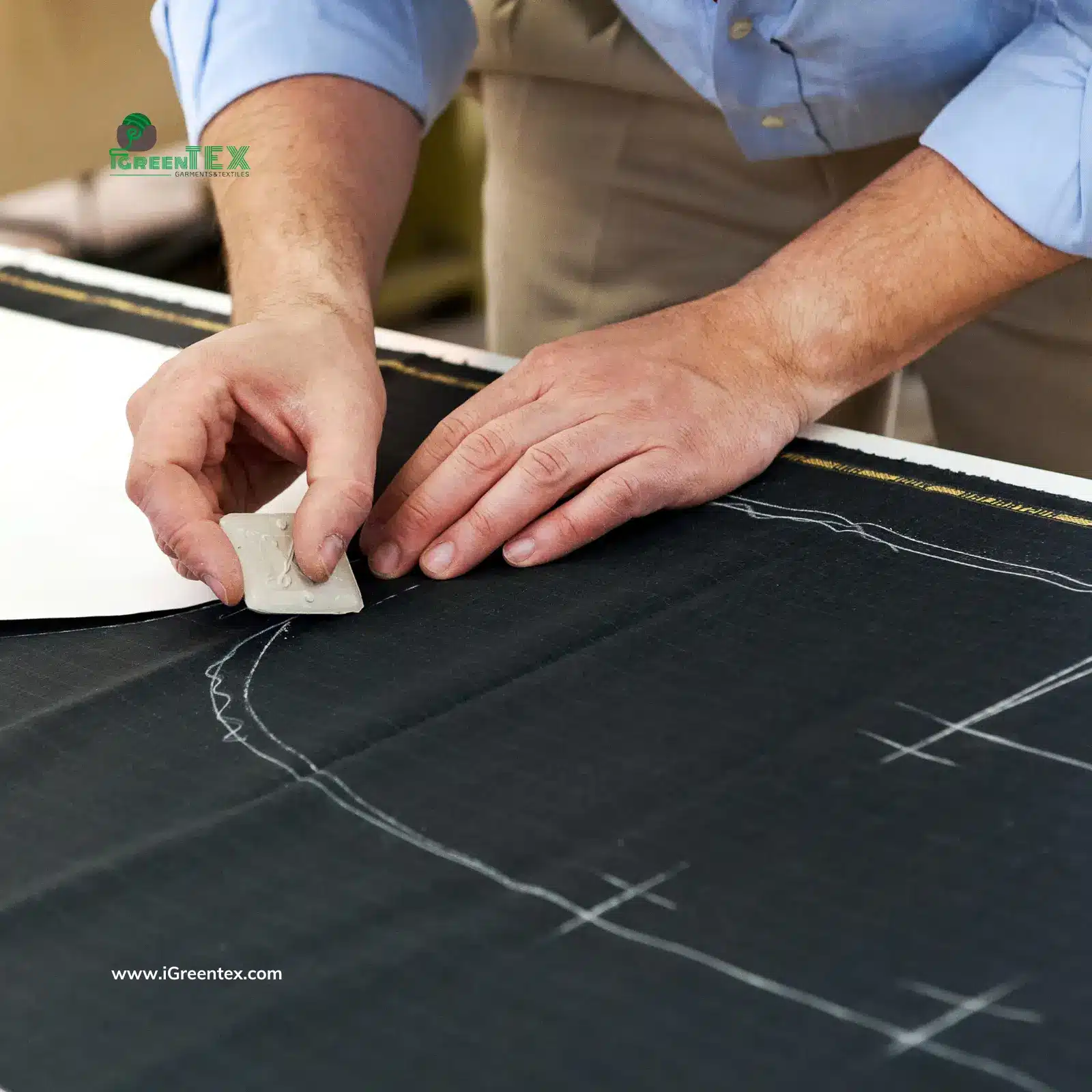
Once you have your unique concept, you cannot just send a sketch to a factory. You must prepare technical elements. The most critical document is the Tech Pack.
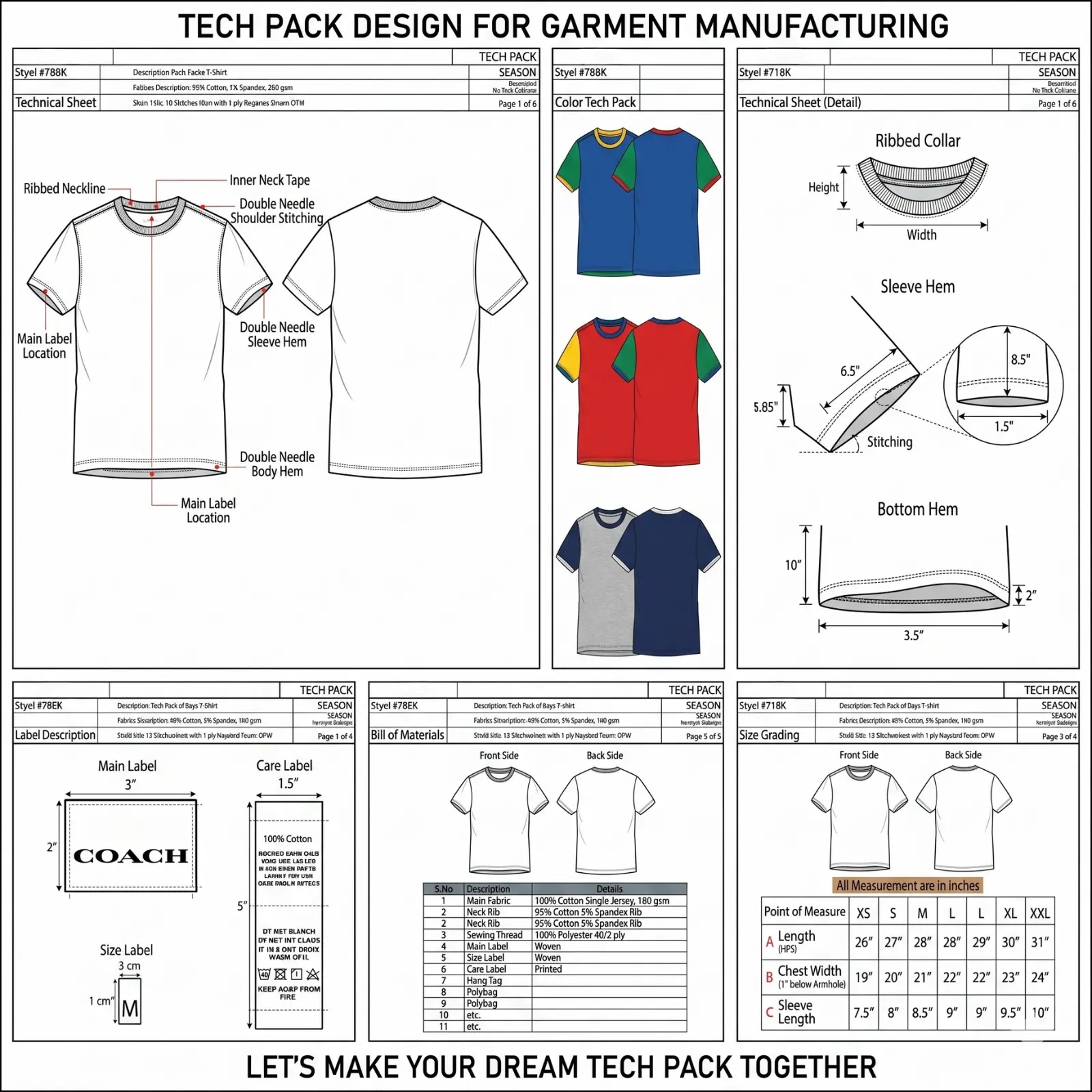
A Tech Pack is the blueprint for your factory. Without it, the factory will guess your measurements, leading to failed samples and wasted money.
If you are a beginner, do not create this yourself. Hire a freelance technical designer on platforms like Upwork or Fiverr (usually costing $100–$300 per style). Provide them with your reference images, and they will build the document containing:
- Bill of Materials (BOM): Specific fabric weights, zipper types, and button details.
- Graded Spec Sheet: Exact measurements for every size you plan to offer (S, M, L, XL).
- Construction Details: Specific sewing instructions (e.g., double-needle hem, flatlock stitching).
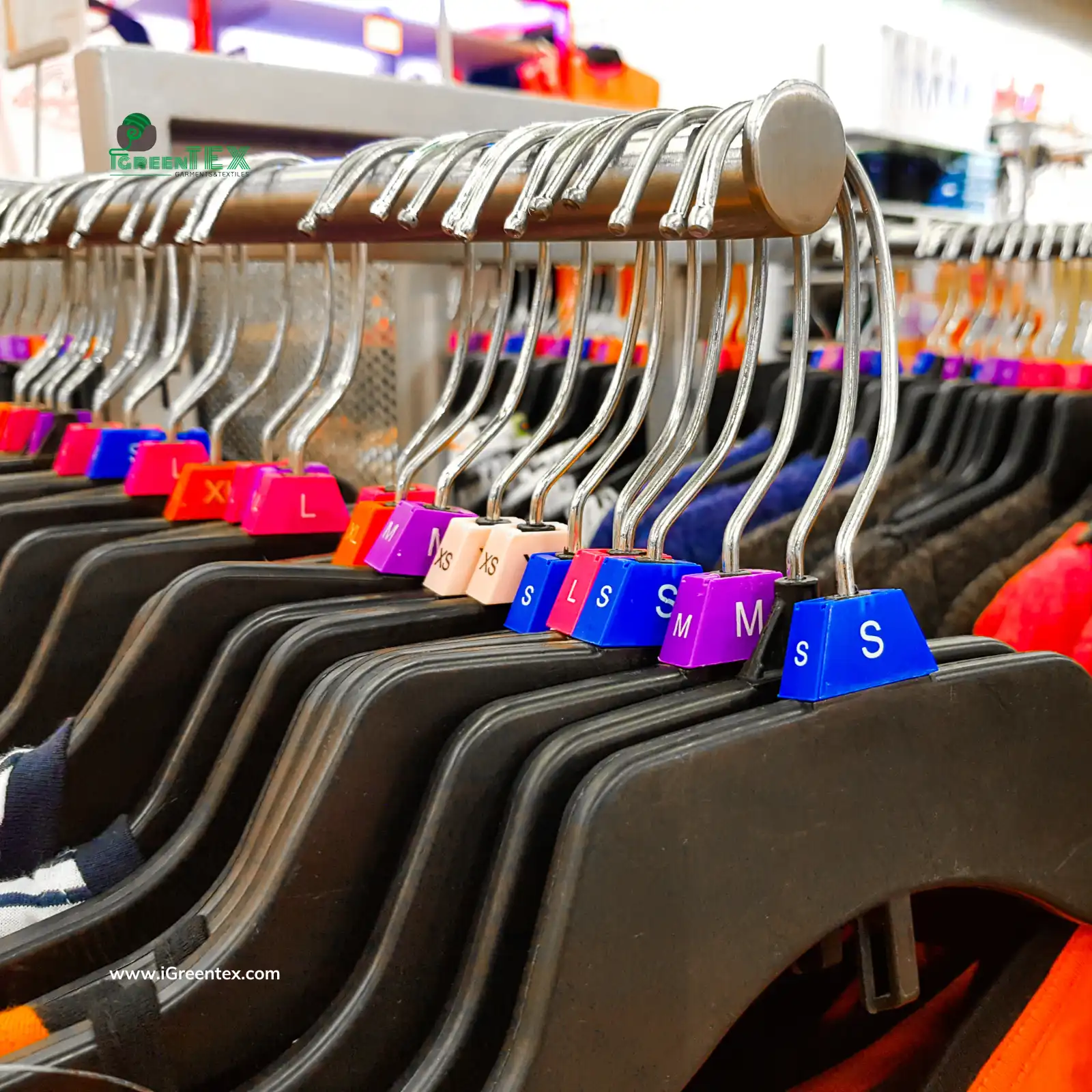
This technical approach simplifies how to create a clothing line step by step. (For a complete breakdown, see our article on how to create a tech pack for clothing).
Step 3 – Validate Demand Before Manufacturing
You must prove people will actually pay for your product before you pay a factory to produce it. Following the right steps to start a clothing line requires strict market validation.
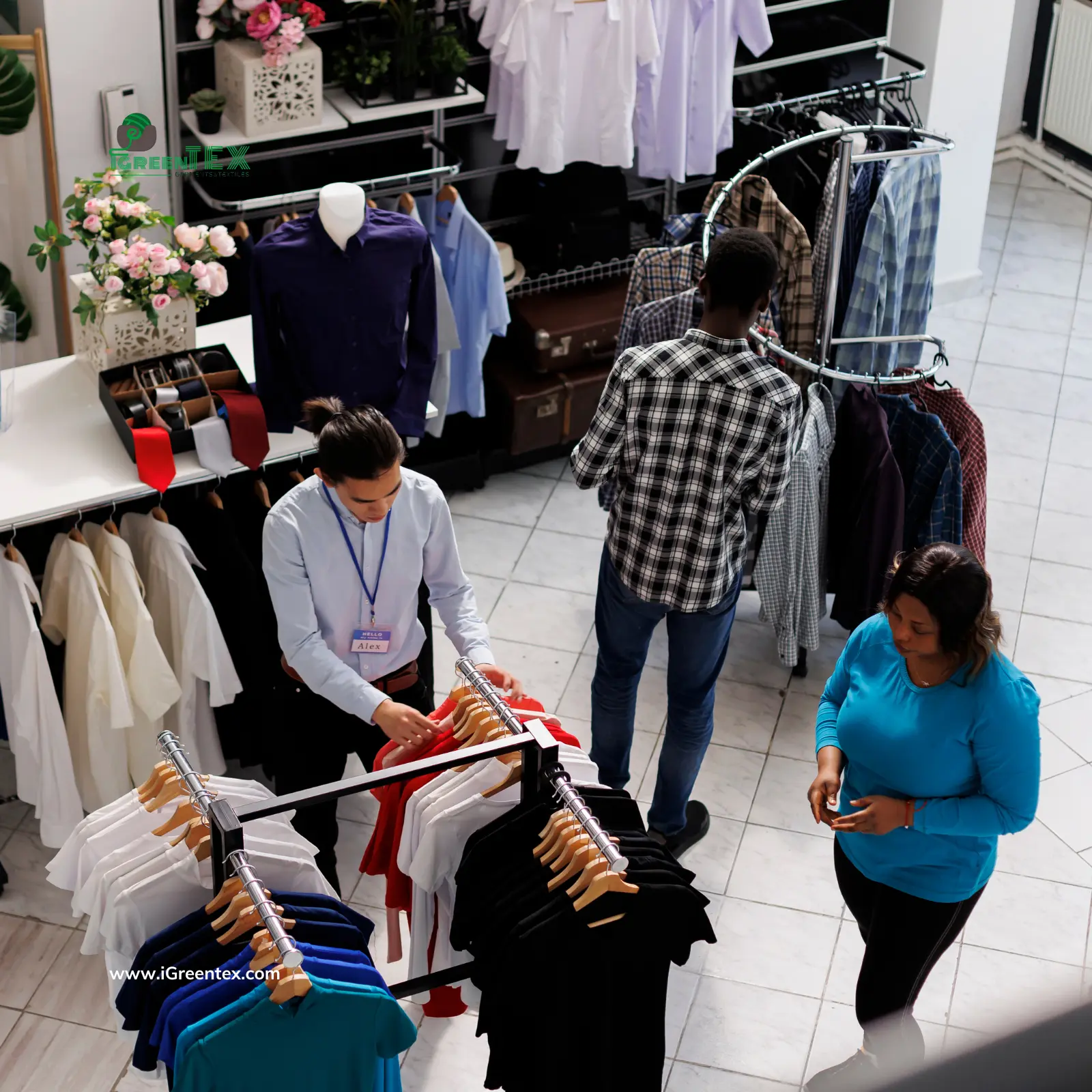
How to Test the Market Simply
You do not need to understand complex digital marketing metrics yet. You need direct customer feedback.
- Local Pop-up Events: Print a small batch of your first design. Book a booth at a local market or community gathering related to your niche. If strangers buy your product at full price, your idea is validated.
- Organic Pre-orders: Show your physical sample or a high-quality 3D mockup to your network or social media followers. Ask them to pay upfront at a discount to fund the production.
Validating early is exactly how to start a clothing line step by step without burning capital. (Learn more about executing the pre-order strategy for clothing brands).
Step 4 – Choose Your Sales Channel
Once you know people want your product, you must decide how to sell it. Understanding your sales channel early dictates your required budget.
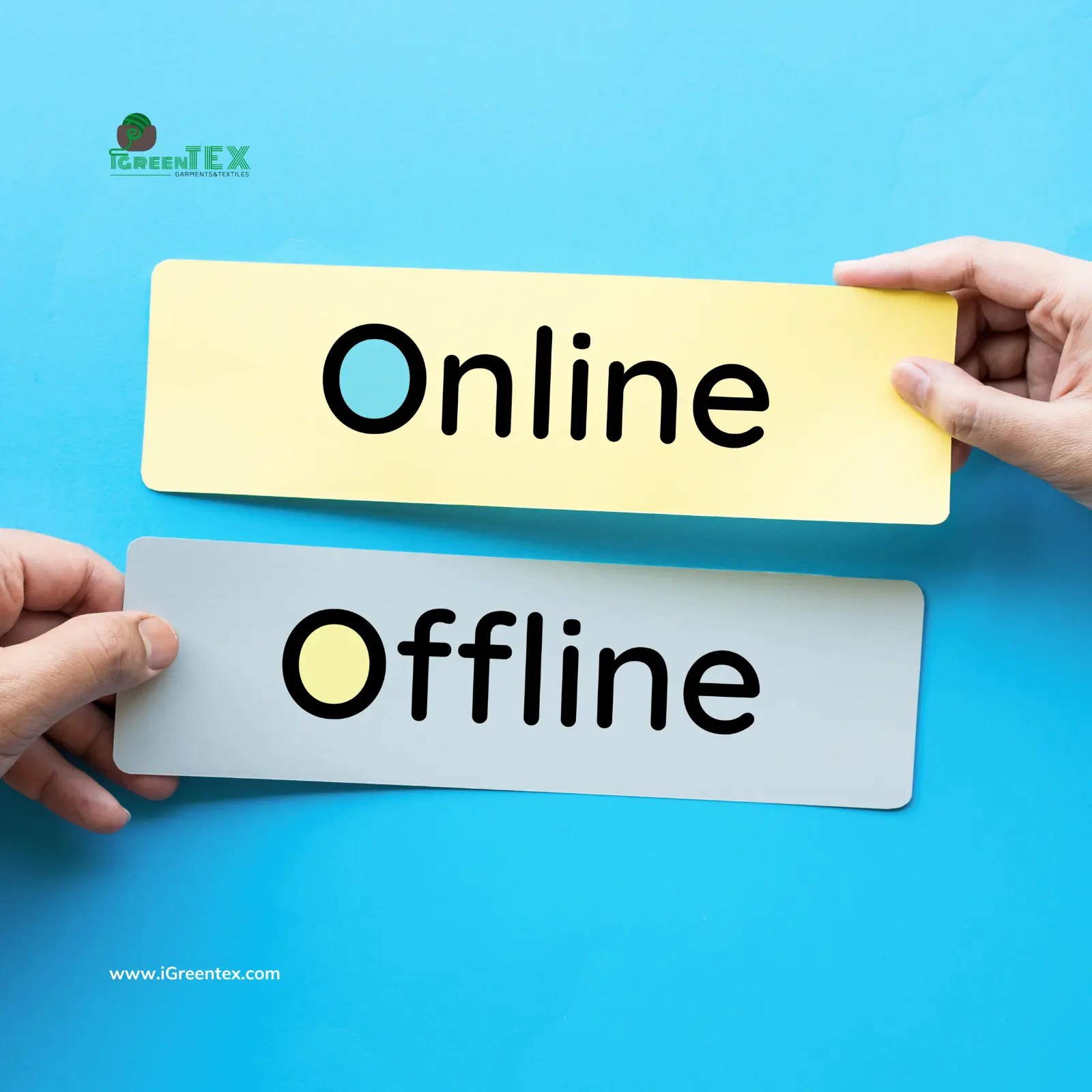
Option 1: Online E-commerce (Recommended for Beginners) This is the standard route when starting a clothing line for beginners step by step. You sell through an independent website (like Shopify). The initial setup cost is low ($500 – $2,000). You hold lean inventory in a small room or use a third-party fulfillment center. Your primary expense will be online ad spend (social media, search engines) to generate direct orders.
Option 2: Physical Retail (High Risk) Opening a physical store requires a massive upfront investment ($10,000 – $50,000+ for rent deposits, fixtures, and permits). Your monthly operational costs will be high, and you must hold heavy inventory to fill the shelves. Choose this option only if you have significant financial capital.
Step 5 – Understand Capital Requirements
Financial planning dictates your survival. You must calculate your margins precisely before placing any orders. Margin calculation is critical for starting a clothing line for beginners step by step.
How much does it cost to start a clothing line in the US?
Here is a baseline for launching with custom online production:
| Cost Category | Estimated Range (USD) | Business Impact |
|---|---|---|
| Design & Tech Packs | $300 – $1,500 | Ensures factory accuracy. |
| Sampling Phase | $200 – $800 | Validates fit and fabric quality. |
| Bulk Production | $2,000 – $10,000 | Secures your initial sellable inventory. |
| Digital & Marketing | $1,500 – $4,000 | Store setup and initial ads. |
Why is the Production Cost Range So Wide?
The $2,000–$10,000 range depends entirely on your product complexity and order volume. Let’s look at a concrete example of Landed Cost.
Example: 500 T-shirts
- If the factory cost (FOB price) is $7 per shirt, your bulk invoice is $3,500.
- You must calculate the Landed Cost (factory price + shipping + import duties).
- If shipping and duties add $3 per shirt, your true cost is $10 per unit. You need $5,000 in capital just to get those 500 shirts to your door.
Understanding landed cost is central to how to start a clothing line step by step.
Step 6 – Choose Your Business Model
Your business model defines your entire supply chain. Learning how to start a clothing brand step by step requires choosing a scalable path.
| Business Model | How It Works | The Pros | The Cons |
|---|---|---|---|
| Print-on-Demand (POD) | 3rd party prints your design on blank shirts when ordered. | Zero inventory risk. | Lowest profit margins. Zero control over fit. |
| Private Label | You buy bulk blank garments and sew your tags on them. | Faster launch. | You cannot change the structural design. |
| Custom OEM | A factory cuts and sews the garment from scratch to your exact specs. | Total brand control. Unique fits. | Requires higher upfront capital and strict management. |
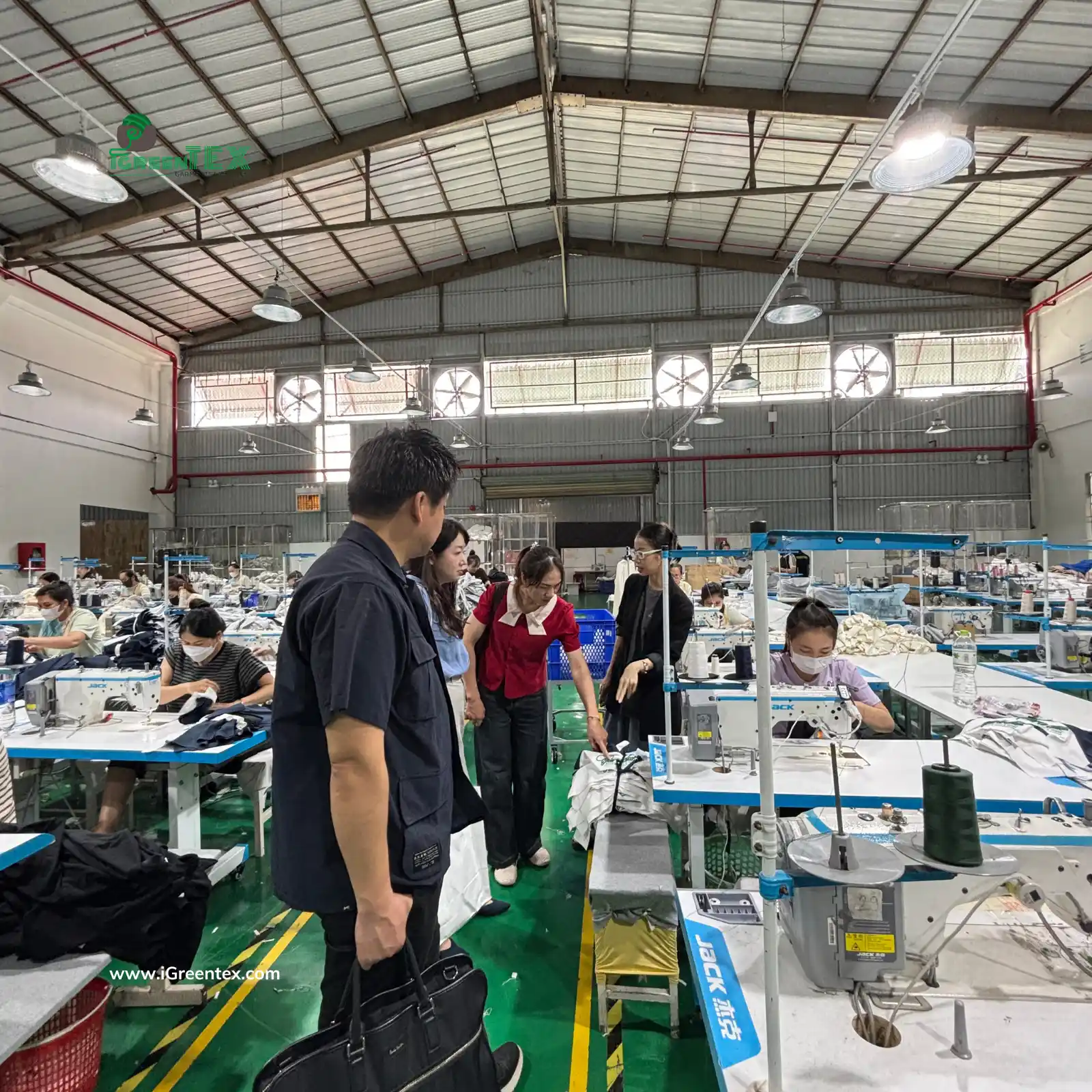
If you want full brand control and unique products, custom production is required. For brands seeking total quality control, working directly with an OEM clothing manufacturer is the most strategic decision you can make. (Compare models further in private label vs custom clothing production).
Step 7 – Prepare for Production and Timelines
Production requires strict protocols. A factory executes based on the data you provide. Following the steps to start a clothing line means mapping out your production calendar meticulously. Do not expect to have products ready to sell in two weeks.
The Standard Production Timeline
You must understand the sampling phases and the time required for each:
- Fit Sample (2 to 3 weeks): The first prototype to check dimensions. It is usually made with available stock fabric, not your final custom color.
- Pre-Production Sample / PPS (2 to 4 weeks): A fully finished sample in your exact fabric and color. Bulk production only starts after you approve the PPS in writing.
- Bulk Production & TOP (4 to 8 weeks): The factory cuts and sews the full order. During this phase, they pull a “Top of Production” (TOP) sample to verify consistency.
Total Estimated Timeline: From sending the Tech Pack to receiving bulk goods, expect 8 to 15 weeks.
The Validation Production Run (500 Pieces)
When moving to bulk, a standard order for a new brand is typically around 500 pieces per style. This volume is strategic. Setting up cutting machines and sewing lines requires a minimum scale to be cost-effective. If a factory runs an order of 50 pieces, they lose money, or they charge you an astronomical unit price that destroys your profit margin. (Read our detailed breakdown on Low MOQ Clothing Manufacturers: What to Expect).
Choosing the wrong factory at this stage is the most expensive mistake a founder can make. Read our guide on How to Find the Best Clothing Manufacturer and learn What to Look for in a Vietnam Clothing Manufacturer to avoid costly delays. This preparation defines how to start a clothing line step by step in real operations.
Step 8 – Build Your Brand and Launch Strategy
Let’s break this down simply. Many beginners just turn on their website and wait for sales. This does not work. If no one knows your store exists, you will get zero traffic. To truly master how to start a clothing line step by step, you must build an audience before your product is ready to sell.
When starting a clothing line for beginners step by step, the biggest mistake is spending all your capital on inventory and having no one to buy it. You need to gather potential buyers weeks in advance.
How do beginners launch a clothing line successfully?
Beginners succeed by controlling the narrative and utilizing scarcity.
- Build an Email List First: Do not open your store until you have captured emails. If your conversion rate is 2%, you need 1,000 emails to guarantee 20 initial orders.
- Implement Limited Drops: Release a specific, small amount of inventory. Communicate clearly that once the stock is gone, it will not be restocked immediately.
- Document the Process: Use short-form video to show the reality of building the brand. Show your samples and talk about your challenges.
By following these specific steps to start a clothing line, you guarantee that on launch day, you actually have buyers waiting.
Step 9 – Scale Operations Wisely
Scaling simply means increasing your sales volume without breaking your supply chain. If your marketing generates 1,000 orders, but your factory needs three months to restock, your customers will cancel their orders and leave negative reviews. Learning how to start a clothing brand step by step means understanding that your marketing speed must never exceed your manufacturing speed.
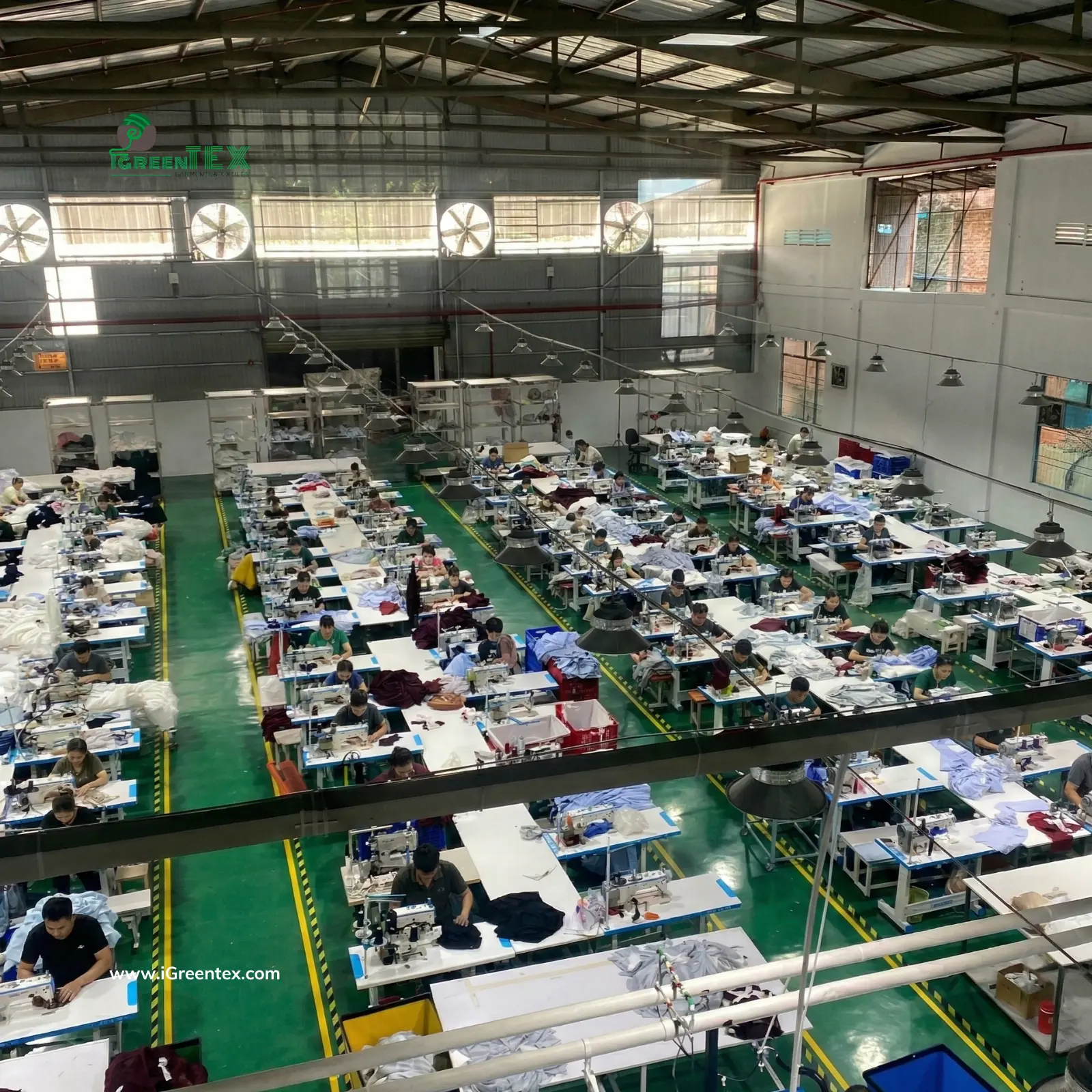
Focus on optimizing operations smoothly:
- Monitor your inventory cycles: Set strict reorder points so you place new factory orders before running out of stock.
- Improve your margins: Negotiate better freight rates or consolidate shipments as your order volumes increase.
Mastering this operational balance is how to create a clothing line step by step effectively. Once your inventory and sales are stable, you have a functional business.
The Part Most Guides Ignore: Running a Clothing Business
Launching is a milestone. Running the business afterward is the actual job. Once your first drop sells out, three problems will appear that most guides on how to start a clothing line step by step fail to warn you about:
1. Sizing Complaints and Return Management No apparel brand avoids returns. The operational question is: how do you handle them? You must define a clear return policy. Who pays for the return shipping? More importantly, you must use return data. If 20% of customers return a hoodie because it is too tight in the chest, you must update your Tech Pack for the next production run.
2. Repeat Customers vs. Customer Acquisition Cost (CAC) You sold 200 shirts on launch day. Who do you sell to next month? The cost to acquire a new customer through online ads is constantly rising. It is often higher than the profit of the first order. Successful brands survive by focusing on Lifetime Value (LTV). You must set up email marketing to turn a one-time buyer into a repeat customer.
3. Brand Legal Basics (Trademark and IP) When your brand starts gaining traction, your brand name and logo become valuable assets. Many founders ignore this until another company uses a similar name. Registering your trademark early is relatively inexpensive. Fighting a legal battle over an unregistered name later will drain your capital.
Final Thoughts: The Variable You Cannot Control Alone
At this point in your journey of learning how to start a clothing line step by step, the single biggest variable you cannot control through planning alone is your manufacturing partner. You can have the perfect tech pack and a highly converting landing page, but if your factory delivers late or fails quality inspection, your business stalls.
Your factory partner dictates your landed cost, your product quality, and ultimately, your brand’s reputation.
If you have validated your product and are looking for a reliable, structured production system, this is where we step in. iGreen Tex is a garment manufacturing partner based in Vietnam, specializing in full-package OEM production. We operate on transparency, multi-stage quality control, and strict adherence to technical specifications.
If you are ready to move from concept to a stable supply chain, contact our team for a manufacturing consultation. We will help you evaluate if your project is ready for bulk production.