Best Countries for Clothing Manufacturing in 2026
The global apparel industry is not the same place it was three years ago. Sourcing managers and apparel brand owners who built their production strategy around a single country are now facing real consequences — unexpected tariff increases, shipping disruptions, geopolitical tension, and supplier instability.
Choosing the best countries for clothing manufacturing in 2026 is no longer a simple price comparison exercise. It is a strategic decision that directly impacts your supply chain resilience, delivery reliability, and long-term brand growth.
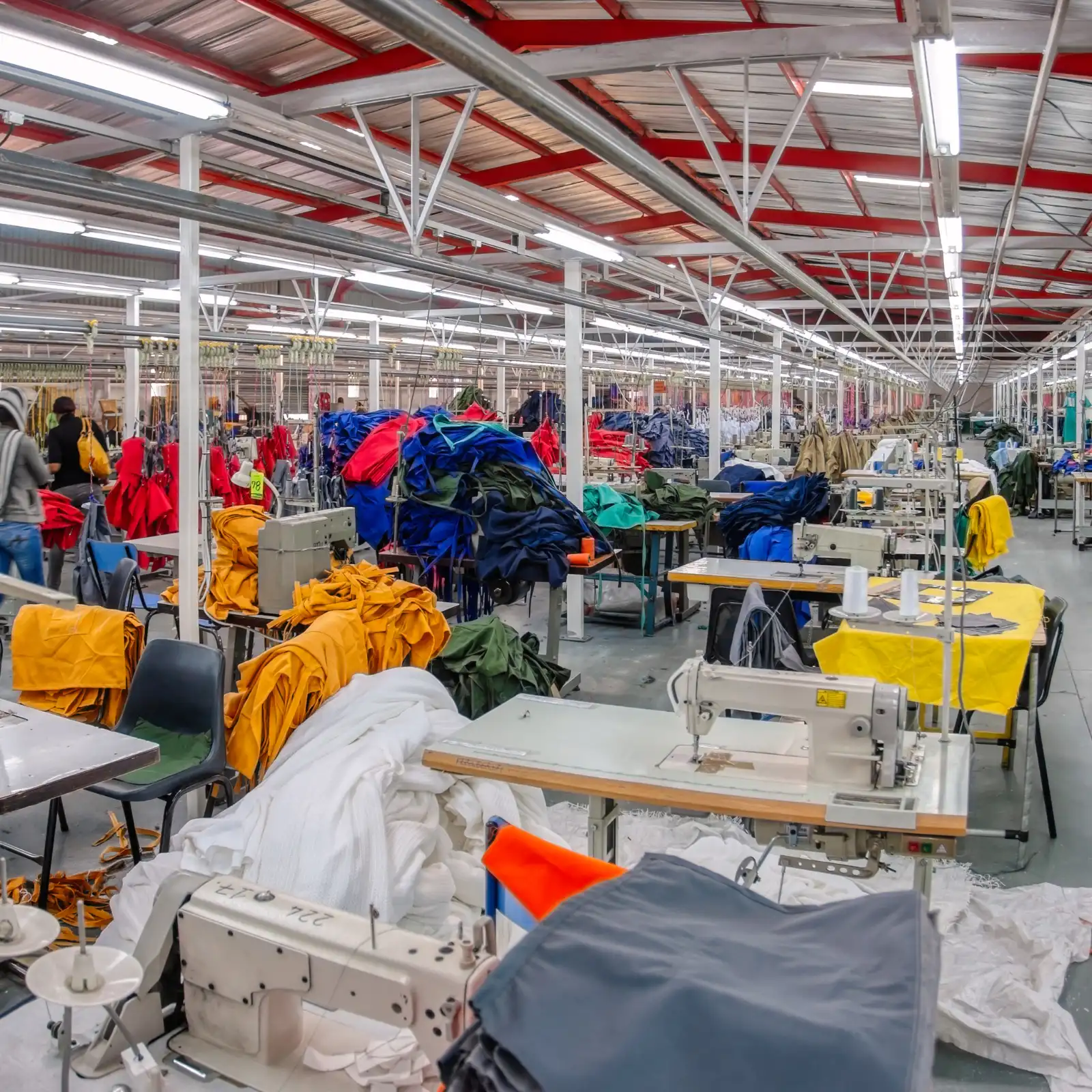
When sourcing managers search for the best countries for apparel manufacturing, they are increasingly looking for geopolitical safety, logistics reliability, and communication quality — not just the lowest price on a factory quote.
This article is written for procurement teams, brand founders, and sourcing agents who are actively evaluating or re-evaluating their production geography. You will find a structured comparison of the top clothing manufacturing countries, analysis of what makes each one strong or weak for different sourcing strategies, and a clear framework for deciding which country fits your business model in today’s market environment.
How Global Events Are Changing the Apparel Industry in 2026
The sourcing decisions that made sense in 2019 or even 2022 may no longer protect your supply chain today. A combination of policy changes, economic pressure, and shifting trade dynamics has fundamentally altered how clothing brands evaluate manufacturing locations.
Understanding these shifts is the first step before comparing any country. If you skip this context and go straight to price comparison, you are solving the wrong problem.
Why Apparel Brands Are Reconsidering Their Manufacturing Strategy
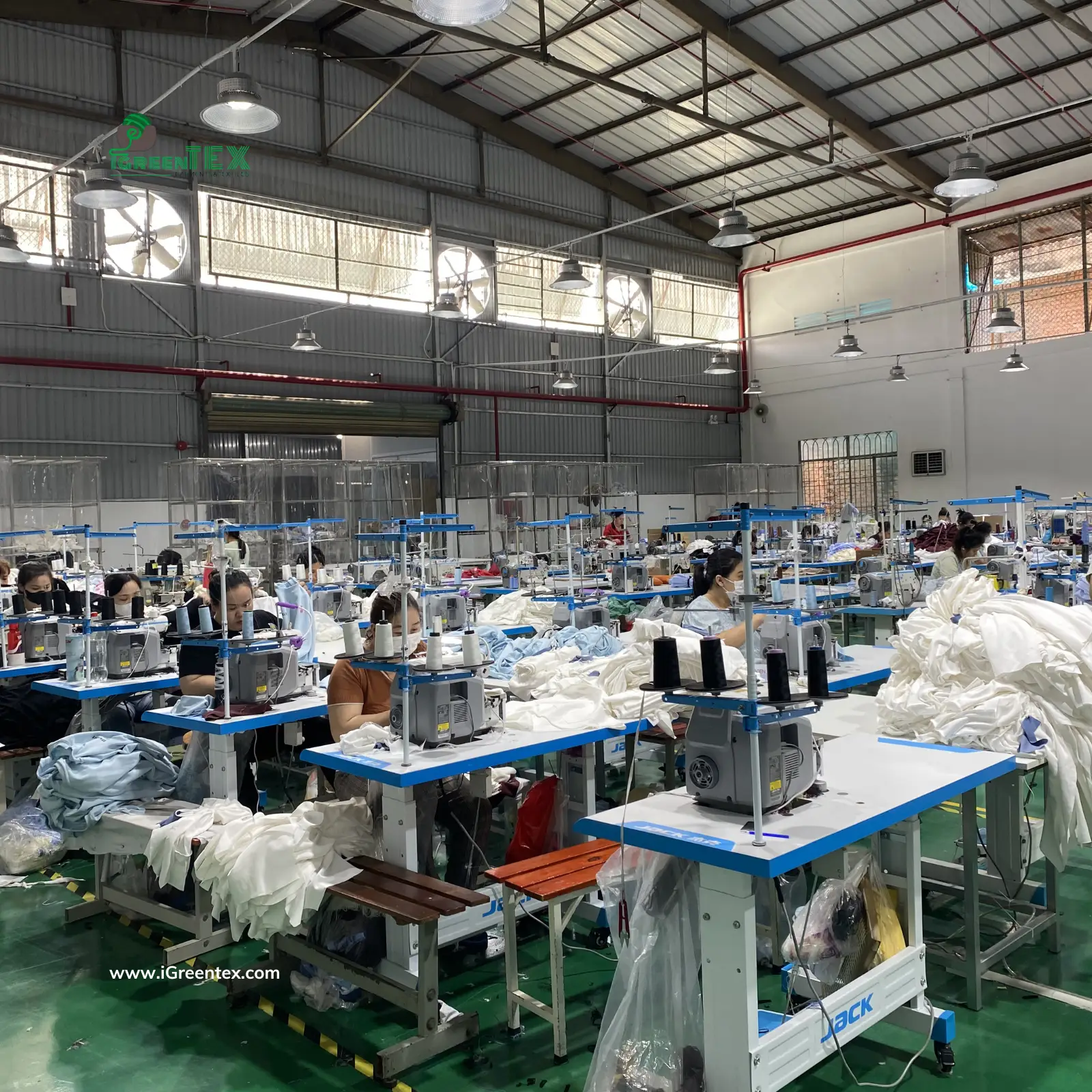
For most of the last two decades, apparel sourcing was primarily driven by one factor: cost per unit. That era is over. Sourcing managers at global clothing brands are now evaluating supplier countries through a much more demanding lens.
The question is no longer just “where is the cheapest production?” It has become: “Which country can deliver consistently, communicate clearly, and remain politically and logistically stable over a three-to-five-year sourcing horizon?”
Several high-profile supply chain failures over the past few years demonstrated what happens when production is concentrated in a single high-risk geography. Brands experienced:
- Multi-month shipping delays that wiped out seasonal inventory windows
- Sudden tariff increases that destroyed margin forecasts overnight
- Communication breakdowns that led to incorrect bulk production runs
- Factory closures due to geopolitical instability or pandemic restrictions
These are not hypothetical risks. They have cost real apparel brands real revenue. As a result, sourcing transparency, supplier reliability, and production consistency have moved to the top of every procurement manager’s evaluation checklist. The apparel sourcing landscape is being rebuilt with stability as the foundation, not cost alone.

The Rise of the China Plus One Strategy
One of the most significant global sourcing trends in 2026 is the acceleration of the China Plus One strategy. This approach, which first gained traction around 2018, involves maintaining some production in China while deliberately building a second manufacturing base in a different country. The goal is risk diversification, not replacement.
The China Plus One strategy is driven by several converging pressures:
- US-China trade tariffs that have significantly increased the landed cost of Chinese-made goods in the American market
- Geopolitical uncertainty that makes single-country dependency a boardroom-level risk
- Rising labor costs in China that have eroded its traditional cost advantage, especially for basic and mid-tier apparel categories
- Buyer preference for sourcing diversification as a supply chain resilience measure
Vietnam, India, and Bangladesh have all benefited from manufacturing relocation driven by this strategy. Each country has attracted significant foreign investment in apparel infrastructure as brands and factories follow the diversification trend. Understanding which of these destinations fits your specific production profile is what this article addresses next.
Rising Labor Costs and Supply Chain Pressure Across Key Markets
Beyond China, labor cost comparison has become a more complex exercise across all major apparel sourcing markets. Countries that were low-cost five years ago have seen meaningful wage growth. Shipping rates, while stabilizing after post-pandemic peaks, remain structurally higher than pre-2020 levels. MOQ (Minimum Order Quantity) requirements have also shifted as factories prioritize efficiency over small-run flexibility.
The practical impact for procurement teams is straightforward: your cost model needs to account for more variables than ever. Lead time comparison across countries now factors in not just production days, but port congestion, customs clearance reliability, and geopolitical risks affecting shipping routes. Sourcing stability has become a measurable asset, not just an abstract preference.
What Sourcing Managers Look for When Choosing a Manufacturing Country
Before comparing specific countries, it is worth establishing the evaluation framework that experienced sourcing managers and procurement teams are actually using in 2026. This framework has evolved considerably from the cost-first model of the past.
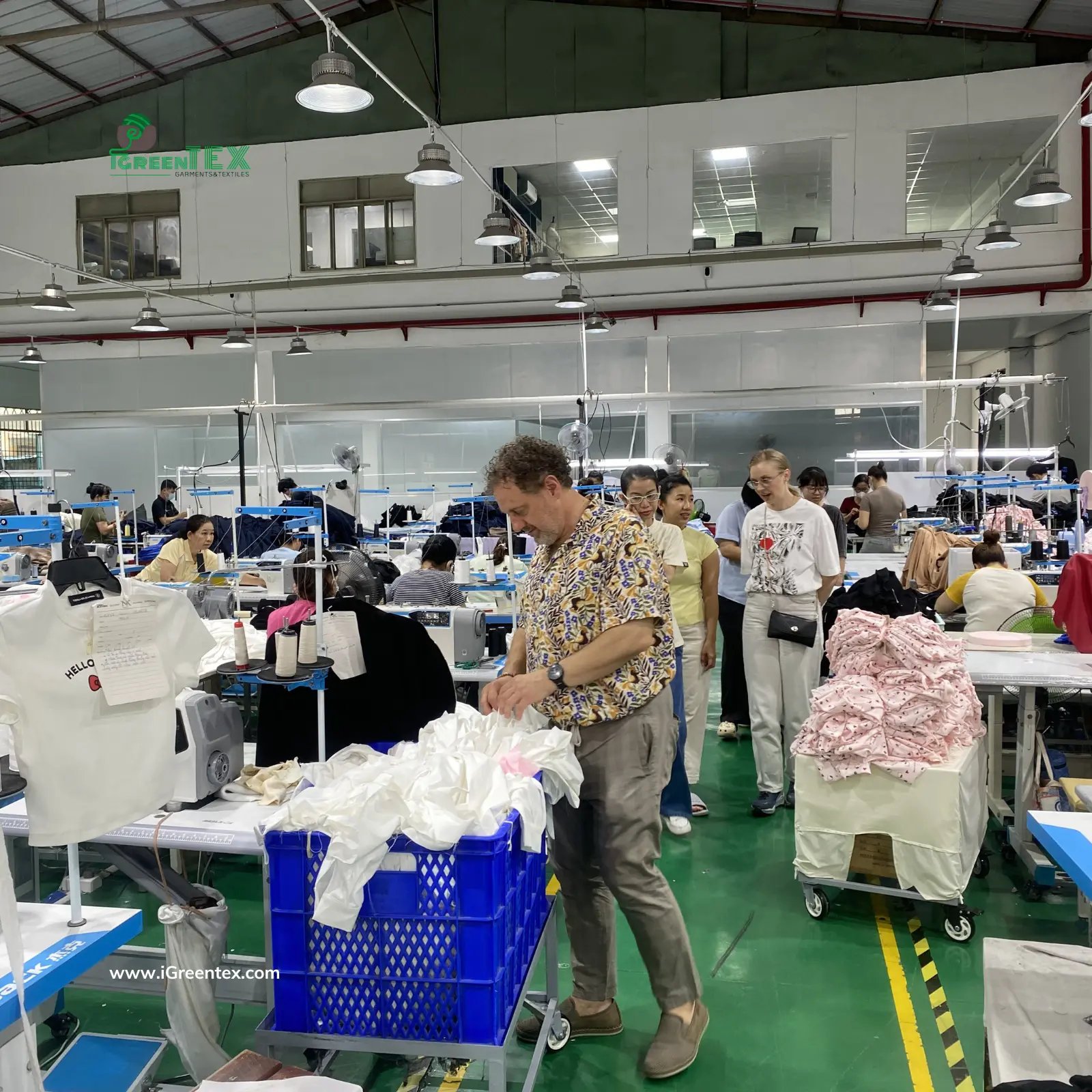
Cost Is No Longer the Only Decision Factor
The most sophisticated apparel brand owners and procurement teams evaluate a country across at least five dimensions before shortlisting suppliers:
- Cost competitiveness — Not just unit price, but total landed cost including freight, tariffs, and quality rework risk
- Political and trade stability — Geopolitical risks, trade agreement status, and tariff exposure for your target market
- Logistics reliability — Port infrastructure, average transit times, and shipping disruption history
- Supplier communication quality — English proficiency, response time, and the ability to resolve production issues remotely
- Scalability and flexibility — Can the country’s supplier ecosystem grow with your brand without compromising quality?
Sourcing managers who prioritize only the first factor consistently run into problems with the other four. A low unit price means nothing if a shipment is delayed two months or arrives with significant defect rates.
Stability Matters More Than Cheap Pricing
This point deserves a dedicated discussion because it is the most common error in early-stage sourcing decisions. A country with very low labor costs may appear highly attractive on a spreadsheet. In practice, low-cost manufacturing environments often carry hidden costs: inconsistent supplier quality, limited factory transparency, communication barriers that create production errors, and political risks that can disrupt shipping at any time.
Procurement teams with long-term sourcing horizons are actively looking for countries that offer stable manufacturing environments — locations where the regulatory environment is predictable, factories operate to documented quality systems, and the export infrastructure is reliable. The concept of a long-term manufacturing partner has replaced the older model of transactional factory relationships.
This is why experienced clothing brands working toward 2026 sourcing strategies are often willing to pay a modest premium per unit for a manufacturing country that delivers consistent quality, reliable communication, and predictable lead times.
Communication and Speed Now Influence Sourcing Decisions
A dimension that rarely appears in cost-per-unit analysis — but appears constantly in real sourcing decisions — is communication quality. For procurement teams based in the US, EU, or UK, the ability to work with a manufacturing country’s supplier ecosystem in clear English, with fast response times and manageable time zone differences, directly impacts production efficiency.
Sample approval cycles, pre-production adjustments, and quality issue resolution all depend on smooth communication between buyer and factory. Countries where factories have invested in English-speaking teams and international communication systems have a real advantage in attracting and retaining sourcing partnerships. Sourcing transparency — the ability to get clear, timely information about production status — has become a genuine competitive factor among clothing manufacturing countries.
Top Clothing Manufacturing Countries in 2026
Below is a strategic assessment of the most important clothing manufacturing countries for apparel brands currently evaluating or diversifying their sourcing geography. Each country is assessed on its strategic positioning, key strengths, material weaknesses, and the type of brand or sourcing strategy it fits best.
China — Best for Large-Scale Manufacturing Ecosystems
Strategic Positioning: China remains the world’s most complete apparel production ecosystem. No other country matches its combination of manufacturing infrastructure depth, raw material access, vertical integration, and production scalability. For sourcing managers handling massive volumes or highly complex apparel categories, China’s supplier network has no peer.
Key Strengths:
- Complete supply chain ecosystem from fiber to finished garment within domestic borders
- Massive production capacity that can absorb very large order volumes
- Advanced technical capabilities in complex categories like outerwear, performance sportswear, and technical fabrics
- Established logistics networks with deep experience in international export
Key Weaknesses:
- Significant tariff exposure for brands selling into the US market, currently adding 20–35%+ to landed costs for many categories
- Labor costs that have risen substantially compared to a decade ago
- Geopolitical risks that create long-term sourcing uncertainty for US and EU brands
- Growing pressure from procurement teams and retail buyers to demonstrate supply chain diversification
Best For: Apparel brand owners handling very large volumes (100,000+ units per style), complex technical garments requiring deep infrastructure, or brands with a China-specific market focus. If you are building a multi-country strategy, China often serves as the high-volume anchor while other countries handle more flexible or speed-sensitive production.
If you are currently sourcing from China and evaluating a diversification strategy, the Vietnam vs China manufacturing cost 2026 comparison provides a detailed breakdown of the cost and risk tradeoffs between these two destinations.
Learn More:
For many apparel brands, evaluating a manufacturing destination goes beyond production volume alone. After assessing manufacturing scale, the next step is understanding how each country performs in terms of export garment quality and overall production capabilities.
Continue your comparison with:
Together, these guides provide a broader view of how Vietnam and China compare from both a quality and manufacturing capacity perspective, helping buyers make more informed sourcing decisions.
Vietnam — Best Balance Between Stability, Quality, and Flexibility
Strategic Positioning: Vietnam has emerged as the most consistently recommended sourcing destination among procurement teams evaluating the best countries for apparel manufacturing in 2026. It offers a rare combination of competitive pricing, strong export growth trajectory, political stability, and improving supplier communication quality. For clothing brands that need reliable production without the geopolitical exposure of China, Vietnam has become the default first choice.
Key Strengths:
- Strong trade agreement portfolio — CPTPP, EVFTA, and UKVFTA give Vietnam-origin goods preferential tariff treatment in major markets
- Competitive labor costs relative to China, with a strong and growing skilled garment workforce
- Political and regulatory stability that gives sourcing managers multi-year confidence in their partnerships
- Improving English communication skills across the factory ecosystem
- Flexible capacity suited to mid-to-large MOQ production (typically 500–5,000 units per style)
Key Weaknesses:
- Vietnam still imports a significant portion of its raw textile materials, primarily from China and Taiwan, which can affect lead times for fabric-dependent styles
- Factory ecosystem is still maturing in some technical apparel segments compared to China
Best For: Clothing brands, private label importers, and sourcing agents looking for a reliable long-term production partner. Vietnam works especially well for brands in the US, EU, and UK markets that need competitive pricing, strong communication, and geopolitical safety — without the compromises of ultra-low-cost countries.
The Vietnam garment manufacturing cost breakdown provides current data on labor rates, FOB pricing ranges, and cost structures across key categories produced in Vietnam.
For sourcing managers and merchandisers building a shortlist of reliable suppliers, the Garment manufacturers in Vietnam List covers the top-tier factories currently working with international brands.
Bangladesh — Best for Ultra-Low-Cost Bulk Production
Strategic Positioning: Bangladesh is the world’s second-largest garment exporter and the dominant choice for ultra-low-cost bulk apparel production. Its strength is concentrated in basic knitwear categories — T-shirts, polo shirts, sweatshirts, and similar commodity garments — where it produces at massive scale.
Key Strengths:
- The lowest labor costs among major clothing manufacturing countries, making it extremely competitive on unit pricing for basics
- A strong knitwear manufacturing ecosystem with extensive vertical integration in knit fabric and cut-and-sew production
- Significant export infrastructure built specifically for US and EU markets
- Preferential market access to the EU under the Everything But Arms (EBA) scheme
Key Weaknesses:
- Limited flexibility for brands that need complex constructions, woven garments, or frequent style changes
- Communication consistency varies significantly across supplier tiers
- Lead times can be longer than other destinations due to raw material import dependency
- Supplier vetting and quality consistency require careful management
Best For: US or EU importers, wholesalers, and retail chains sourcing very high volumes of basic knitwear where unit price is the primary driver. Not recommended for brands that need frequent design iterations, complex category production, or tight communication requirements.
India — Best for Fabric Diversity and Vertical Textile Supply
Strategic Positioning: India’s greatest sourcing advantage is its textile ecosystem — one of the largest and most diverse in the world. India produces a wide range of fabrics domestically, particularly cotton and cotton-blend materials, giving it a cost and lead time advantage for textile-intensive apparel categories.
Key Strengths:
- Massive domestic cotton production and a fully vertical textile supply chain
- Strong capabilities in hand-woven, printed, and embroidered textile categories
- Large and diverse workforce across multiple production clusters
- Growing government investment in garment manufacturing infrastructure
Key Weaknesses:
- Significant quality and communication inconsistency across different supplier tiers and production regions
- Factory ecosystem is fragmented, requiring more intensive supplier management for clothing brands
- Infrastructure gaps in logistics and port efficiency compared to China and Vietnam
Best For: Clothing brands and sourcing managers focused on cotton apparel, printed garments, or textile-heavy categories. India also makes strategic sense as a third-country sourcing option for brands that want to reduce concentration risk across their supplier base.
Turkey — Best for European Fast Fashion Brands
Strategic Positioning: Turkey’s key sourcing advantage is geography. Its proximity to Western Europe gives EU-based clothing brands shorter lead times and faster replenishment cycles compared to any Asian sourcing destination. For fast fashion brands and European retailers that need speed-to-market, Turkey offers capabilities that Asia simply cannot match on transit time.
Key Strengths:
- 3–5 day trucking distance to most EU markets
- Strong textile and fabric manufacturing base
- High production quality standards comparable to EU norms
- Competitive pricing relative to European domestic production
Key Weaknesses:
- Significantly higher cost per unit compared to Asian production hubs like Vietnam, Bangladesh, and India
- Currency volatility has historically created pricing instability for long-term contracts
- Not competitive for US-based brands due to shipping distance and cost
Best For: European clothing brands, fast fashion retailers, and sourcing agents managing EU replenishment programs where speed matters more than unit cost.
Mexico — Best Nearshoring Option for North America
Strategic Positioning: For US-based clothing brands and importers, Mexico offers the North American equivalent of Turkey’s nearshoring advantage. Its geographic proximity to the US, combined with favorable tariff treatment under USMCA (United States-Mexico-Canada Agreement), makes it a compelling option for brands that need fast restocking cycles and want to reduce reliance on trans-Pacific logistics.
Key Strengths:
- 1–3 day truck shipping to most US distribution centers
- USMCA tariff benefits for qualifying apparel products
- Relatively low labor costs compared to US domestic production
- Strong manufacturing capabilities in specific categories like denim and basic knitwear
Key Weaknesses:
- Capacity limitations in sophisticated apparel categories compared to Asian production hubs
- Security and infrastructure challenges in some production regions
- Less developed supplier communication infrastructure compared to Vietnam or China
Best For: US apparel importers, private label brands, and Amazon FBA sellers that prioritize fast replenishment, low tariff exposure, and short transit times over absolute unit cost minimization.
Pakistan — Best for Cotton and Basic Garment Manufacturing
Strategic Positioning: Pakistan is one of the world’s largest cotton producers, and its garment industry is built on that raw material advantage. It competes directly with Bangladesh on pricing for basic cotton garments and has a growing export track record with US and European retail buyers.
Key Strengths:
- Very competitive pricing for cotton-based basics
- Domestic cotton supply chain advantage
- Growing compliance infrastructure (BSCI and similar auditing frameworks)
Key Weaknesses:
- Political and economic instability creates supply chain risk
- Limited capabilities outside of basic cotton categories
- Communication and transparency challenges compared to Vietnam
Best For: Procurement teams sourcing large volumes of cotton basics and willing to invest in robust supplier oversight to manage stability risks.
Indonesia — Emerging Alternative for Flexible Apparel Production
Strategic Positioning: Indonesia is gaining attention among sourcing managers as an alternative to Vietnam, particularly for brands that are finding Vietnam’s factory availability constrained by high demand. It offers competitive labor costs, improving export infrastructure, and a growing base of factories with international certification.
Key Strengths:
- Growing apparel export capabilities with improving quality standards
- Competitive pricing with room for growth
- Stable political environment with a long-term industrialization agenda
Key Weaknesses:
- More complex logistics compared to Vietnam due to archipelago geography
- Factory ecosystem is less mature in terms of international communication and compliance documentation
Best For: Clothing brands exploring a second alternative to Vietnam as their flexibility and stable manufacturing countries list expands, particularly for activewear and sportswear categories.
Comparing the Best Countries for Clothing Manufacturing
Now that each country has been assessed individually, this section groups them strategically by sourcing need — which is how experienced procurement teams and apparel brand owners actually use country-level data.
Manufacturing Country Comparison Table
| Country | Cost Level | Stability | MOQ Flexibility | Avg Lead Time | Communication | Best For |
|---|---|---|---|---|---|---|
| China | Medium-High | Medium | Low (high volume) | 45–60 days | Good | Large-scale, complex production |
| Vietnam | Medium | High | Medium-High | 45–60 days | Good | Balanced, long-term sourcing |
| Bangladesh | Very Low | Medium | Low | 60–90 days | Moderate | High-volume basics |
| India | Low-Medium | Medium | Medium | 60–75 days | Moderate | Cotton & textile categories |
| Turkey | High | High | High | 15–30 days | Excellent | EU fast fashion, speed |
| Mexico | Medium | Medium | Medium | 10–20 days | Good | US nearshoring |
| Pakistan | Low | Low-Medium | Low | 60–90 days | Moderate | Cotton basics |
| Indonesia | Low-Medium | High | Medium | 50–65 days | Moderate | Emerging alternative |
Lead times are estimated from order confirmation to ex-factory. Actual transit times to market are additional.
Which Countries Are Best for Large-Volume Production?
When the primary sourcing objective is maximum production volume with the lowest possible cost, three countries stand out: China, Bangladesh, and India.
China leads on infrastructure and scalability. It is the only country that can consistently absorb multi-million unit orders across complex categories. Bangladesh leads on raw unit cost for knitwear basics and has deep capacity for T-shirts, polo shirts, and sweatshirts at massive scale. India’s advantage is volume in cotton-specific categories, particularly for brands with a strong domestically-sourced textile requirement.
However, procurement teams evaluating these three destinations for bulk apparel manufacturing should factor in the full cost equation — not just FOB price. For China, US tariff exposure adds significantly to landed costs. For Bangladesh and India, quality rework rates and longer lead times carry real operational costs that often don’t appear in the initial supplier quote.
Which Countries Are Best for Flexible and Stable Manufacturing?
For clothing brands that need a combination of reliable quality, scalable but manageable production volumes, and strong communication — Vietnam and Indonesia offer the strongest profiles among the clothing manufacturing countries currently evaluated by sourcing managers.
Vietnam leads this category clearly. It has established the strongest reputation among sourcing professionals for sourcing stability, improving communication quality, and consistent export performance. Brands that have diversified sourcing away from China in recent years have disproportionately chosen Vietnam as their primary alternative destination.
Indonesia is emerging as a viable second option in this category, particularly for brands that want to build redundancy into their Vietnam-heavy sourcing strategy without moving to a lower-stability market.
For sourcing managers who want to vet a specific factory in Vietnam before committing to production, understanding how to verify garment factory in Vietnam is a practical next step that covers the key documentation and audit checks that protect your supply chain.
Which Countries Are Best for Fast Turnaround and Speed?
If speed-to-market is the critical sourcing factor, Turkey and Mexico are the clear answers for their respective geographic markets.
Turkey serves EU-based clothing brands and sourcing agents who need replenishment cycles measured in days, not months. Mexico serves US-based importers and private label brands with the same need for fast logistics at lower tariff exposure.
Both countries carry higher production costs than Asian alternatives. The tradeoff is straightforward: you pay more per unit, but you recover that cost through faster inventory turns, reduced markdown risk, and lower capital tied up in transit inventory.
Which Countries Offer the Lowest Manufacturing Costs?
Bangladesh, Pakistan, and India occupy the low-cost tier among the best countries for clothing manufacturing when unit price is the primary criterion. They consistently offer the lowest prices for standard apparel categories.
However, experienced procurement teams consistently emphasize one critical point: low cost does not equal low risk. In all three of these markets, lower unit prices are often accompanied by higher supplier management overhead, longer lead times, greater quality inconsistency risk, and in Pakistan’s case, meaningful political and economic instability. Brands that have moved sourcing to these markets purely on price have frequently encountered costs in other parts of their supply chain that offset the per-unit savings.
The question sourcing managers should ask is not “which country is cheapest?” but rather “what is the true total cost of sourcing from this country, including risk management, quality oversight, and logistics?”
So, What Is the Best Country to Manufacture Clothing in 2026?
There is no single best country to manufacture clothing in 2026. The correct answer depends entirely on your sourcing strategy, your target market, your volume profile, and your quality and communication requirements. Any source that gives you an absolute ranking without understanding your business context is oversimplifying a genuinely strategic decision.
The Best Country Depends on Your Sourcing Strategy
The clearest framework for this decision works as follows:
- If your priority is maximum scalability and production ecosystem depth → China remains the strongest option, despite its tariff and geopolitical challenges.
- If your priority is a balanced, stable, long-term sourcing relationship → Vietnam is consistently the most recommended destination among the best countries for clothing manufacturing in 2026.
- If your priority is the absolute lowest unit cost for basic categories → Bangladesh or Pakistan will offer the most competitive pricing.
- If your priority is speed to market → Turkey (for EU brands) or Mexico (for US brands) offer advantages no Asian country can match on transit time.
- If you are building a diversified sourcing portfolio → Vietnam plus one of China, India, or Indonesia is the most common structure among well-resourced procurement teams.
Top 3 Countries Sourcing Managers Should Seriously Consider in 2026
After comparing all major options, three countries consistently appear at the top of shortlists when apparel brand owners and procurement teams are evaluating the best countries for apparel manufacturing in a strategic, multi-year context.
1. Vietnam
Vietnam’s positioning is the strongest among all top clothing manufacturing countries for the broadest range of clothing brands. Its trade agreement portfolio reduces tariff exposure for US, EU, UK, and Japanese buyers. Its political stability removes the geopolitical uncertainty that hangs over China. Its growing factory ecosystem — increasingly experienced with international quality standards, documentation, and communication — makes it accessible to brands of varying sizes and categories.
Vietnam is the strongest recommendation for sourcing managers who prioritize a long-term manufacturing partner over short-term cost minimization.
2. China
Despite all the challenges, China’s manufacturing infrastructure remains genuinely unmatched for complexity and scale. Brands handling large volumes of technical or complex apparel cannot currently replicate China’s ecosystem elsewhere. The strategic move is not to abandon China, but to reduce concentration by building a complementary sourcing base — which leads most brands back to Vietnam as their primary alternative.
To understand the specific manufacturing differences between these two hubs, read our analysis on comparing Vietnam vs China export garment quality before diversifying.
3. India
India’s textile ecosystem gives it a unique long-term position in the global sourcing landscape. For brands with a strong cotton or textile focus, India offers supply chain integration that few other countries can match. Its long-term potential is high as government investment in manufacturing infrastructure continues, and as brands increasingly look for a third-country option beyond the China-Vietnam axis.
If you are evaluating these two cotton-heavy production hubs, read Vietnam vs India garment manufacturing quality compared to assess their technical factory standards.
Final Thoughts on Choosing a Clothing Manufacturing Country
The sourcing decisions being made by apparel brand owners and procurement teams in 2026 will shape supply chains for the next five to ten years. When evaluating the best countries for clothing manufacturing, brands that approach this decision strategically — considering geopolitical resilience, logistics reliability, communication quality, and long-term scalability — will build supply chains that are genuinely competitive.
The best country to manufacture clothing for your brand is not determined by a price list. It is determined by the alignment between a country’s sourcing stability, infrastructure, and supplier ecosystem and your brand’s specific production strategy, target market, and growth plans.
Among all the clothing manufacturing countries evaluated in this article, Vietnam consistently occupies the strongest position for brands that are thinking beyond the next order — brands that want a production partner that protects their supply chain while supporting long-term brand growth.
Considering Vietnam for Your Next Sourcing Decision?
If Vietnam is on your sourcing shortlist, the next practical step is evaluating specific factories and understanding the cost structure you should expect before entering supplier negotiations.
As a reference point, iGreen Tex is a Vietnam-based garment manufacturer specializing in OEM apparel production for international brands in the US, EU, UK, and Australia. The company works with sourcing managers, apparel brand founders, procurement teams, and private label importers across T-shirts, polo shirts, hoodies, sweaters, and sportswear — with a focus on quality-controlled production and transparent supply chain communication.
Working with a reliable clothing manufacturer in Vietnam that combines export experience, documented quality systems, and strong international communication is the foundation of a stable sourcing strategy in the Vietnamese market.
Related reading for sourcing managers evaluating Vietnam:
- Vietnam vs China Manufacturing Cost 2026 — A detailed cost comparison for sourcing managers currently weighing both destinations
- Vietnam Garment Manufacturing Cost 2026 — Current pricing benchmarks across key apparel categories produced in Vietnam
- Garment Manufacturers in Vietnam List — A curated review of top-tier factories currently working with international clothing brands
- How to Verify a Garment Factory in Vietnam — A practical checklist for procurement teams conducting factory due diligence
Ready to Discuss Your Production Requirements?
If you are a sourcing manager, brand owner, or procurement team evaluating Vietnam as a production destination for your clothing line, iGreen Tex is available to discuss your specific requirements — including MOQ (Minimum Order Quantity), category capabilities, lead times, and FOB pricing.
Explore OEM clothing manufacturing options with iGreen Tex Vietnam — built for international brands that need quality-controlled, export-ready production.
For direct inquiries, production discussions, or to request a factory capability overview, contact iGreen Tex Vietnam and connect with the team directly.
iGreen Tex Vietnam is positioned as a strategic manufacturing partner for global apparel brands — not a commodity supplier. If your brand requires stable production, clear communication, and a long-term sourcing relationship in Vietnam, we are ready to support your next production program.