Vietnam vs India Garment Manufacturing Quality
Sourcing managers face difficult choices when selecting production hubs. Comparing Vietnam vs India garment manufacturing quality is crucial for protecting your brand. Deciding on Vietnam vs India apparel quality requires looking at consumer wash tests. We see many brands try to balance their production portfolios across Asian hubs. Both countries show excellent capabilities, but they excel in different areas.
We prepared this India vs Vietnam garment quality comparison to focus entirely on finished construction. If you want to understand the modern landscape, we can look at garment manufacturing in Vietnam.
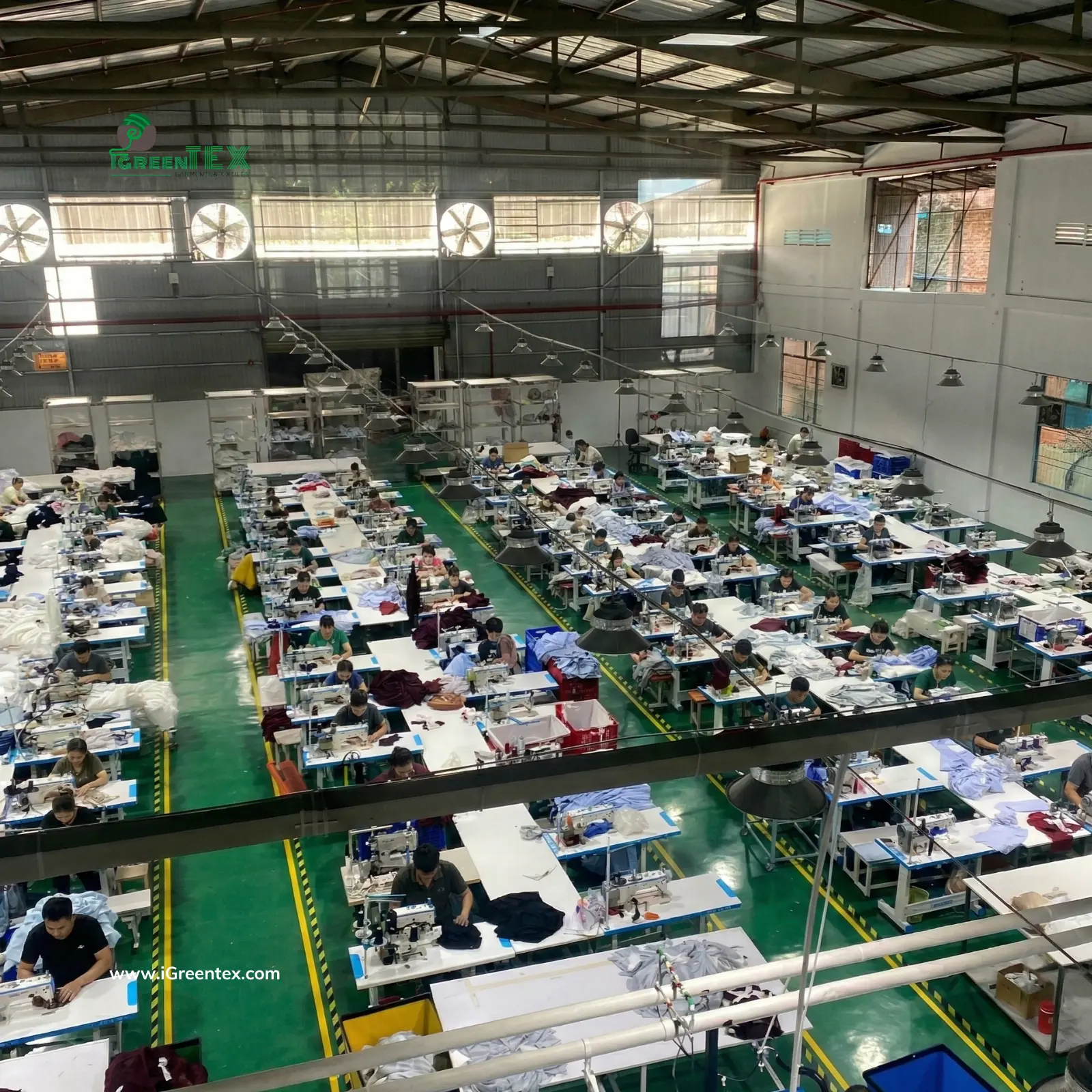
At iGreen Tex Vietnam, we focus on systematic execution to ensure stable output. Let us dive into the core technical differences.
Sourcing teams looking for a wider global landscape can read about the best countries for clothing manufacturing in 2026.
Understanding export garment manufacturing quality
To analyze Vietnam vs India garment manufacturing quality, we must look at physical execution. We focus entirely on the quality of the finished products. This article breaks down the core elements of garment manufacturing quality. We examine construction, fabric behavior, and tactile properties. We do not discuss regional pricing or local politics here. Instead, we analyze structural integrity and defect control. Evaluating Vietnam vs India apparel manufacturing quality involves measuring structural alignment.
This evaluation helps sourcing managers secure the best finished products. Export-ready clothing must meet strict international expectations. We evaluate how factories handle complex assemblies. We look at dimensional stability after processing. Our analysis sets a baseline for export garment quality standards. This baseline guides apparel brand owners toward the right choice.
What defines high-quality export garments?
When examining Vietnam vs India garment manufacturing quality, our evaluation starts with raw fabric performance. Modern brands require garments that retain their physical properties. To meet global apparel manufacturing standards, we focus on four physical pillars. These pillars determine the success of an apparel line.
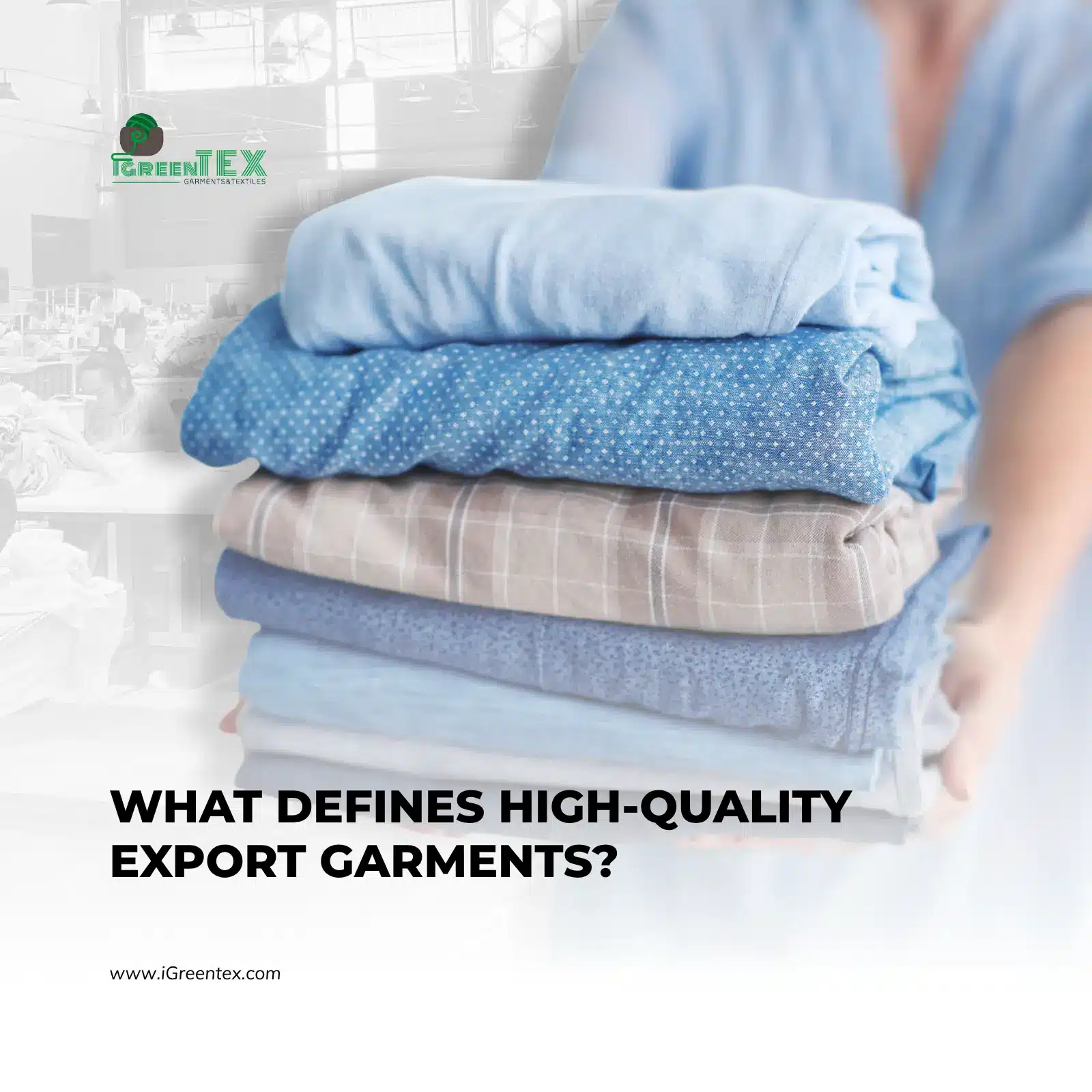
Fabric performance
Selecting the proper fabric quality is the first step. High-performing textiles must resist pilling, stretching, and fading. We test raw materials to comply with modern apparel quality standards. Sourcing managers evaluate fiber alignment and weight consistency. We examine tactile softness and surface finish. A high-quality fabric must retain its strength during repeated stress.
Garment construction quality
Excellent garment construction underpins every collection. We evaluate seam width, tension, and panel alignment. Our factory evaluates workmanship quality at every step. We measure how panels fit together at stress points. Proper construction prevents twisting and torque. It guarantees the garment hangs correctly on the body. When you partner with a versatile clothing manufacturer, this attention to structural integrity is guaranteed.
Durability and longevity
To assess Vietnam vs India apparel manufacturing quality, we measure wear-and-tear resistance. We evaluate seam burst strength and wash-and-wear recovery.
High-quality apparel must withstand friction. It should not lose its original shape.
This performance depends directly on thread selection and sewing machine settings. Our team compares Vietnam vs India apparel manufacturing quality by examining actual run defects.
End consumer satisfaction
We believe that export apparel quality must please the final customer. The consumer wants reliable comfort and longevity. A high-quality export garment feels soft and fits consistently. It survives the laundry cycle without shrinking. Satisfied customers return to buy again, reducing return rates.
Vietnam vs India apparel quality from an importer’s perspective
Sourcing managers assessing Vietnam vs India garment manufacturing quality prioritize product reliability. Their primary focus is maintaining a stable supply. This focus directly impacts clothing production quality across different runs. We examine this perspective across four operational areas.
Our clients ask about Vietnam vs India apparel quality when diversifying their seasonal collections.
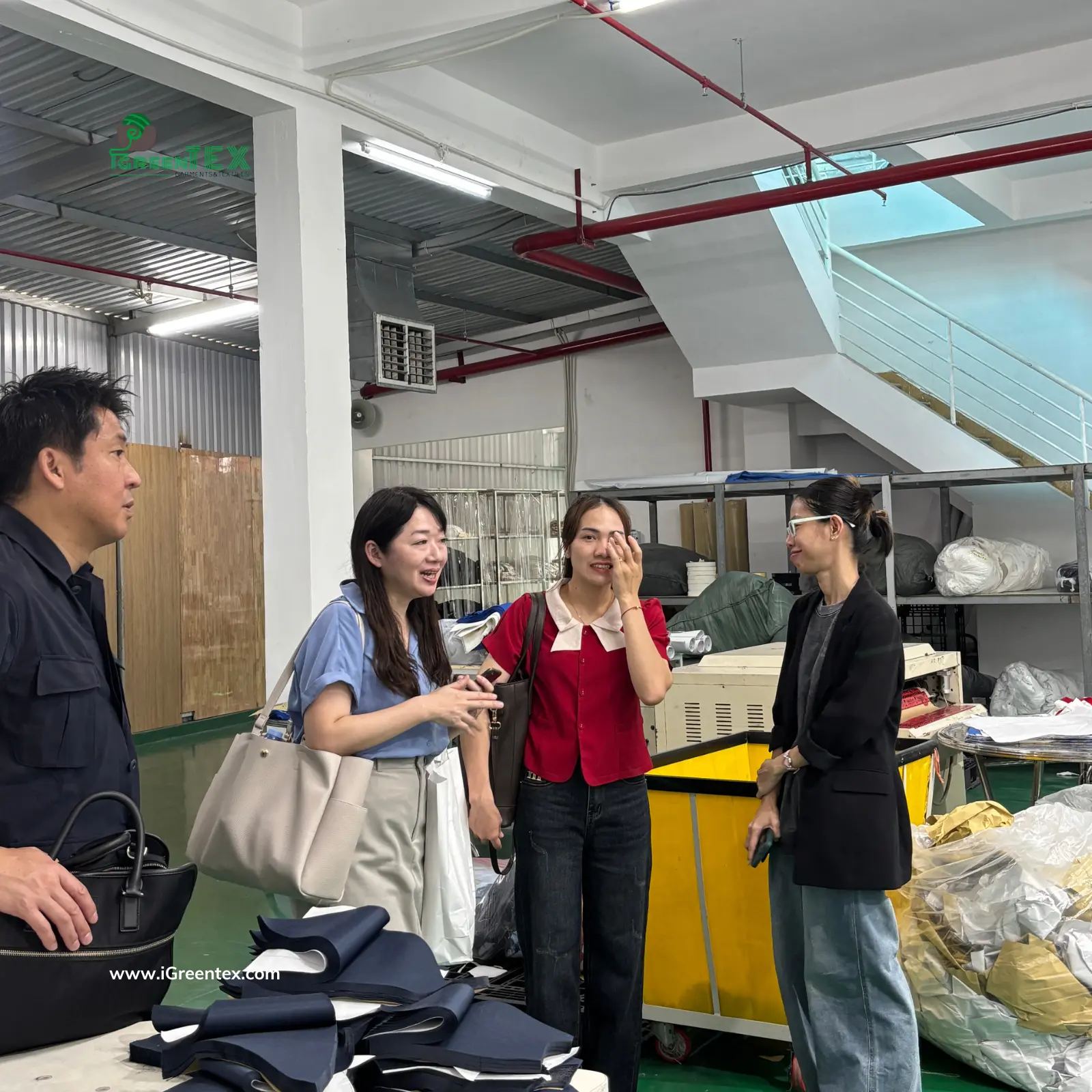
Product consistency across orders
We prioritize manufacturing consistency to protect brand equity. Importers need their second shipment to match the first one exactly.
This requires strict control over dye lots and shrinkage parameters. Vietnam utilizes systematic production methods.
These methods help maintain stable results across large batches. This production consistency is vital for repeat product lines.
Sample-to-bulk accuracy
Our dedicated team handles sample development. We translate design specs into physical patterns.
Importers require bulk production to mirror the approved golden sample. Any variance in measurements leads to retail delays.
Precise pattern digitizing prevents measurement deviations in bulk runs.
Defect levels in export production
We run strict quality inspection checks. This impacts how brands view Vietnam vs India apparel manufacturing quality in bulk shipments.
A low defect rate is non-negotiable for premium retailers. We classify defects as critical, major, or minor.
Our systems work to eliminate sewing slip-ups before packaging.
Long-term product reliability
Implementing a rigorous garment quality control checklist is essential. Importers need garments that perform well under pressure.
Reliability requires consistent thread tension and fiber strength. We ensure the final product stands up to consumer wear.
This builds trust between the brand and the manufacturer. We see that Vietnam vs India apparel quality shifts based on the raw fiber source.
Vietnam vs India apparel quality from an end consumer’s perspective
Evaluating Vietnam vs India garment manufacturing quality from a consumer viewpoint shifts focus to daily wear. The end user does not see the production line.
They only feel the final garment. We analyze how this physical experience differs. Analyzing Vietnam vs India apparel quality helps clothing brands avoid costly retail returns.
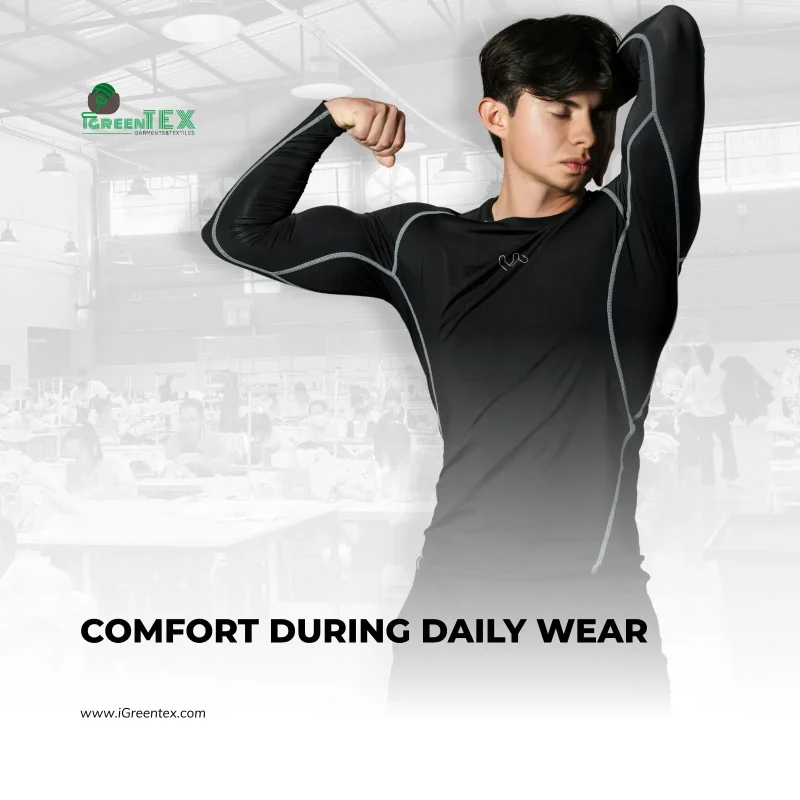
Comfort during daily wear
Fabric tactile properties are vital for everyday comfort. Consumers want soft, breathable clothing. Vietnam-made activewear uses smooth synthetics and lightweight cotton blends. These materials reduce skin irritation.
Our specialized role as a sportswear manufacturer teaches us to test four-way stretch fabrics. India excels in lightweight, breezy woven cottons. These woven fabrics offer excellent air permeability in warm weather.
Fit and body shape adaptability
Sizing accuracy defines the consumer experience. Pattern grading must match target consumer profiles.
Vietnamese factories utilize advanced digital grading systems. These systems create precise, repeatable fits.
Indian garments often show slightly more structural drape variation. This variation occurs because of traditional weaving techniques.
Appearance and visual finish
We inspect workmanship for structural flaws. The visual finish includes seam flatness and thread trimming. Vietnam-produced garments feature clean surfaces with minimal loose threads. The seams lie completely flat against the skin.
We operate as a precise polo shirt manufacturer focusing on collar flatness. Indian garments showcase rich surface textures. However, they may require more trim-work on intricate seams.

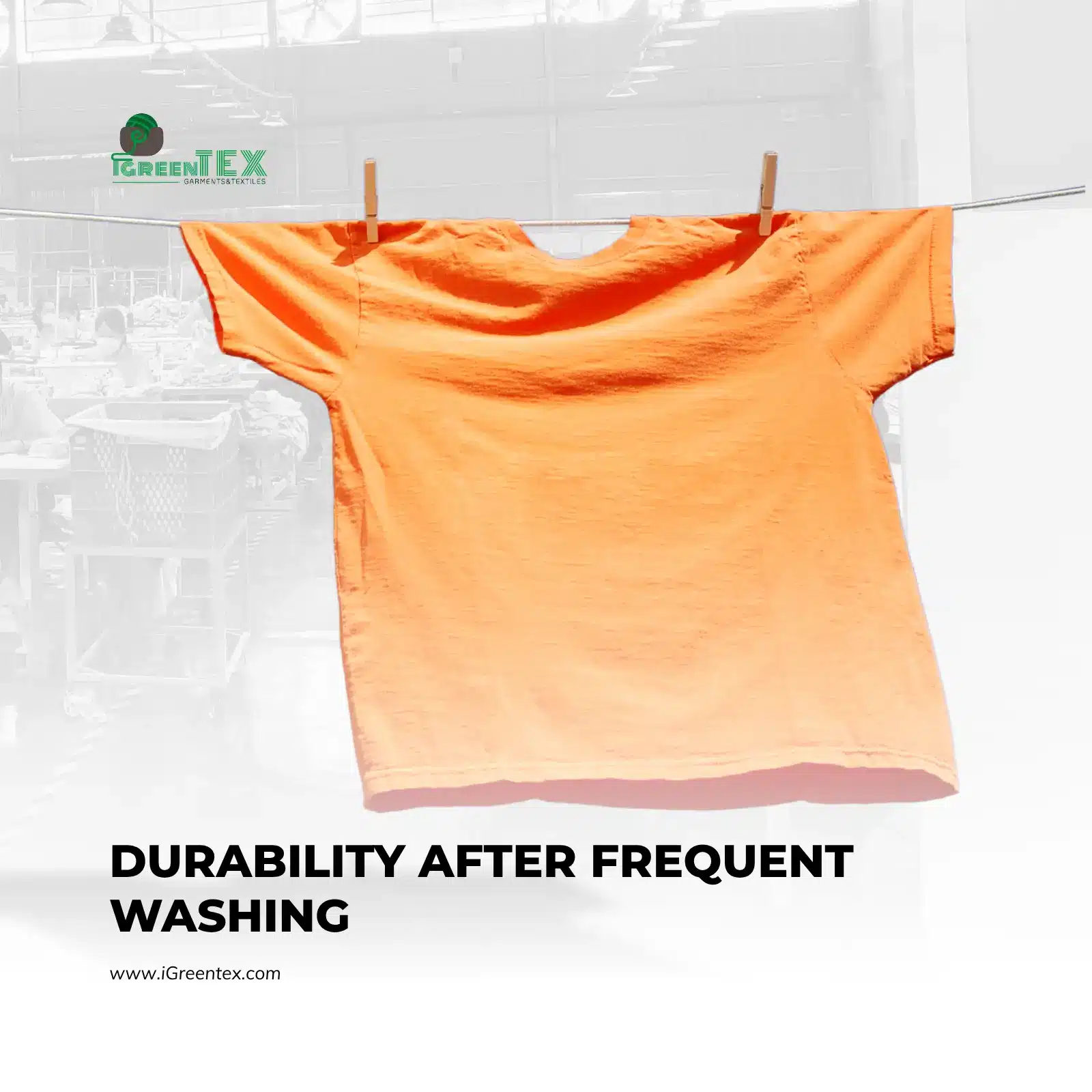
Durability after frequent washing
Modern consumers expect clothes to survive heavy laundry cycles. We analyze how seams hold up under tension. Vietnamese knits resist seam cracking. They maintain their shape after multiple washes. Indian cottons soften over time. However, they may experience higher initial shrinkage if not pre-shrunk. For basic apparel, finding a consistent T-shirt manufacturer requires verifying neck rib recovery.
Color and shape retention
Apparel must retain its color brilliance. It should not bleed onto other fabrics in the wash. Vietnamese synthetic blends show high colorfastness to washing. They resist color loss under light. Indian hand-dyed fabrics offer unique colors. However, they require careful washing to prevent bleeding.
Overall product satisfaction
High-quality construction translates into consumer loyalty. Buyers appreciate garments that look new after months of wear. The physical feel of the seams determines this satisfaction. A solid build keeps return rates low. Consumer feedback on Vietnam vs India apparel quality often highlights texture preferences. This makes physical quality a key business driver.
Detailed product quality comparison
This detailed India vs Vietnam garment quality comparison helps apparel brand owners decide where to place their lines. Let us analyze the physical attributes of the finished products.
Sourcing teams face real challenges when assessing Vietnam vs India garment manufacturing quality across multiple lines.
Fabric quality comparison
We must analyze Vietnam vs India apparel quality across raw material consistency. Vietnam excels in synthetic blends, nylon, and fine-gauge circular knits. The fabric surface is uniform, smooth, and highly stable. It offers excellent stretch recovery.
India is famous for natural cotton fibers, slub yarns, and artisanal woven fabrics. Indian cotton feels incredibly breathable. However, natural cotton yarns can have more organic thickness variations. This affects the smoothness of the fabric surface.
Stitching quality comparison
Our practical India vs Vietnam garment quality comparison examines how seams handle daily tension. Vietnamese factories prioritize stitching accuracy. They use automated systems to maintain a consistent stitch density. Our sewing operators specialize in precise stitch execution.
This yields very clean, parallel lockstitches on hems. Indian stitching often features high manual skill. This skill is perfect for complex layouts. However, it can result in slightly higher stitch-length variance in bulk runs.
Garment construction comparison
Garment construction involves panel assembly and alignment. Vietnamese factories utilize advanced design software for cutting. This ensures precise matching of stripes and pocket placements. Symmetrical alignment is standard across all production lines.
Indian construction excels in draping and flowing styles. However, structured, tight-tolerance garments require rigorous oversight in Indian facilities. As an experienced hoodie manufacturer, we check loopback density carefully.
Finishing quality comparison
Finishing quality includes thread trimming, pressing, and metal detection. Vietnamese facilities apply strict industrial finishing standards.
You will find few loose threads or skipped stitches in the final packaging. The pressing is crisp and uniform.
Indian finishing showcases beautiful embroidery and hardware details. However, it can sometimes carry minor loose threads that need post-production trimming.
Durability comparison
Both countries produce highly durable items, but for different categories. Vietnam produces durable technical activewear, outerwear, and high-stretch knits.
These items resist tearing at the seams. This difference defines Vietnam vs India apparel manufacturing quality for performance clothing.
India produces durable, heavy-weight woven cottons and canvas garments. These natural fabrics get softer and more comfortable over the years.
Quality assurance behind export garment manufacturing
Establishing strong production systems secures Vietnam vs India garment manufacturing quality across large runs. We implement robust testing to catch errors early.
We understand that verifying Vietnam vs India garment manufacturing quality requires a deep dive into seam tolerances.
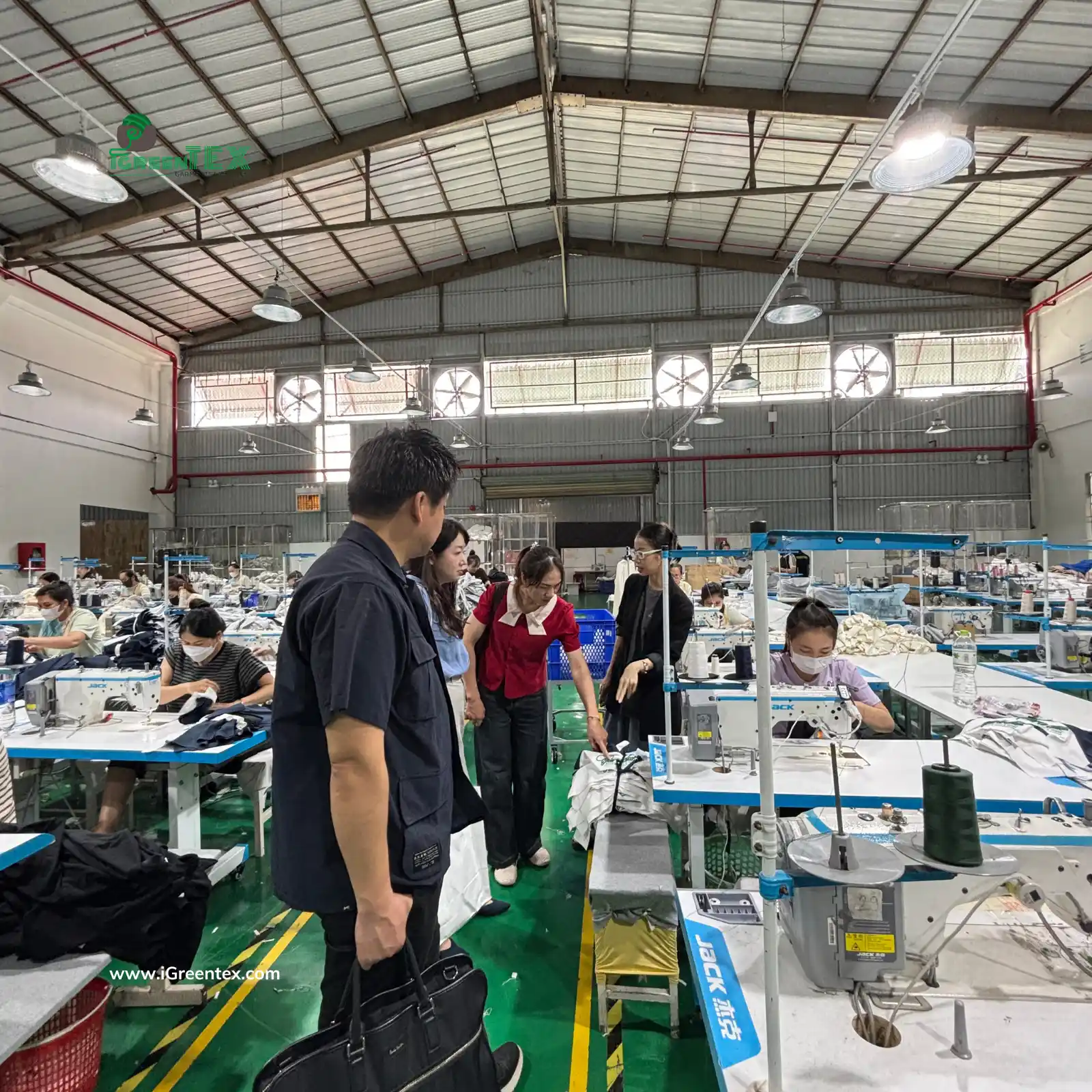
Quality control process
A well-structured quality control process is standard. We monitor physical specifications from yarn to finished pack.
This systematic process prevents substandard materials from entering the sewing floor. It keeps the final output consistent.
Inline inspection
Our quality inspectors perform inline inspection on every active line. They check seam tension and measurement tolerances.
Catching deviations mid-way prevents massive scrap piles. It keeps the production line running efficiently.
Final random inspection
We conduct a final random inspection before shipping. This step relies on standardized AQL inspection limits.
We verify that the bulk shipment matches all agreed tolerances. This ensures unmatched export apparel quality for major brands.
Manufacturing quality assurance
Our team integrates production quality management in every run. This acts as our manufacturing quality assurance model.
We audit our sewing machines and needle detectors daily. This prevents contamination and ensures safety.
We closely track Vietnam vs India apparel manufacturing quality across our partner networks.
Garment testing standards
We subject textiles to strict garment testing standards. We check for colorfastness, skewing, and dimensional stability.
These tests confirm that the finished garments comply with international market laws. Our direct analysis of Vietnam vs India garment manufacturing quality reveals contrasting technical philosophies on the factory floor.
We suggest a regular factory audit process to verify these metrics. Vietnamese facilities offer high technical sewing expertise for activewear.
Both regions align with export compliance standards for major global markets. This setup depends on skilled workers who manage modern machinery.
This optimizes the overall manufacturing process. Each brand should evaluate factory capability based on their product style.
We maintain high quality standards to support global retailers. This ensures that export production runs smoothly without delays.
We focus heavily on clothing factory quality across all departments.
Summary table – India vs vietnam garment quality comparison
This summary table simplifies the core elements of Vietnam vs India garment manufacturing quality. This India vs Vietnam garment quality comparison provides a roadmap for production managers.
| Quality factor | Vietnam | India | Importer impact | Consumer impact |
|---|---|---|---|---|
| Fabric quality | Highly uniform synthetics, stable circular knits | Premium natural cottons, textured wovens | Vietnam simplifies bulk replication; India offers fabric depth. | Vietnam provides active comfort; India offers natural breathability. |
| Stitching quality | High consistency, automated parallel lines | Strong manual stitching, high detail skill | Vietnam reduces seam defects; India handles intricate styles. | Vietnam prevents seam burst; India offers detailed aesthetics. |
| Construction quality | Highly symmetrical, automated cutting | Artistic draping, manual pattern matching | Vietnam ensures precise sizing; India offers beautiful drape. | Vietnam garments fit reliably; India garments drape naturally. |
| Finishing quality | Clean, minimal thread ends, sharp pressing | Exquisite embroidery, hardware details | Vietnam reduces inspection time; India adds handcraft value. | Vietnam look is crisp; India look is unique and artisanal. |
| Comfort | Smooth, low-friction, high stretch recovery | Breathable, soft natural cotton feel | Vietnam suits athletic brands; India suits fashion lifestyle. | Vietnam ensures dry comfort; India feels soft on skin. |
| Durability | High wash resistance, seam stability | High fiber strength, wear-softened cotton | Vietnam maintains size; India lasts through heavy long-term wear. | Vietnam looks new longer; India gets softer over time. |
| Shape retention | Excellent recovery, minimal torque | Average recovery, organic stretching | Vietnam reduces returns; India may require pre-wash checks. | Vietnam garments hold fit; India garments conform to body. |
| Product consistency | High bulk replication across repeat runs | Minor variance across artisan batches | Vietnam supports stable cataloging; India supports unique runs. | Consumer gets exact same fit; Consumer receives organic feel. |
Vietnam vs India garment manufacturing quality – final assessment
We conclude our review of Vietnam vs India garment manufacturing quality with a clear rule. Ultimately, choosing Vietnam vs India apparel quality is about matching your specific product type.
Sourcing managers must understand this distinction. We hope this India vs Vietnam garment quality comparison clarifies your sourcing strategy.
Vietnam is the ideal match for brands that require:
- High manufacturing consistency across massive batches
- Low defect rates and clean, automated finishes
- Highly durable technical knits, activewear, and basic essentials
India is the ideal match for brands that require:
- Exquisite natural cottons and custom artisanal textures
- Intricate manual detailing, printing, and hand embroidery
- Casual, draping silhouettes with a relaxed, natural feel
By understanding the variance in Vietnam vs India apparel manufacturing quality, brand owners can optimize their supply chain. This alignment ensures your finished products meet consumer expectations.
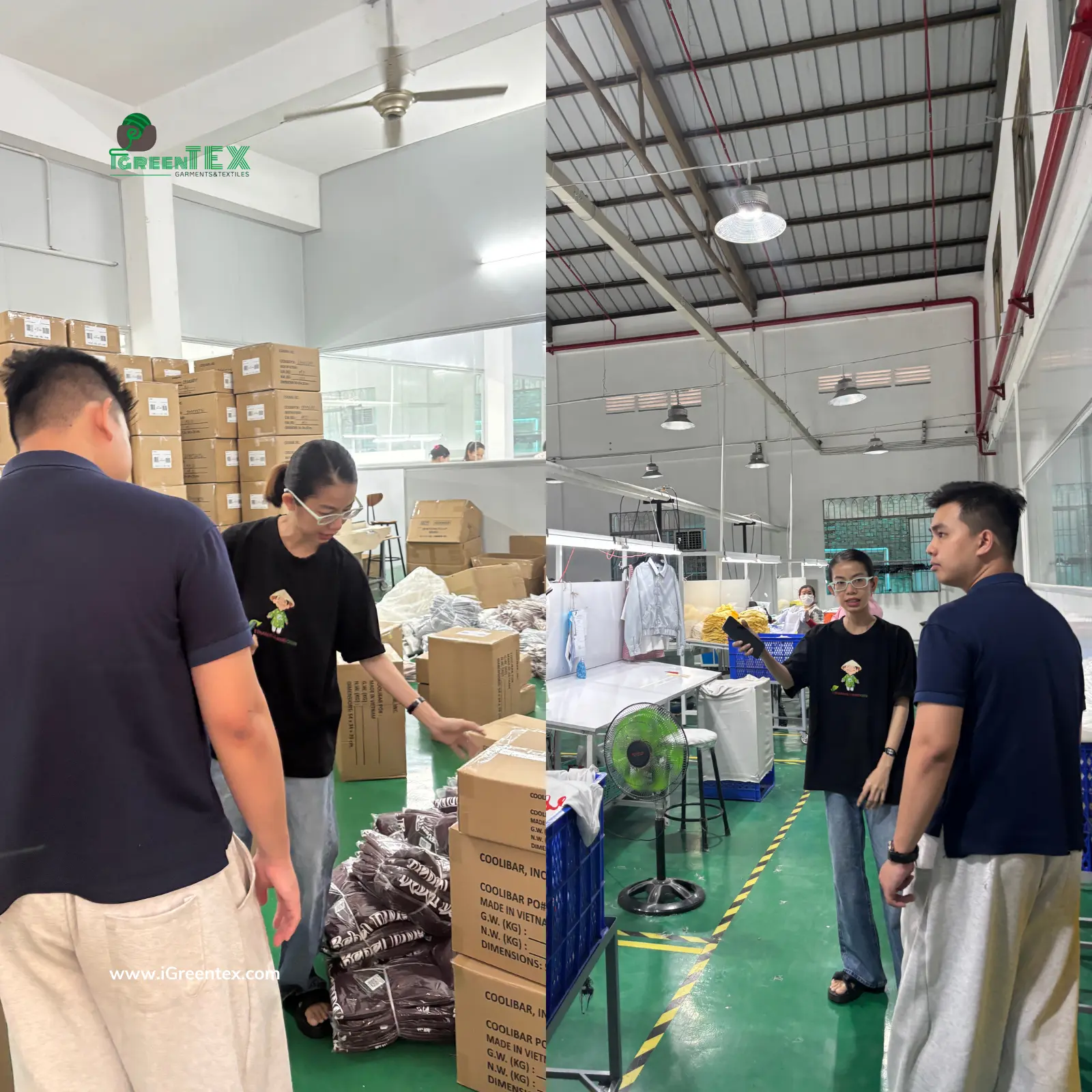
Partnering with iGreen Tex Vietnam
If you need custom solutions, we offer high-grade OEM clothing manufacturing to match your exact tech packs. Our facility provides end-to-end support from material sourcing to final delivery.

We combine strict inline quality control with advanced cutting systems to secure your quality. Ready to discuss your next production run?
Reviewing our factory capabilities helps brands matching specific needs. Contact iGreen Tex Vietnam Today to secure your next collection with elite manufacturing precision.