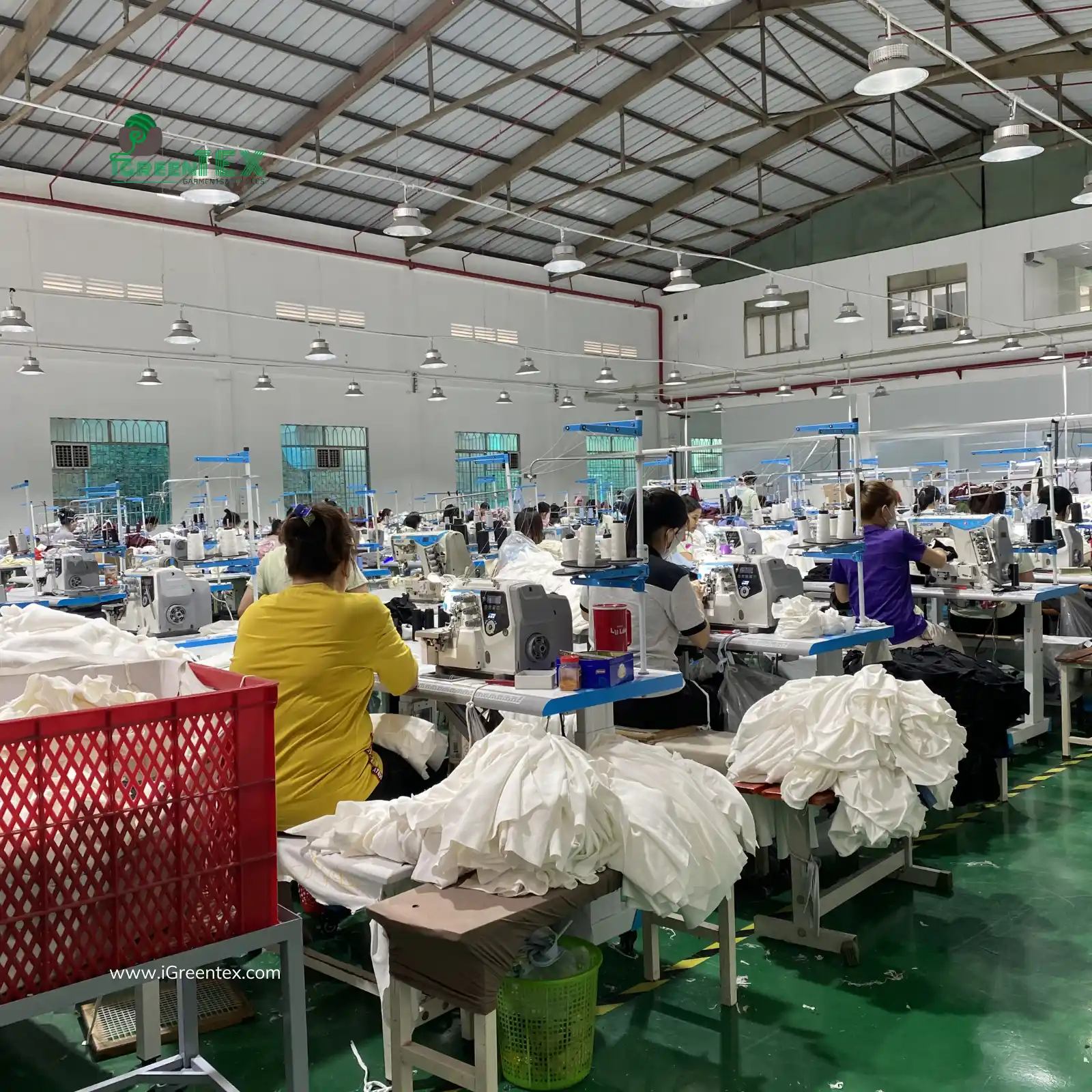
Unauthorized Garment Production: Risks for Buyers
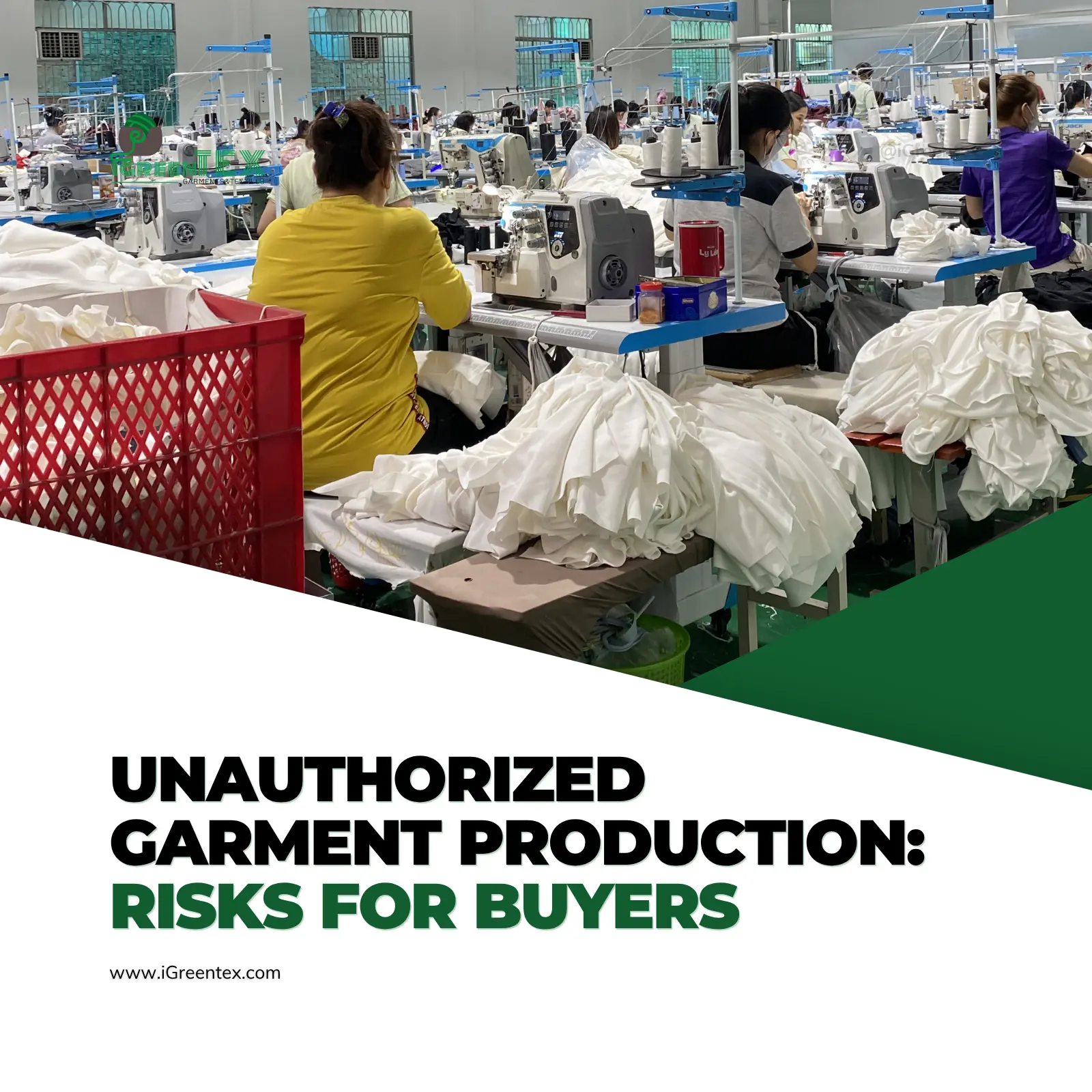
When sourcing managers order 10,000 garments, they expect exactly 10,000 high-quality products. However, receiving good products is only part of the equation.
Apparel brand owners must also know where those garments were made. You need to know what materials were used. You must control your design assets. Most importantly, you must ensure no extra items were produced outside your order.
The global supply chain holds many blind spots. Sourcing agents often face risks they cannot see immediately. These risks include counterfeit goods and unauthorized apparel production. They also include gray-market products and leaked brand labels.
Product origin is a crucial part of quality control. True quality means controlling the entire manufacturing lifecycle. This article explains the risks of unauthorized garment production. It also shows you how to protect your brand when sourcing overseas.
Not Every Garment Outside Your Order Is the Same
When you find your designs sold elsewhere, you might assume they are fakes. However, not all out-of-network garments are identical. They have different origins. They carry different levels of risk for apparel brand founders.
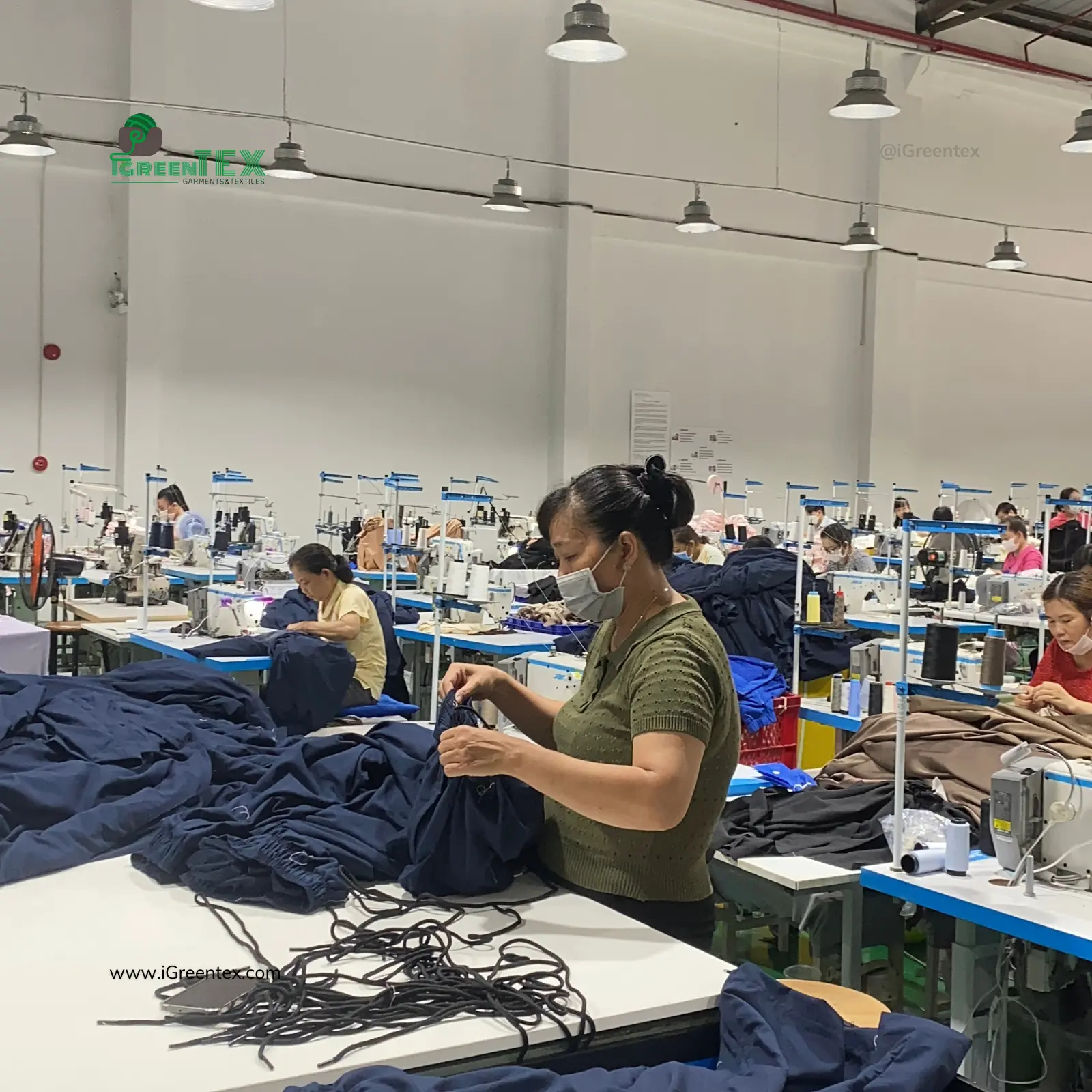
You must understand these differences to protect your supply chain. We can categorize these products into several distinct types.
Counterfeit Garments
Counterfeit products intentionally fake your brand identity. These items are malicious.
For example, a bad actor might use your exact logo. They might copy your brand name or trademark. They often replicate your packaging and label without permission.
This is not just a manufacturing error. This is a severe intellectual property (IP) violation. Procurement teams must understand that this damages brand trust instantly. It ruins your reputation with loyal customers.
Knockoff or Copycat Garments
Knockoffs do not necessarily use a fake logo. However, they steal your core product concept.
A competitor might copy your unique design. They might steal your distinct pattern or construction details. They might replicate your entire product concept.
A product can lack a fake logo but still create severe risks. It dilutes your market presence. It steals your design innovation. Sourcing managers must protect their unique designs from copycats.
Unauthorized Garment Production
This is the most critical risk for custom apparel buyers. Unauthorized garment production happens within your actual supply chain.
Imagine a brand orders 10,000 pieces. The factory decides to produce 500 extra pieces. They do this without approval. They use your design, your materials, and your labels. They then sell these extras through unapproved channels.
This issue is why strict garment factory production control is essential. When factories engage in garment production without authorization, your brand loses exclusivity.
Are you struggling to find a trustworthy partner? Read more: How to Find the Best Clothing Manufacturers
Overrun Production
We must explain the difference between approved quantities and unauthorized overrun.
Overrun production happens when factories make more units than ordered. For example, you order 10,000 pieces. The factory produces 10,500 pieces. Those extra 500 pieces must be explained.
Not all production variance is fraud. Factories need replacement pieces. They must account for QC rejects. Production allowances are standard. However, you must authorize any extra quantity.
If the factory sells the overrun, it becomes unauthorized apparel production. Every extra unit must be documented.
Unauthorized Subcontracted Garments
You might sign a contract with Factory A. However, Factory A might quietly move your order to Factory B. This is unauthorized subcontracting.
This creates massive blind spots. You do not know who truly makes your clothes. You lose all apparel manufacturing quality control. You do not know how workers handle your materials.
Worse, third parties gain access to your IP. Your production traceability breaks completely. This is a major risk in the Vietnam garment industry. You must demand transparency.
Rejected or Excess Garments Entering Unapproved Channels
Standard quality items are not the only risk. Defective goods can also harm your brand.
Consider your rejected garments. Think about excess pieces or cancelled orders. Think about items with damaged packaging.
If factories do not control these items, they enter the market. Vendors sell them at a discount. Customers buy defective goods bearing your logo. Proper factory protocols must destroy or strictly control all rejects.
Why Should Buyers Care About These Product Types?
Understanding the types of unauthorized clothing production is the first step. Next, apparel brand owners must understand the business impact. Why should this matter to your procurement team?
Brand Reputation Risk
Your brand image is your most valuable asset. Imagine your logo appears on substandard products.
Consumers might find your design or packaging in a discount market. They will assume these are genuine products. When the item fails, they blame your brand. Unauthorized garment production destroys customer trust.
Need to verify your current supplier? Read more: How to Verify Garment Factory Vietnam: Avoid Scams Fast
Intellectual Property Risk
When you lose control of production, you lose your IP.
You might lose control over your design files. Your tech pack could be shared with competitors. Your patterns and artwork become public. Your logo and product specifications are no longer secure.
Apparel importers must guard these assets carefully. A leaked tech pack can create a dozen copycat competitors overnight.
Quality Risk
Products made outside your approved order bypass your quality checks.
If a subcontractor makes your garments, they use different conditions. You cannot control their sewing standards. You cannot verify their fabric quality.
This lack of control leads to inconsistent sizing and poor durability. Your brand takes the blame for their bad stitching.
Market & Pricing Risk
Products outside your official system cause market chaos.
These items usually sell at much lower prices. This disrupts your pricing strategy. It creates unfair competition for your genuine stock. It angers your official retail partners.
Unauthorized garment manufacturing directly damages your wholesale relationships and channel strategy.
Supply Chain Traceability Risk
Modern consumers demand transparency. If you face unauthorized clothing production, you lose all data.
You no longer know who made the product. You do not know what material was used. You do not know how much was produced. You have no idea where the inventory went.
This breaks your apparel supply chain transparency. Transparent tracking is mandatory for modern brands.
How Can Buyers Identify the Risk Before Ordering?
Do not just look for a “reputable factory.” You need a structured testing framework. You must verify a factory’s systems before you send a deposit.
Here is how sourcing managers can identify risks early.
Check Who Actually Manufactures Your Garments
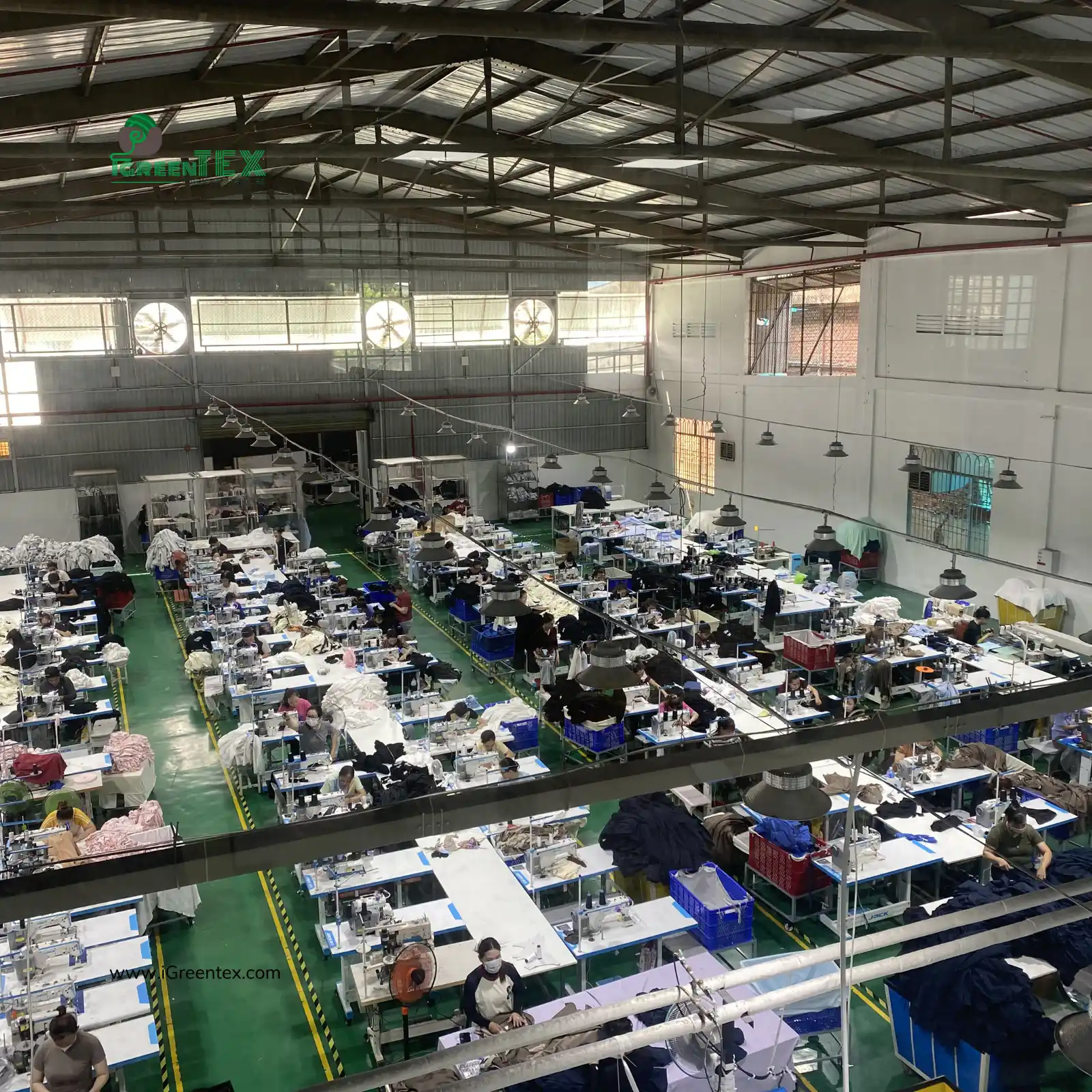
You must verify the actual production origin. Ask for the factory name and exact location.
Request details about their production facility. Ask about the number of production lines. Verify their true production capacity.
You must ask: “Will my order be manufactured entirely in your own facility?” If they hesitate, they might use hidden subcontractors.
Ask About Production Authorization
You must establish strict quantity rules. Ask how they define the production order.
Determine the exact PO quantity and approved quantity. Set a clear allowed production tolerance. Ask for their extra production policy. Clarify exactly who can authorize additional units.
Do not use vague emails saying “produce around 10,000 pieces.” You must enforce a strict, documented quantity limit.
Ask How Materials Are Controlled
Material leakage leads to garment production without authorization. You must check their garment factory material control.
Ask how they manage fabric and trims. Check how they store labels and hangtags. Ask about their packaging and excess materials.
Always ask: “What happens to unused materials after my order is completed?” They must have a strict reconciliation process.
Ask How Labels and Branding Are Controlled
Your branding assets are highly sensitive. This includes your woven label and printed label. It includes hangtags, packaging, and branded accessories.
You must know who accesses these brand labels. How are they counted? How are they stored? Strict inventory control here prevents unauthorized garment production.
Ask How Rejected Garments Are Handled
Many apparel brand owners ignore rejected goods. This is a critical mistake.
Ask the factory where reject garments go. Are they reworked? Are they sold locally? Are they destroyed?
You must know who is responsible for disposal. You must demand a written record of destroyed items. Proper handling stops defective goods from reaching consumers.
Ask Whether Production Is Traceable
You need total visibility. Can you trace your order backward?
You should track the PO to the material. You should track material to production. You must track production to QC, then to finished goods.
If the factory lacks garment production traceability, walk away. Traceability is a non-negotiable requirement for serious brands.
Why a New-Production Manufacturer Can Be Safer for Custom Orders
Different factory models carry different risks. Choosing the right business model prevents unauthorized garment manufacturing.
For custom B2B apparel, made-to-order manufacturing is safer. A manufacturer executing confirmed orders gives you better control. This is far safer than buying from an inventory-based supplier. Let us explore why.
Learn more about this model. Read more: OEM vs ODM Clothing Manufacturing: Which to Choose?
Production Starts From the Buyer’s Order
In a secure model, everything begins with your requirements.
You provide the requirements and the tech pack. The factory makes an approved sample. You issue the PO. Only then does material sourcing begin. Production, QC, and shipment follow.
This strict flow means every product is made specifically for your order. Nothing is made randomly.
No Existing Inventory Being Passed Off as Custom Production
This is a massive advantage of OEM clothing manufacturing.
You are not buying generic stock with a slapped-on label. Instead, the factory builds production on your exact specifications.
They use your approved sample. They buy your required fabric and GSM. They match your required color and construction. This custom approach prevents unauthorized apparel production entirely.
Buyer Owns the Product Direction
With an OEM model, the manufacturer does not guess. They do not decide the design or color. They do not choose the fabric or branding.
They simply execute your approved specifications. This is why many brands choose ODM clothing manufacturing or OEM. You retain complete control over the product direction.
Less Incentive to Reuse a Buyer’s Product Concept
A professional factory relies on authorized orders. They do not treat your designs as general inventory.
You provide the specifications. Production is strictly tied to your order. The factory handles technical documents securely within the process.
Because they focus on custom orders, they have no incentive to steal concepts. Their business relies on trust, not on selling inventory.
What Should Buyers Ask a Vietnam Garment Manufacturer?
Sourcing managers need practical tools. Use this Buyer Question Framework when interviewing factories. It helps you assess their apparel supply chain compliance.
| Question | Why it matters |
|---|---|
| Where will my order be manufactured? | Identifies the true production origin. |
| Is production done in-house? | Controls unauthorized subcontracting risks. |
| What is your policy on overrun production? | Controls excess quantity and leakage. |
| How are excess materials handled? | Protects your custom materials. |
| How are rejected garments controlled? | Prevents market leakage of defects. |
| Who controls my labels and branding? | Protects your core brand assets. |
| How is production quantity tracked? | Monitors total factory output. |
| Can I trace my order through production? | Ensures complete traceability. |
| How are my technical documents handled? | Protects your IP and designs. |
| What happens after production is completed? | Controls the post-production phase. |
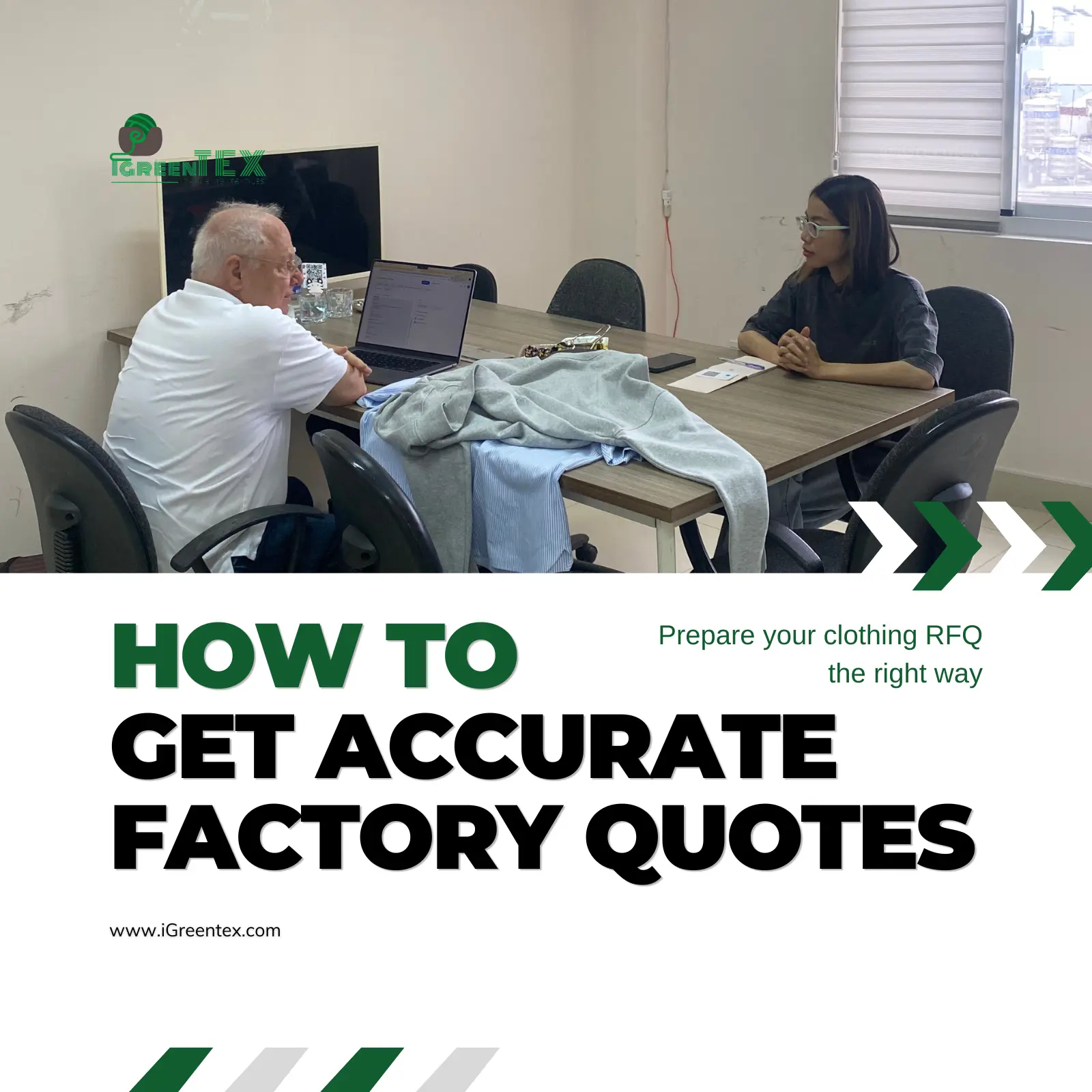
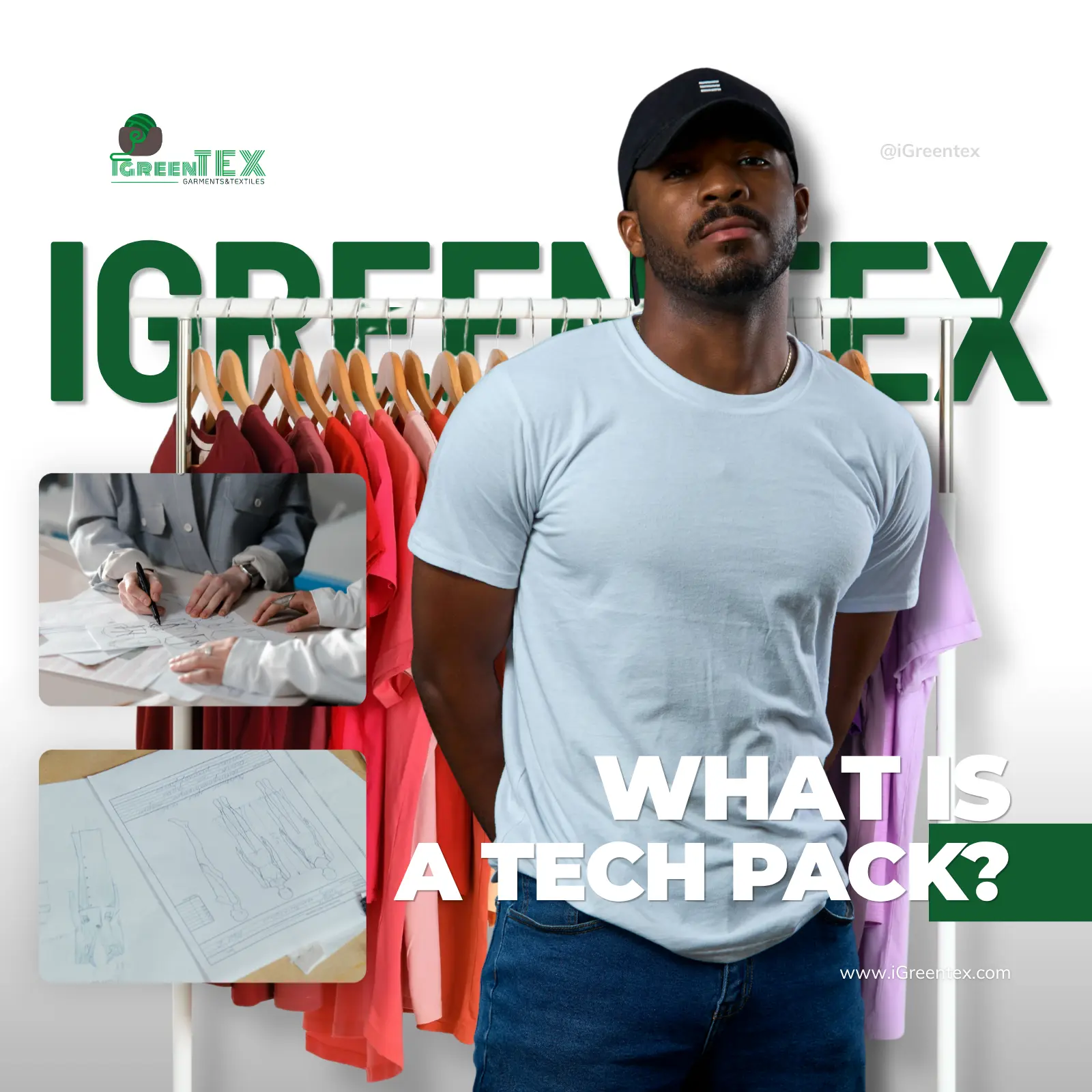
Prepare your documents before asking these questions. Read more: What Is a Tech Pack? Clothing Tech Pack Guide
Red Flags When Choosing a Garment Manufacturer in Vietnam
When comparing options like Vietnam vs China garment manufacturing, watch for warning signs. These red flags indicate a high risk of unauthorized garment production.
The Factory Cannot Clearly Explain Its Production Facility
If they dodge questions about location, beware. This means you do not know where your goods are actually sewn. They might be a broker, not a manufacturer.
The Factory Is Vague About Subcontracting
If they will not guarantee in-house production, walk away. Vague answers mean you have no idea who truly makes your clothes. This destroys quality control.
No Clear Overrun Policy
A factory must explain how they handle production variance. If they have no policy, they likely sell the extras. This is a massive red flag for unauthorized apparel production.
No Material Reconciliation
The factory must match material input with production output. If they cannot do material reconciliation, materials are leaking. Leaked materials turn into unauthorized garments quickly.
No Clear Handling Process for Rejects
Defective goods must be tracked. If the factory has no process, rejects will enter the market. Your brand will suffer the consequences of bad quality.
The Factory Wants Specifications Without Documentation
If they resist using tech packs, be careful. Accepting specifications verbally is highly dangerous for custom OEM. It prevents any formal garment factory audit later.
The Manufacturer Cannot Explain Traceability
A good factory can trace every shirt. If they cannot explain their production history, they lack control. You cannot trust a factory without clear tracking systems.
Wondering how to manage the steps? Read more: Clothing Manufacturing Process: Standard Step-by-Step
What Should a Reliable Vietnam Garment Manufacturer Provide?
You now know the red flags. Next, what does a professional clothing manufacturer in Vietnam actually look like? They must provide structured apparel production monitoring.
Clear Production Documentation
A reliable partner operates on paper, not just promises. They require a PO and a tech pack. They sign off on an approved sample. They provide a BOM (Bill of Materials) and keep strict production records.
Material & Quantity Control
They measure everything. They track material issuance and production quantity. They record the exact reject quantity. They count finished goods and secure all remaining material. This strictness prevents garment production without authorization.
Production Traceability
You should never have to guess. You must easily understand what was ordered. You must see what was produced and inspected. Finally, you must see exactly what was shipped.
Controlled Branding Materials
Your branding is locked down. The factory carefully counts labels, hangtags, and packaging. They secure your logos. They treat your branding with the same care as cash.
Controlled Subcontracting
Sometimes subcontracting is necessary for specific processes like specialized printing. However, it must be controlled. The factory must tell you who, why, and what process is involved. They must maintain strict garment manufacturing standards across all facilities.
Why iGreen Tex Vietnam Uses an OEM Production Model
iGreen Tex Vietnam is a strategic OEM garment manufacturing partner. We are not an inventory reseller. We do not sell generic stock.
When you wonder why manufacture clothing in Vietnam, consider our model. We built our systems to give apparel brand founders total peace of mind. Sourcing managers can trust us with their files and reputation. Even when producing remotely, you remain in complete control.
Here are four ways our OEM model protects you from unauthorized clothing production:
1. Your production starts from your specifications We do not begin with stock products. We build your garments from scratch based on your unique vision.
2. Your order is linked to an approved production process Everything is documented. We track quantity, materials, and samples. Our production and QC stages are completely transparent.
3. Your product information is highly secure We know data security brings peace of mind. We protect your tech pack and specifications. Your branding and product requirements are treated strictly as confidential manufacturing tools.
4. You have clearer production visibility You get remote production assurance. We provide clear production monitoring and stringent QC. You get full traceability and final shipment reconciliation. We prove our reliability every single day.
Comparing regional options? Read this: Vietnam vs India garment manufacturing
Final Takeaway: Don’t Only Ask “Can You Make It?”
When sourcing agents talk to factories, they often ask the wrong question. Do not just ask, “Can you manufacture this garment?”
Any factory can sew a shirt. Instead, you must ask: “How will you control my product after I give you the order?” You must focus on systems, not just samples.
Before you alibaba vs trade fair search for a supplier, remember these final five questions:
- Who exactly manufactures my garments?
- Where are they manufactured?
- How is my production quantity controlled?
- How are my materials, labels, and designs protected?
- Can I trace my production from order to shipment?
A reliable garment manufacturer does more than produce your garments. It protects the production process behind them. It guards your brand reputation.
Stop worrying about unauthorized garment production. Choose a partner who values transparency as much as you do.
Ready to experience secure, transparent manufacturing? Contact iGreen tex today to discuss your next custom apparel project.