Clothing Manufacturing Process: A Step-by-Step Framework for Any Garment Project
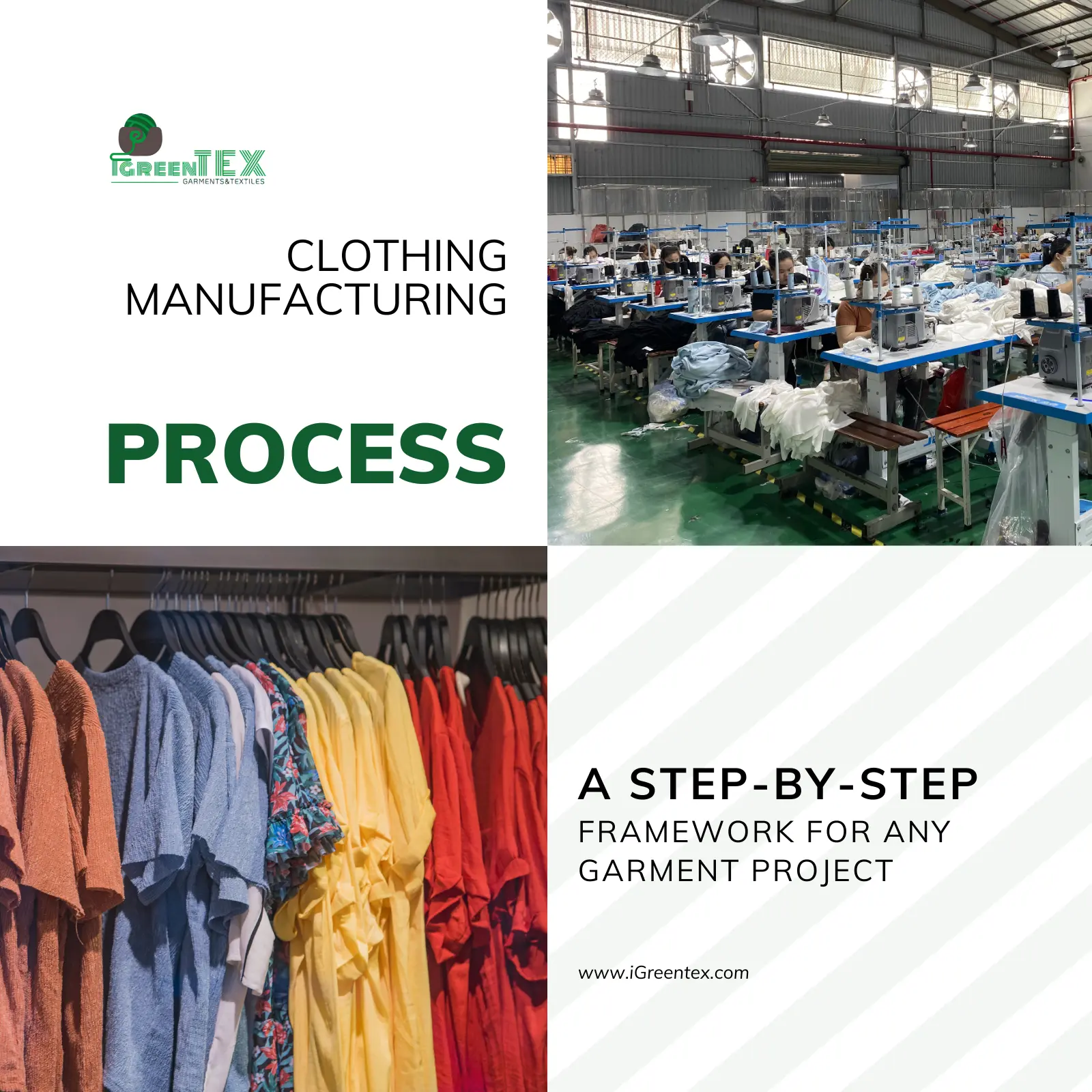
The clothing manufacturing process defines how modern apparel brands scale and optimize their supply chains. For sourcing managers and apparel brand owners, managing this complex workflow requires a continuous balance of cost, speed, and precision.
To build a resilient supply chain, global brands must thoroughly understand how garments transition from design concepts to finished retail products. This comprehensive analysis provides an objective breakdown of how clothing is manufactured.
Many global clothing brands are currently expanding their operations by leveraging Vietnam’s apparel manufacturing to utilize regional apparel manufacturing expertise. Understanding standard workflows will help you make highly profitable, low-risk sourcing decisions.
Phase 0: The Buyer’s Strategic Preparation
Before you start searching to find the best clothing manufacturers, you must execute an internal strategic preparation process. Sourcing managers often make the mistake of requesting quotes without defining their product parameters. This leads to misaligned expectations and incorrect pricing
Understanding the Vietnam garment industry is equally important before choosing a supplier. Knowing how to properly verify garment suppliers in Vietnam ensures you partner with a factory that meets your compliance and quality standards. Every market has different manufacturing practices and factory specializations. Knowing how the industry works helps you select the right manufacturer, avoid sourcing mistakes, and create a production strategy that fits your product and business goals.
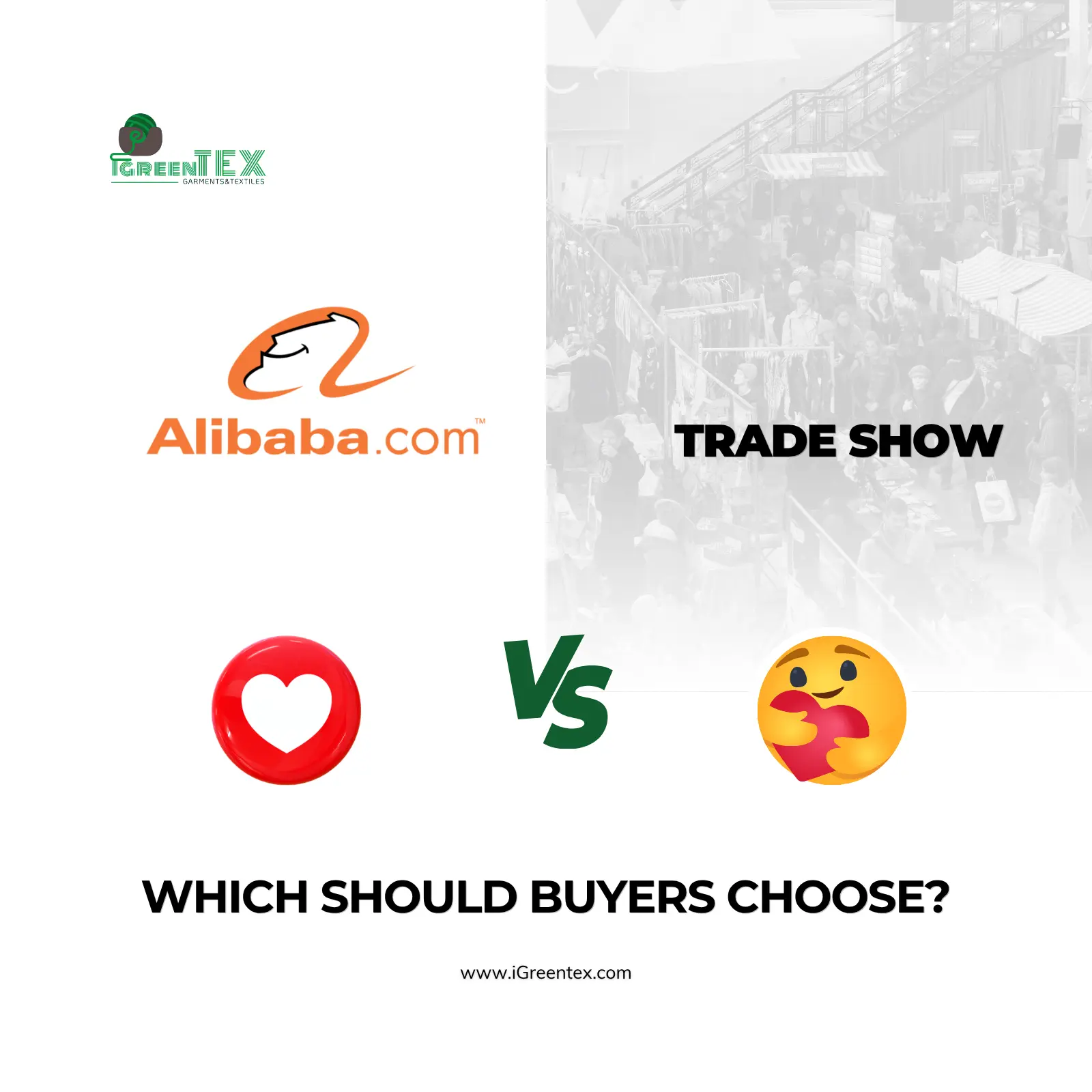
Before contacting potential suppliers, many international buyers also compare Alibaba vs trade fairs as sourcing channels. While both can help you discover clothing manufacturers, understanding your production requirements first will make it much easier to evaluate factories and choose the right long-term manufacturing partner.
Step 1: Define the Product Category and Technical Complexity
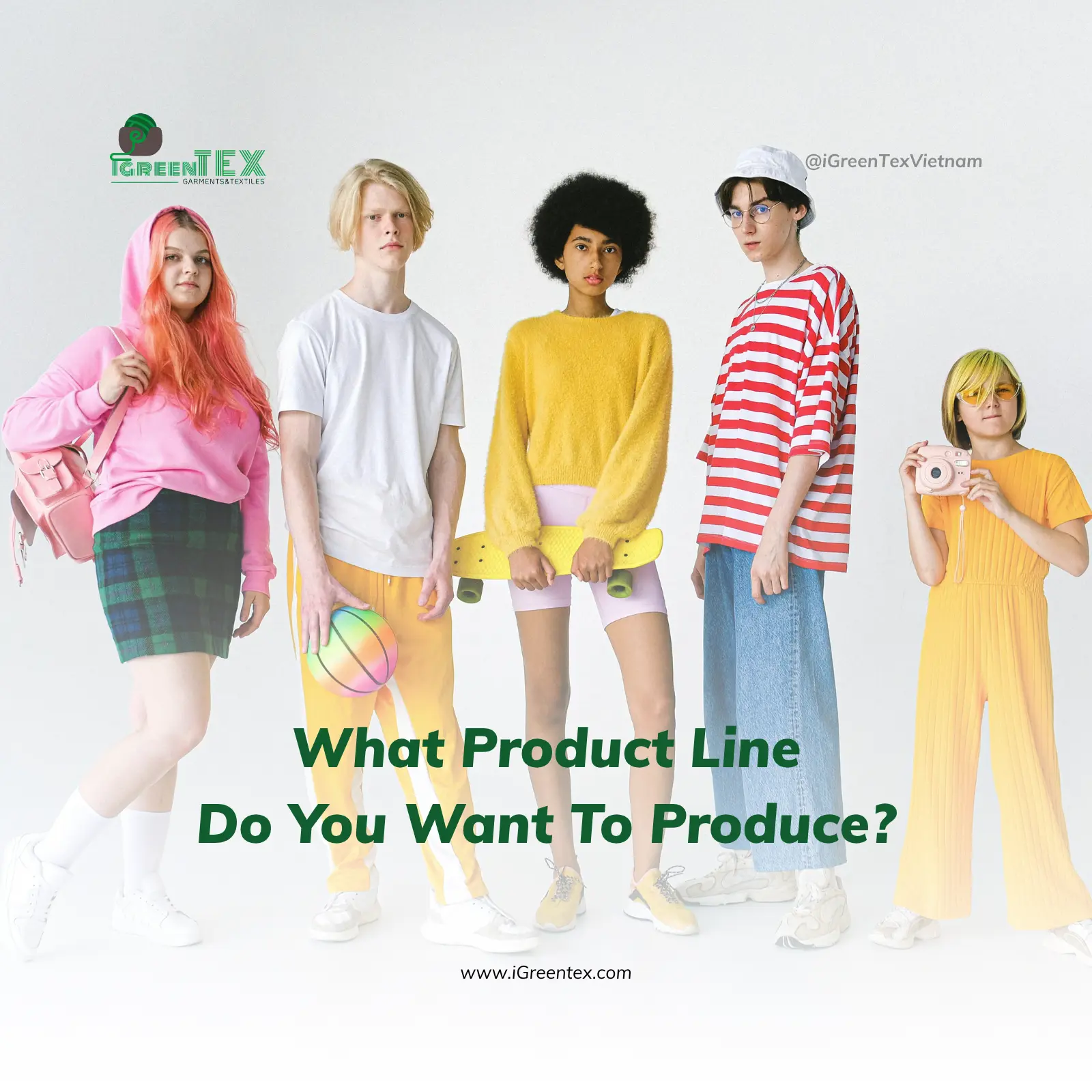
Your production strategy must align with your product type. Garments generally fall into several distinct complexity tiers:
- Basic Apparel: T-shirts, basic hoodies, and loungewear. These require standard knitting machines and high-speed sewing lines. The focus here is on cost efficiency and consistency.
- Sportswear and Activewear: Require technical fabrics, moisture-wicking properties, flatlock stitching, and specialized stretch-sewing capabilities.
- High-Fashion and Tailored Garments: Involve complex patterns, delicate fabrics, structured linings, and extensive manual work.
- Eco-Friendly and Sustainable Apparel: Uses organic textiles, recycled materials, and non-toxic dyes. This category requires certified clean processing and strict compliance tracking.
- Children’s and Baby Wear: Focuses on extra-soft, hypoallergenic materials. These garments must meet strict safety testing rules for choking hazards and chemical residues.
- Protective and Workwear: Includes flame-retardant finishes, reinforced seams, and high-visibility elements. These products require heavy-duty sewing equipment and specialized certifications.
You must match your product complexity with a factory’s specific machinery. A high-efficiency basic knit factory will struggle with technical sportswear.
Step 2: Determine Commercial Goals and Monetization
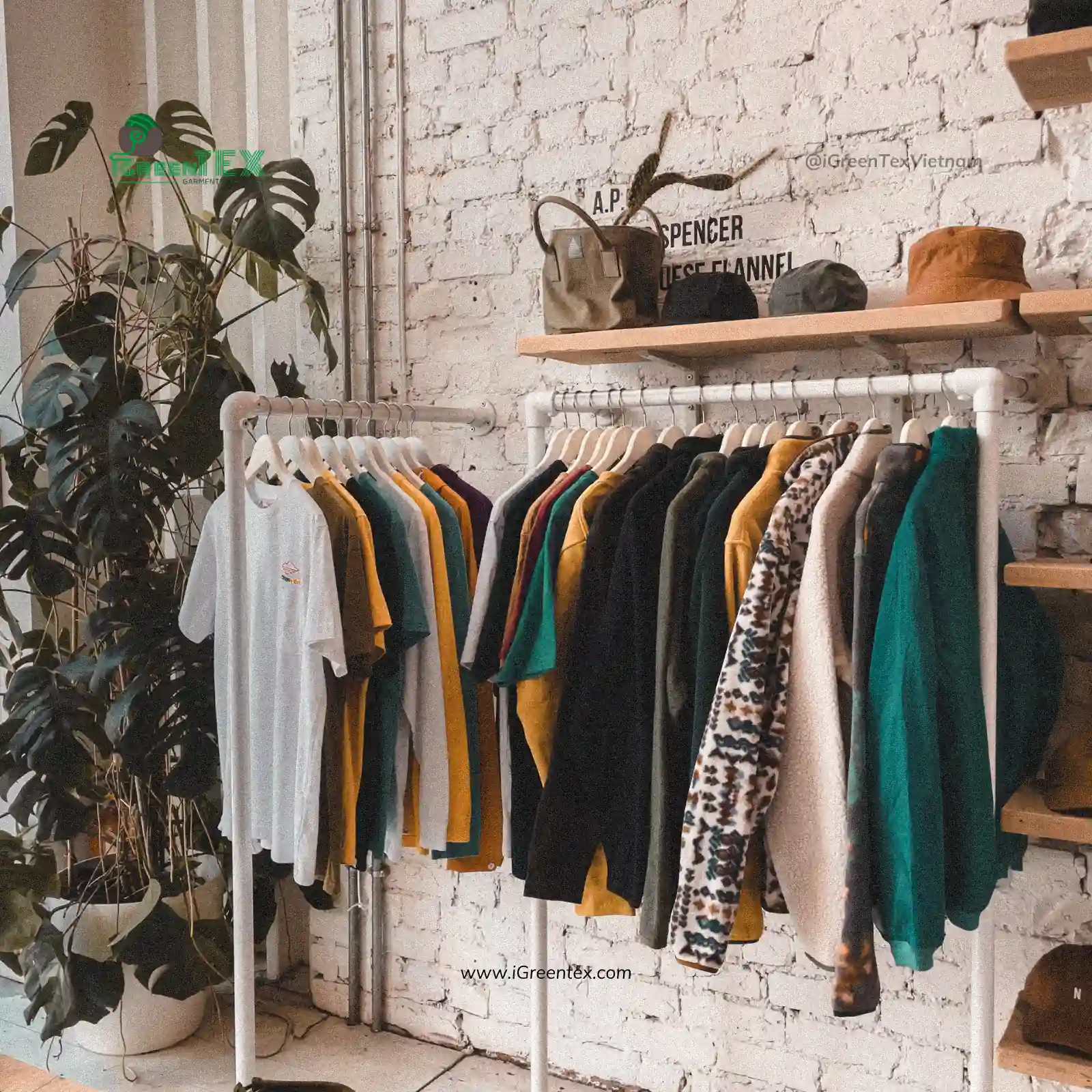
Your target retail price and margin requirements dictate your manufacturing constraints. You must calculate your target Cost of Goods Sold (COGS) early.
- Are you selling high-volume, lower-margin items where scale is critical?
- Are you selling premium, high-margin garments where flawless quality is the primary driver?
Your business model determines your tolerance for production variations and your required quality standard.
Step 3: Country and Hub Selection

Choosing the right geographic production hub is a critical decision in your clothing manufacturing process planning. Different countries offer distinct manufacturing advantages:
- China: Unmatched fabric variety and mature infrastructure.
- Vietnam: Highly skilled labor, excellent trade agreements, and stable logistics.
- Bangladesh: Low labor costs, ideal for high-volume basics.
Sourcing managers must analyze import duties, shipping lane reliability, and geopolitical risks. Vietnam has emerged as a premier hub because of its strong factory compliance standards.
Choosing between Vietnam and China for apparel production? Discover the key differences in export garment quality before making your sourcing decision.
Read more: Comparing Vietnam vs China Export Garment Quality
Why Understanding the Clothing Manufacturing Process Matters
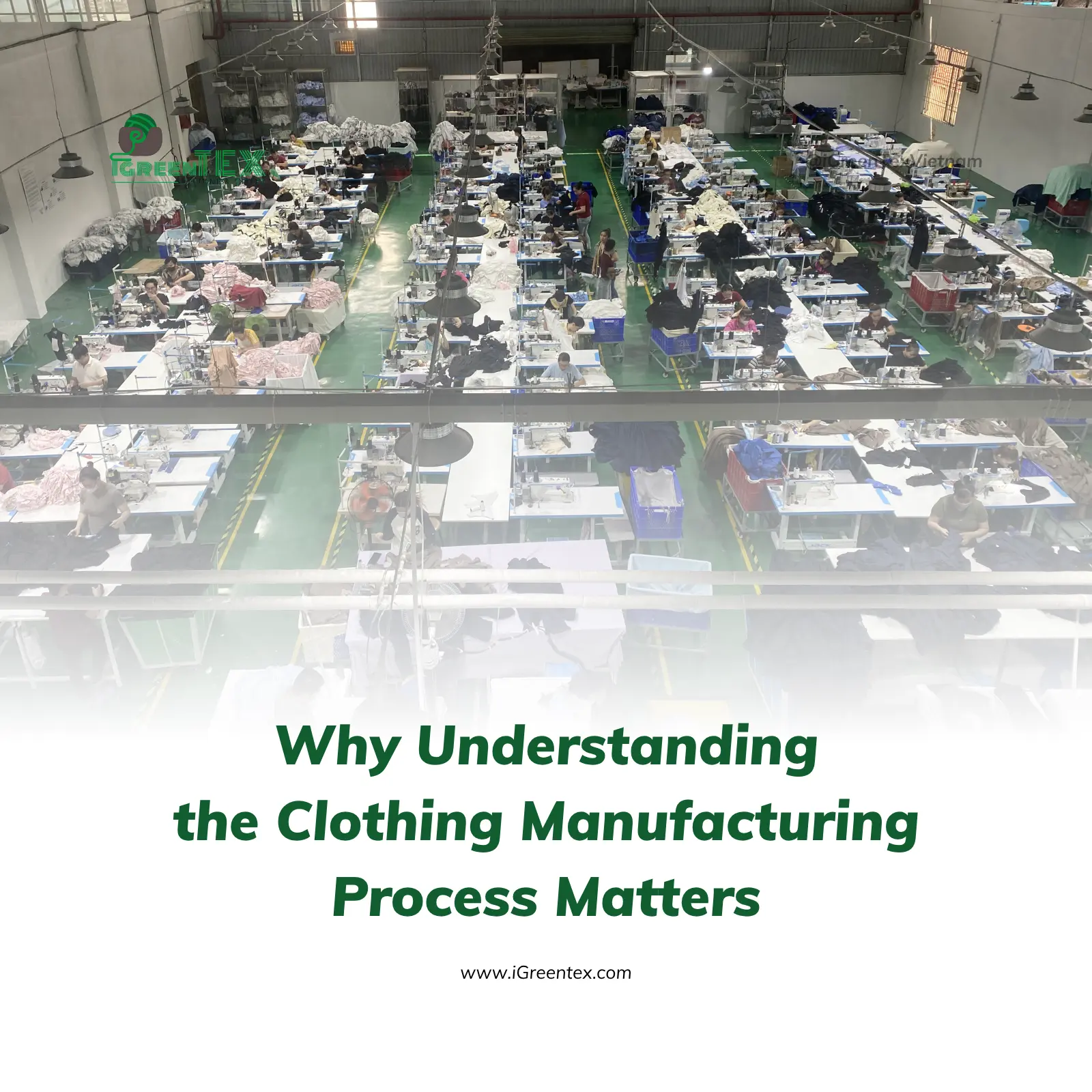
Many supply chain disruptions stem from a lack of transparency regarding the apparel manufacturing workflow. When procurement teams do not understand the steps, they cannot accurately plan marketing launches or inventory replenishment.
Understanding the garment manufacturing process helps apparel brand owners manage their margins. Knowing each stage allows you to make adjustments that directly reduce production costs.
- Optimize Lead Times: You can plan around fabric production cycles and seasonal factory production capacity constraints.
- Ensure Quality Control: Knowing where defects occur allows you to implement pre-emptive quality inspection schedules.
- Control Costs: You can negotiate better pricing when you understand the exact labor inputs required.
If you have chosen Vietnam to optimize your supply chain, targeting the southern industrial center is a strategic next step. Explore the leading factories in this region to match your specific production requirements.
Read more: Top 5 Ho Chi Minh City Clothing Manufacturers
Defining the Clothing Manufacturing Process
Strictly defined, the clothing manufacturing process is the sequential journey of transforming raw design concepts into finished, retail-ready garments.
This process requires tight coordination between the brand’s design team and the factory’s production planning division. While specific steps can vary depending on product complexity, almost all commercial garment production follows a standardized framework.
Sourcing managers must analyze the apparel manufacturing process before selecting an international factory. This ensures that the selected partner possesses the garment production expertise required for your specific product category.
Interested in exploring apparel manufacturers in Vietnam? Discover some of the country’s leading clothing production companies in our detailed guide below.
Read more: Top 7 Clothing Manufacturers in Vietnam
The Typical Production Process Step by Step
To manage production risk, sourcing managers must understand each of the core garment manufacturing stages. Here is the operational breakdown of how clothing is made in a professional factory.
Step 1: Product Concept and Tech Pack Development
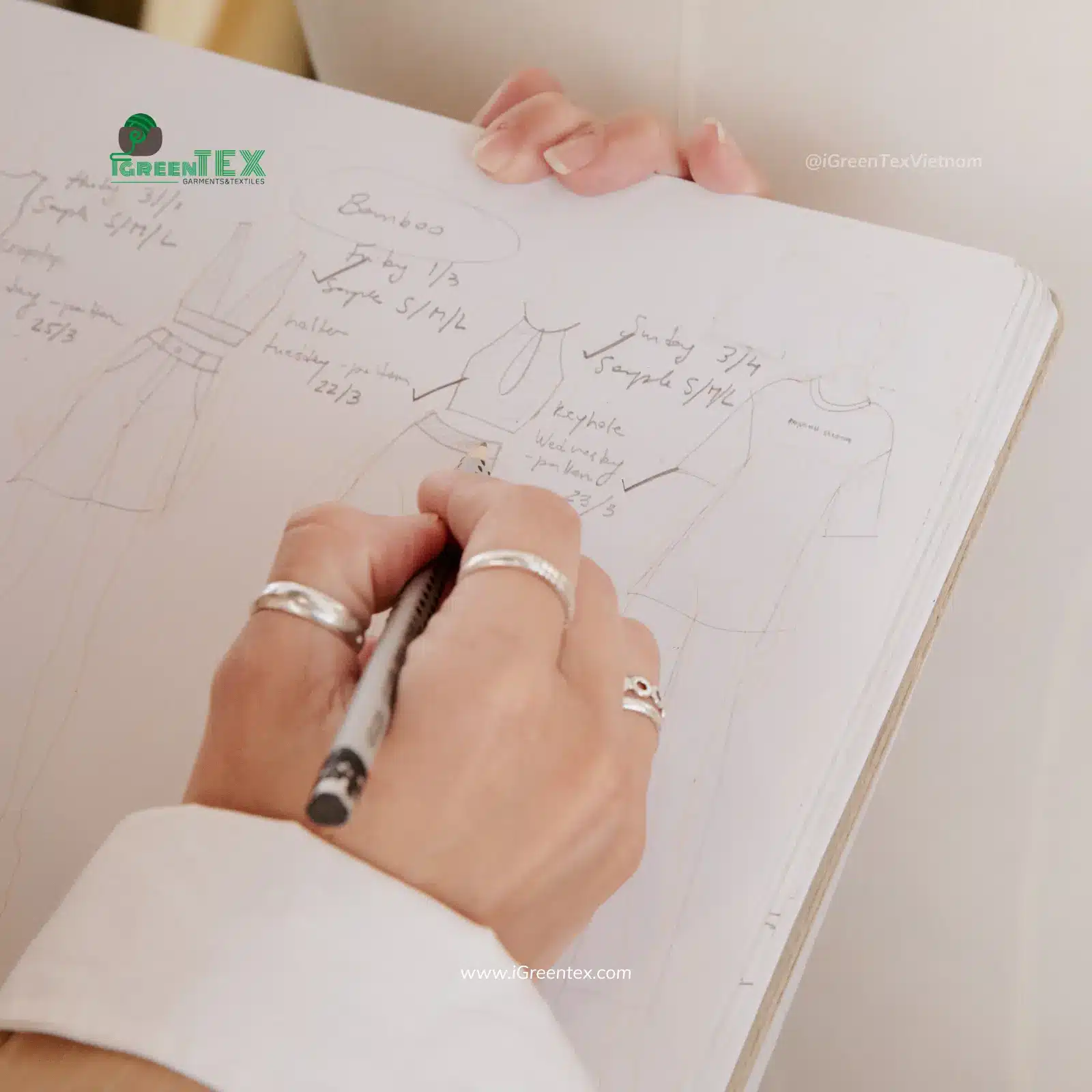
Every professional clothing production process begins with a tech pack. A tech pack is the master blueprint for your garment. It is a highly technical document that eliminates guesswork.
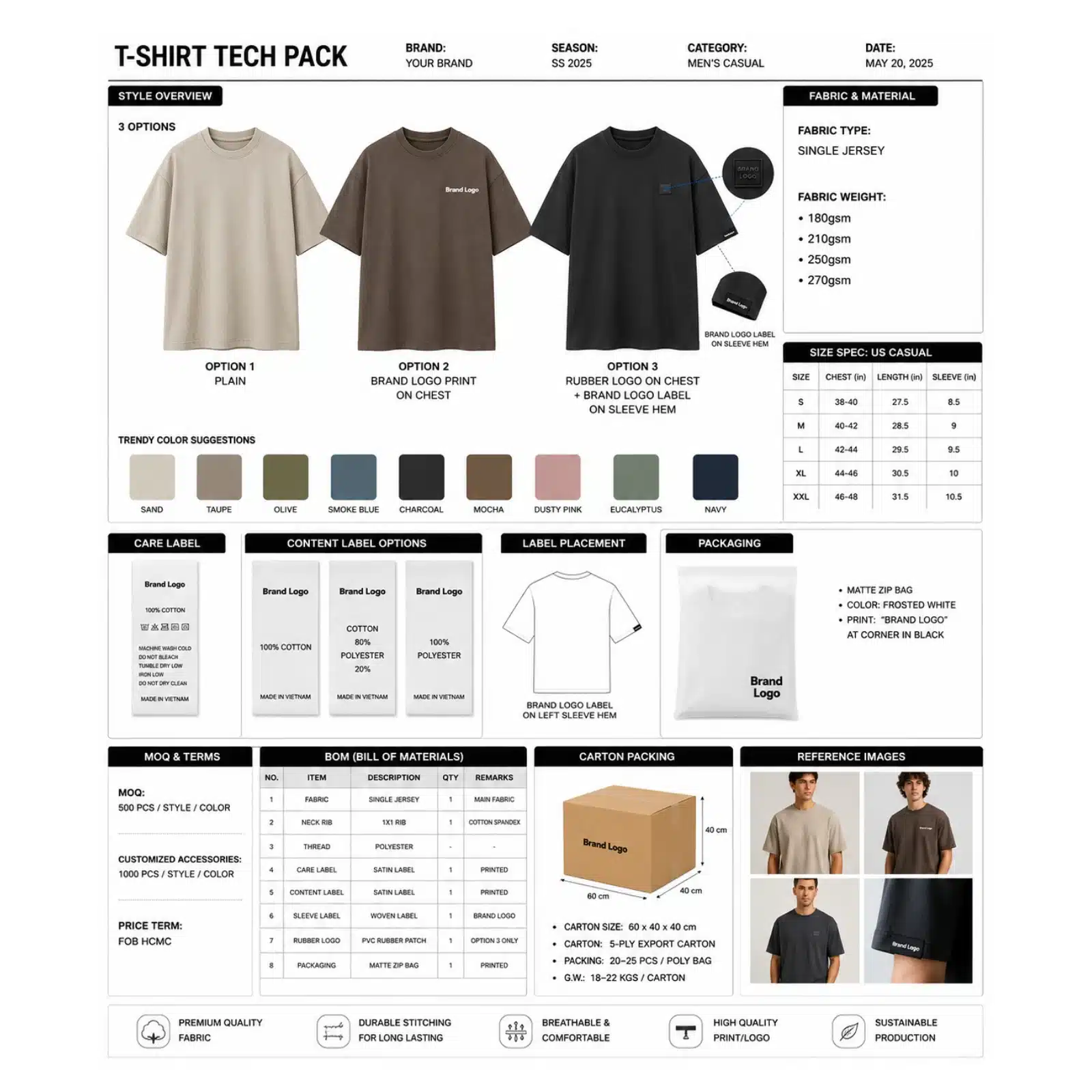
A complete tech pack must include:
- Detailed technical drawings.
- A comprehensive Bill of Materials (BOM) listing all fabrics, threads, buttons, and labels.
- A precise size specification sheet with grading rules.
- Stitching instructions.
- Label placement guidelines.
Without a detailed tech pack, the sample development process will suffer from endless revisions.
Step 2: Fabric and Material Sourcing
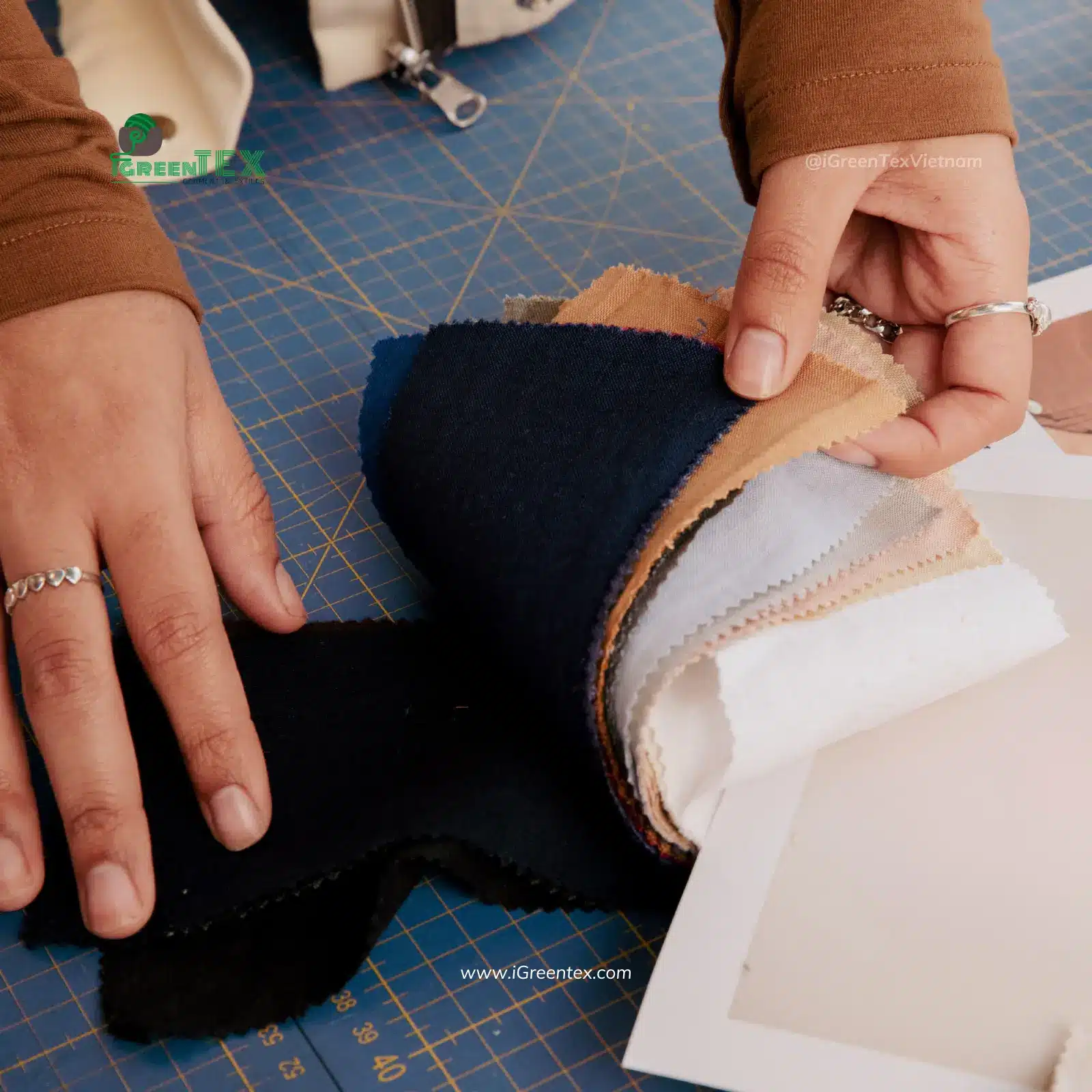
Once the tech pack is approved, the material procurement stage begins. This involves professional fabric sourcing to identify the correct knit or woven structures.
Sourcing managers must verify two elements:
- Fabric Specifications: Weight (GSM), fiber composition, shrinkage limits, colorfastness, and hand-feel.
- Trims Sourcing: Sourcing durable zippers, customized buttons, and managing general trims sourcing.
For international exports, raw materials must meet regulatory compliance standards, such as OEKO-TEX certification.
Step 3: Sample Development
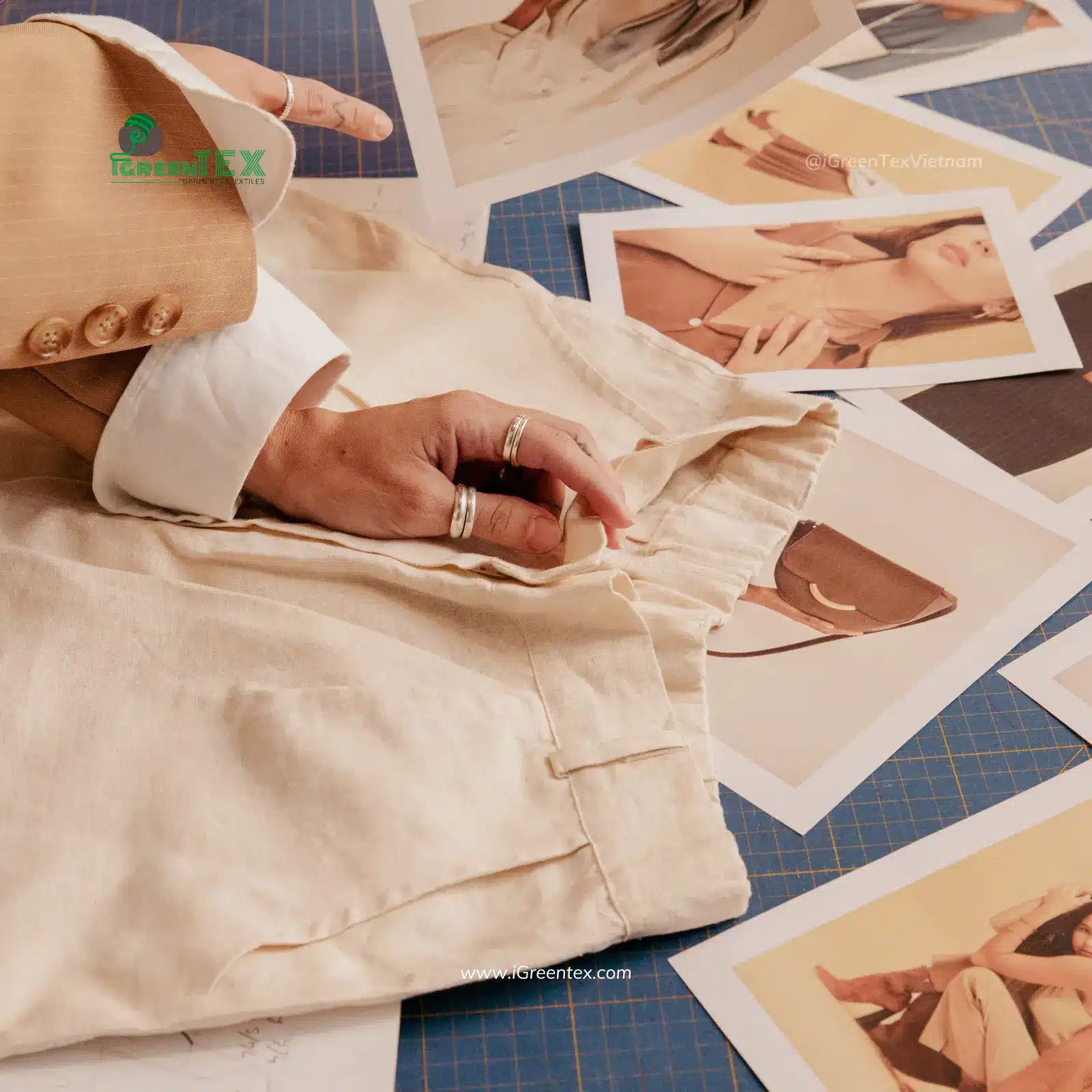
Never proceed to bulk production without a structured sample development phase. Sampling allows the factory to test the pattern and fabric behavior in real-world conditions.
This phase is highly critical in the garment manufacturing process as it identifies physical errors. Sourcing managers should evaluate three distinct sample stages:
- Proto Sample: Used to verify the basic design concept and proportions using available stock fabrics.
- Fit Sample: Designed to test sizing accuracy, drape, and physical comfort.
- Pre-Production (PP) Sample: The final gold standard, created on actual bulk sewing lines using correct materials.
The approved PP sample acts as the legally binding quality reference for both parties.
Step 4: Material Approval and Production Planning
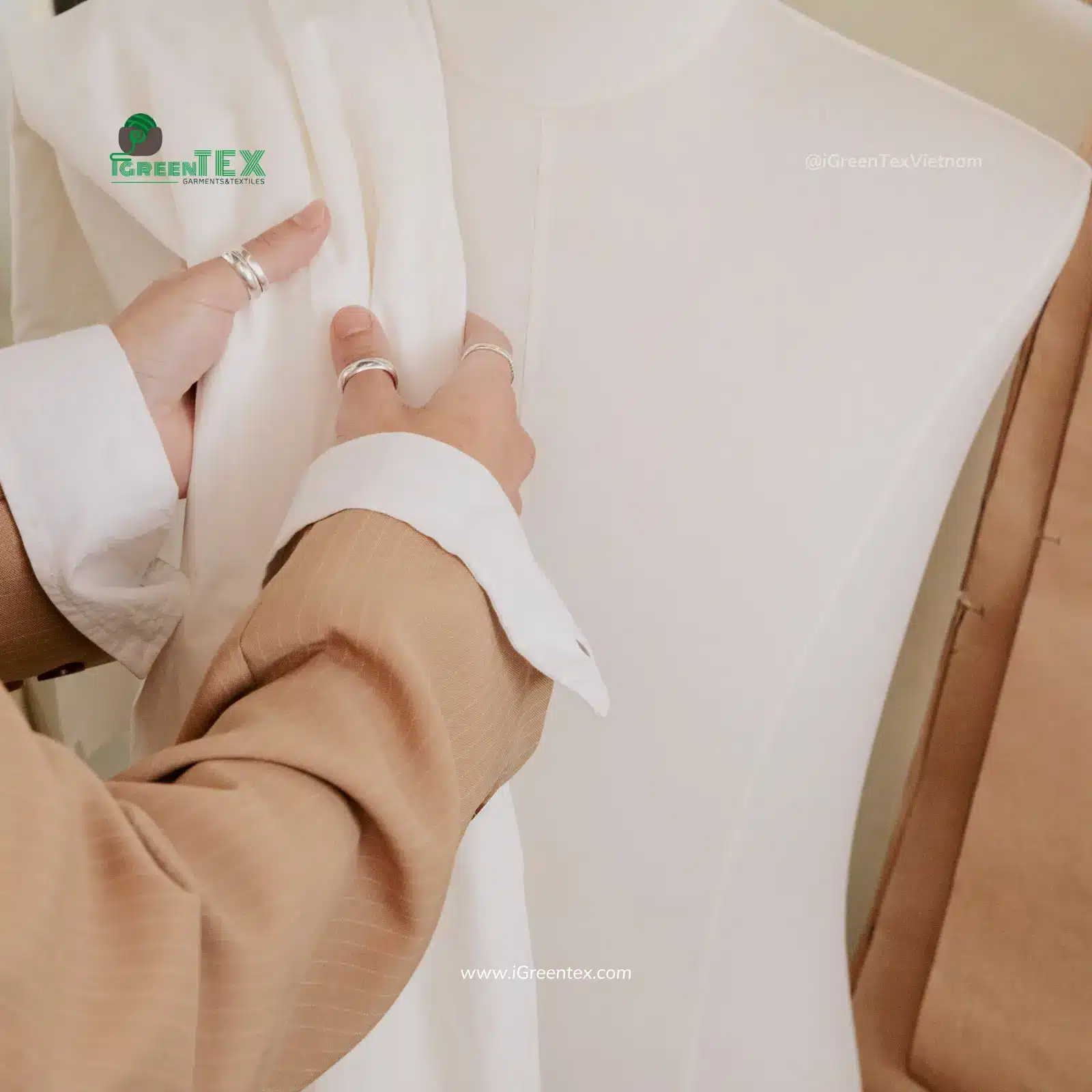
Once the PP sample is signed off, the production planning department schedules the factory floor. The factory aligns its machinery and assigns specialized sewing lines.
During this stage, the factory calculates the detailed production timeline, factoring in:
- Daily output capacity of the assigned sewing lines.
- In-line quality check intervals.
- Shipping deadlines.
The factory coordinates all incoming materials to ensure that production planning aligns with raw textile deliveries. This precise apparel production workflow guarantees that the floor operates at peak efficiency.
Sourcing managers must monitor this phase to ensure that actual production matches the agreed timeline. Our factory at iGreen Tex Vietnam uses advanced apparel production capabilities to streamline this transition and reduce overhead for international clients.
Step 5: Bulk Clothing Production
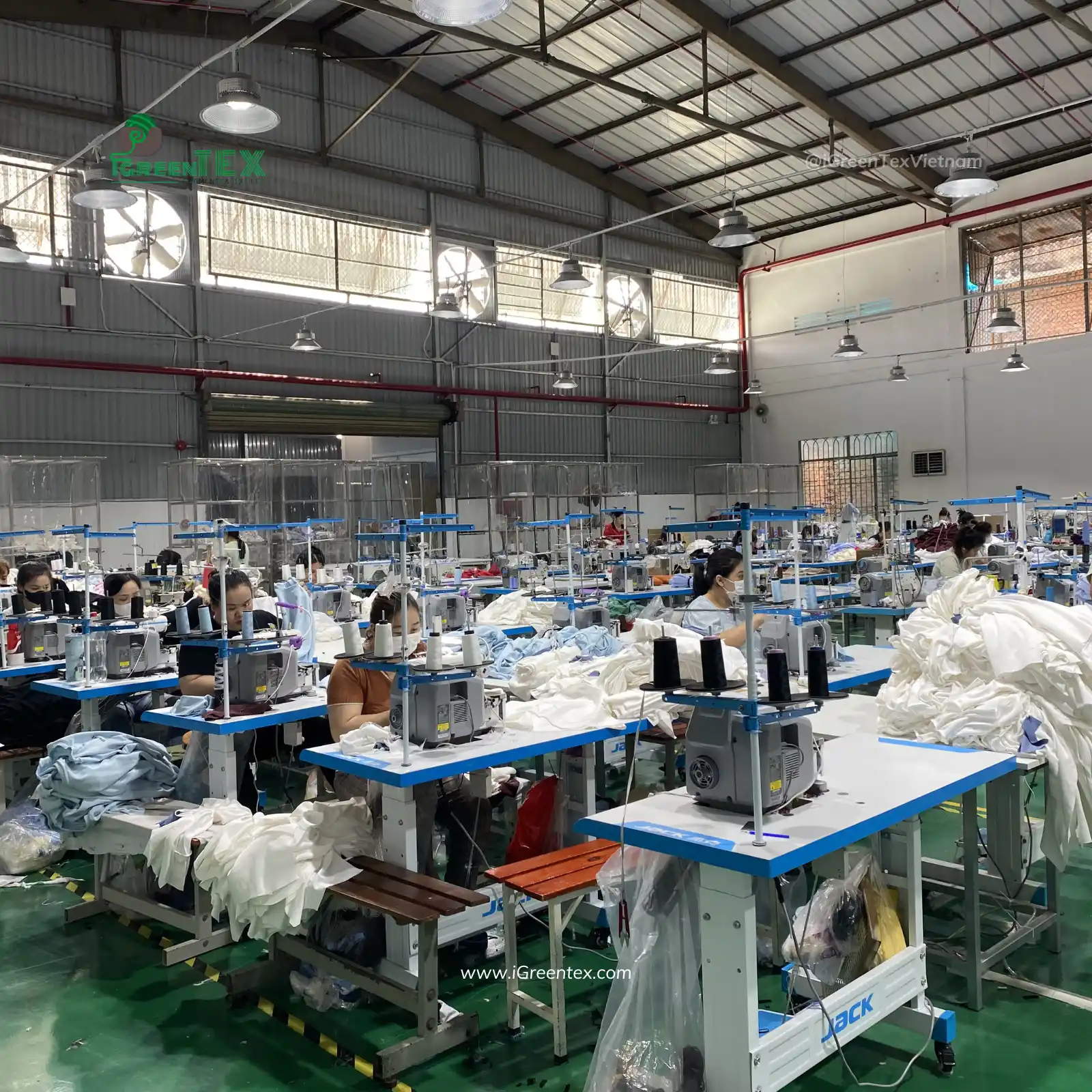
The bulk production phase is where raw textile sheets are systematically converted into physical apparel. This stage occurs on highly organized production lines.
- Fabric Laying and Relaxation: Knitted fabrics must rest for 24 hours before cutting to prevent post-cut shrinkage.
- Precision Cutting: Large fabric piles are cut using computer-aided design (CAD) markers to maximize fabric utilization.
- Sewing Assembly: The cut pieces are distributed to specialized sewing modules. Each operator handles a specific seam to maintain uniform quality.
Operational efficiency during the clothing manufacturing process depends heavily on fabric relaxation. Skipping the fabric resting stage leads to significant garment shrinkage and structural distortion.
During bulk production, the clothing production process relies on automated machinery to maintain seam consistency. This stage incorporates the specialized sewing process and finishing process to prepare the garments for final checks.
Step 6: Quality Control and Inspection
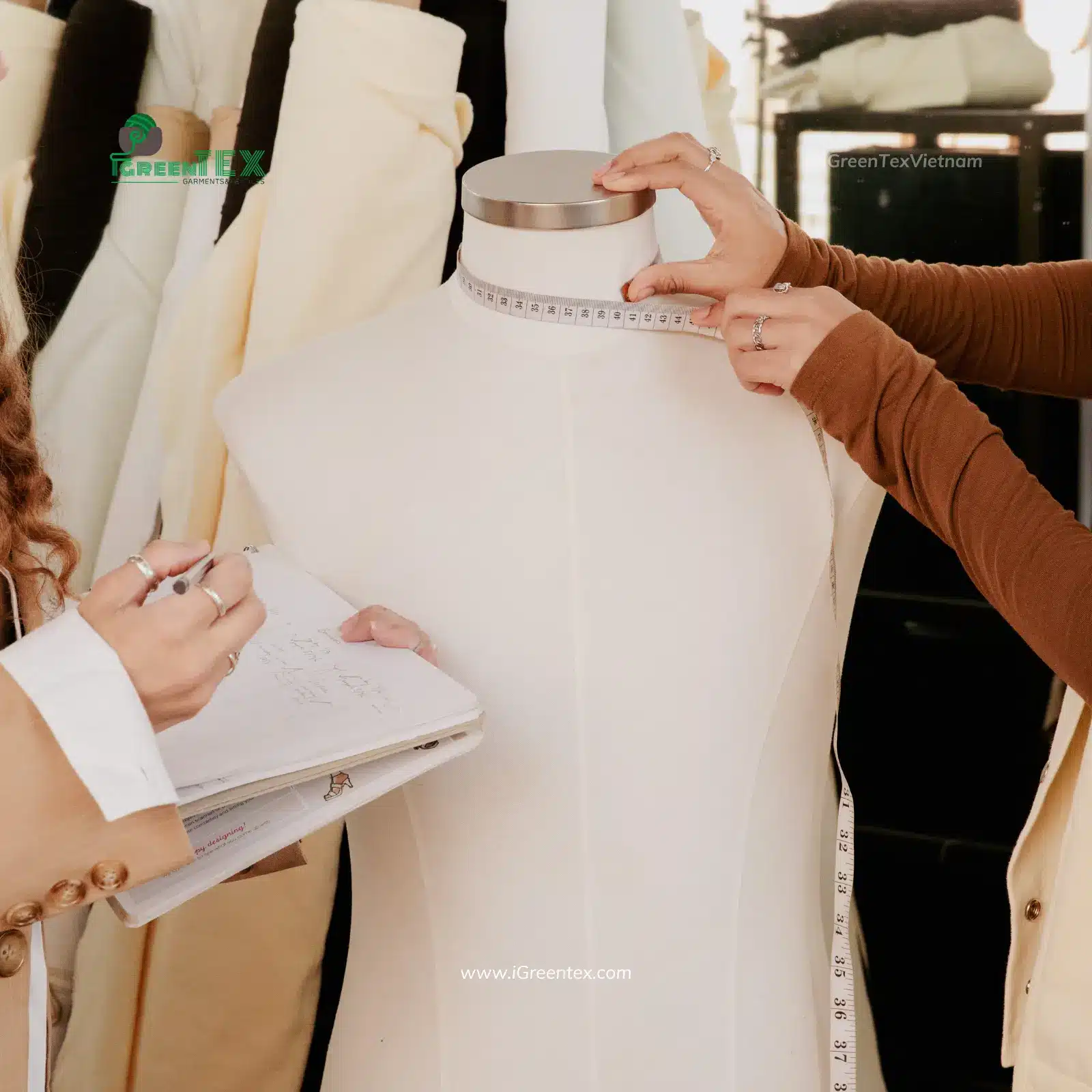
A professional apparel factory must integrate strict quality control systems throughout the manufacturing cycle. Quality cannot be inspected into a garment at the very end; it must be maintained at every step.
- In-Line Inspection: Quality inspectors check partially completed garments at critical sewing stations to catch stitch errors early.
- End-of-Line Inspection: Every completed garment is checked for measurement tolerances, loose threads, and visual defects.
- AQL (Acceptable Quality Limit) Testing: Before shipment, a statistical sample is pulled for final inspection under standard AQL guidelines.
Every professional clothing manufacturing process relies on structured inspection checkpoints. Establishing transparent apparel quality assurance protocols protects brands from costly retail returns and customer complaints.
Step 7: Packing and Shipping
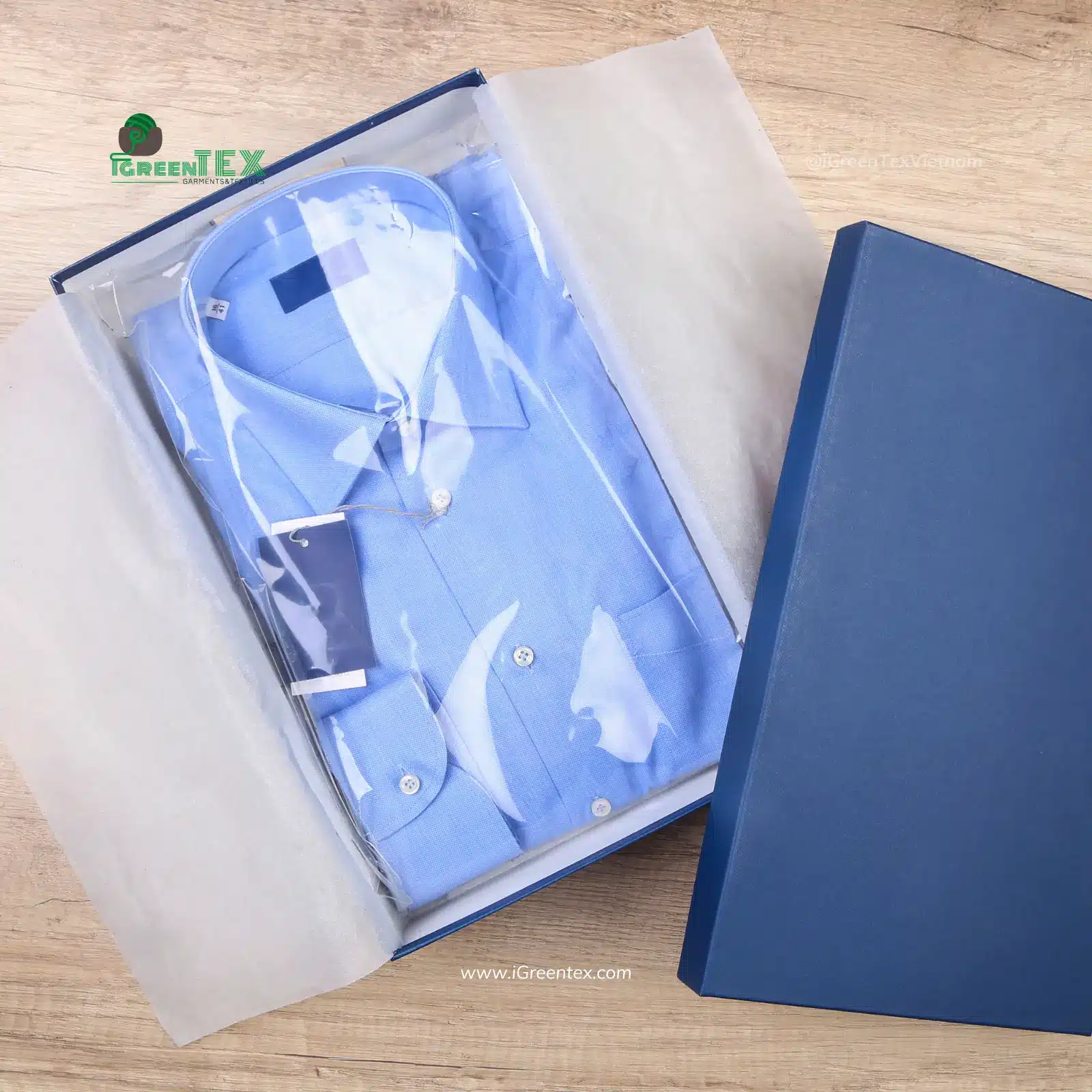
The final stage of the clothing factory process involves preparation for international transport. Finished garments are folded, steam-ironed, and placed into individual polybags.
- Carton Packing: Packed according to ratio sheets to simplify warehouse sorting at the destination.
- Logistics Coordination: The factory coordinates with freight forwarders for FOB (Free On Board) shipping, managing export customs clearance.
As the final stage of the clothing manufacturing process, cargo logistics require meticulous attention. A structured packing process prevents moisture damage, fabric wrinkling, and carton crushing during long-distance ocean transit.
Critical Factors Affecting the Clothing Production Process
Apparel production lead times and final quality are not static. Several key variables can disrupt or optimize your clothing manufacturing process timeline.
- Product Complexity: Garments with complex pocket configurations, lined interiors, or extensive printing require more processing steps.
- Fabric Availability: Stock fabrics can be sourced in days. Custom dyed, organic, or technical performance fabrics can take up to 45 days.
- Order Volume (MOQ): Highly efficient assembly lines require setup time. Larger orders allow sewing operators to build muscle memory, increasing efficiency.
- Seasonal Capacity: Factories experience peak seasons ahead of Fall/Winter retail shipments. Securing production lines early protects your delivery dates.
These operational variables determine the overall apparel production cycle. Sourcing managers must evaluate seasonal fluctuations to avoid unexpected bottlenecks. These variables determine the overall garment production process.
Production Lead Times
Managing lead times is critical for maintaining healthy retail stock levels. Sourcing managers must factor in both manufacturing and transportation times when planning seasonal launches.
A detailed understanding of the clothing manufacturing process prevents unexpected financial losses. This timeline analysis explains the typical clothing production stages and how clothing is manufactured over time.
| Sourcing Stage | Key Operational Activities | Typical Timeline |
|---|---|---|
| Material Sourcing | Fabric milling, dyeing, lab dips, trim fabrication. | 3 to 5 weeks |
| Sampling & Approvals | Fit sample creation, revision loops, PP sample sign-off. | 2 to 4 weeks |
| Bulk Cutting & Sewing | Fabric relaxation, cutting, sewing line assembly. | 4 to 6 weeks |
| Finishing & Packing | Quality inspection, steam pressing, final packaging. | 1 to 2 weeks |
| Ocean Transit (to US) | Port loading, ocean freight, customs clearance. | 3 to 5 weeks |
Modern brands optimize their apparel manufacturing process by using local stock fabrics. This operational choice significantly reduces the initial production lead time.
Comparing Production Models
Apparel brands can choose from several manufacturing models. Understanding the distinct differences between these models, particularly OEM vs ODM, is critical for aligning production with your in-house resources. Choose based on your specific project needs and team bandwidth.
These manufacturing models are not unique to Vietnam’s garment industry. In fact, apparel manufacturers worldwide commonly adopt similar production models to meet different brand requirements, budgets, and supply chain strategies.
- CMT Model: Under this model, the CMT manufacturer provides the labor for cutting, making, and trimming. The clothing brand is responsible for sourcing and delivering all fabrics and trims to the factory floor.
- CM Model: Focuses exclusively on cutting and making. The brand provides all materials. The factory’s sole responsibility is the physical assembly.
- OEM clothing manufacturing: A full-package service where the OEM manufacturer handles everything from fabric sourcing to export logistics based on your designs.
- ODM Clothing Manufacturing: The ODM manufacturer designs and produces the apparel lines. The brand simply selects designs and adds their private label.
If you are looking to scale your apparel line with a reliable manufacturing partner in Southeast Asia, check out our customized OEM clothing manufacturing service for direct access to a certified Vietnamese garment factory. Let us handle your supply chain from fabric sourcing to export delivery.
Read more: Custom OEM clothing manufacturing service
A startup often benefits from working with a private label manufacturer to minimize design development costs. As your brand scales, transitioning to an OEM cut-and-sew factory allows for custom fabric development.
Crucial Self-Assessment Checklist Before Contacting Factories
Most reputable factories publish their compliance certifications, capacity figures, and lead times openly online. Instead of asking basic questions, sourcing managers must first evaluate their own preparation. Contacting suppliers without these internal parameters leads to misaligned expectations and wasted time for both sides.
Before launching your supplier search, ask yourself:
1. Is My Tech Pack Production-Ready?
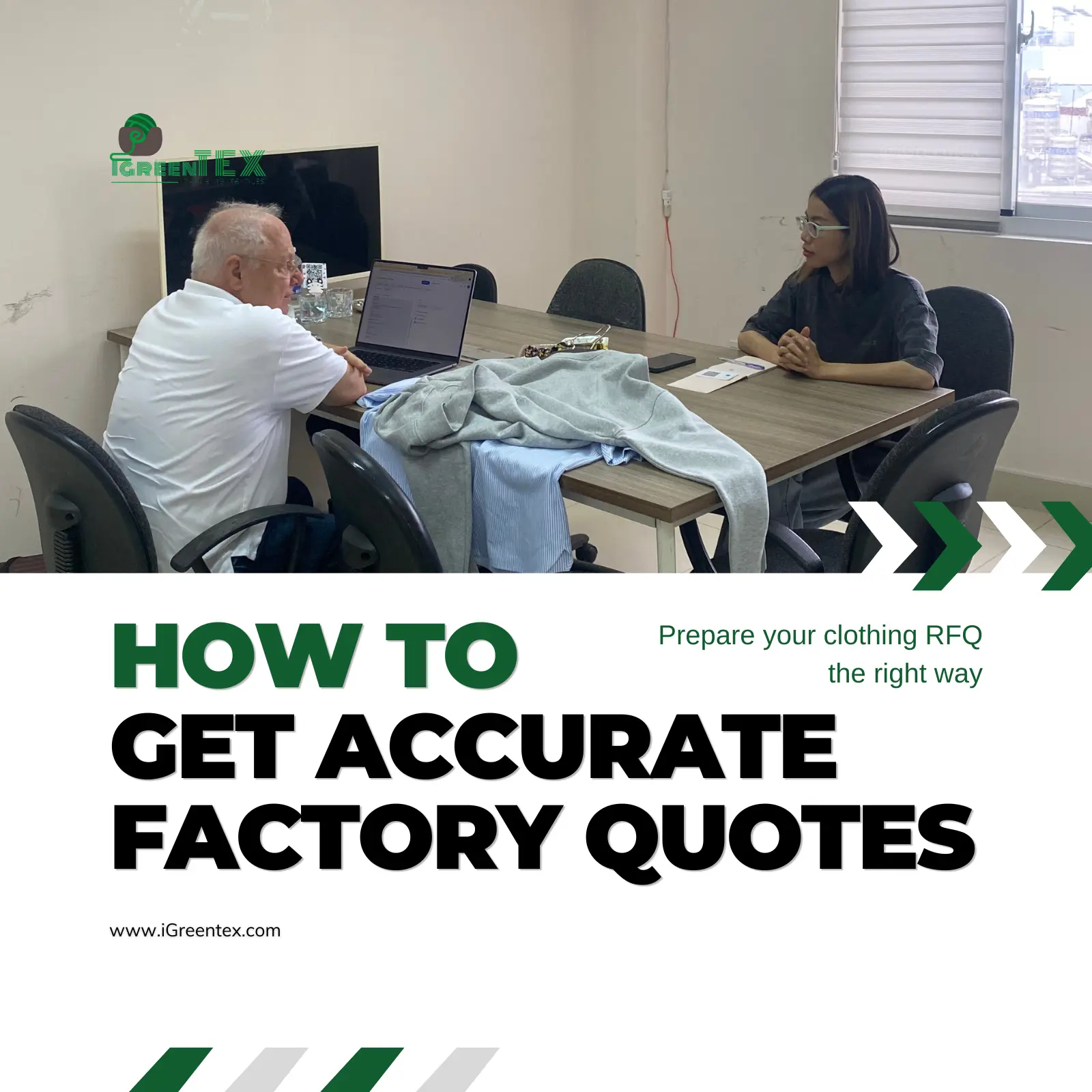
Do you have finalized size charts, material specifications, and technical flats? If your tech pack is incomplete, no reputable factory can offer an accurate price quote.
Xem more:
2. Have I Defined My Target COGS and Retail Price?
Do you know your target unit cost? Knowing your margin requirements helps you filter out factories whose production costs do not align with your business model.
3. Which Collaboration Model Fits My Team’s Bandwidth?
Do you have the resources to source fabrics yourself (CMT), or do you need a full-package partner (OEM)? Choosing the wrong model will overwhelm your internal team.
4. Have I Formulated My Quality Expectations?
What is your acceptable defect rate? You must know your required quality standards and testing tolerances before entering contract discussions.
5. Are My Inventory Projections and Timelines Realistic?
Do you have a clear plan for order volumes and launch dates? Sourcing managers must align their internal calendar with actual manufacturing lead times to avoid stockouts.
Entering negotiations with these answers prepared ensures efficient communication and builds trust with premium manufacturers.
Frequently Asked Questions
Why do global brands manufacture clothing in Vietnam?
Vietnam offers competitive costs, skilled workers, reliable quality, flexible production, strong trade agreements, and growing sustainability, making it a trusted manufacturing hub for global apparel brands.
What is the clothing manufacturing process?
The clothing manufacturing process is the structured, step-by-step workflow of turning an initial technical design into a physical, retail-ready garment. It includes fabric sourcing, sample development, bulk cutting, assembly sewing, quality finishing, and export shipping.
How clothing is manufactured in factories?
In industrial factories, how clothing is manufactured depends on high-speed assembly lines. The process begins with fabric cutting based on CAD markers, followed by systematic sewing assembly, quality inspections, pressing, and packaging.
What is the difference between OEM and CMT manufacturing?
In CMT, the brand sources and delivers all raw materials, while the factory only provides assembly labor. In OEM manufacturing, the factory provides full-package services, managing the entire sourcing, development, and production timeline based on the client’s tech pack.
How long does clothing production take?
The average factory turnaround time for the standard garment manufacturing process is 6 to 12 weeks. This depends on raw material availability, design complexity, factory capacity, and the size of the order.
What affects apparel manufacturing process timelines?
Timelines are primarily affected by fabric development cycles, design complexity, seasonal factory capacity, and trim approvals. Sourcing custom-dyed or specialty performance fabrics is the most common cause of extended lead times.
Which manufacturing model is best for startups?
Startups often find the OEM model or low-MOQ ODM model best. These models reduce the operational burden of managing complex supply chains, allowing founders to focus entirely on marketing and brand growth.
Conclusion
Managing a successful clothing production line requires detailed planning, clear communication, and absolute internal readiness. By defining your product goals and establishing precise tech packs first, you can easily partner with factories that match your technical needs.
If you are ready to transition from planning to physical production, please contact our expert manufacturing team today. We look forward to analyzing your technical requirements, discussing optimal fabrics, and securing reliable logistics for your custom clothing manufacturing process.