How to Prepare a Clothing RFQ That Gets Accurate Quotes
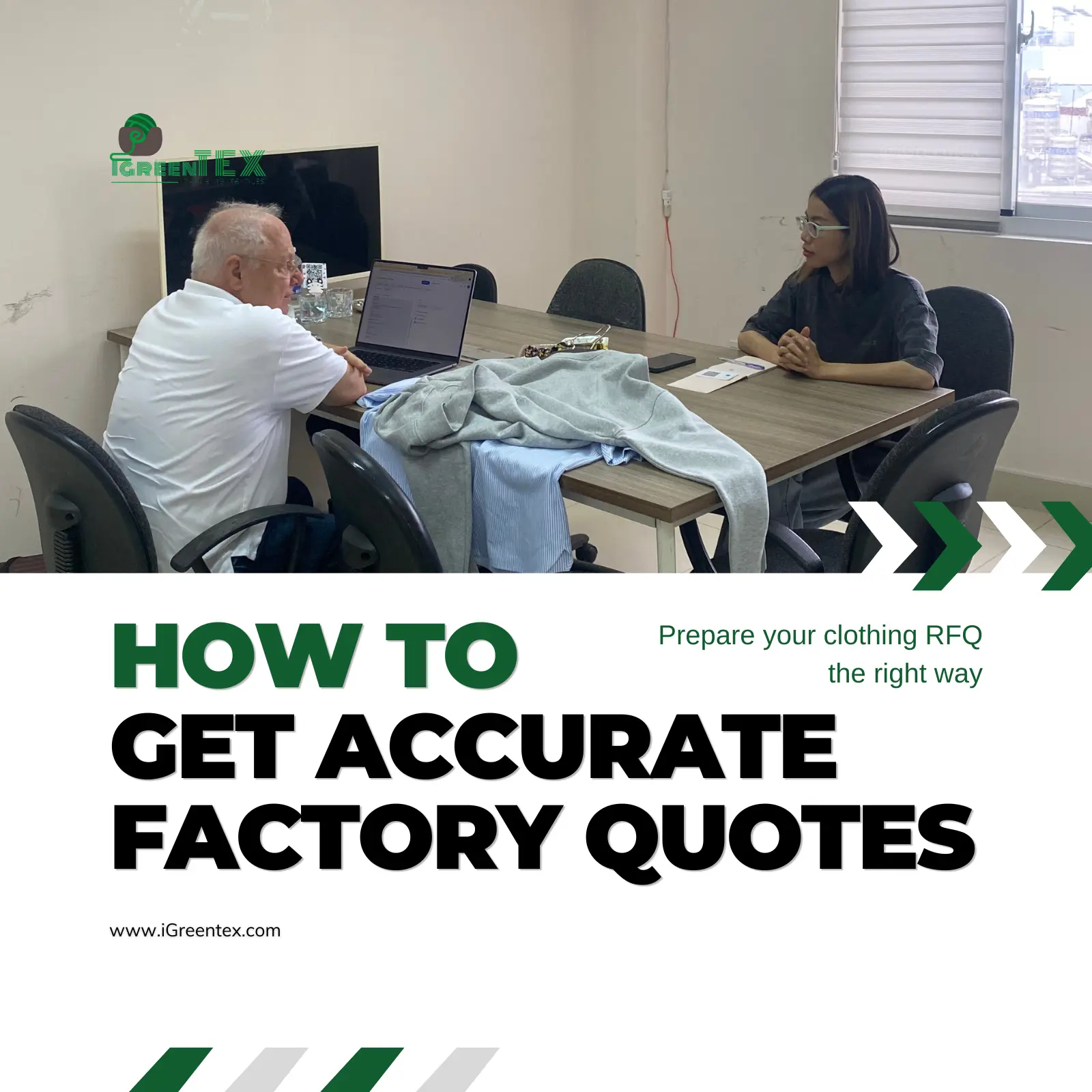
You often face immense pressure to secure reliable pricing quickly. Many believe they only need to send a product image to get a price. They simply email a photo and ask, “How much does this cost?”
However, this approach rarely works in professional production. Factories cannot provide an accurate price without specific technical details. This lack of information leads to endless back-and-forth emails. It also causes frustrating production delays. Most importantly, the final price is often completely wrong.
A well-prepared garment request for quotation saves time for both you and your manufacturing partner. It leads to faster responses and highly accurate pricing. It also prevents unexpected financial costs after production begins.
Before contacting a factory, you must know what information they actually need. If you are exploring why to manufacture clothing in Vietnam, having clear specifications is your first step to success. Every detailed garment quotation request helps you secure stable production faster.
Why Many Clothing RFQs Receive Inaccurate Quotes
Apparel brand owners send incomplete inquiries every day. A factory might receive a message saying, “I need 5,000 T-shirts. What is the best price?”
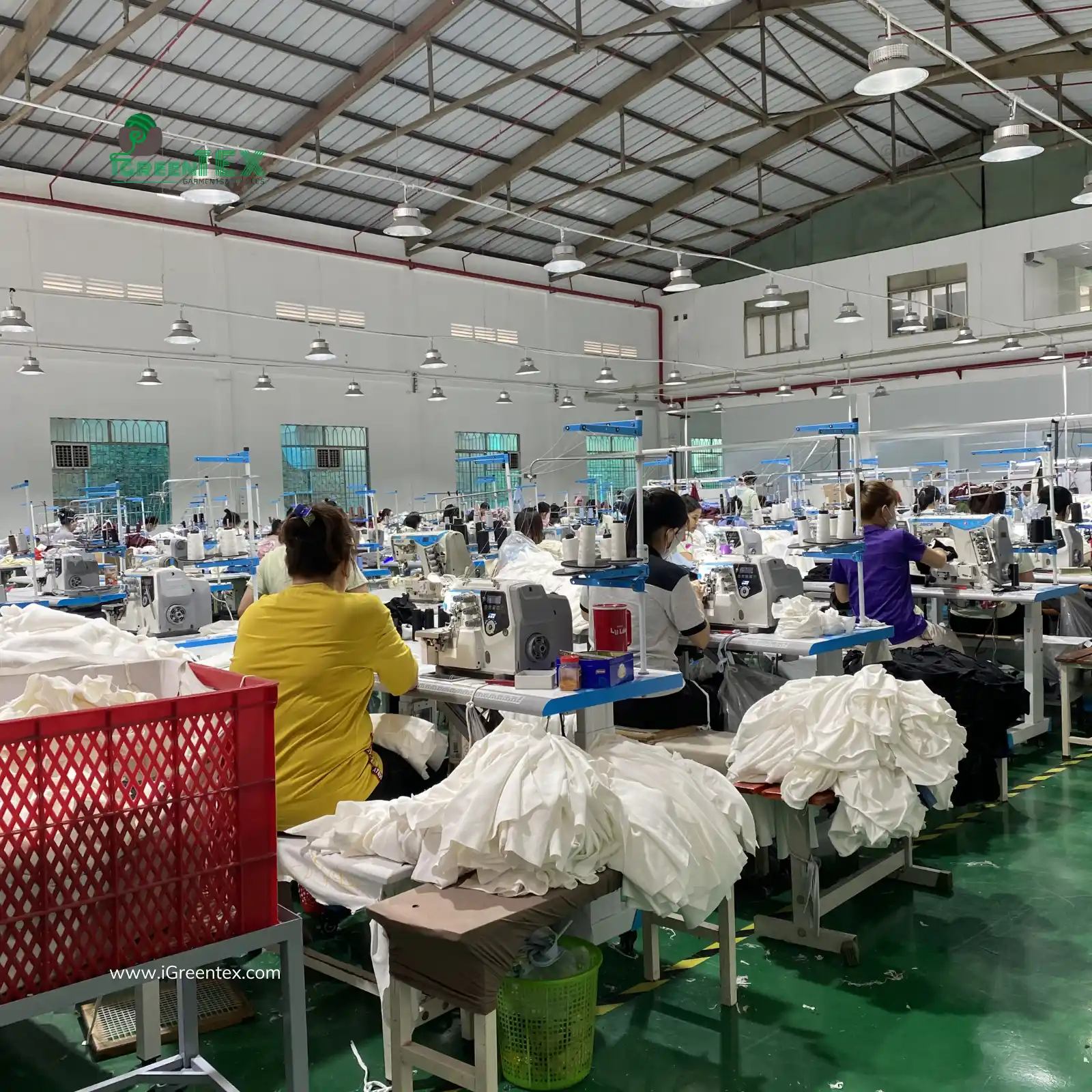
This message lacks vital production information. It has no details about sizing, fabric composition, weight, or branding. It mentions nothing about artwork techniques or final packaging. Therefore, it is completely impossible for any clothing manufacturer in Vietnam to quote accurately.
What happens when important information is missing?
When a clothing RFQ lacks specific technical detail, several negative things happen to your project.
First, procurement teams face heavily delayed quotations. The factory must spend days just asking basic qualifying questions.
Second, you will experience multiple price revisions. The unit price changes every single time you add a new detail.
Third, factories are forced to make wrong material assumptions. A factory might quote based on standard 180 GSM fabric. However, your brand actually expected a premium 220 GSM material. This completely changes the product feel and unit cost.
Fourth, you face unexpected production costs later. Printing techniques, intricate embroidery, custom labels, and retail packaging all increase the final price.
Finally, severe production delays occur. The actual production schedule cannot begin until all specifications are strictly finalized.
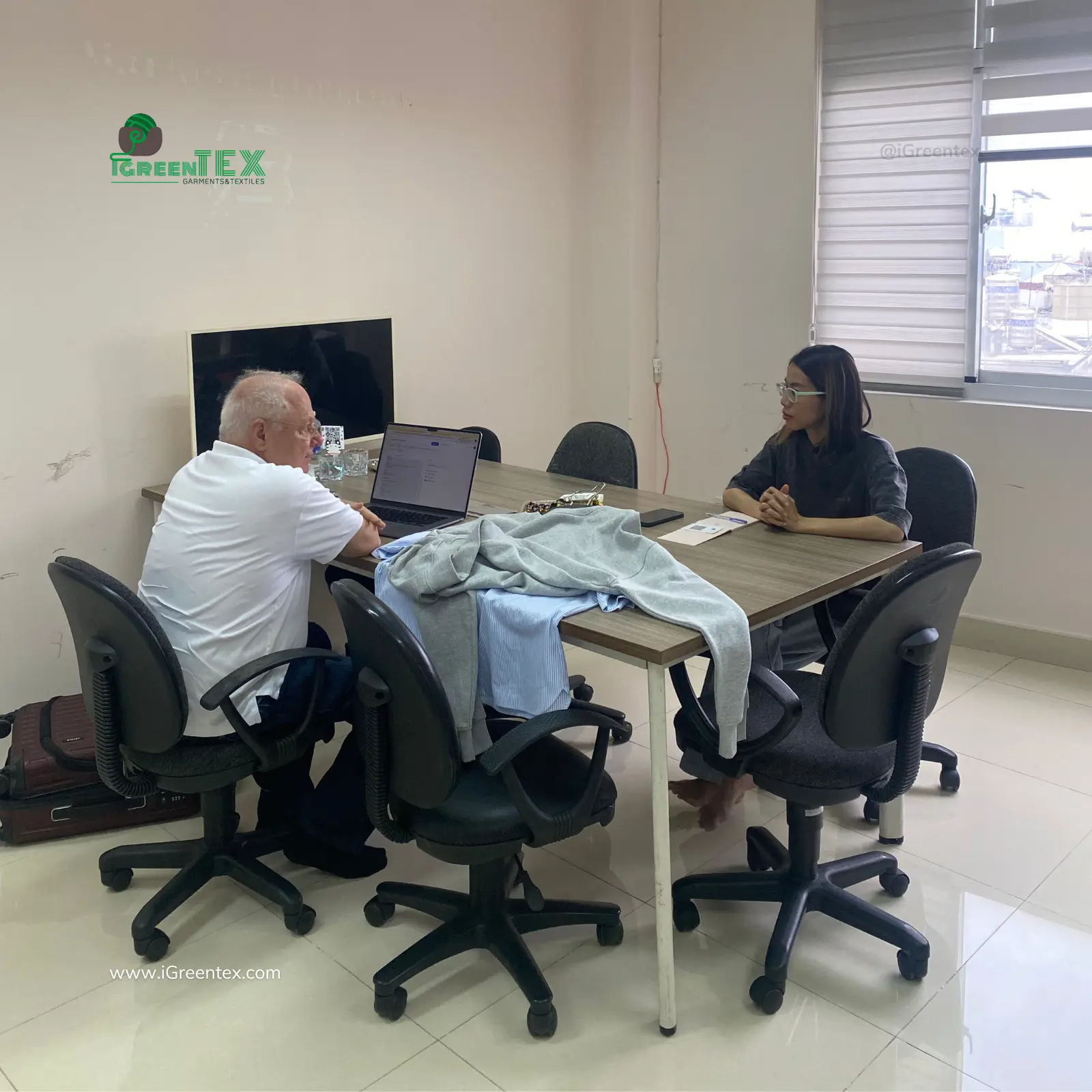
To avoid these costly issues, you must partner with reliable suppliers from the start.
Read more: How to Find the Best Clothing Manufacturers
What Information Should You Prepare Before Sending a Clothing RFQ?
Providing complete details is the only way to get a precise clothing manufacturer quotation. You must structure your project request logically. Here is exactly what you need to include.
Product Overview
Start by clearly defining the basic product category. Is it a basic crew neck T-shirt, a heavyweight hoodie, or a jogger? Each product requires different machinery and production lines. This gives the factory immediate context to assess the project.
Estimated Order Quantity (MOQ)
You must state your exact target quantity. Provide a specific number like 300, 1000, or 5000 pieces per style.
Factory pricing changes drastically depending on the order volume. Higher volumes significantly reduce the cost per unit due to bulk purchasing. Be clear about your Minimum Order Quantity (MOQ) expectations.
Target Market
Tell the factory where you will legally sell the final products. Markets like the US, Europe, Japan, and Australia have different compliance laws. The factory will recommend suitable testing and chemical safety standards accordingly.
Fabric Information
This is absolutely critical for any garment request for quotation. If you skip this, the factory can only guess the material. A wrong guess means an inaccurate quote and possible quality failures.
You must provide:
- Fabric composition (e.g., 100% Cotton, Poly-blend)
- Weight (GSM – Grams per Square Meter, e.g., 180 GSM)
- Construction type (e.g., Combed Cotton, Single Jersey)
- Finish and Wash (e.g., Reactive Dye, Pre-shrunk, Silicone wash)
Size Specification
List your exact size range clearly. Do you need S-XL or extended XS-3XL sizing? Specify if the fit is tailored for kids, women, or men. You must also mention if it is an oversized or regular fit. Size grading impacts fabric consumption directly.
Artwork & Decoration
Clothing brands must detail all logos and external designs. Specify the exact application technique you want.
Are you using traditional screen printing, DTF (Direct to Film), or rubber print? If you lack these details, the factory cannot calculate ink or labor costs. As a result, the price will inevitably change later.
Read more: Custom Garment Printing Service
Do you need custom embroidery? You must provide exact placement, dimensions, and thread colors. Different stitch counts result in different production times and costs.
Read more: Custom Garment Embroidery for Production
Colorways
How many different colors are in your upcoming collection? Are you using specific Pantone codes? Will you use custom dyed fabrics or factory stock colors? Custom dyeing usually requires a much higher MOQ to execute efficiently.
Labels & Trims
Do not forget your internal branding elements. List strict requirements for the main neck label, care label, and hangtags. Detail any necessary barcode stickers, size stickers, or polybag warnings.
Packaging Requirements
Specify exactly how you want the finished goods packed. Do you need individual polybags and specific garment folding methods?
Detail the master carton size, inner carton rules, and total carton weight limits. Retail-ready packaging or strict Amazon FBA requirements must be stated clearly upfront.
Delivery Requirements
Define your international shipping terms clearly. Are you requesting FOB (Free On Board) or EXW (Ex Works) pricing? Provide the final destination country and your required delivery deadline.
Whether you utilize an OEM or an ODM model, this logistical data is strictly mandatory.
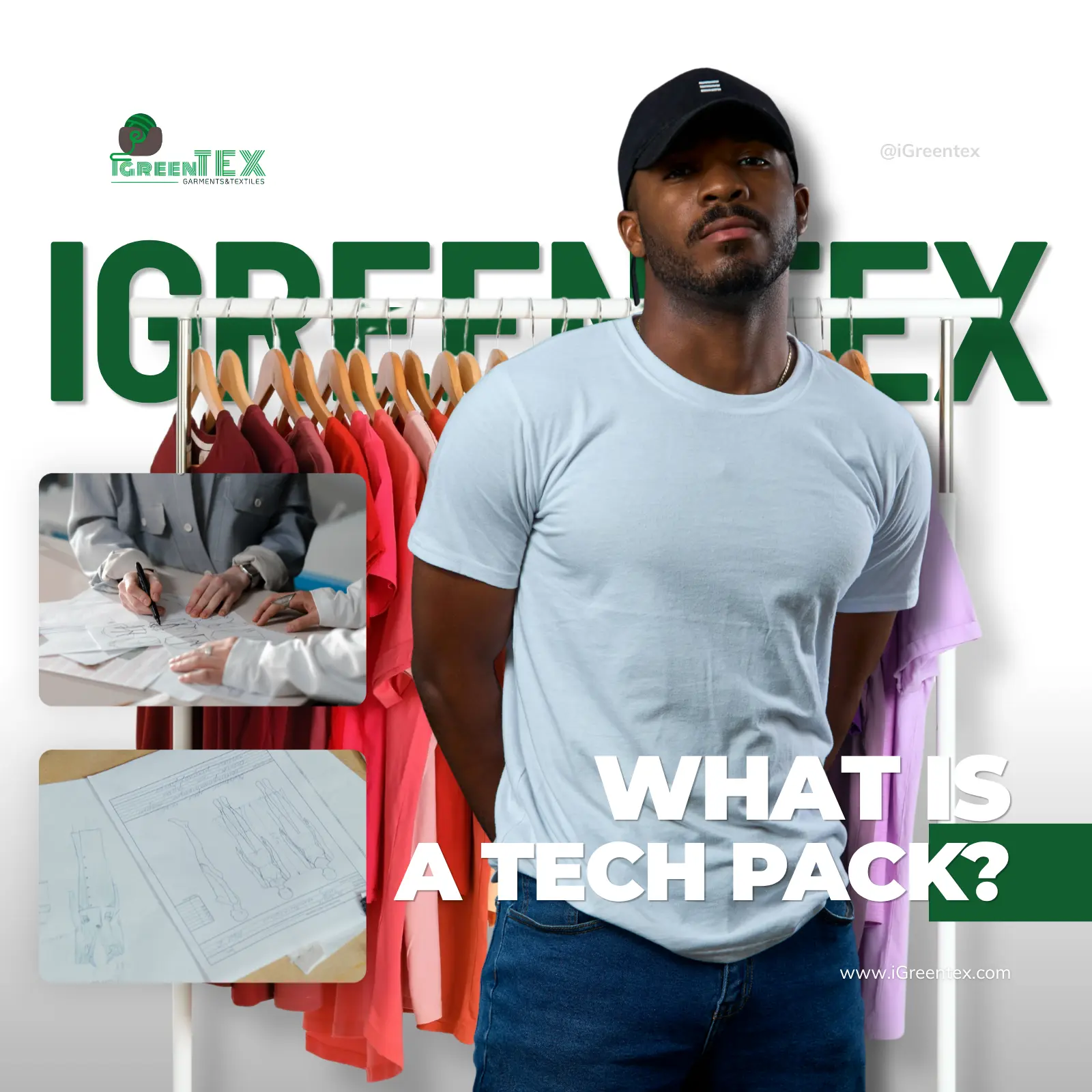
Tech Pack: The Fastest Way to Receive Accurate Clothing Quotations
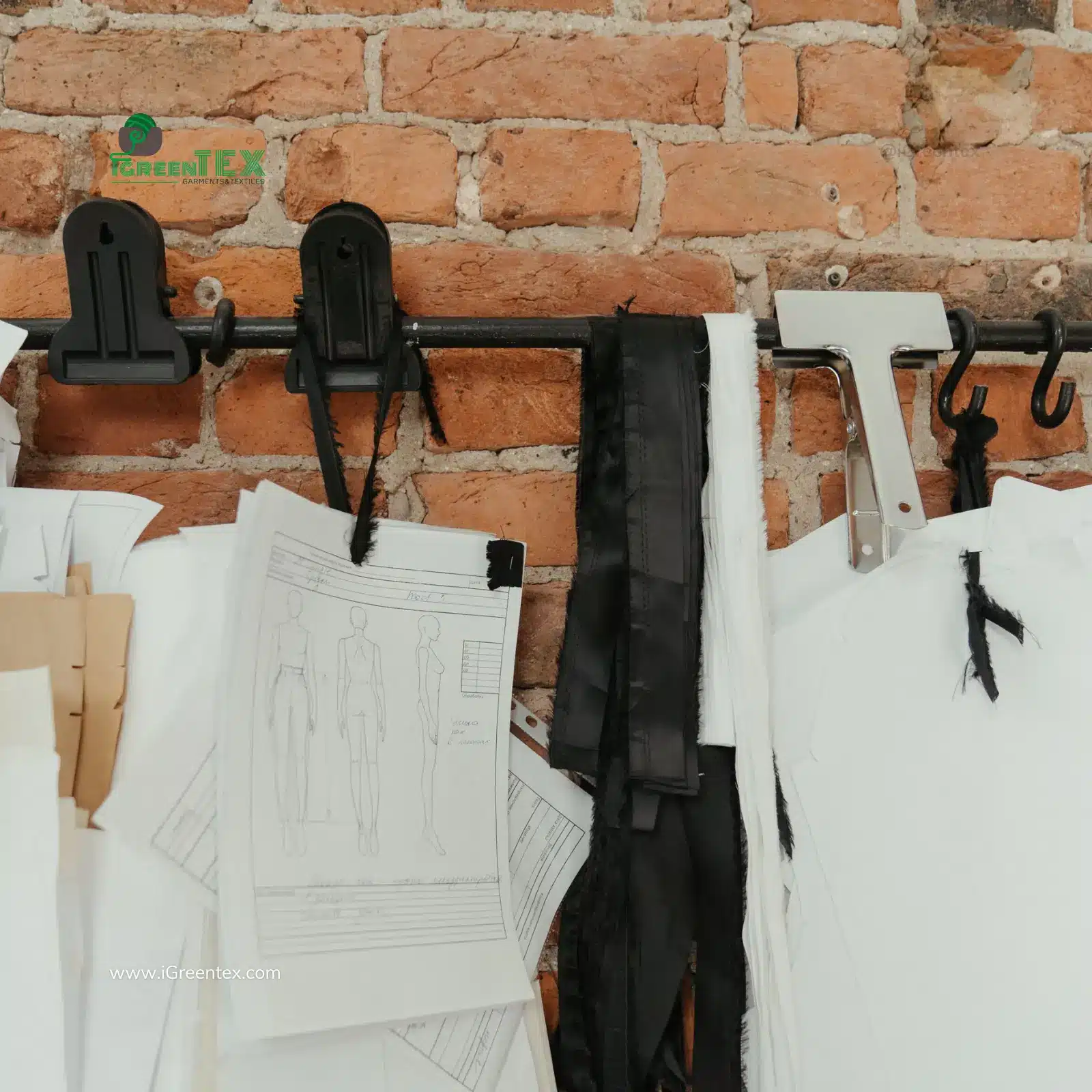
A tech pack is not just a visual blueprint for production. It is actually one of the best tools for obtaining a precise clothing manufacturer quotation. It eliminates costly guesswork completely.
What should a clothing tech pack include?
A complete, professional tech pack acts as the perfect apparel RFQ template. It should always include:
✓ Front, back, and side view sketches
✓ Detailed grading and measurement charts
✓ Fabric and exact color specifications
✓ Specific stitching and seam instructions
✓ Label and artwork placements
✓ Printing and embroidery details
✓ Packaging and custom accessory requirements
✓ Construction notes and measurement tolerance limits
Minimum information a factory needs
What if you do not have a full tech pack yet? You can still get a preliminary estimate.
Provide at least a clear front and back image. State the exact fabric type, GSM, and total order quantity. Include your logo details, size range, packaging rules, and delivery country. This minimum data allows a factory to calculate realistic initial costs.
Before moving forward with any pricing, you should always audit your potential partners.
Read more: How to Verify Garment Suppliers in Vietnam: A Pro Guide
Can AI Help You Create a Clothing Tech Pack?
Many modern procurement teams now use AI tools to speed up their workflow. You can easily use AI to draft initial documents before sending a clothing RFQ.
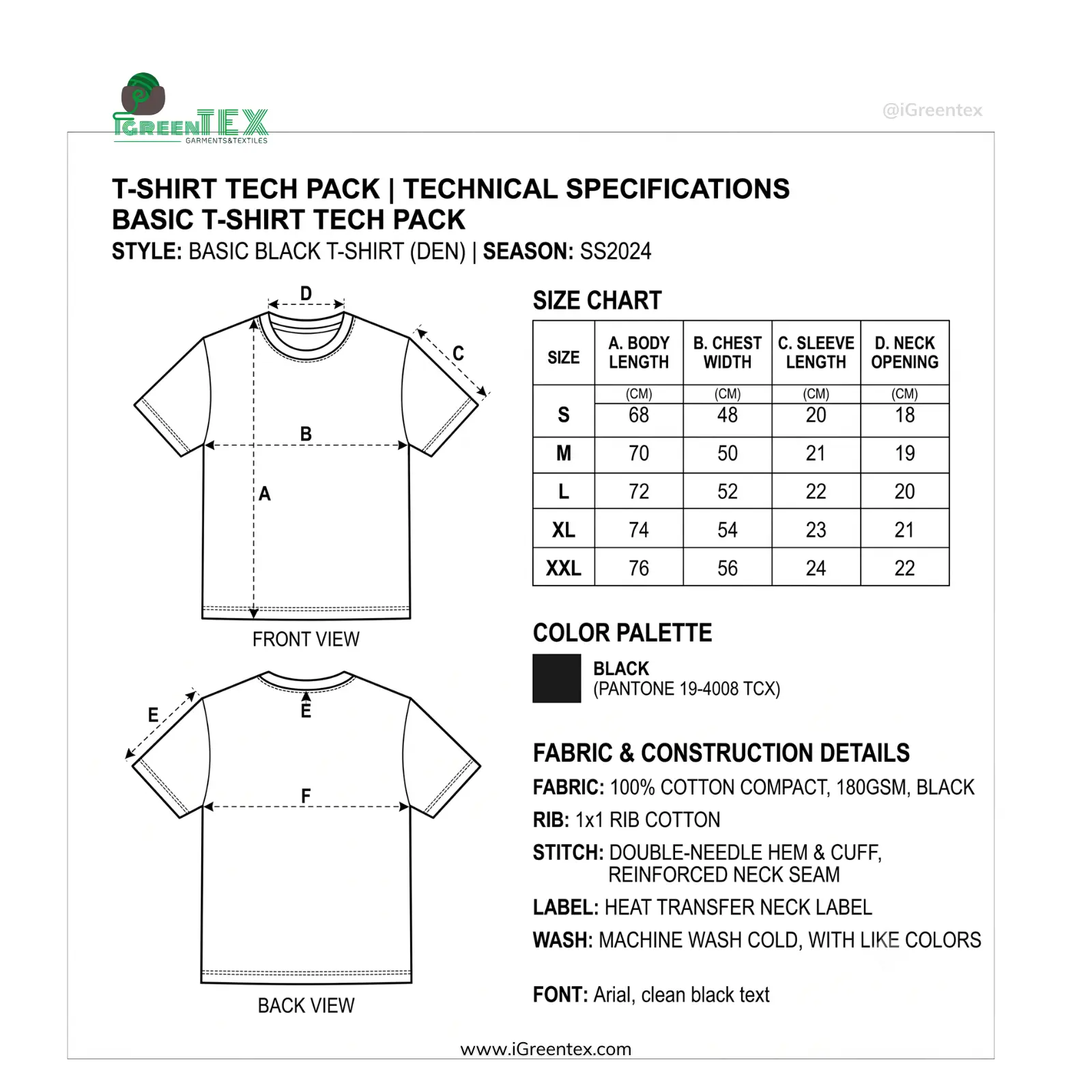
AI can generate standard measurement tables and write clear product descriptions. It can list necessary raw materials and create comprehensive quality checklists. It is an excellent tool for organizing your initial documents quickly.
However, AI absolutely cannot replace a human technical design review. It simply does not understand the physical nuances of the Vietnam garment industry.
Things AI cannot decide for you
AI cannot make critical physical decisions. It cannot determine the exact garment shape, structural silhouette, or real-world fit. It cannot decide perfect logo placement or dictate brand-specific measurements.
Furthermore, AI struggles to match precise Pantone colors accurately for fabric dyeing. It cannot understand intricate construction details specific to your unique brand requirements.
Always review AI-generated tech packs carefully. You must verify every single detail before sending any garment request for quotation to manufacturers.
Example Clothing RFQ
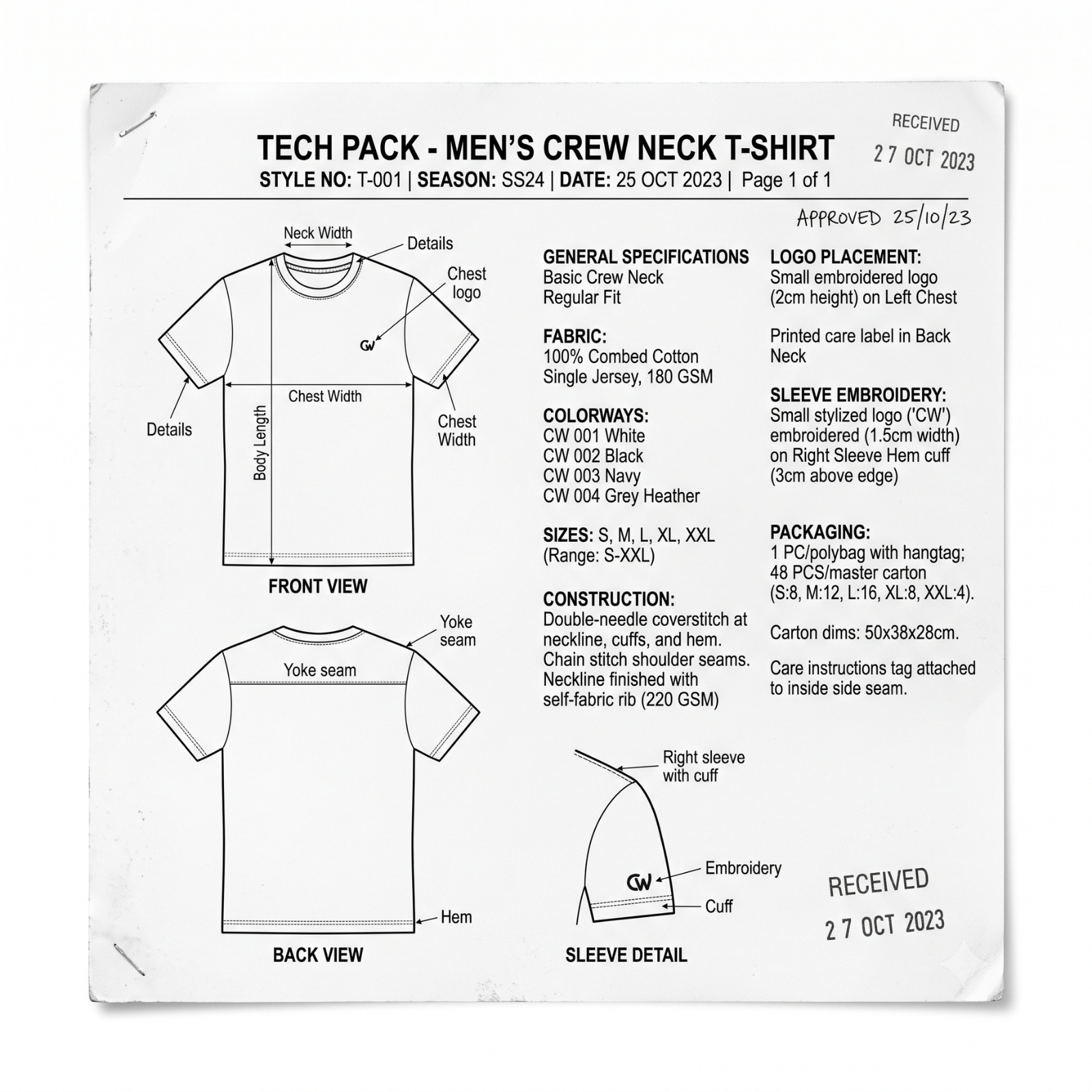
Let us look at a highly practical example. This structured format shows exactly how clarity improves factory communication.
- Product: Basic Crew Neck T-shirt
- Fabric: 100% Cotton, 180 GSM, Single Jersey, Reactive Dye
- Quantity: 3000 pcs total
- Sizes: S-XXL (Standard US Fit)
- Colors: Black, White, Navy (1000 pcs each)
- Logo: 1 Chest Screen Print (2 colors), 1 Back Print (1 color)
- Embroidery: Left Sleeve Logo (Small, 3cm width)
- Packaging: Individual Clear Polybag, Barcode Sticker, Size Sticker, Export Carton
- Destination: Los Angeles, USA
- Delivery Term: FOB Ho Chi Minh
Result: When a factory receives this clothing RFQ, they understand the project immediately. They can prepare a highly reliable quotation without asking ten different clarifying questions.
If you need full-service, reliable production for a similar project, you need the right partner.
Read more: Custom OEM Clothing Manufacturing Service
RFQ Checklist Before Contacting a Clothing Manufacturer
Use this essential checklist to build your own apparel RFQ template. Ensure you have all these details finalized before contacting any factory.
✓ Product Type & Category
✓ Quantity per style and color
✓ Exact fabric composition
✓ Fabric weight (GSM)
✓ Color ways and Pantone codes
✓ Detailed Size Chart
✓ Artwork dimensions and placement
✓ Printing techniques
✓ Embroidery specifications
✓ Label and tag requirements
✓ Packaging instructions
✓ Delivery Terms (e.g., FOB)
✓ Destination port or country
✓ Tech Pack (if available)
✓ Target Price (Optional, but highly helpful)
A complete, structured checklist ensures your clothing RFQ gets immediate, serious attention from top factories.
Frequently Asked Questions
Can a factory quote from only a photo? No. A simple photo cannot show fabric weight, material composition, or hidden construction details. A factory absolutely needs technical specifications to calculate real material and labor costs.
What is the minimum information needed for a clothing RFQ? At a minimum, you need clear product images, fabric type, GSM, total quantity, size range, and delivery destination.
Do I need a tech pack before requesting a quotation? It is highly recommended for accuracy. However, a detailed garment quotation request document can suffice for initial pricing estimates.
Can I change specifications after receiving a quotation? Yes, but the price will definitely change. Every new physical detail affects material consumption, labor time, or sourcing costs.
How accurate is a clothing manufacturer quotation without a tech pack? It is only a rough estimate. Without a tech pack, the factory must make assumptions. The final bulk production price may differ significantly.
Should I include packaging requirements in my garment request for quotation? Yes. Special packaging like custom boxes, rigid inserts, or specific polybags adds directly to material and labor costs.
Can AI generate a complete clothing tech pack? AI can structure the basic document and write text descriptions. However, it cannot finalize real-world fit, specific measurements, or custom physical brand details.
How long does a factory need to prepare a quotation? With a perfect apparel RFQ template, a factory can quote within 24 to 48 hours. Missing details cause days or even weeks of delay.
Conclusion
A complete clothing RFQ does much more than speed up initial pricing. It helps sourcing managers compare different suppliers fairly on the exact same basis. It drastically reduces the risk of unexpected costs. It also significantly shortens the time needed to start bulk production.
If you do not have a tech pack yet, do not worry. Prepare the minimum details like product type, fabric composition, GSM, quantity, and sizing. Add your specific printing, embroidery, and packaging rules. This ensures your garment quotation request yields a highly reliable estimate.
Once your apparel project is clear, finalize your tech pack before confirming the order. This limits costly, frustrating changes during active production.
To help you streamline this vital process, we have prepared three useful resources. You can download a complete apparel RFQ template to send directly to factories. You can also review our basic tech pack template designed for T-shirts and polos. Finally, utilize our one-page pre-RFQ checklist before sending your next garment request for quotation.
These distinct tools give you everything you need to request a precise clothing manufacturer quotation. As a strategic production partner, iGreen Tex Vietnam is always ready to review your specifications and provide fast, transparent pricing.