Boutique Factory vs Mass Production: How Clothing Factories Operate Differently
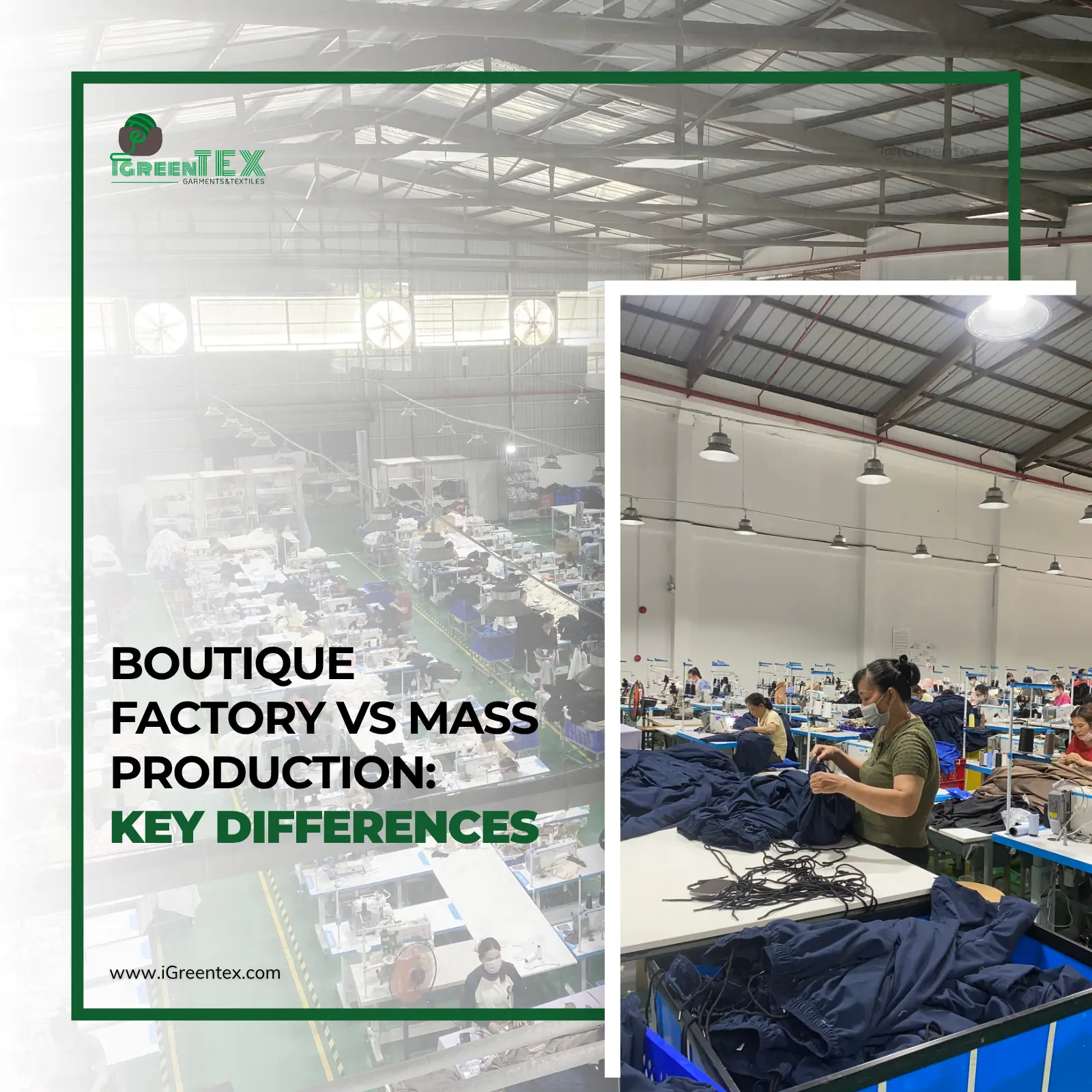
Many apparel brand owners and sourcing managers believe that a larger factory is always the superior choice. Conversely, some procurement teams prioritize smaller manufacturers, assuming they inherently offer more flexibility. However, in reality, factory size does not directly determine which manufacturer is the best fit for your specific order.
The true difference between a boutique factory vs mass production model lies in how they operate. These differences impact critical areas such as production volume, workflow structure, labor allocation, machinery, quality control, production flexibility, and order management.
In this article, we will compare boutique factory vs mass production based on their actual operational mechanics. The goal is to help you understand how these different factory models function so you can select the right strategic partner for your apparel production needs.
What Is a Boutique Clothing Factory?
When sourcing apparel, you might encounter the term boutique clothing manufacturer. This refers to a specific production model, not just a factory that makes high-end clothes.
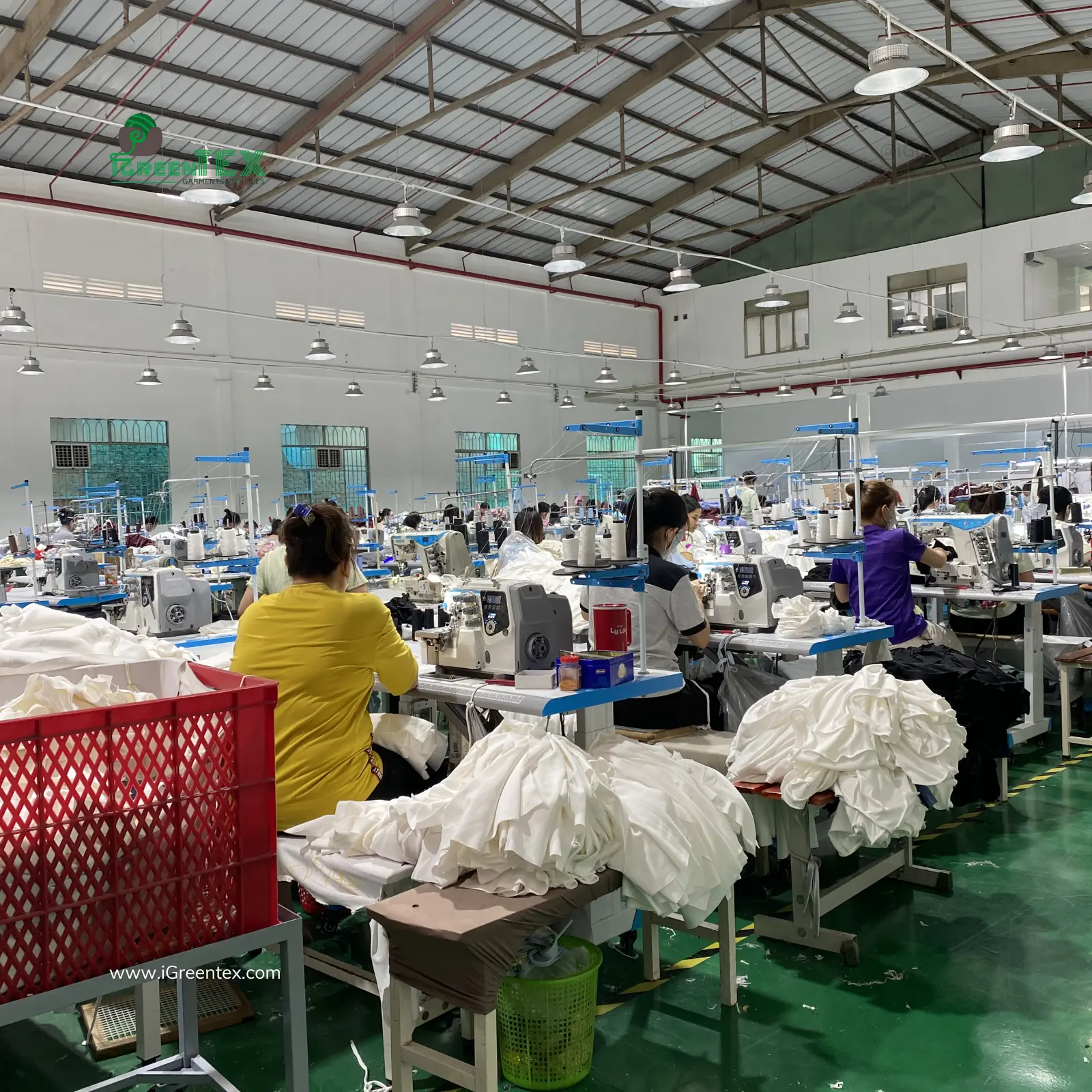
How a Boutique Factory Typically Operates
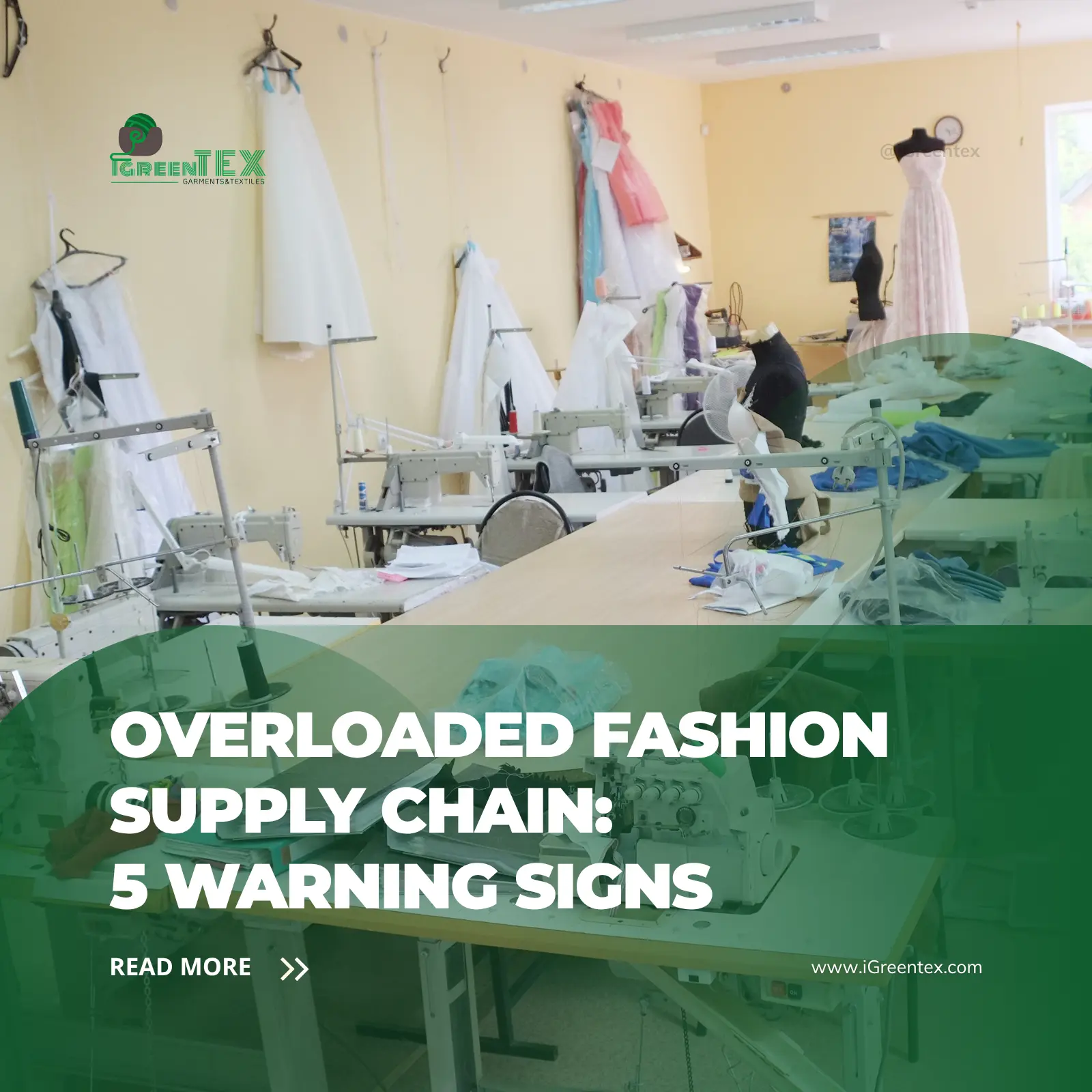
A boutique factory is generally characterized by a more concentrated scale of operations.
- Smaller production teams: They employ fewer workers overall compared to large-scale facilities.
- Smaller production capacity: Their monthly output is lower, making them suited for specific order profiles.
- More flexible production scheduling: With fewer active lines, they can sometimes adjust schedules more readily.
- Fewer production lines: The physical layout involves fewer dedicated assembly lines.
- Greater attention to individual orders: A smaller client base allows the management team to focus intensely on each project.
- Easier communication: The distance between the buyer and the actual production team is often shorter.
How Boutique Factories Handle Orders
The workflow within a boutique clothing manufacturer often reflects its size. The typical flow involves buyer requirements, sampling, production planning, small or medium batch production, quality control, and finally, delivery.
This workflow can be highly adaptable. When designs change, or when the quantity is not excessively large, a smaller setup can pivot more easily. If a buyer requires high customization or has a collection with many different SKUs (Stock Keeping Units) and styles, the direct communication line to the production team is a significant advantage.
When a Boutique Clothing Manufacturer Can Be a Better Fit
It is inaccurate to say a boutique factory is universally “better.” Rather, it is a more suitable choice under specific circumstances.
Apparel brands should consider this model for small or medium orders. It is also highly effective for new brands launching their first lines or for product testing before a wider release. If you are producing limited collections, require frequent design changes, or have high customization requirements, this focused model often aligns well with those needs.
What Is a Mass Production Factory?
On the other end of the spectrum is large scale clothing manufacturing. This model is engineered for volume, efficiency, and consistency.
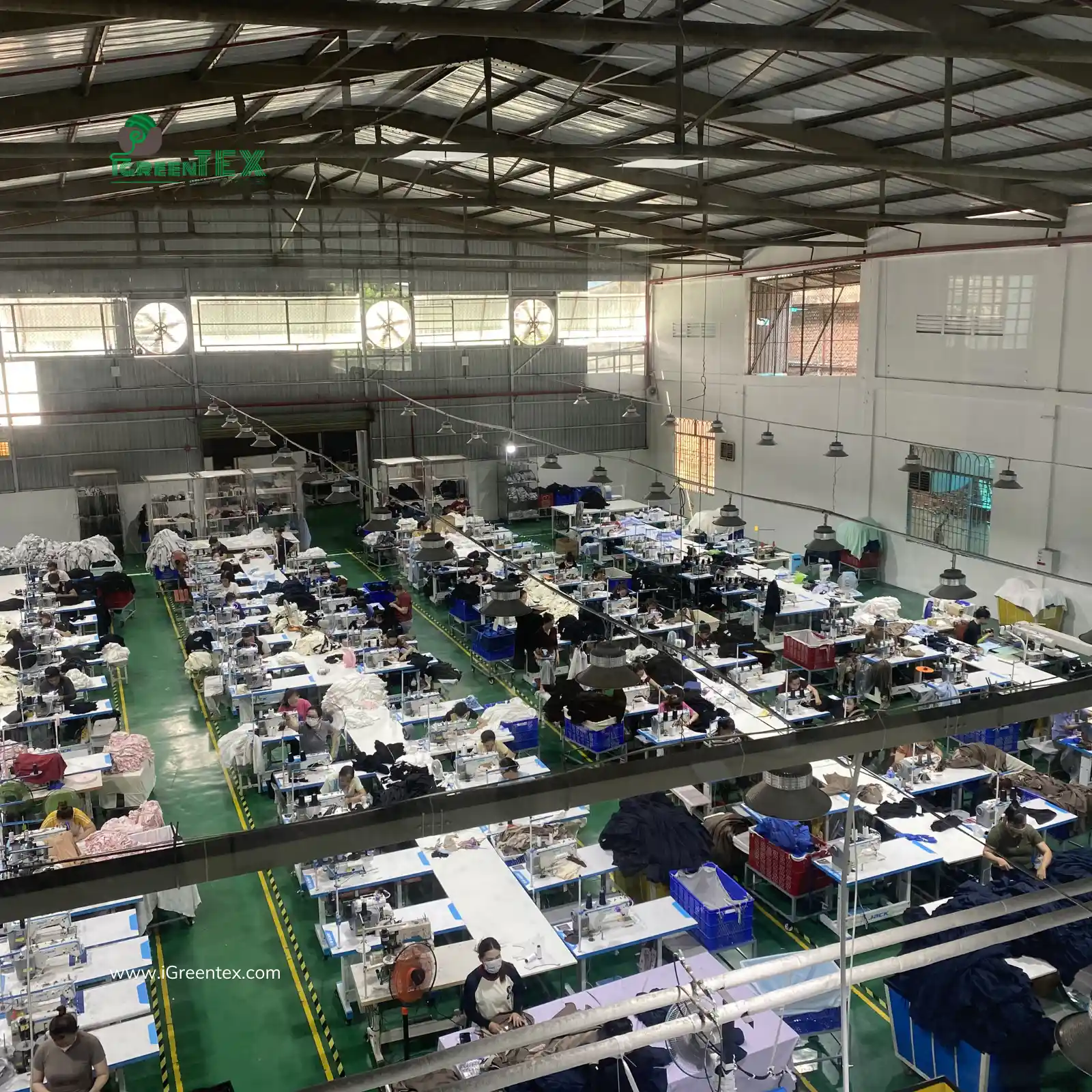
How Large-Scale Clothing Manufacturing Is Structured
The operational mechanics of large scale clothing manufacturing are fundamentally different.
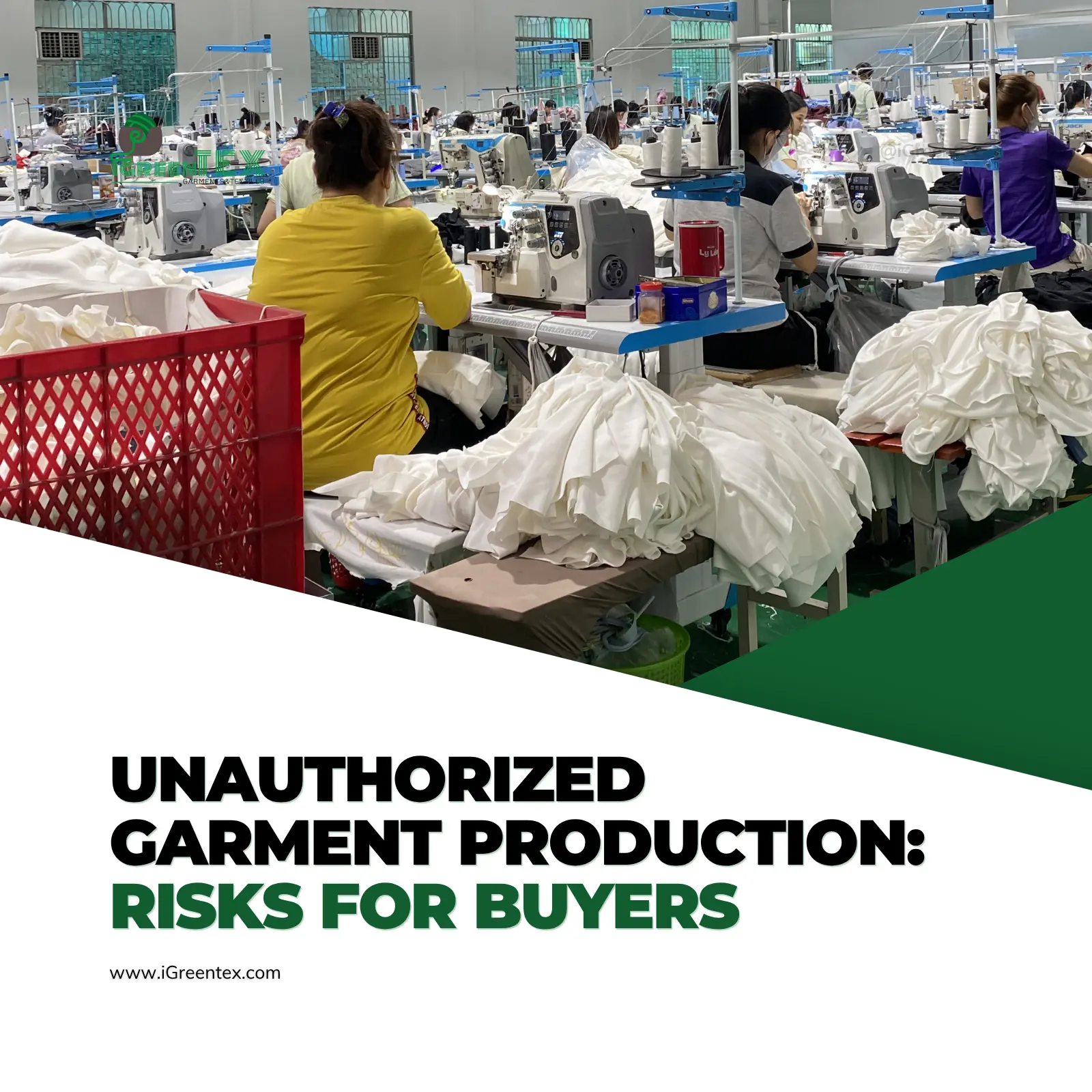
- Multiple sewing lines: The factory floor is expansive, housing numerous parallel production lines.
- Specialized production departments: Tasks are heavily departmentalized (e.g., cutting, sewing, finishing, packing).
- Dedicated workers for specific operations: Labor allocation is highly specialized. A worker might solely attach collars, maximizing speed on that single task.
- Production planning systems: They rely on sophisticated software and structured planning to manage massive material and order flows.
- Material allocation and line balancing: These are critical engineering tasks to ensure smooth, uninterrupted production.
- Standardized processes: Every step is documented and standardized to minimize variance.
For example, the workflow strictly follows a linear progression: Cutting → Bundling → Sewing → Finishing → Inspection → Packing.
Why Large Factories Focus on Standardization
As production volume increases, a factory cannot rely on informal processes. To maintain efficiency and quality across thousands of units, they require standardized operations and repetitive workflows. The specifications must remain stable once production begins. They need consistent materials and strict quality control checkpoints integrated directly into the assembly line to catch issues before they multiply. Production line efficiency is the core metric for these facilities.
When Large-Scale Clothing Manufacturing Makes More Sense
This model is the optimal choice for high-volume orders and consistent repeat orders. If your designs are stable and specifications are locked in, a large factory will deliver the best economies of scale. It is the necessary route for extensive retail programs, large seasonal launches, and procurement teams requiring highly scalable production to support rapid brand growth.
Small Clothing Factory vs Large Factory: How Their Operations Differ
To fully understand the small clothing factory vs large factory dynamic, we must compare their operational factors directly. This comparison highlights why selecting a manufacturer based purely on size is a flawed strategy.
| Operational Factor | Small/Boutique Factory | Large/Mass Production Factory |
|---|---|---|
| Production volume | Small to medium | Medium to high |
| Production lines | Fewer | Multiple |
| Workflow | More flexible | More standardized |
| Customization | Usually easier | More controlled |
| Production planning | Flexible | Highly structured |
| Labor allocation | Multi-skilled / flexible | Specialized |
| Change management | Faster for smaller changes | Requires formal production planning |
| Scalability | Limited | High |
| Quality control | Order-focused | Systematic at multiple checkpoints |
Production Capacity
When evaluating a small clothing factory vs large factory, production capacity is the most obvious differentiator. A large facility will have a significantly higher capacity per month due to a greater number of production lines and a massive available labor pool. Crucially, a large factory has a much higher ability to absorb additional, unexpected orders during peak seasons without disrupting their overall schedule.
Production Flexibility
Flexibility is often where the small clothing factory vs large factory debate centers. A smaller operation can generally accommodate design changes or quantity adjustments more fluidly because they have fewer bureaucratic layers. Their production scheduling is less rigid. In contrast, introducing a design change in a large factory after the line is set up causes massive disruption and requires complex rescheduling.
Labor and Production Line Structure
The labor strategy differs drastically. In a boutique setting, you find smaller teams where workers may handle multiple operations. They might sew an entire garment or manage several different machines.
In mass production, you find specialized operators working on dedicated production lines. This structured labor allocation ensures maximum speed and consistency for that specific operation, but it sacrifices the flexibility of multi-skilled workers.
Quality Control Workflow
A common misconception is that a small factory guarantees better quality, or conversely, that a large factory’s resources ensure superior results.
In reality, quality depends on the factory’s quality control system, clear specifications, and the inspection process, not simply its size. A boutique factory can easily focus intense attention on every single piece of a smaller order. A large factory manages quality differently; they utilize standardized QC checkpoints, including in-line inspection and final inspection, to control vast volumes. Both can produce excellent quality if their systems are robust.
Small Batch vs Mass Production Clothing: What Changes in the Production Process?
Moving beyond physical size, the difference between small batch vs mass production clothing fundamentally alters the production process itself.
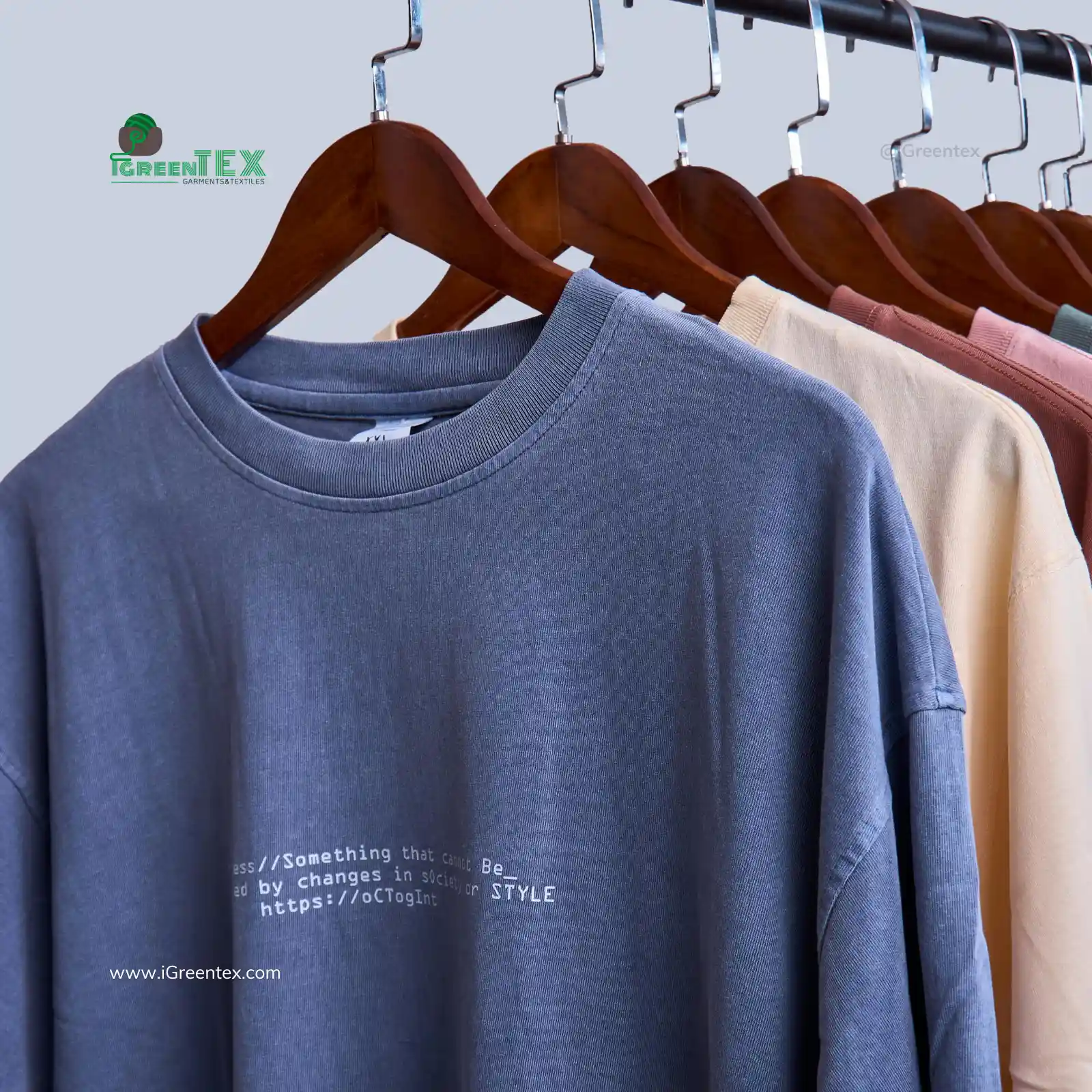
Production Planning
For small batch vs mass production clothing, planning is handled differently. Small batch production features shorter production runs and more flexible scheduling. It is simply easier to accommodate product variations when you are only making 300 pieces instead of 30,000.
Mass production demands detailed, long-term production planning. Line allocation must be precise. Material scheduling and capacity planning are complex logistical operations designed to keep the massive assembly lines running without a pause.
Changeovers and Production Efficiency
A changeover occurs when a production line stops to switch to a new product. This might involve changing fabric, changing color, changing style, or changing sewing specifications.
In mass production, frequent changeovers destroy production efficiency. It takes time to re-tool machines and retrain specialized workers for a new style. In small batch production, the smaller scale makes these changes easier to manage. However, this flexibility means the overall unit cost and factory efficiency will rarely match the optimized output of a large-scale setup.
Lead Time and Production Scheduling
It is crucial to understand that neither model is inherently “faster.”
Lead time depends on production capacity, the factory’s current workload, material readiness, the complexity of your garment, and effective production planning. A small factory might be fast for a 200-piece order but completely overwhelmed by a 5,000-piece order, leading to severe delays.
Cost Efficiency
The financial dynamics of small batch vs mass production clothing are clear.
Small batch production offers less volume efficiency. The setup cost per unit is higher because the fixed costs of pattern making, grading, and line setup are distributed across fewer garments. You pay for flexibility.
Mass production achieves better economies of scale. High line efficiency drives down the lower production cost per unit, provided the order volume is substantial enough to justify the initial setup time.
If you are evaluating cost structures, you might also be weighing different regional options, such as Vietnam vs China garment manufacturing or Vietnam vs India garment manufacturing.
Which Factory Model Is Better for Your Clothing Order?
Choosing between a boutique factory vs mass production model requires aligning your specific business needs with the factory’s operational strengths.
Choose a Boutique Factory If You Need…
- Smaller production quantities.
- More customization per piece.
- Frequent product adjustments during the development phase.
- Product testing for new markets.
- Greater flexibility in scheduling.
Choose a Large Production Factory If You Need…
- High production volume.
- Consistent repeat orders.
- Stable product specifications that will not change mid-production.
- Highly scalable production to meet aggressive growth targets.
- Standardized manufacturing processes for uniform quality across massive quantities.
What If Your Order Needs Both Flexibility and Scale?
Many apparel brand owners find themselves trapped, feeling they must choose strictly between a small factory OR a large factory.
However, a more effective model exists: partnering with a strategic manufacturing partner like iGreen Tex Vietnam. A strategic partner operates with the capability to understand buyer requirements deeply, select the most suitable production resources, and coordinate the manufacturing process.
This model allows you to manage technical specifications and control QC rigorously, while also retaining the ability to scale production precisely according to your order requirements. This provides the transparency and peace of mind you need when managing production remotely.
Ready to find a partner that fits your specific needs? Read more: How to Find the Best Clothing Manufacturers
Factory Size Is Not the Only Factor Buyers Should Evaluate
When sourcing managers evaluate potential partners, focusing solely on the boutique factory vs mass production debate is insufficient. You must assess the factory’s actual capabilities and garment factory production experience.
Production Capacity
You must ask specific questions regarding their throughput:
- What is your actual monthly capacity?
- How many available production lines do you operate?
- What is your current production load?
- Can the factory handle peak-season orders without compromising quality or timelines?
Quality Control System
A robust quality control system is non-negotiable. You should verify their protocols for incoming material inspection, in-line inspection, and final inspection. Ask about their standard AQL (Acceptable Quality Limit) and their internal defect management processes.
For a deeper dive into standard procedures, review a standard Clothing Manufacturing Process: Standard Step-by-Step.
Production Management
Evaluate their operational maturity. This includes assessing their production planning software, their communication protocols, how they handle order tracking, the level of technical support they provide, and their change management procedures.
Export Experience
For international importers & wholesalers, clothing manufacturing expertise in export is critical. You must ensure they are proficient in export documentation, understand international quality expectations, can execute specific packing requirements, have experience with shipping coordination, and meet all necessary compliance requirements.
Boutique Factory vs Mass Production: There Is No One-Size-Fits-All Answer
The debate of boutique factory vs mass production does not have a single correct answer. The decision must be driven by logic and your specific order profile.
If you have a small order with high customization requirements, a boutique model may fit best. If you require high volume with a stable specification, mass production may fit perfectly. However, if you are a growing brand with changing volumes, a flexible production partner may be the most suitable long-term solution.
The right manufacturing model is the one that matches your order volume, product complexity, timeline, quality requirements, and growth stage.
Need to ensure your potential partner is legitimate before proceeding? Read more: How to Verify Garment Factory Vietnam: Avoid Scams Fast
How to Evaluate a Clothing Factory Before Placing an Order
To make an informed decision, procurement teams should follow a structured evaluation process.
Ask About Production Capacity
Do not just ask if they can make your order; ask how your volume impacts their overall factory production capacity.
Ask How Your Order Will Be Scheduled
Understand how they integrate new orders into their existing assembly line workflow.
Ask How Quality Is Controlled
Request details on their garment production quality control procedures and whether they allow third-party final inspections.
Ask How Production Changes Are Managed
Determine their production flexibility. How do they handle a sudden change in fabric color or a minor specification adjustment?
Ask About Previous Export Experience
Verify their experience shipping to your specific region and their familiarity with relevant compliance standards.
Confirm MOQ and Production Requirements
Clearly establish their minimum order quantity (MOQ) and any other constraints they have before investing time in sampling.
Wondering if you should manage the design or let the factory handle it? Read more: OEM vs ODM Clothing Manufacturing: Which to Choose?
How iGreen Tex Approaches Different Production Requirements
As a leading clothing manufacturer in Vietnam, iGreen Tex Vietnam understands that absolute peace of mind is what our clients value most. When you partner with us, you can be completely secure in sending your designs, knowing we have strict confidentiality commitments in place.
Understanding the Buyer’s Production Requirements
We begin by deeply analyzing your specific needs, ensuring we fully comprehend your volume, quality expectations, and timelines before production planning begins. We are experienced in handling OEM clothing manufacturing with a focus on stability and precision.
Matching Production Resources to Order Requirements
We leverage our internal capabilities and network to ensure the right resources are allocated to your specific order, optimizing for both efficiency and quality. We provide the stability of a large factory with the dedicated attention of a true partner.
Maintaining Technical and Quality Control
Clients feel secure working with iGreen Tex because they know our multi-stage quality control systems are always active, ensuring the final product meets your exact specifications, even when you are managing production from thousands of miles away.
Supporting International Buyers Through Production
We guide you through the entire apparel manufacturing process, from initial consultation to final export, ensuring a seamless experience. If you want to know more about the broader benefits of this region, explore why manufacture clothing in Vietnam and the current Vietnam garment industry outlook.
Frequently Asked Questions
Is a boutique factory better than a mass production factory?
No, it is not absolutely better. It depends entirely on your order volume, your need for customization, and your specific production requirements.
What is the difference between a small clothing factory and a large factory?
The primary differences lie in their production capacity, workflow structure, labor allocation, flexibility regarding changes, and their ability to scale production quickly.
Is mass production cheaper than small batch clothing production?
Generally, yes, mass production offers better economies of scale, leading to a lower unit cost, provided the order volume is high enough to offset the initial setup costs.
Can a boutique clothing manufacturer handle custom clothing orders?
Yes, they are often well-suited for custom orders, particularly when those orders require high flexibility or frequent adjustments. However, you must carefully verify their actual production capacity.
When should a clothing brand choose large-scale manufacturing?
You should choose large-scale manufacturing when your order volume is high, your product specifications are stable, and you require highly scalable, standardized production.
Are you struggling to communicate your design requirements clearly? Read more: What Is a Tech Pack? Clothing Tech Pack Guide
Final Takeaway
A larger factory is not automatically better. A smaller factory is not automatically more flexible in every situation.
The most critical factor procurement teams must evaluate is the fit between the factory’s production model and your specific order requirements. The key elements to consider are your required volume, the complexity of the garment, the level of customization needed, your timeline, your quality requirements, and your need for future scalability.
Before choosing a strategic manufacturing partner, evaluate how their production system matches your actual order—not simply how large the factory is.
If you are ready to discuss how a structured, quality-driven approach can benefit your next production run, Contact iGreen tex to speak with our production experts today.