Vietnam vs China Garment Manufacturing Scale
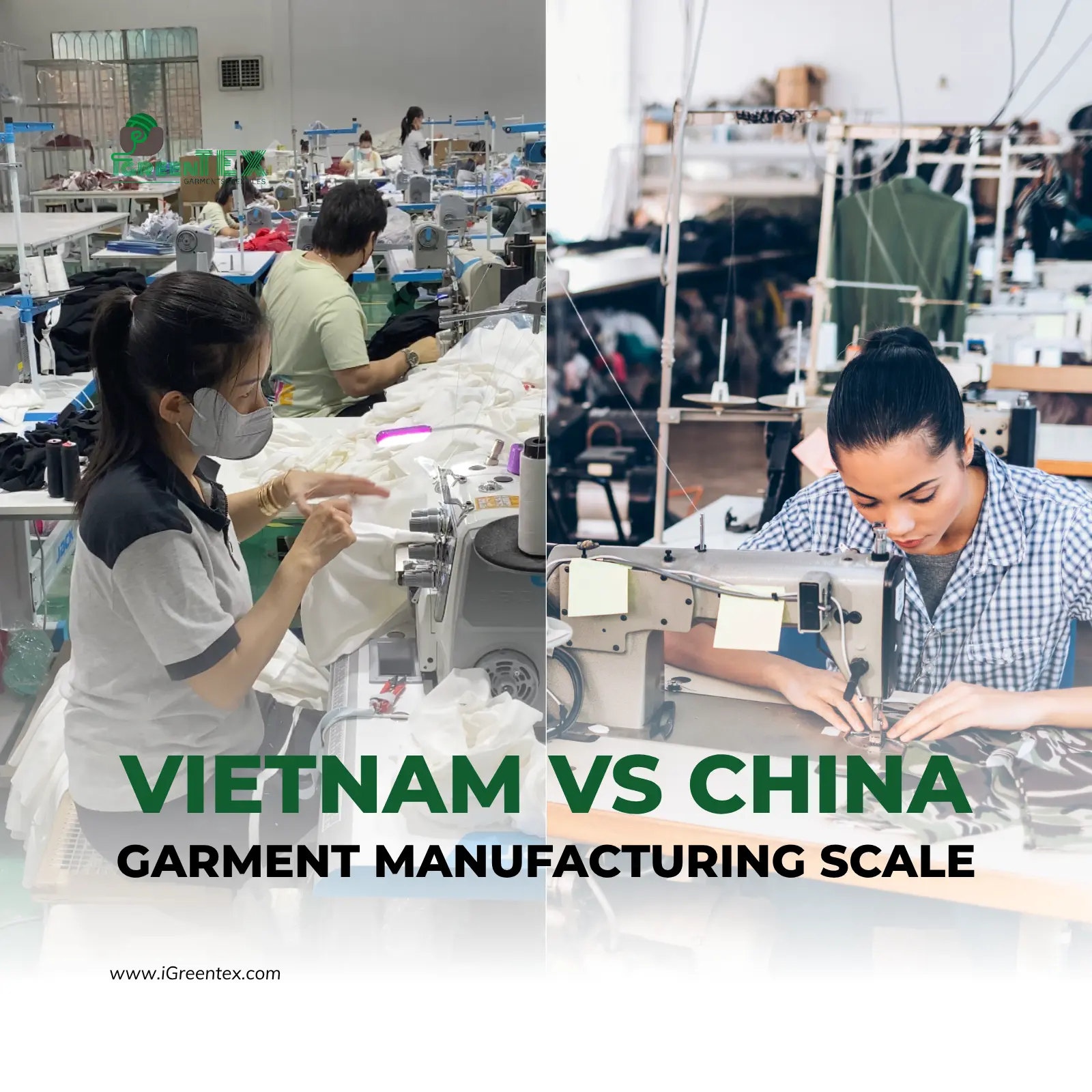
Understanding the Vietnam vs China garment manufacturing scale is critical for apparel brand owners. Procurement teams must analyze structural capacity to build stable supply chains. Global supply chain shifts have redefined standard apparel production strategies completely. Sourcing managers now look closely at structural capabilities rather than just raw volume. The clothing industry demands extreme operational precision and production scalability.
For decades, China dominated high-volume production for international markets. However, Vietnam has expanded its industrial capabilities significantly. This article analyzes how these two hubs compare across crucial operational parameters. We focus entirely on physical scale, export infrastructure, and garment manufacturing quality. Analyzing the Vietnam vs China clothing manufacturing scale helps brands make confident sourcing decisions.
China Is Often Seen as The First Choice for Large-Scale Apparel Production
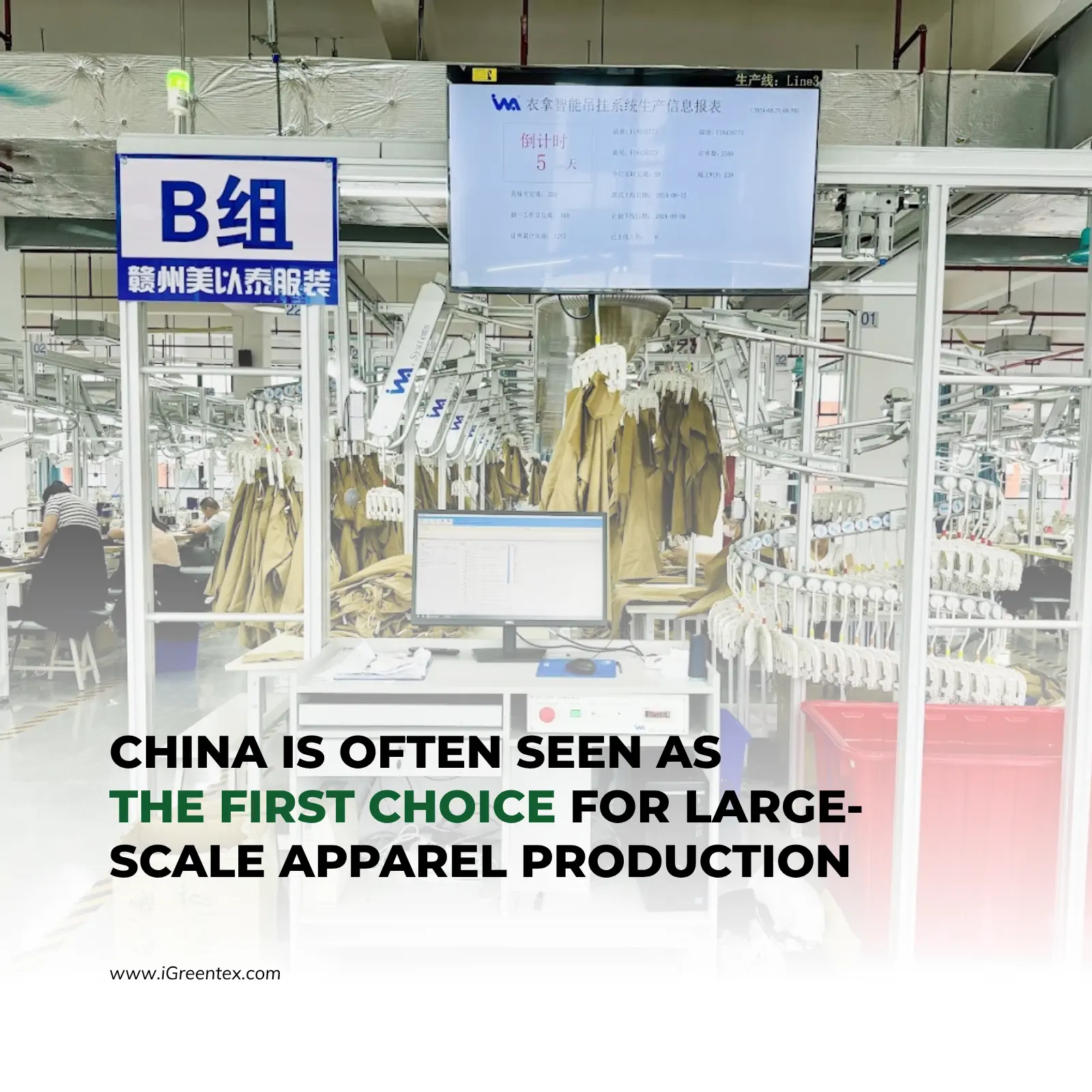
International procurement teams often turn to China for massive bulk orders. The sheer physical size of its industrial infrastructure is historically unprecedented. When a brand needs millions of units quickly, Chinese industrial hubs deliver unmatched speed. Evaluating large-scale production in Vietnam vs China begins with acknowledging this historical dominance.
Sourcing managers routinely assess the Vietnam vs China garment capacity for bulk programs. This comparison helps them evaluate if other hubs match Chinese industrial efficiency. Can Vietnam compete with China’s garment manufacturing scale? To answer this, we must evaluate the Vietnam vs China apparel manufacturing scale thoroughly. We will look at structural capabilities and apparel manufacturing quality metrics.
Understanding Garment Manufacturing Scale
In the global apparel sector, scale is a multi-dimensional metric. It is not just about the size of a single factory floor. To analyze the Vietnam vs China manufacturing scale, we must define scale clearly. We focus exclusively on physical dimensions and clothing production quality frameworks.
Production Capacity
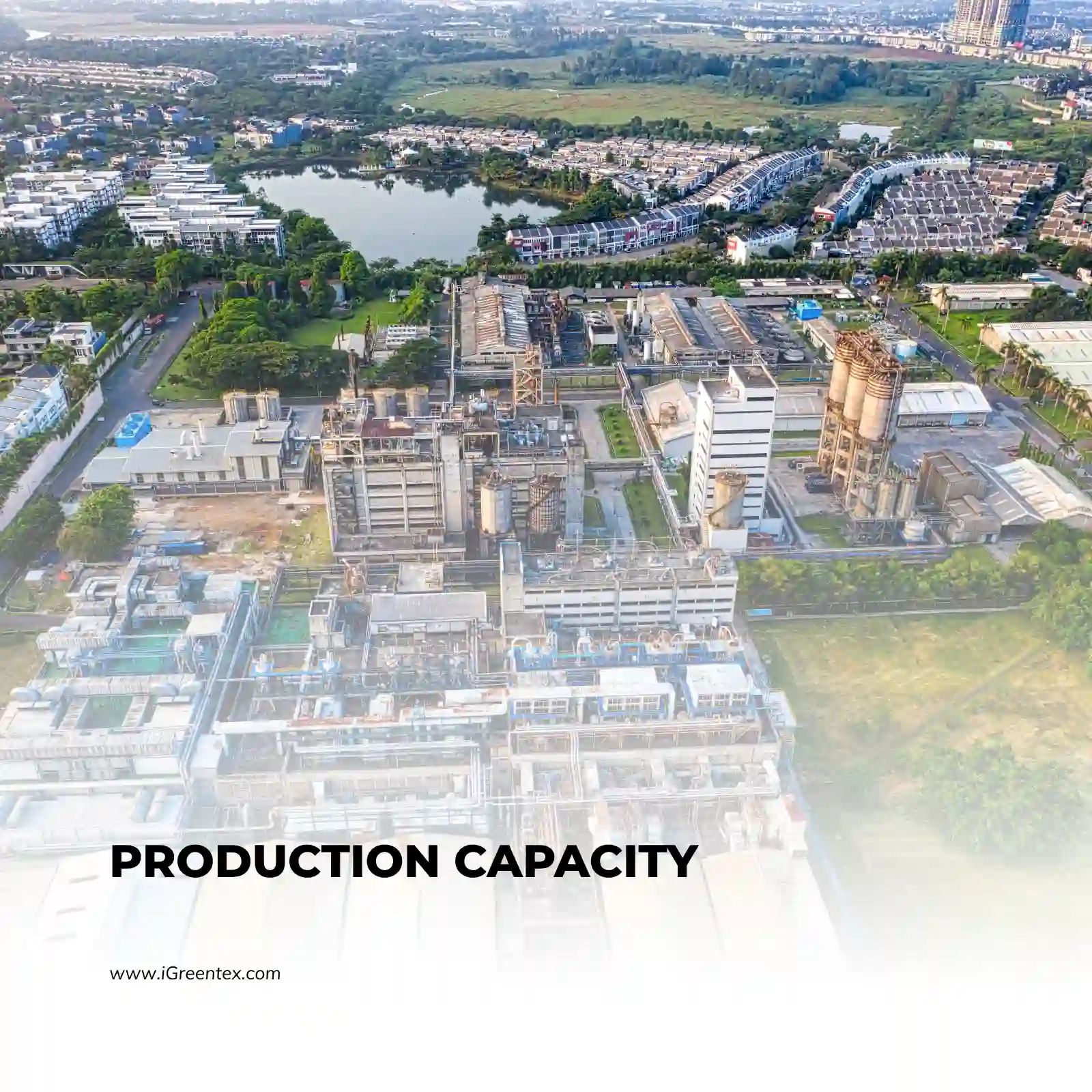
Production capacity measures the total units a factory manufactures within a specific timeframe. This metric depends on the number of active sewing lines and machinery sophistication. High capacity allows factories to run multiple bulk styles simultaneously without bottlenecks. This ensures consistent export garment quality across massive orders.
Factory Network
A factory network refers to the concentration of manufacturing facilities geographically. A dense network allows manufacturers to distribute large orders across multiple sister facilities. This structural setup minimizes production delays significantly. It ensures that unexpected machine downtime at one site does not halt shipments.
Manufacturing Ecosystem
A complete manufacturing ecosystem includes yarn spinners, fabric dye houses, and accessory suppliers. It also includes packaging producers and testing laboratories. If these entities operate close together, the supply chain remains highly stable. A deep ecosystem prevents long material transit times.
Order Handling Capability
Order handling capability is the factory’s structural ability to manage complex bulk operations. This includes processing multi-SKU orders and complex size curves efficiently. It involves managing custom fabrications alongside standard production. High order handling capability ensures strict apparel quality standards are met consistently.
Export Manufacturing Volume
Export volume represents the actual quantity of garments shipped to international markets annually. This metric proves that a country’s infrastructure handles large-scale global shipping. It shows that ports and customs systems manage high container volumes. It is a key metric in the Vietnam vs China scale.
Why China Became Known for Large-Scale Garment Manufacturing
China’s dominance in the global apparel sector results from decades of industrial concentration. Sourcing agents must understand these structural foundations clearly. Evaluating large-scale production in Vietnam vs China requires knowing why China succeeded.
A Highly Integrated Manufacturing Ecosystem
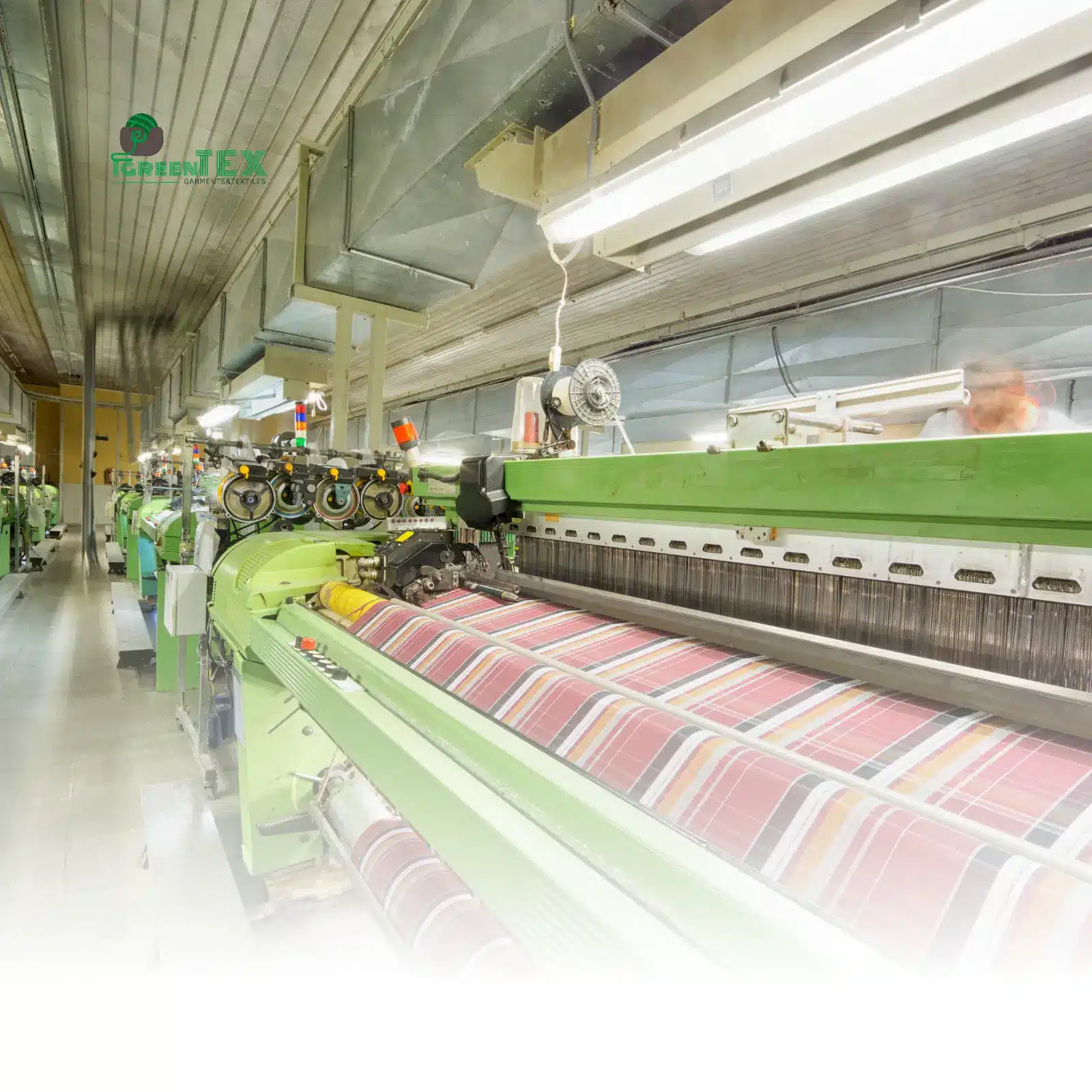
The Textile industry in China operates as a fully integrated ecosystem. Raw cotton, synthetic fibers, and clothing trims are produced in neighboring towns. This close proximity creates a highly efficient domestic supply chain. This deep integration is a massive advantage in the Vietnam vs China clothing manufacturing scale.
Massive Production Networks
Chinese production hubs feature thousands of specialized factories clustered in specific provinces. Zhejiang and Guangdong provinces contain entire cities dedicated to specific categories. This dense network allows factories to scale up production overnight. It ensures strict garment quality control over massive output volumes.
The Ability to Support High-Volume Apparel Production
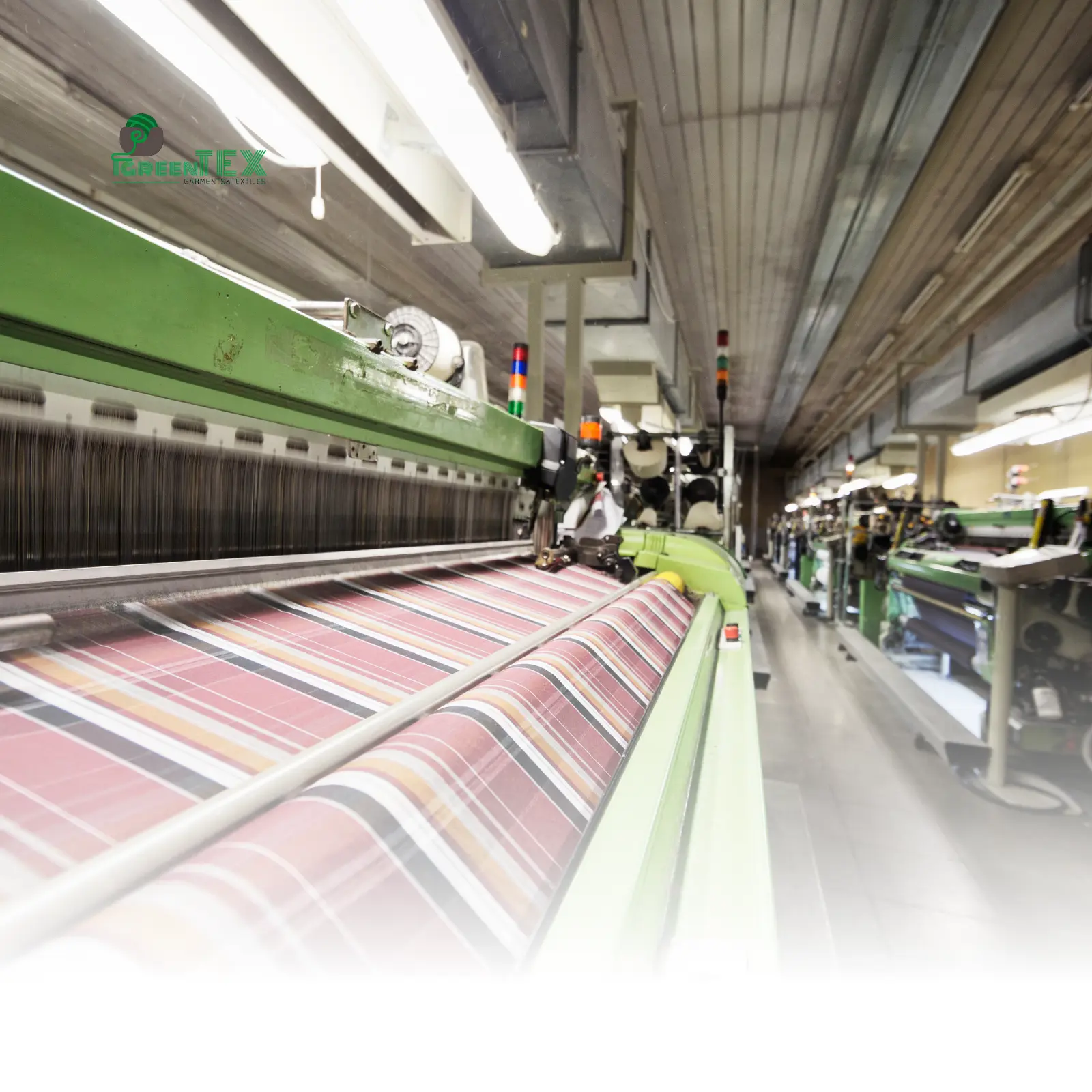
Chinese manufacturers excel at handling large-volume orders across hundreds of individual styles. Their facilities utilize advanced computerized cutting machines and automated hanger systems. These technologies maintain high efficiency during peak seasons. They deliver excellent manufacturing consistency for international apparel brands.
Export-Oriented Manufacturing Infrastructure
Chinese ports are among the largest and most automated worldwide. Shanghai and Shenzhen handle millions of shipping containers daily. The customs clearance systems are fully digitized and highly efficient. This infrastructure ensures completed bulk shipments move without administrative delays.
Why Global Brands Continue to Use China for Large Orders
Global retailers continue placing massive orders in China because of unmatched scalability. Chinese networks provide absolute reliability for securing millions of basic items. The physical size of their facilities makes them resilient to sudden volume increases. This structural reliability defines the Vietnam vs China garment manufacturing scale.

How Vietnam Compares in Garment Manufacturing Scale
Vietnam has built a robust and highly competitive export manufacturing sector. It is no longer just an alternative destination for basic assembly. Sourcing managers analyzing the Vietnam vs China clothing manufacturing scale see impressive growth. Vietnamese facilities now handle complex, high-volume programs successfully.
Vietnam’s Position in Global Apparel Manufacturing
Vietnam is consistently ranked as a top-three global apparel exporter. The nation has focused heavily on upgrading its physical manufacturing infrastructure. It transitioned from small workshop setups to massive industrial parks. This transition strengthens Vietnam’s position in the Vietnam vs China.
Vietnam’s rise as a leading apparel exporter is driven by more than manufacturing scale alone. Export garment quality remains one of the most important factors buyers consider when comparing Vietnam and China.
Learn more in our detailed comparison: Comparing Vietnam vs China Export Garment Quality.
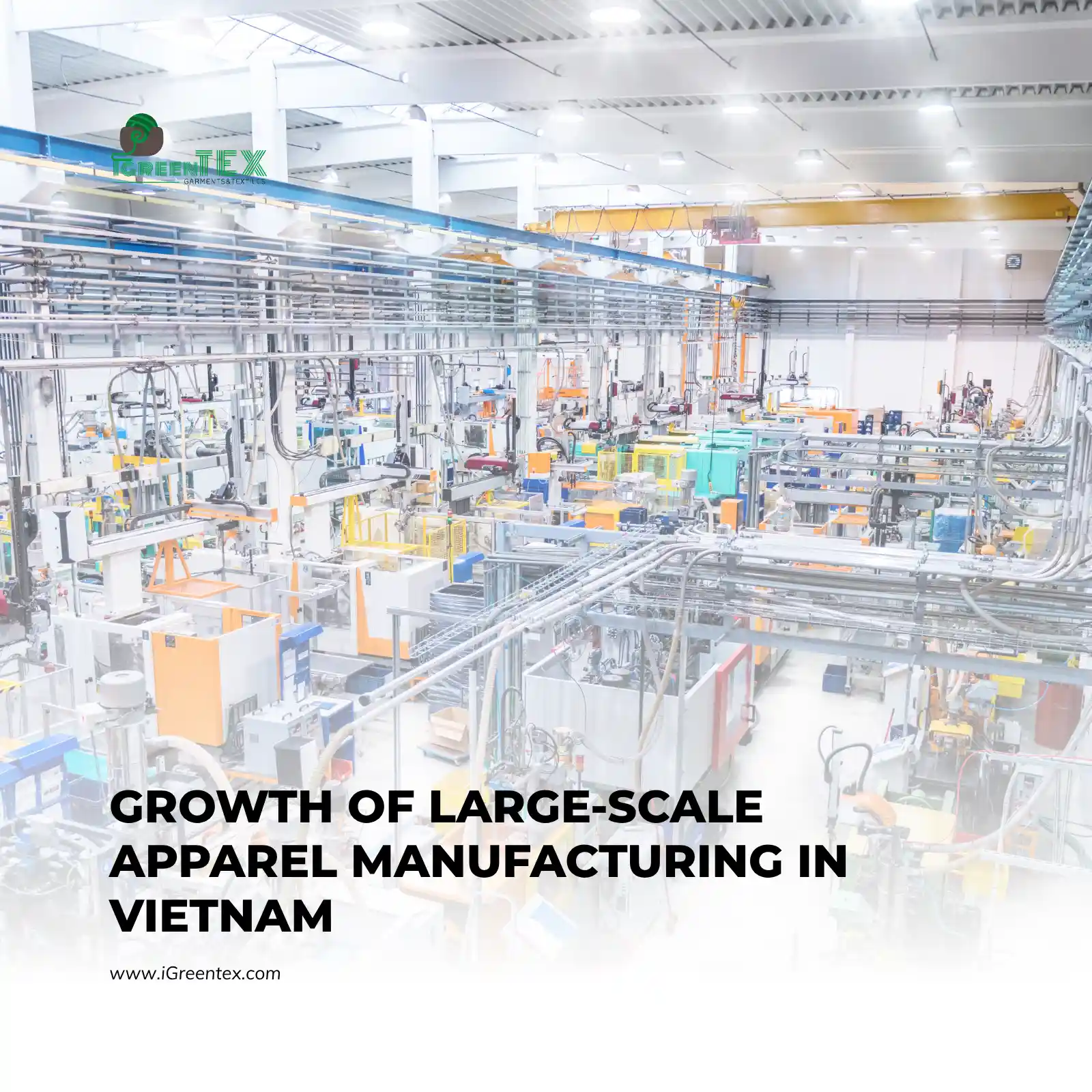
Growth of Large-Scale Apparel Manufacturing in Vietnam
The country has seen a massive influx of capital into its textile sector. This funding helped establish modern industrial zones equipped with advanced machinery. The growth of large-scale apparel manufacturing in Vietnam allows direct competition for global programs. These facilities deliver exceptional sewing quality for demanding brands.
Vietnam’s Export Manufacturing Capacity Today
Today, Vietnamese export factories handle hundreds of millions of garments annually. These facilities ship directly to the United States, Europe, and Japan. They comply with strict international trade regulations seamlessly. This modern capability shifts the Vietnam vs China apparel production scale dynamic significantly.
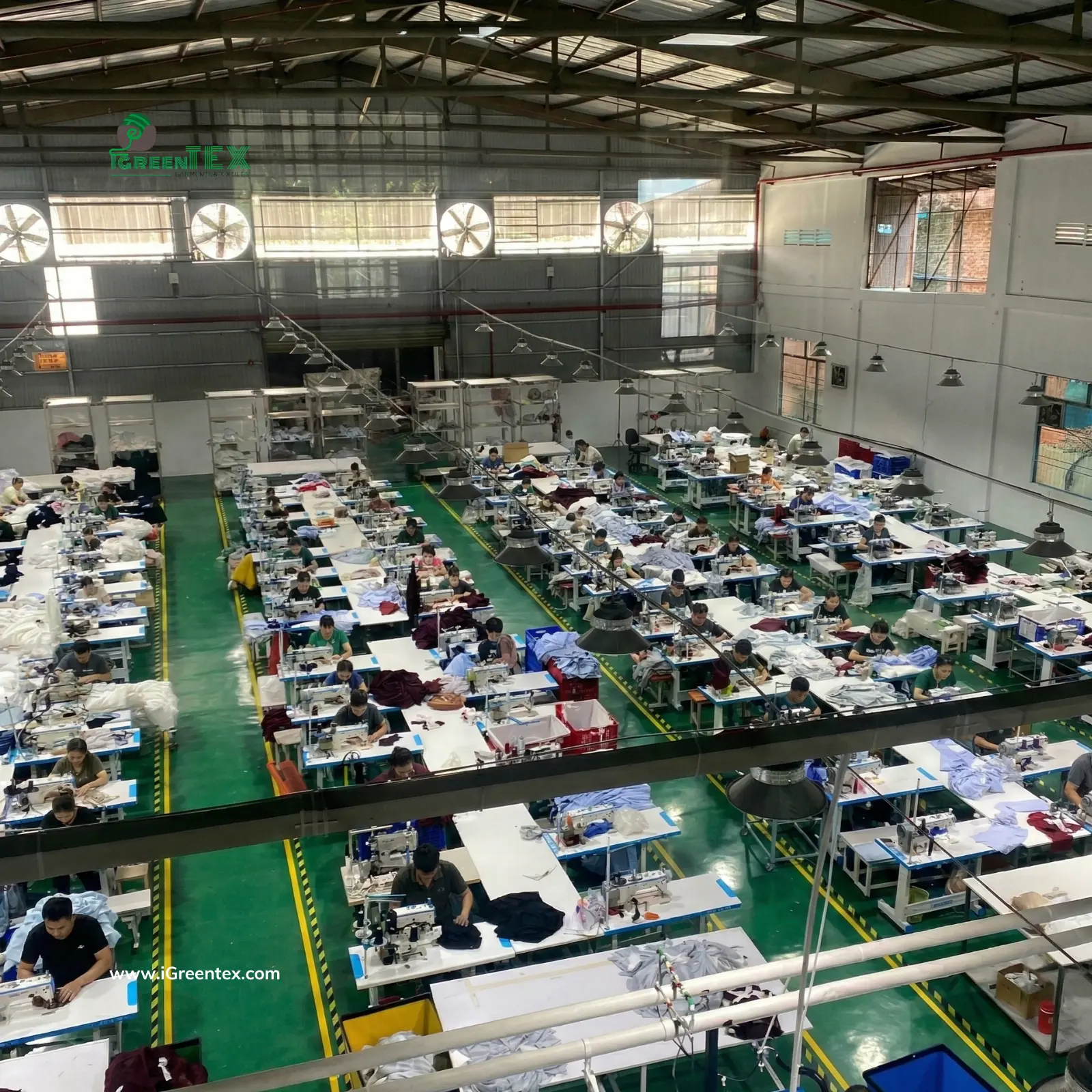
The Expansion of Large-Scale Production Facilities
Many Vietnamese apparel factories now operate dozens of synchronized lines under one roof. These modern facilities feature lean manufacturing layouts and automated sewing equipment. This physical expansion directly impacts the Vietnam vs China garment scale. It guarantees high workmanship quality on large orders.
Vietnam’s Ability to Support International Brands
Vietnamese manufacturers have developed sophisticated internal management systems. They easily handle the strict compliance requirements of global apparel brand owners. They enforce strict production quality standards across all facilities. This structural reliability makes the country a trusted partner globally.
Vietnam vs China Manufacturing Scale Comparison
Procurement teams must analyze specific structural parameters when comparing these two hubs. Let us compare the details of the Vietnam vs China garment manufacturing scale directly. We will evaluate large-scale production in Vietnam vs China across critical dimensions.
Number of Manufacturing Facilities
China operates a significantly larger number of registered garment factories than Vietnam. This massive quantity gives China a clear advantage in raw capacity. However, Vietnam has focused on building larger, consolidated facilities in key zones. This concentration helps maximize local factory quality management.
Production Network Scale
The Chinese production network is highly integrated across different provinces. This integration represents a major pillar of the Vietnam vs China Scale. Vietnam’s network is more linear, concentrated along coastal regions. This layout allows completed goods to move quickly to deep-water ports.
Export Manufacturing Volume
While China’s total export volume remains larger, Vietnam’s export growth is remarkable. Vietnam has captured a significant share of global sportswear and knitwear markets. This growth shows the reality of the Vietnam vs China scale. It meets high apparel manufacturing standards consistently.
Capacity for High-Volume Orders
Chinese factories easily process orders of several million units per style. This capability defines the Vietnam vs China garment capacity debate. Vietnamese factories are highly efficient at processing mid-to-high volume orders. They implement strict garment inspection process protocols to ensure perfection.
Manufacturing Ecosystem Depth
China has a deeper domestic raw material supply chain. It produces vast quantities of yarn, fabrics, and trim locally. Vietnam is rapidly developing its own domestic fabric mills currently. This development minimizes import dependency and strengthens Vietnam vs China.
Scalability for Growing Brands
For brands scaling production gradually, Vietnam offers an ideal environment. Chinese mega-factories often reject mid-sized programs to focus on massive runs. Vietnamese manufacturers provide the flexibility to scale production lines efficiently. They maintain excellent export apparel quality during expansion phases.
Vietnam vs China Garment Manufacturing Scale – Comparison Table
Sourcing managers can evaluate the Vietnam vs China Scale across major parameters quickly. The table below outlines these structural differences clearly. It highlights how each hub supports global export demands. This data clarifies the Vietnam vs China garment manufacturing scale.
| Manufacturing Scale Factor | China | Vietnam |
|---|---|---|
| Manufacturing Ecosystem | Fully integrated domestic supply of yarn, fabrics, and trims. | Rapidly integrating domestic fabric production; some material import. |
| Factory Network | Highly dense, provincially clustered mega-hubs. | Linear coastal hubs centered near major northern and southern ports. |
| Export Capacity | Massive global volume; highly automated container ports. | High global volume; modernized deep-water port systems. |
| High-Volume Production | Built for multi-million unit runs per style. | Built for flexible mid-to-high volume runs (5k to 500k units). |
| Production Scalability | Rigid high MOQs; designed for continuous long runs. | Scalable MOQs; highly adaptable to market demand shifts. |
| International Capability | Extensive experience with global compliance standards. | Deeply compliant with US and EU trade standards. |
| Apparel Infrastructure | Highly automated; extensive use of robotics. | Modernized sewing lines; growing automation integration. |
Large-Scale Apparel Manufacturing in Vietnam Today
Sourcing managers must understand how the Vietnam vs China garment manufacturing scale works practically. Vietnam is no longer a destination only for simple assembly. The country has successfully transitioned to high-value export manufacturing. Let us examine garment manufacturing in Vietnam closely.
What Defines a Large-Scale Apparel Factory in Vietnam?
A Tier-1 Vietnamese factory operates dozens of modern sewing lines simultaneously. It utilizes computerized pattern-making software and advanced fabric inspection machines. These large facilities process hundreds of thousands of units monthly. They maintain superior clothing factory quality across all output.
Key Manufacturing Regions in Vietnam
Vietnam’s apparel manufacturing sector is concentrated in strategic regions. Each region offers unique logistical advantages for export. The Southern Region (Ho Chi Minh City, Binh Duong, Dong Nai, Long An) is dominant. This cluster directly impacts the Vietnam vs China garment manufacturing scale positively.
Leading Large-Scale Garment Manufacturers in Vietnam
Vietnam is home to massive state-owned and private manufacturing corporations. These key players showcase the capacity within the Vietnam vs China scale.
- Duc Giang Corporation (DUGARCO)
- Thanh Cong Textile Garment JSC (TCG)
- iGreen Tex Vietnam Co. Ltd
- Thygesen Textile Vietnam
- Dony Garment
- Thai Son S.P
- HANOSIMEX (Vinatex Group)
- Viet Thang Corporation (VICOTEX)
- Fashion Garments (FGL)
- Kiara Garments Vietnam
These industrial giants implement advanced production quality management systems. To learn more about these top 10 factories in Vietnam, please view the garment manufacturers in Vietnam list updated in 2026.
A Practical Example of Large-Scale Apparel Manufacturing in Vietnam
This section reveals how the Vietnam vs China garment manufacturing works operationally. Sourcing managers do not just need raw volume. They require a clothing manufacturer who translates scale into predictable results. We will look at large-scale apparel manufacturing in Vietnam practically.
What Buyers Typically Expect from a Large-Scale Manufacturer
When procurement teams evaluate a supplier, they look for specific capabilities. They expect the manufacturer to supply detailed QA reports consistently. The factory must conform to international garment testing standards. They also require complete transparency regarding production timelines and capacity.
How Manufacturing Capacity Is Measured
True factory capacity is calculated using precise operational metrics. Sourcing managers evaluate the number of active production lines carefully. They review the factory audit process to ensure compliance. They calculate daily output to determine if a facility can handle brand growth.
iGreen Tex Vietnam – An Example of Export Manufacturing Capacity
iGreen Tex Vietnam represents the modern standard of export manufacturing. The factory is engineered for international export operations. It balances high capacity with strict operational control perfectly. Let us look at how it operates in Vietnam vs China.
Production Line Structure
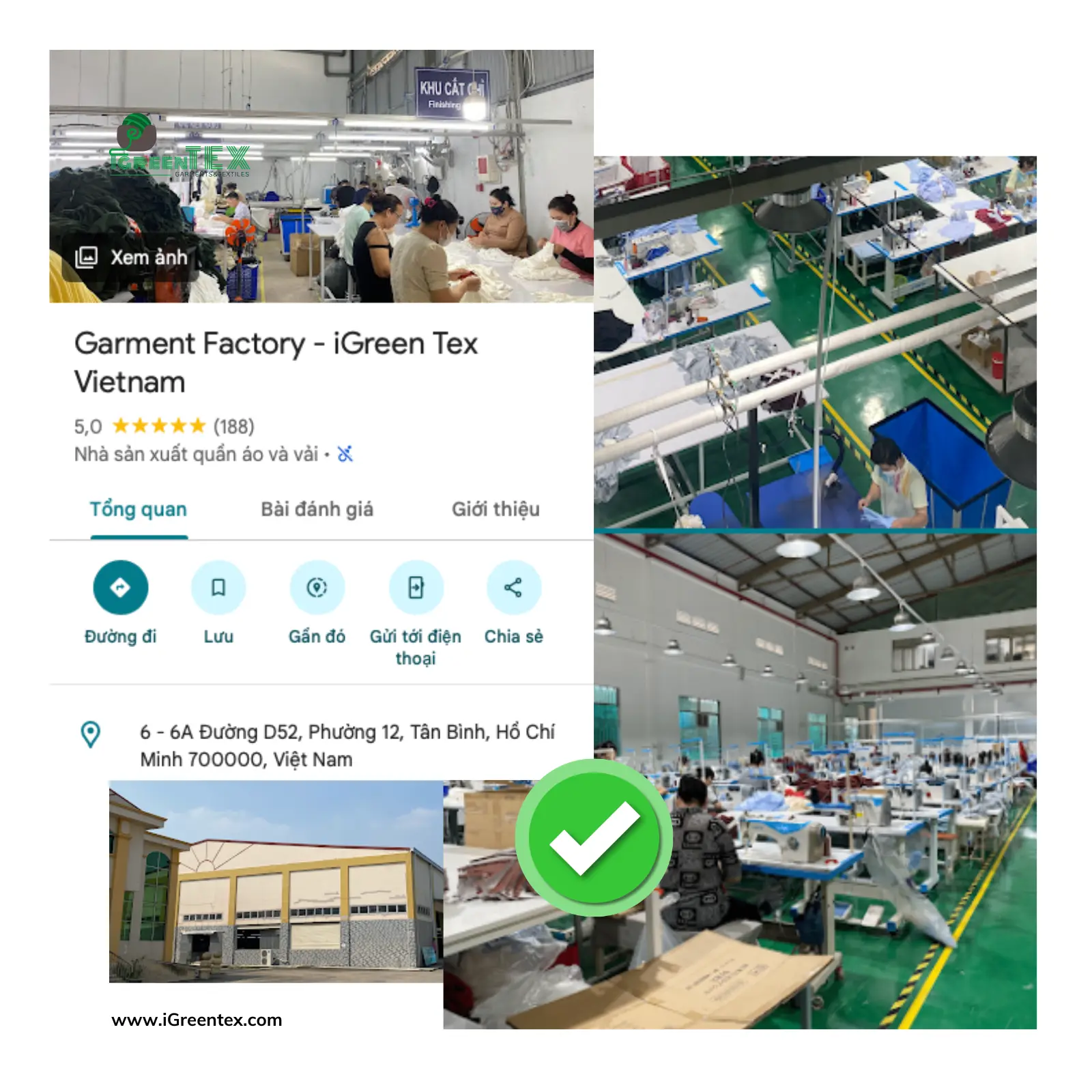
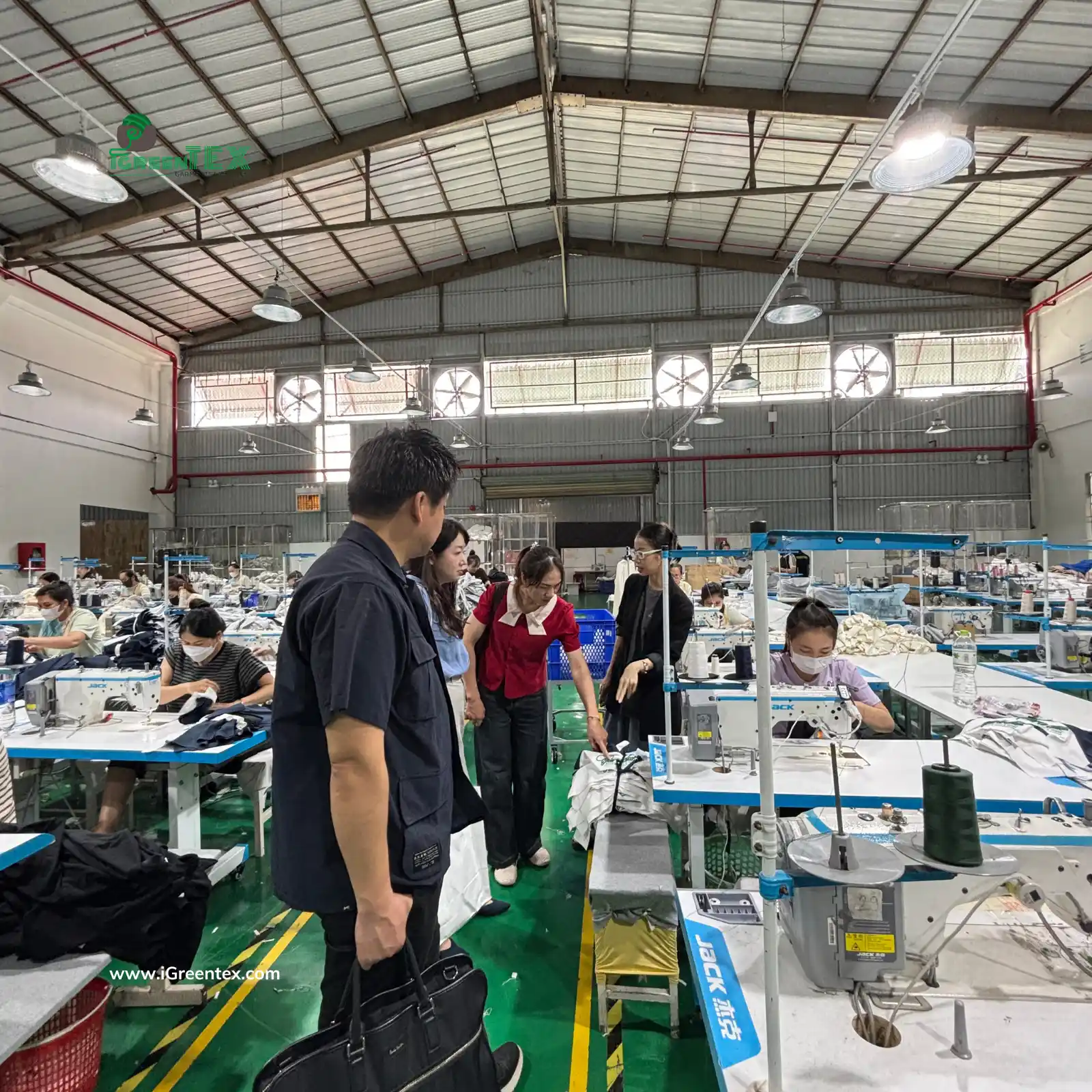
The factory operates synchronized production lines designed for lean manufacturing. It utilizes advanced sewing machinery to maximize daily output. This layout requires deep technical sewing expertise from operators. The structured layout ensures a highly efficient production flow.
Monthly Production Capacity
The facility delivers a stable monthly capacity of over 160,000 pieces for new clients. This output represents a solid portion of the Vietnam vs China garment capacity. The factory can scale up this output strategically. It ensures export compliance standards are met during peak volumes.
Export Manufacturing Capability
The factory specializes in full-package OEM and FOB production. It implements a strict manufacturing quality assurance program. As a specialized T-shirt manufacturer, it produces premium jersey basics. Operating as a polo shirt manufacturer, it delivers retail-ready piqué knits. It is also an experienced hoodie manufacturer and sportswear manufacturer. You can review its complete factory capabilities online.
Material Sourcing Capability
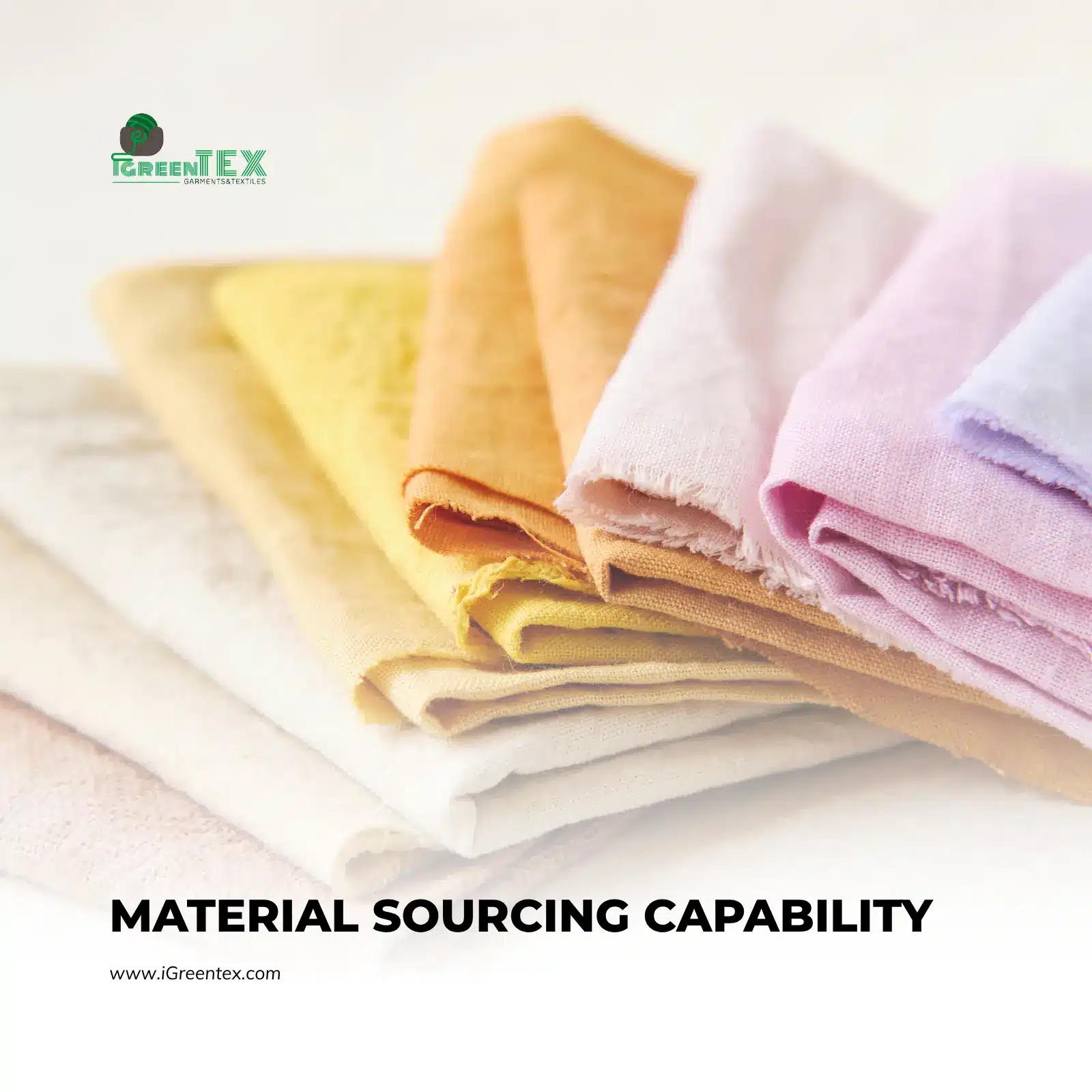
The factory manages strong relationships with top-tier regional yarn spinners and mills. This network allows it to secure premium materials quickly. This integration relies on highly skilled workers to inspect incoming materials. It reduces the risks associated with raw material import delays.
Export Documentation Support
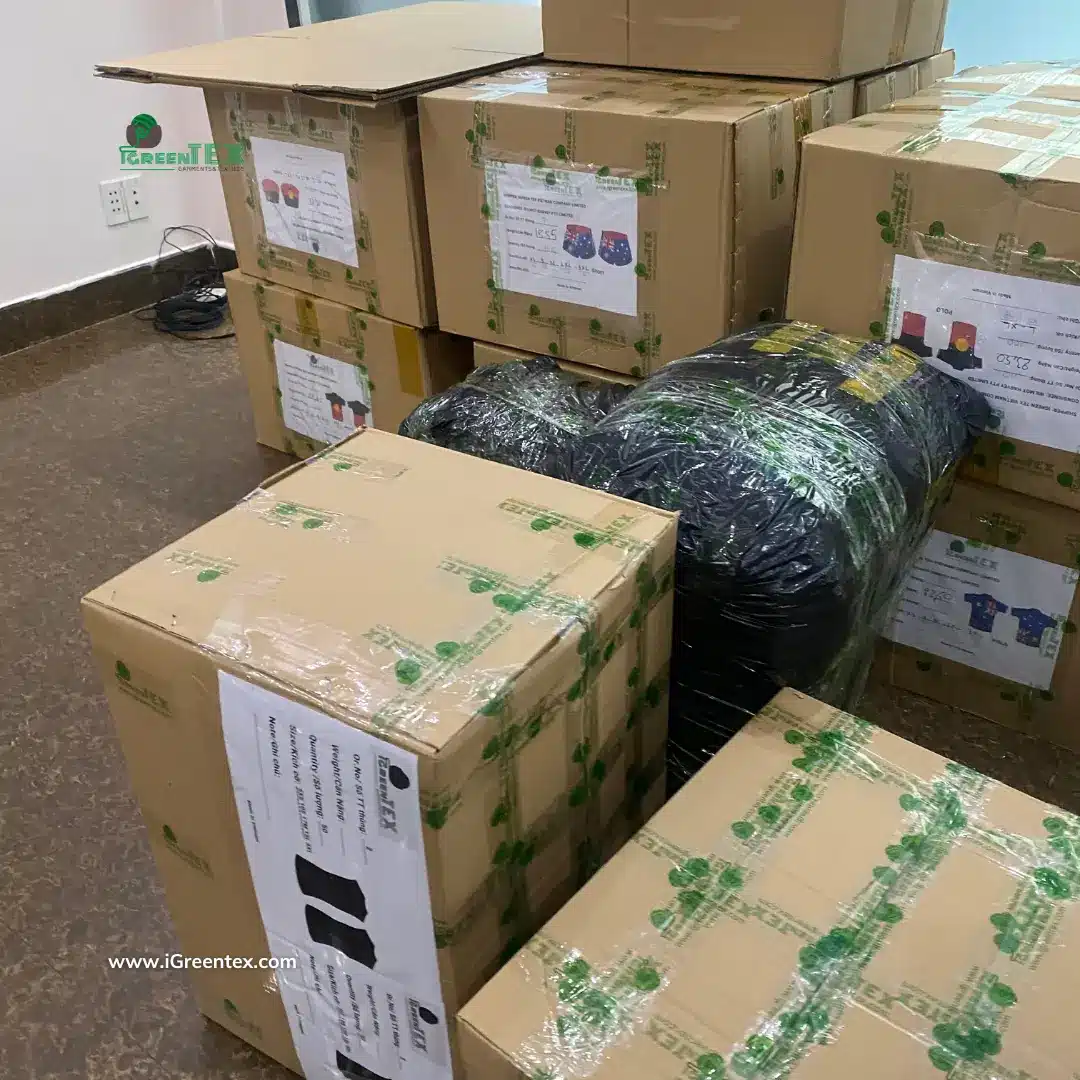
Navigating international trade requires complete compliance. The facility provides full export documentation support for clients. This includes preparing Certificates of Origin (C/O) and handling customs clearance forms. Expert sewing operators ensure the physical goods match the paperwork perfectly.
Supporting Growing Apparel Brands
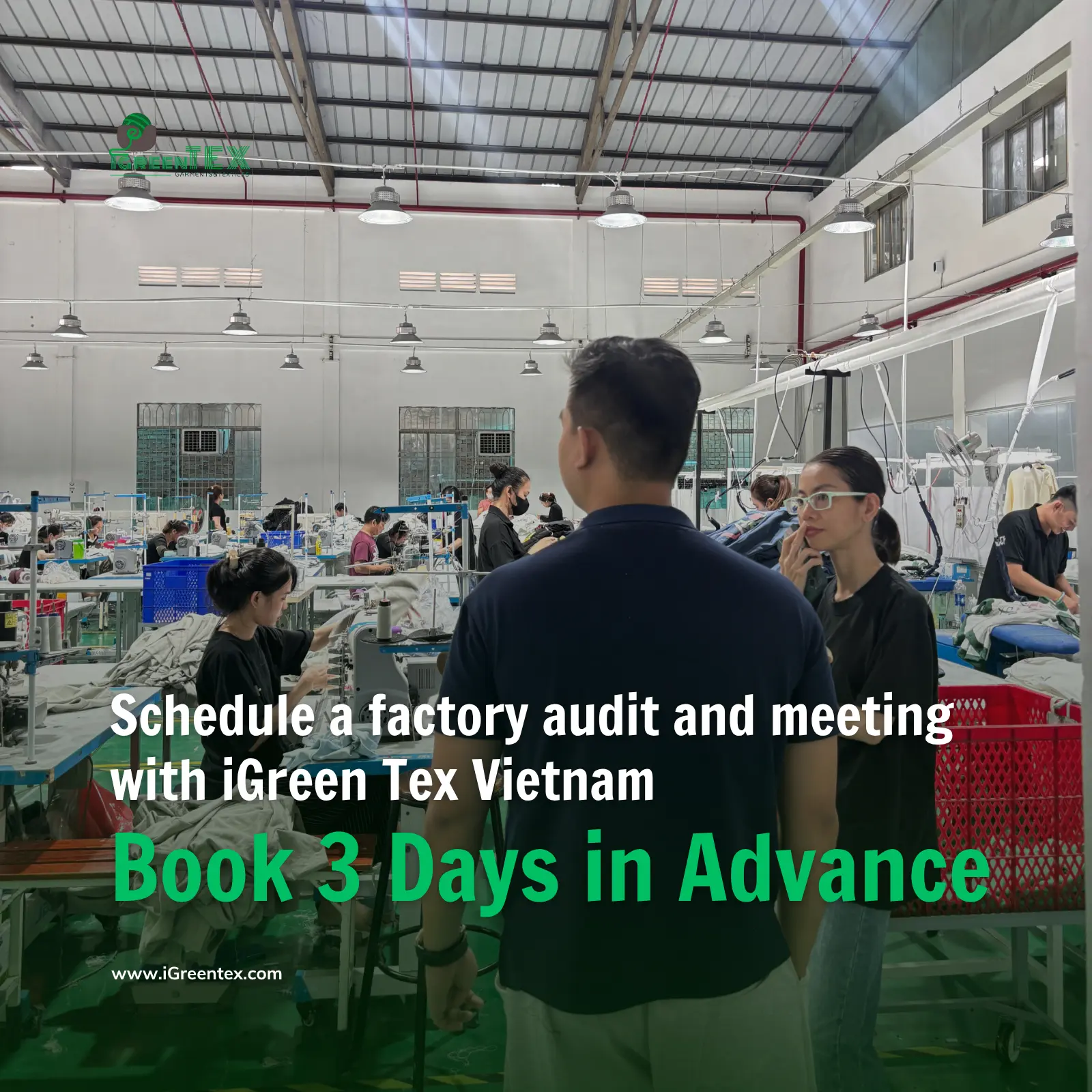
The factory’s business model is built around supporting brand growth. It provides strategic technical support and flexible MOQs. A dedicated production line allows brands to expand their product ranges safely. They can scale without committing to excessive stock levels immediately.

Can Vietnam Support Large-Scale Apparel Production?
Our evaluation shows how the Vietnam vs China garment manufacturing scale has evolved. China remains the global leader in raw production volume. However, Vietnam has built a highly sophisticated export manufacturing sector. Sourcing managers can confidently place high-volume programs in Vietnam today.
Analyzing large-scale production in Vietnam vs China reveals strong potential. Vietnam relies on rigorous quality inspection protocols to compete globally. It is the ideal destination for brands that demand exceptional fabric quality. It provides predictable timelines, high stitching accuracy, and professional sample development.
To learn more about other global hubs, explore the best countries for clothing manufacturing in 2026.
This comprehensive manufacturing process ensures a consistently low defect rate. Sourcing managers trust the Vietnam vs China scale for future planning. Vietnam delivers the workmanship and production consistency that international brands require. The country’s expanding factory capability and garment construction expertise define its future. Strict quality standards and reliable export production make Vietnam a top choice.
Explore solutions: Custom OEM apparel manufacturing | Contact iGreen Tex