ODM Clothing Manufacturing: What It Is, How It Works, and Why Brands Choose It
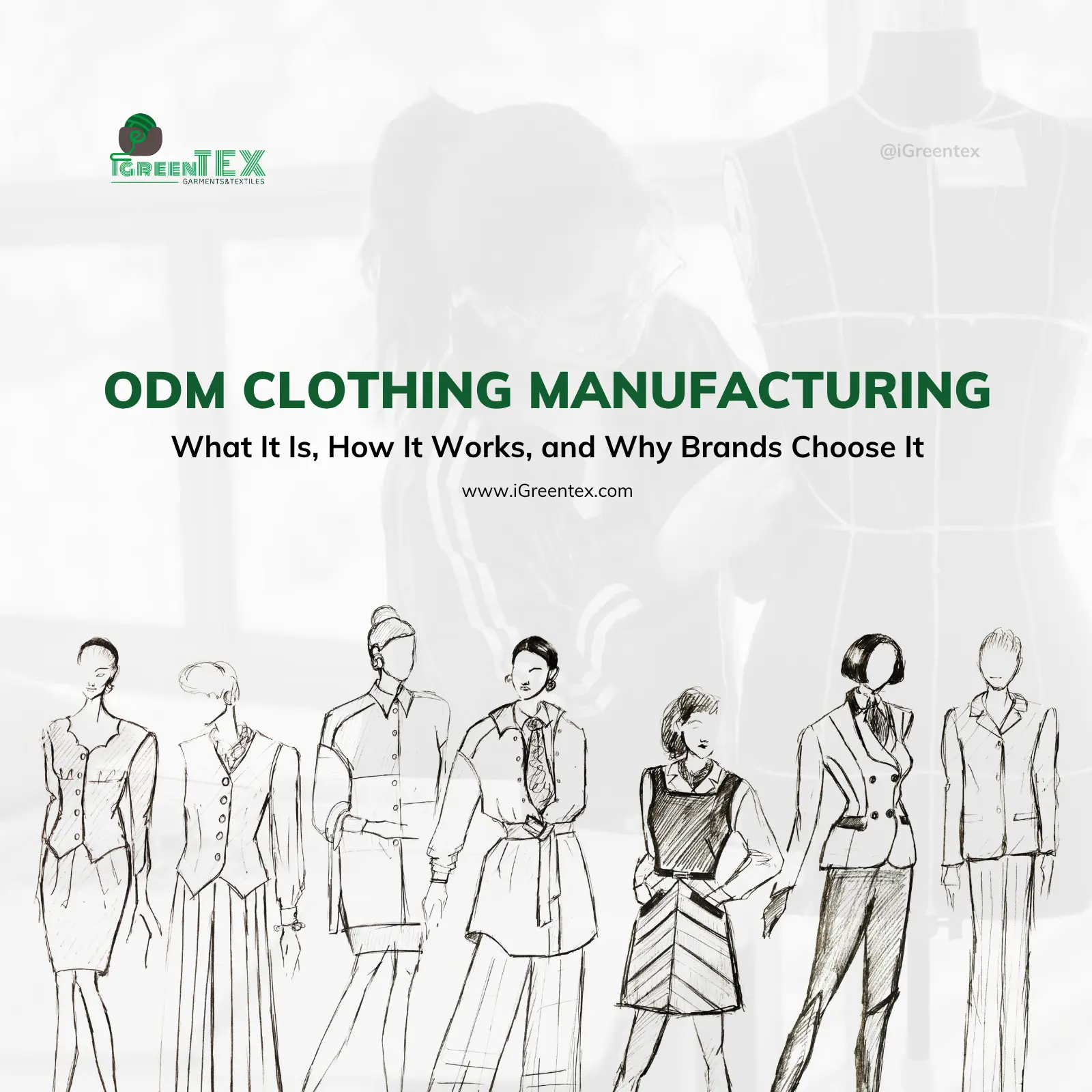
When exploring production options, understanding ODM clothing manufacturing is a crucial first step for sourcing managers.
Finding the right manufacturing partner is critical for any apparel brand owner. During this early research phase, whether sourcing managers evaluate suppliers via online B2B platforms or compare options at Alibaba vs trade fair exhibitions, procurement teams often encounter two primary models: OEM and ODM. Many new clothing brands or US apparel importers do not fully understand the ODM model or how it impacts their supply chain.
Across the apparel industry in Vietnam, manufacturers may offer OEM, ODM, or a combination of both. Knowing how each model works is essential before selecting a production partner.
This article provides an objective, easy-to-digest overview of this production method. We will explain exactly what this model entails, how the workflow operates, and when sourcing managers should consider it for their business.
What Is ODM Clothing Manufacturing?
If you are new to the industry, you might ask: What is ODM clothing manufacturing, exactly? ODM stands for Original Design Manufacturer.
In this model, the factory actively participates in apparel product development. They create and own the initial product designs. Sourcing managers can browse a catalog of existing, factory-designed styles. After selecting a design, apparel brand owners can request minor modifications, such as changing colors, fabrics, or adding custom branding (like a private label).
This is distinctly different from traditional contract manufacturing. In the ODM model, the factory retains design ownership while taking full manufacturing responsibility. This allows clothing brands to launch collections without needing an in-house fashion design team.
How Does ODM Clothing Manufacturing Work?
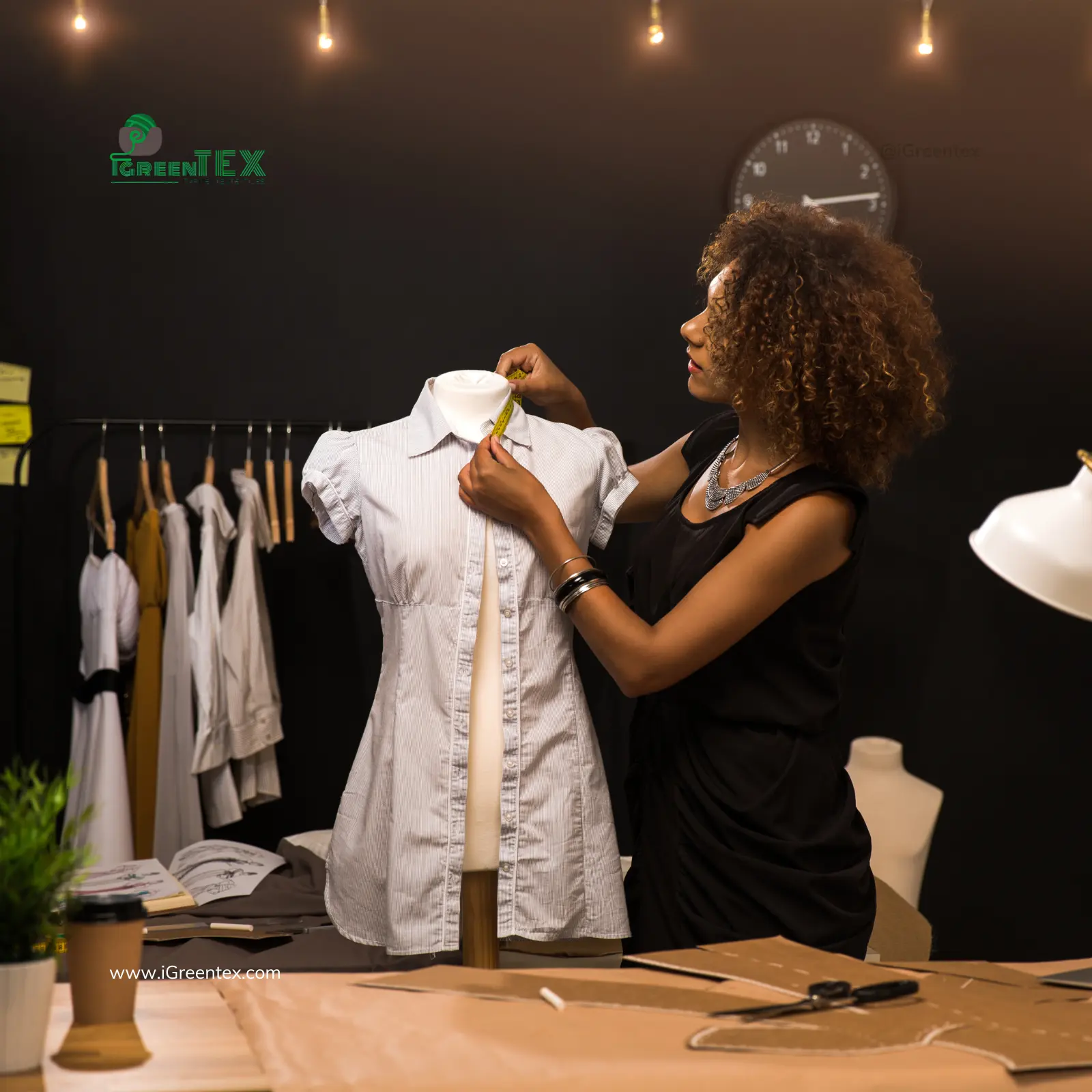
Understanding the garment manufacturing workflow helps procurement teams plan their product launch. The ODM process is streamlined into five clear stages:
- Product Concept: You start by browsing the factory’s existing design portfolio. US apparel importers often select proven styles that match current market trends.
- Design Development: The factory handles the technical blueprints. They propose fabric options and create a tech pack (a detailed document outlining garment specifications).
- Sample Development: The factory produces a physical prototype garment. This sample approval process allows you to review the fit and feel before mass production begins.
- Bulk Production: Once the sample is approved, bulk production starts. A reliable clothing manufacturer in Vietnam will implement strict quality control, including a final AQL inspection (Acceptable Quality Limit) to ensure production consistency.
- Delivery: Finished goods are packaged and exported. Most orders operate on FOB terms (Free On Board), meaning the factory covers costs and risks until the goods are loaded onto the ship.
Advantages of ODM Clothing Manufacturing
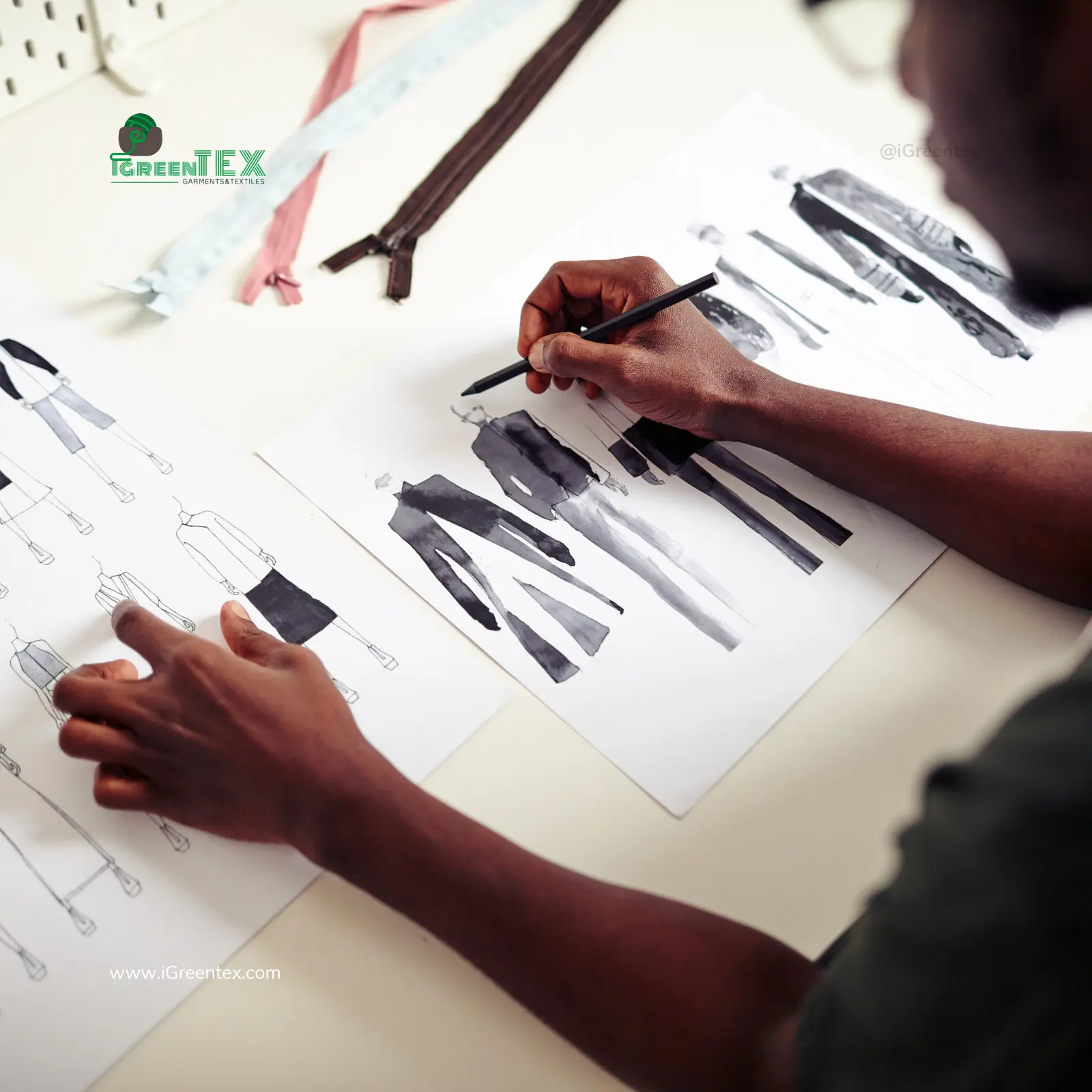
Why do so many retail chains and e-commerce brands choose this route? The benefits directly solve common supply chain challenges.
- Shorter Time to Market: You do not have to start from zero. Skipping the initial R&D phase accelerates your product development timeline.
- Lower Initial Investment: You save money by not hiring an in-house design team or paying for extensive pattern making.
- Access to Manufacturing Expertise: Top-tier factories have immense technical knowledge. They understand material behavior and optimal sewing techniques.
- Simplified Supply Chain: One manufacturing partner handles both design and production, reducing the number of vendors you must manage.
Challenges and Limitations of ODM
While efficient, ODM garment manufacturing is not for everyone. Sourcing managers must weigh these operational limitations:
- Less Design Exclusivity: The factory owns the core structural design. They might sell similar (though differently branded) styles to other companies.
- Limited Customization: You can modify existing templates, but you cannot drastically alter the core silhouette of the garment.
- Dependence on Factory Capabilities: Your product quality is entirely tied to the factory’s ethical apparel manufacturing standards and production capacity.
Even when modifying a factory’s base design, protecting your custom logos, specific fabric combinations, and unique branding details is still essential. Executing a clear NDA for clothing manufacturers ensures the factory cannot share your specific private-label modifications with other clients.
ODM vs OEM Clothing Manufacturing
Sourcing managers frequently compare OEM vs ODM to determine the best path. OEM (Original Equipment Manufacturer) requires the buyer to provide the complete design. Here is a quick comparison:
| Feature | OEM Manufacturing | ODM Manufacturing |
|---|---|---|
| Product Design | Provided entirely by the buyer. | Provided by the manufacturer. |
| Time to Market | Longer (requires extensive R&D). | Shorter (ready-to-modify designs). |
| Development Cost | Higher upfront financial investment. | Lower upfront investment. |
| Best Suited For | Established brands with unique designs. | Startups, fast fashion, and private labels. |
In short, choose OEM when you have a unique design and need absolute control. Choose ODM apparel manufacturing when you want to launch quickly using the factory’s design expertise.
Understanding how ODM works is only part of the decision. The next step is comparing it with OEM to determine which manufacturing model better matches your product goals, budget, and timeline.
Read more: OEM vs ODM Clothing Manufacturing – Which to Choose?
Who Should Choose This Model?
Strategic decision-makers must evaluate their specific needs. ODM clothing manufacturing is highly suitable for:
- Startup Fashion Brands: Looking to launch a private label quickly with lower financial risk.
- E-commerce Clothing Brands: Amazon FBA sellers who need to refresh inventory rapidly.
- Promotional Apparel Companies: Businesses needing standardized, high-quality bulk items like corporate uniforms.
- Brands Testing New Markets: Established companies wanting to test a new category (e.g., sustainable clothing manufacturing) without heavy R&D.
Common Questions to Ask an ODM Clothing Manufacturer
Thorough vetting prevents costly supply chain delays. When researching a potential ODM clothing manufacturer, procurement managers should ask:
- Who holds the rights to the product design? Clarify IP ownership immediately.
- How much can existing designs be customized? Understand the exact limits of design modification.
- What is your Minimum Order Quantity (MOQ)? Ensure their MOQ aligns with your inventory strategy.
- How long is your typical production lead time? Ask for exact timelines from sample approval to delivery.
- What certifications does your facility hold? Verify factory compliance (e.g., ISO, BSCI, GRS).
Requesting a third-party garment factory audit alongside official certifications (such as ISO, BSCI, or GRS) allows procurement teams to independently verify actual working conditions, safety standards, and production line efficiency
Conclusion
At its core, understanding what ODM clothing manufacturing is allows procurement teams to make smarter sourcing decisions. It is a highly efficient model that eliminates the need for expensive in-house design, simplifies the supply chain, and significantly shortens the time to market.
While it lacks absolute design exclusivity, the reduced risk makes ODM apparel manufacturing an excellent choice for startups, private labels, and established brands testing new categories. As you continue your research, evaluating structured partners like iGreen Tex Vietnam can provide broader context on how professional factories manage quality. Ultimately, ensure your chosen production model aligns perfectly with your brand’s long-term goals before committing to ODM clothing manufacturing.