OEM Clothing Manufacturing: A Complete Guide for Apparel Brands
Mastering OEM clothing manufacturing is the first critical step for apparel brand owners today. If you want full control over your product design, you must understand this production model.
When sourcing managers search for reliable partners globally, they encounter various production methods. However, OEM remains the gold standard for companies launching unique, proprietary collections. It requires immense preparation but offers the highest level of brand protection.
Many US apparel importers struggle because they do not fully understand the preparation required before approaching a factory. They often confuse factory responsibilities with buyer responsibilities. This article provides a comprehensive, objective look at the buyer-led production model.
We will explore exactly how the process works and what documents you need. We will also help procurement teams evaluate if this strategy aligns with their long-term supply chain goals.
What Is OEM Clothing Manufacturing?
If you are new to global sourcing, you must clearly define what OEM clothing manufacturing is. OEM stands for Original Equipment Manufacturer.
In this specific model, the buyer retains complete ownership of the product design. You act as the architect of the garment. You dictate the exact measurements, the fabric composition, the stitching techniques, and the branding details. The factory’s only job is to execute your exact vision.
When sourcing managers search for reliable partners globally, whether comparing suppliers on Alibaba vs trade fairs and exhibitions, they encounter various production methods. However, OEM remains the gold standard for companies launching unique, proprietary collections.
This model is strictly buyer-led. The factory does not supply ready-made templates. They do not offer a proactive clothing design service to build your collection from scratch. You must bring the blueprints to them.
This clear division of labor makes OEM apparel manufacturing highly attractive. It guarantees that your designs remain exclusive to your brand. No competitor can legally purchase your exact structural silhouette from that factory.
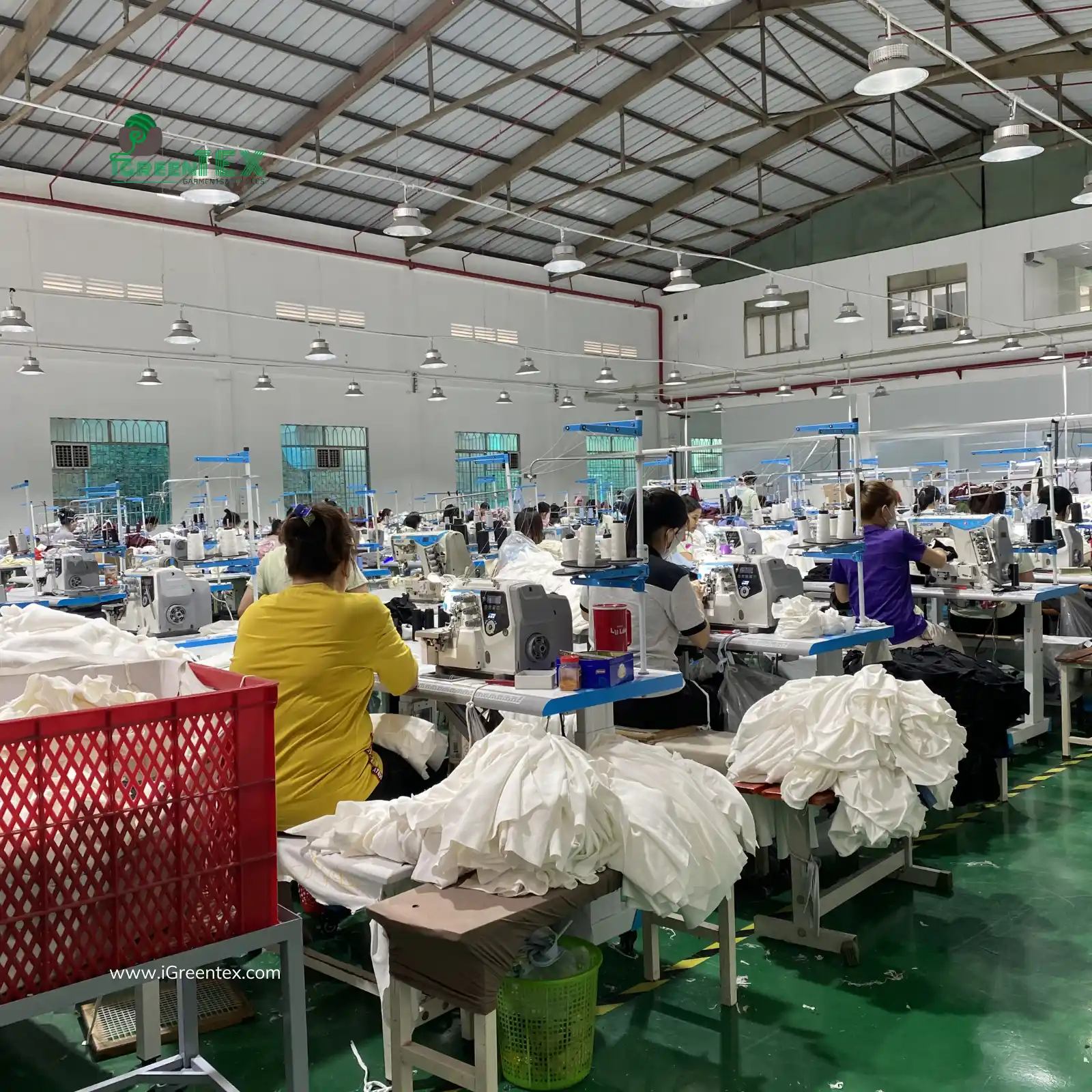
Today, the Vietnamese garment industry has become a leading destination for this model. With advanced machinery, skilled labor, and strict quality control, Vietnamese factories excel at executing precise buyer designs for global apparel brands.
What Does the Buyer Need Before Starting OEM Production?
Because the factory strictly follows instructions, buyer preparation is non-negotiable. Sourcing managers cannot simply send a photograph from the internet and expect a perfect sample.

To succeed in OEM garment manufacturing, you must prepare a comprehensive technical package. If your instructions are vague, the final product will fail. Here is exactly what apparel brand founders must provide before production begins.
Detailed Product Design
You must provide precise design concepts. This includes technical flat drawings showing the front, back, and side of the garment. You must also explain the intended fit, whether it is an oversized streetwear hoodie or a compressed athletic shirt.
The Comprehensive Tech Pack
A tech pack is the absolute foundation of your production run. A professional tech pack must include exact measurements for your base size. It must also include grading rules for all other sizes (Small, Medium, Large, etc.). It should specify construction details, such as the exact type of seams required.
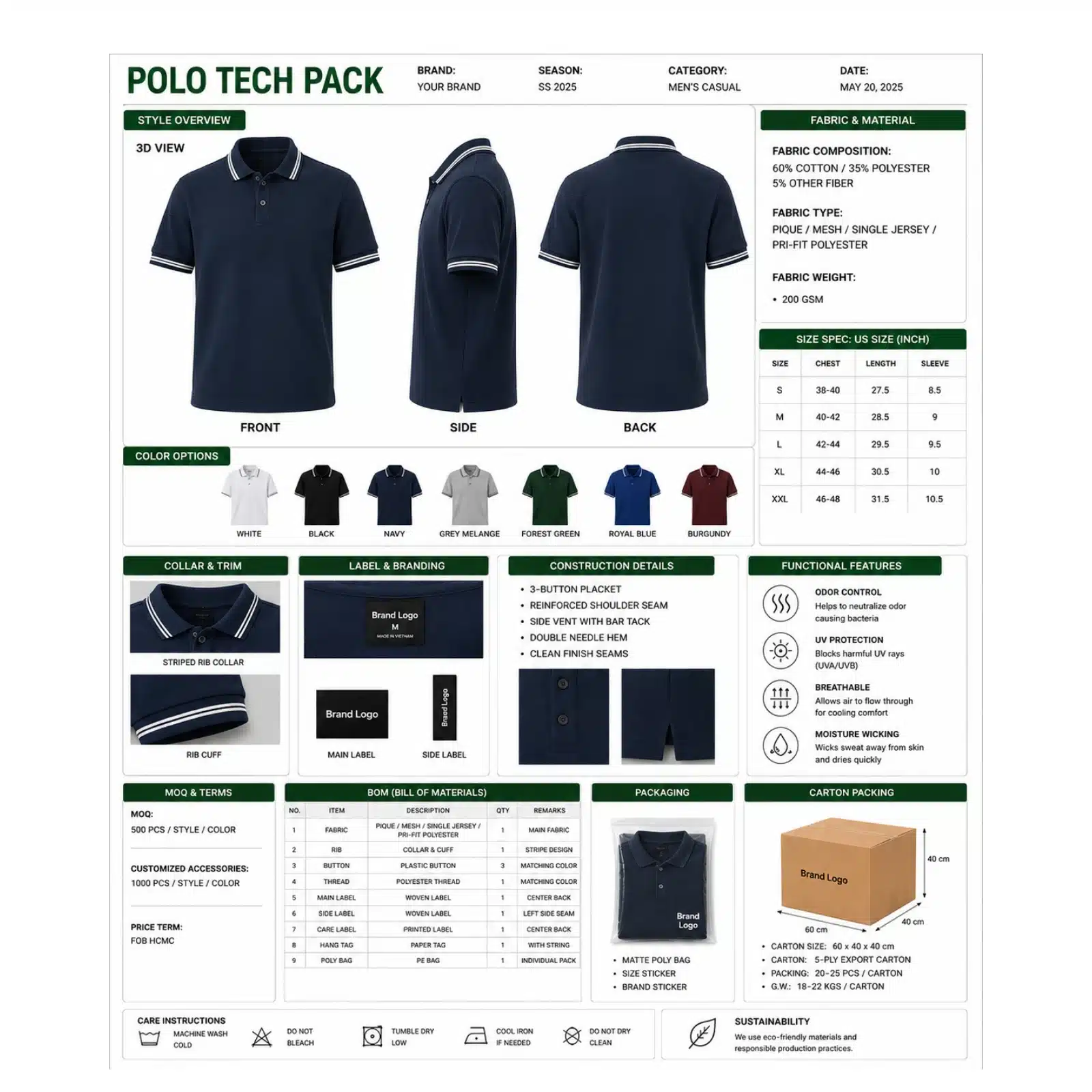
Fabric & Trim Requirements
You cannot just request “cotton.” You must specify the exact fabric weight, usually measured in GSM (Grams per Square Meter). You must define the fiber composition, such as 100% organic cotton or a poly-spandex blend. You also need to list all trims, including YKK zippers, specific buttons, and custom drawstrings.
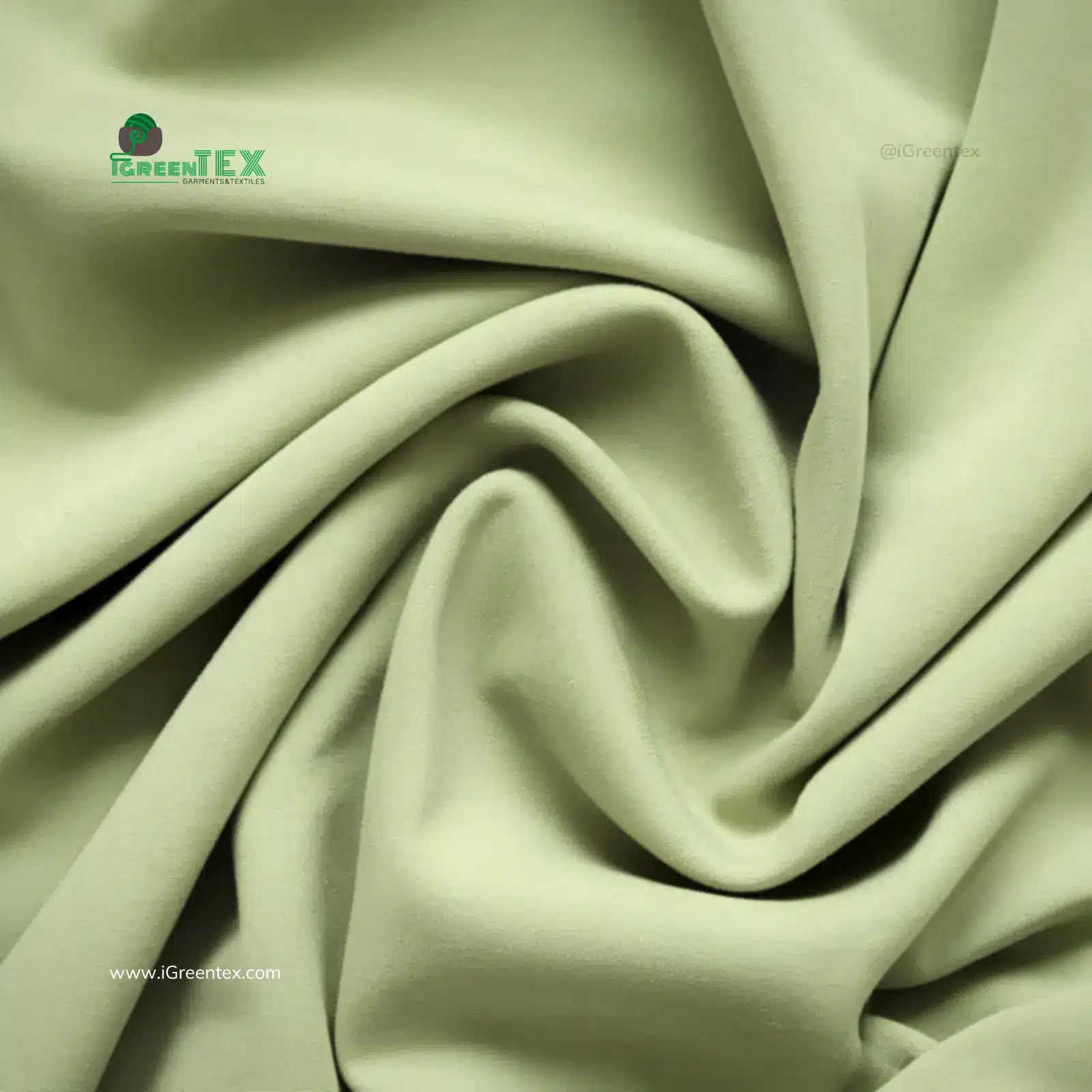
Precise Product Specifications
Finally, supply chain managers must define all branding elements. This includes high-resolution artwork files for screen printing or embroidery. You must provide designs for woven neck labels, care labels, and paper hangtags. You should also outline how the garments should be folded and packed into poly bags.
How OEM Clothing Manufacturing Works
Understanding the garment manufacturing workflow helps brands plan their launch dates accurately. OEM clothing manufacturing follows a rigid, step-by-step process to eliminate errors.
1. Technical Review
The process begins when you submit your tech pack. The factory’s technical team analyzes your documents. They check for missing information and confirm if your design is physically possible to manufacture efficiently.
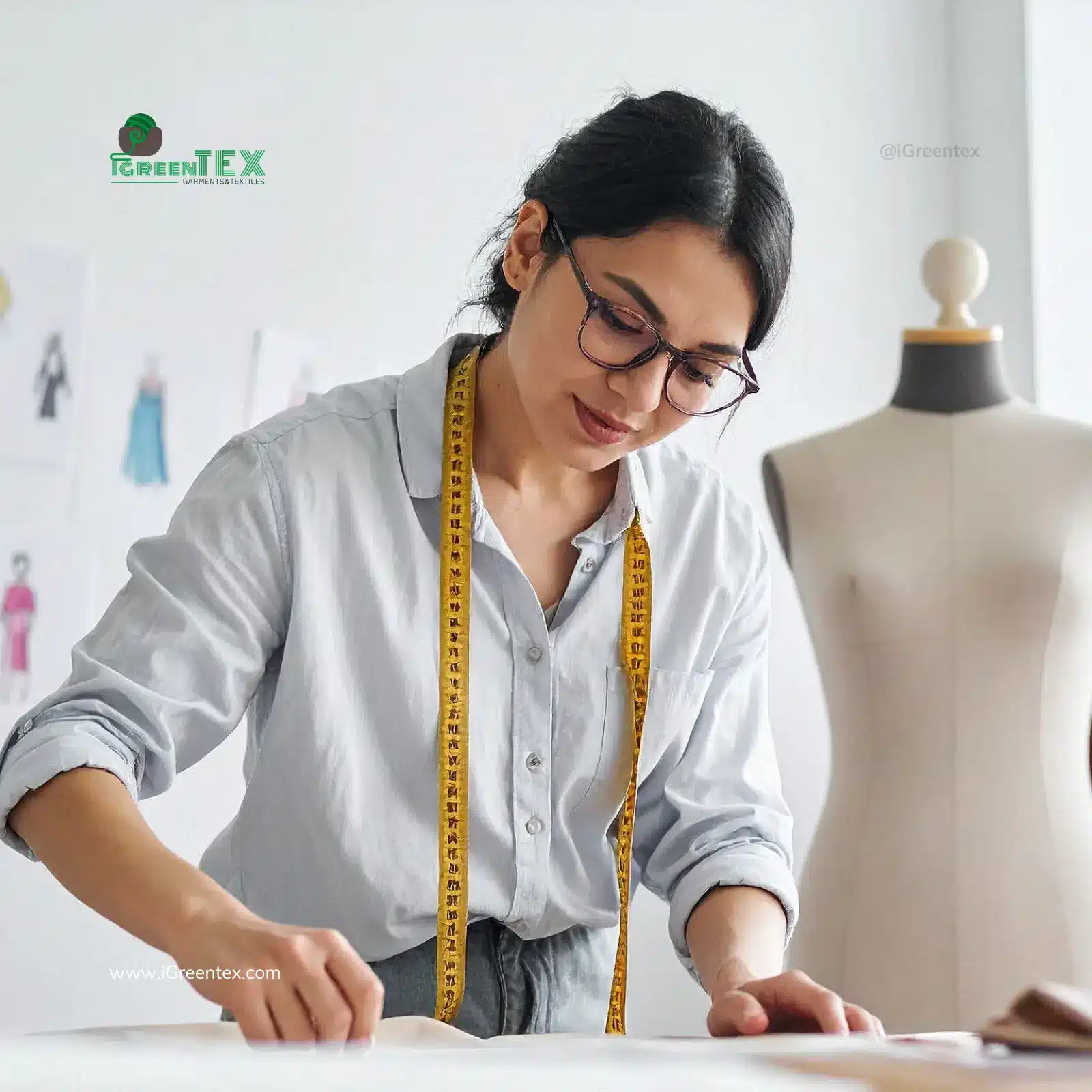
2. Sample Development
Once the tech pack is clear, the factory moves into prototype development. They create a physical version of your design. During this phase, they use available substitute fabrics if your custom fabric is not yet dyed. The goal here is to check the structural fit.
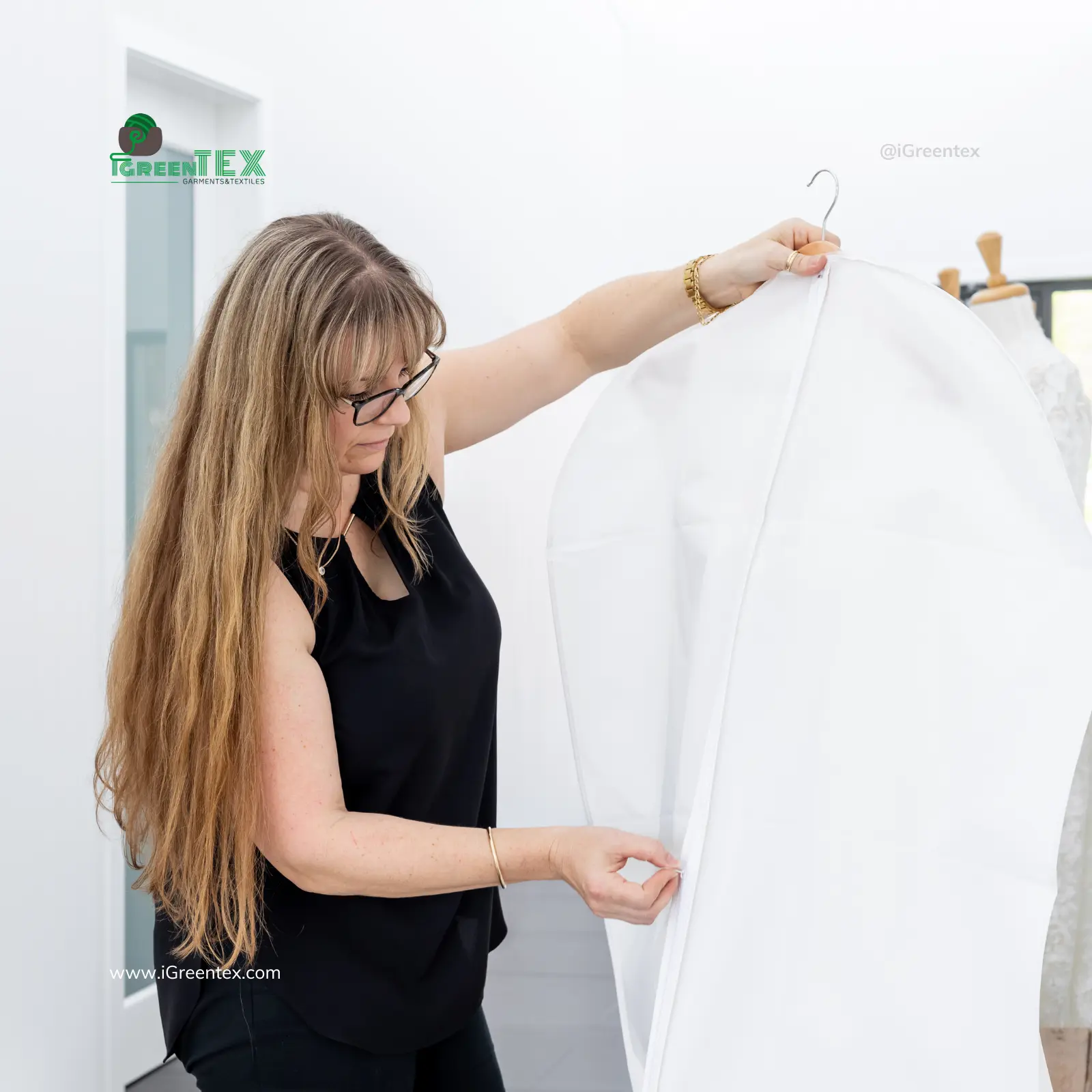
3. The Sample Approval Process
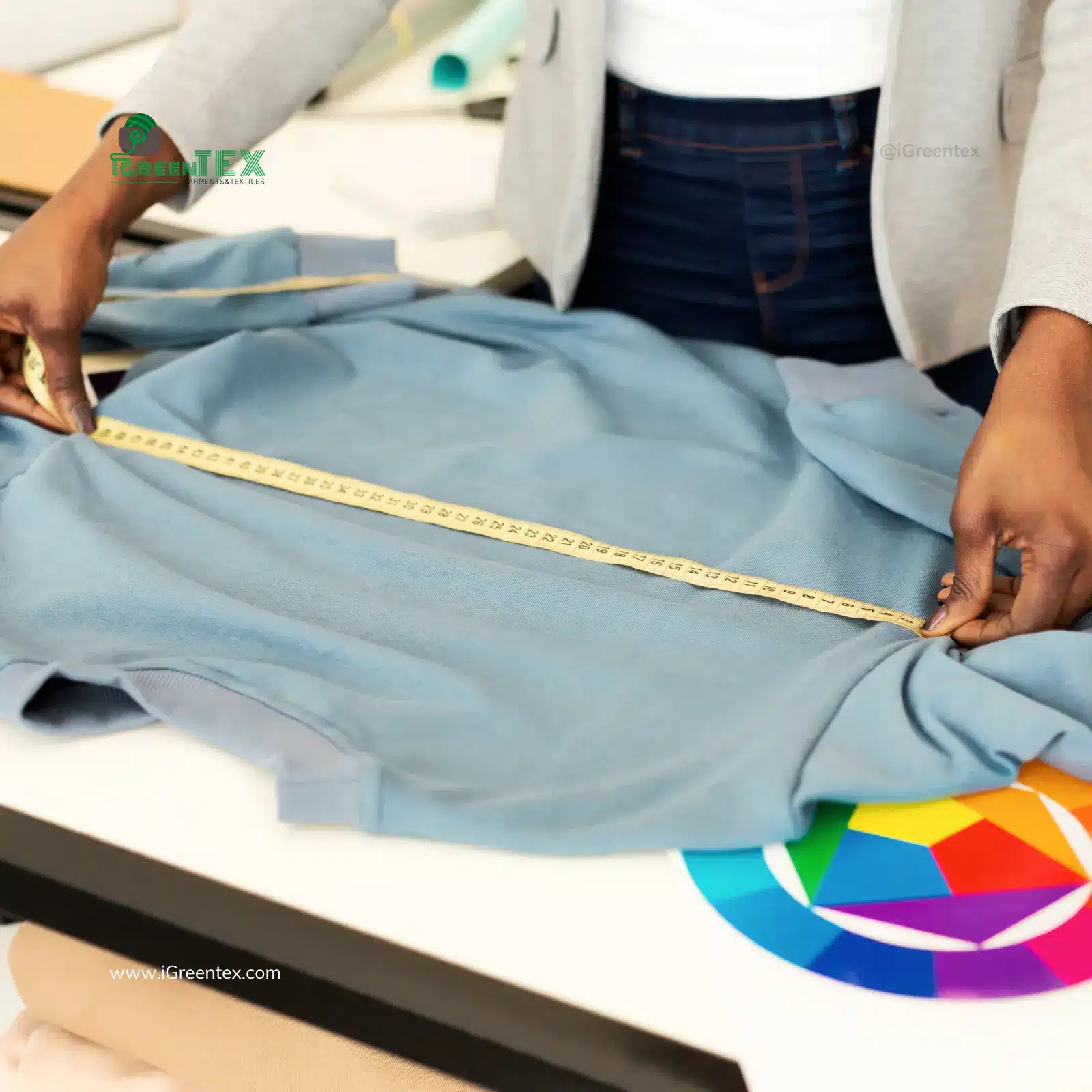
You will receive the prototype for review. You must try it on a fit model and note any necessary adjustments. The sample approval process often requires two or three iterations. You must not rush this step. Once you approve the final sample, it becomes the golden standard for bulk production.
4. Material Procurement
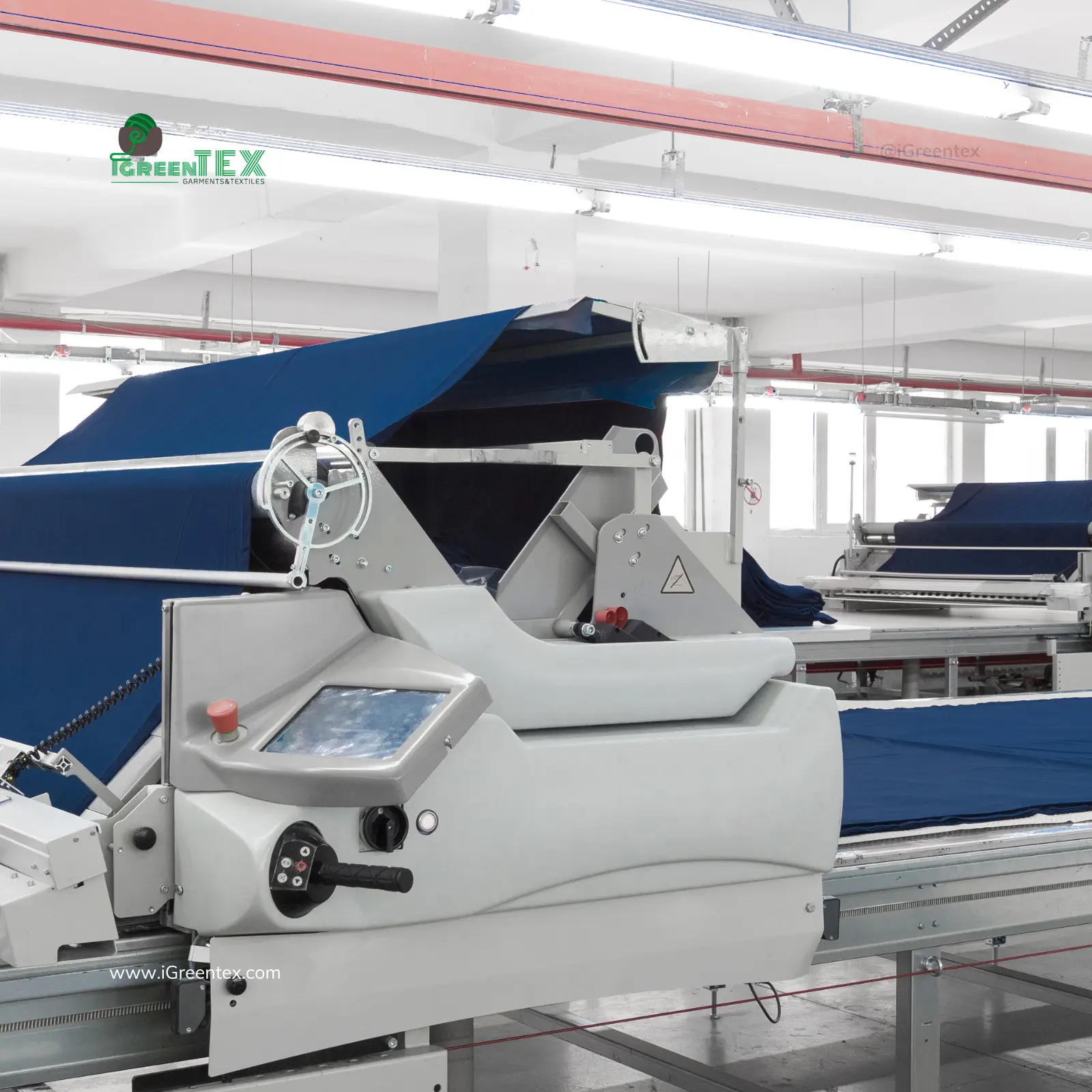
After approval, the factory purchases the bulk materials. They order the exact yarn, manage the fabric dyeing process, and source all custom trims. This stage often takes several weeks, depending on fabric availability.
5. Bulk Production
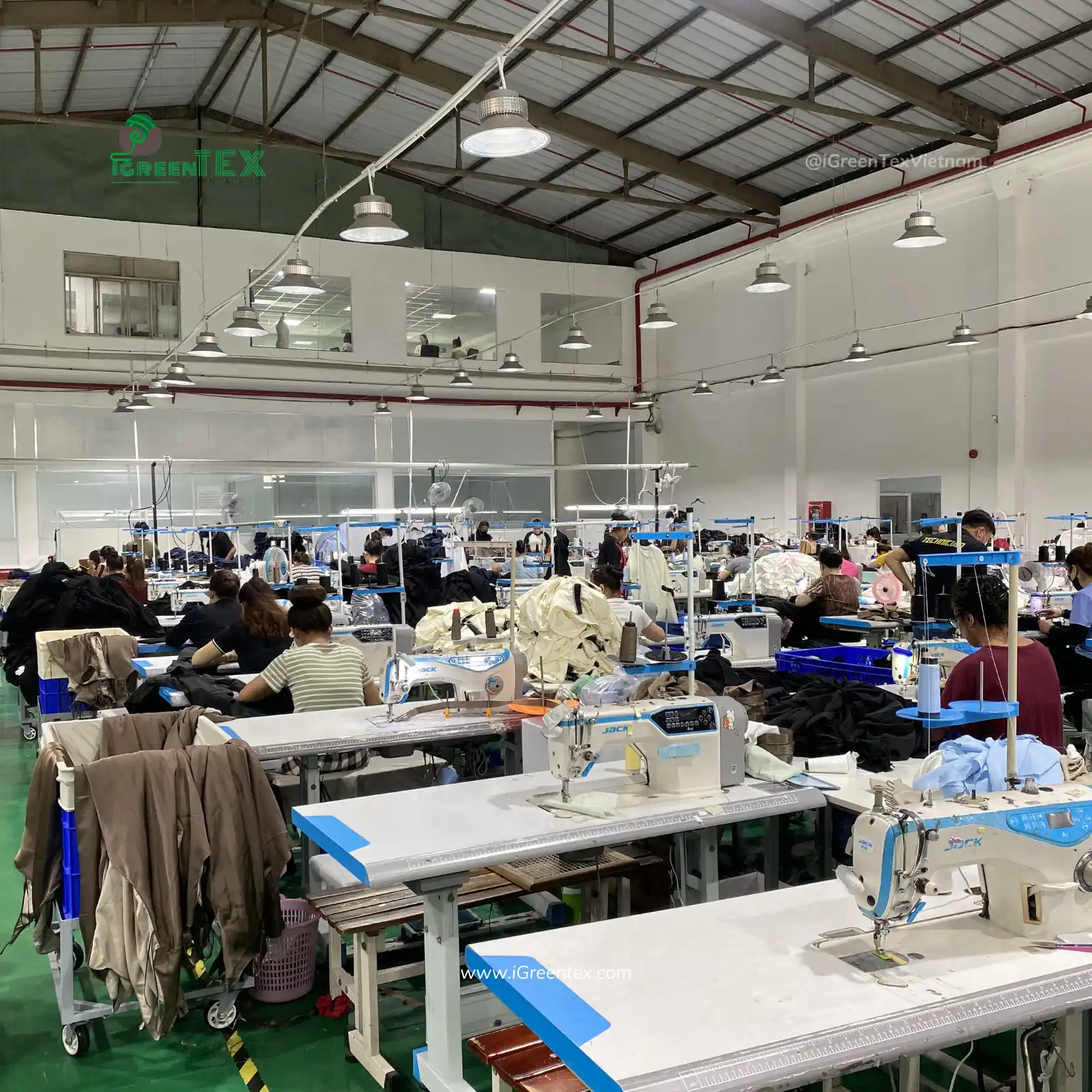
With materials in hand, the factory cuts the fabric according to your approved patterns. The sewing lines then assemble the garments. This is where a reliable factory demonstrates its true operational capacity.
6. Quality Inspection
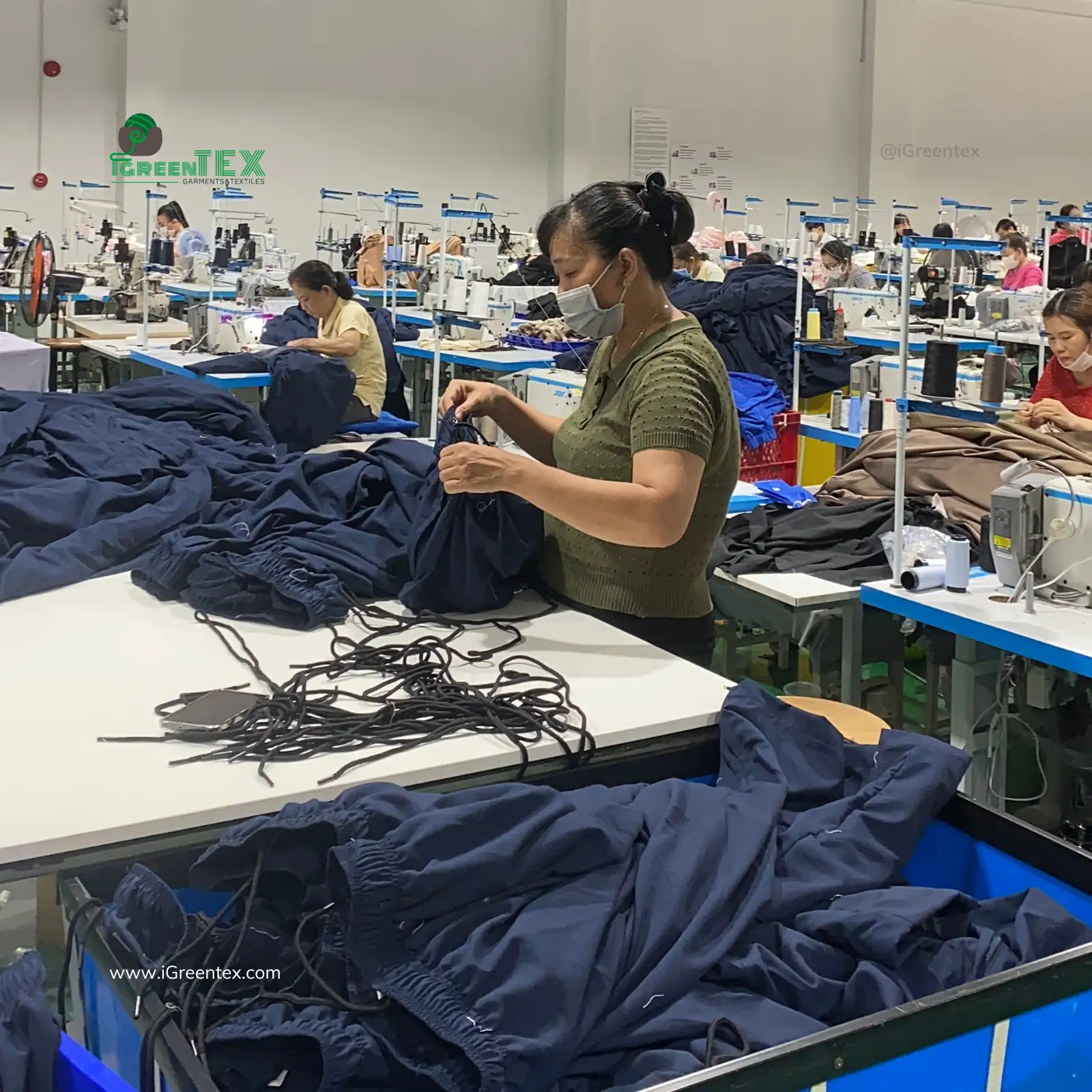
Before packing, the factory conducts rigorous apparel quality assurance. Teams check for loose threads, incorrect measurements, and fabric defects. Most international brands require a standard AQL inspection (Acceptable Quality Limit) to determine if the batch passes.
7. Shipping and Delivery
The finished goods are packed and prepared for export. In most cases, international orders operate under FOB terms (Free On Board). This means the factory handles transportation to the local port, and the buyer assumes responsibility from there.
Understanding every production step helps you control the schedule, track progress, and avoid costly delivery delays.
Read more: Clothing Manufacturing Process: Standard Step-by-Step
Advantages of OEM Clothing Manufacturing
Why do established retail chains and fashion labels prefer this complex model? The strategic advantages directly impact market positioning.
Complete Design Ownership
You own the intellectual property. Your structural designs, custom fits, and unique details belong solely to you. This exclusivity is a massive competitive advantage.
You own the intellectual property. Your structural designs, custom fits, and unique details belong solely to you. To ensure your custom tech packs and patterns remain strictly confidential before sharing them with a factory, establishing a clear NDA for clothing manufacturers is an essential first step.
Absolute Product Customization
You are not limited by a catalog of pre-made templates. If you want a specific hidden pocket or a unique asymmetrical hem, you can engineer it. This level of customization defines premium brands.
Stronger Brand Identity
When you build a product from scratch, it reflects your brand’s DNA perfectly. It prevents your apparel from looking identical to a competitor’s private label clothing.
Consistent Quality Control
Because you set the exact material and stitching standards, you control the final quality. You dictate the rules, and the factory follows them.
For these reasons, many US apparel importers choose a professional clothing manufacturer in Vietnam to execute complex technical designs. The region offers advanced machinery and a highly skilled workforce capable of meeting strict international standards.
Challenges Sourcing Managers Must Consider
Despite its immense benefits, OEM apparel manufacturing carries specific risks. Procurement teams must plan carefully to avoid financial losses.
It Requires Flawless Documentation
If your tech pack has an error, thousands of garments will share that error. The buyer bears the absolute responsibility for design accuracy. If you provide wrong measurements, the factory is not at fault for following them.
Higher Product Development Costs
Starting from zero requires capital. You must pay for multiple sample iterations, technical pattern making, and custom fabric minimums. It is more expensive than buying off-the-shelf designs.
A Longer Development Timeline
Creating a custom garment takes time. Developing the perfect fit, sourcing specific materials, and approving samples can add months to your product development timeline.
Stricter Order Minimums
Factories must invest significant time to set up sewing lines for a brand new design. Therefore, they usually require a higher MOQ (Minimum Order Quantity) to make the production run financially viable.
Choosing the wrong factory costs you money. Discover the core criteria to evaluate and pick the right reliable partner.
Read more: How to Find the Best Clothing Manufacturers
Who Should Choose OEM Clothing Manufacturing?
This model is a powerful tool, but it is not for everyone. You should actively pursue OEM garment manufacturing if you fit into these specific categories.
- Brands with Original Designs: If your core value is a unique silhouette or a proprietary fit, OEM is mandatory.
- Established Fashion Labels: Companies with the budget and time to invest in a lengthy apparel development process.
- Sportswear and Performance Brands: Businesses that require highly specific fabric functions, such as moisture-wicking or compression capabilities.
- Sustainable Brands: Companies dedicated to sustainable clothing manufacturing who must tightly control every material source and dye process.
Essential Documents for OEM Production
Professionalism prevents supply chain delays. Before you begin the process, ensure your team has prepared these essential documents.
- The Tech Pack: The ultimate instruction manual for your garment.
- Bill of Materials (BOM): A detailed spreadsheet listing every physical item needed to make one garment (fabric, thread, tags, polybags).
- Measurement Chart: A table showing the exact dimensions for every point of measure across all sizes.
- Vector Artwork Files: High-quality digital files (.AI or .EPS format) for any logos or graphics.
- Color References: Exact Pantone codes for fabric dyeing and printing to ensure color consistency.
Common Mistakes in the Apparel Development Process
Inexperienced clothing brands often lose money by making avoidable errors during the development phase.
One critical mistake is sending an incomplete tech pack. Factories cannot read your mind. If you do not specify a stitch type, they will use the cheapest option.
Another severe error is constantly changing specifications during garment sampling. Altering a neckline after the pattern is made wastes weeks of work and increases costs.
Finally, many buyers fail to establish quality standards early. Before you contact a garment factory in Vietnam to discuss your order, you must know your required AQL level and verify their factory compliance certifications.
Do not just trust marketing claims. Conducting a professional garment factory audit is the most reliable way to verify actual production capacity, compliance certifications, and working conditions before placing bulk orders.
Do not just trust marketing claims. Learn exactly how to check the documents and actual capacity of Vietnamese suppliers.
Read more: How to Verify Garment Factory Vietnam: Avoid Scams Fast
OEM vs ODM: A Quick Strategic Comparison
Understanding the difference between these two models helps you allocate your resources effectively.
OEM (Original Equipment Manufacturer) requires the buyer to supply the complete design. It offers maximum exclusivity but demands higher upfront costs and longer timelines.
ODM (Original Design Manufacturer) allows the buyer to select and modify designs created by the factory. It offers a faster launch time and lower R&D costs, but sacrifices design exclusivity.
If you have a clear vision and technical skills, choose OEM clothing manufacturer. If you want to launch quickly with minimal design effort, choose ODM clothing manufacturing.
OEM is only one of the common manufacturing models in the apparel industry. Compare it with ODM to understand which approach better suits your product goals and sourcing strategy.
Unsure which model saves more time and money for your brand? Compare both options to make the best strategic decision.
Read more: OEM vs ODM Clothing Manufacturing – Which to Choose?
Frequently Asked Questions
What is OEM clothing manufacturing fundamentally? It is a production model where the apparel brand provides the complete design and technical specifications, and the factory manufactures the product exactly to those instructions.
What does an OEM clothing manufacturer actually do? They focus on execution. They provide pattern making, fabric sourcing, sampling, and mass production services based entirely on the buyer’s tech pack.
What is the difference between OEM and ODM? In OEM, the buyer owns and provides the design. In ODM, the factory owns the base design, and the buyer modifies it.
How long is the production lead time for OEM? It varies, but it is generally longer than ODM. Sourcing custom fabrics and perfecting initial samples often takes 4 to 8 weeks before bulk production even begins.
Can startups use an OEM clothing manufacturer? Yes, provided they have the budget for development and can meet the factory’s Minimum Order Quantity for custom production.
Conclusion
Understanding the mechanics of what is OEM clothing manufacturing is essential for any brand aiming to scale globally. It is a highly strategic model designed to protect your intellectual property while giving you absolute control over product quality.
While the upfront work is demanding, the reward is a truly unique product that stands out in a crowded market. Success relies entirely on clear communication and meticulous technical documentation.
When evaluating potential partners, look for transparency, strong communication, and robust quality control systems. Facilities like iGreen Tex Vietnam operate as strategic manufacturing partners, helping brands navigate the complexities of international production. Ultimately, proper preparation is the only way to succeed in OEM clothing manufacturing. To execute this effectively, you must master the precise steps to start a clothing line, ensuring your 2026 strategy moves smoothly from design to the final market launch.