5 Signs Your Fashion Supply Chain Is Overloaded and Needs a New Partner
Is your current manufacturing setup starting to hold your business back?
A supplier might have been the perfect fit for your clothing brand when you first launched. However, that does not guarantee they will remain the right partner as your business scales. When your order volume increases, your product range expands, or your delivery deadlines become tighter, previously hidden weaknesses in your production process can start to surface.
You might notice that production schedules become harder to confirm. Lead times keep getting longer without clear explanations. Sample approval processes drag on, taking up valuable time. Communication, which used to be swift, suddenly becomes slower and less detailed. The quality of your finished garments becomes less consistent across different batches. Furthermore, you might find that your current supplier simply cannot accommodate urgent changes or new styles.
These issues force sourcing managers and apparel brand owners to ask a critical question. Are these just temporary operational hiccups, or are they clear indicators of an overloaded fashion supply chain? Has your production demand finally exceeded the actual apparel supplier capacity?
Understanding when your supply network is stretched too thin is crucial for maintaining brand reputation and profitability. Let’s explore what an overloaded fashion supply chain truly means and examine the five definitive signs that it might be time to evaluate your current manufacturing partnerships.
What Does an Overloaded Fashion Supply Chain Actually Mean?
Before diving into the specific warning signs, procurement teams must understand the concept of a fashion supply chain overload. It is a common misconception that an overloaded apparel supply chain only occurs when a factory physically receives too many purchase orders. The reality of manufacturing constraints is often more complex.
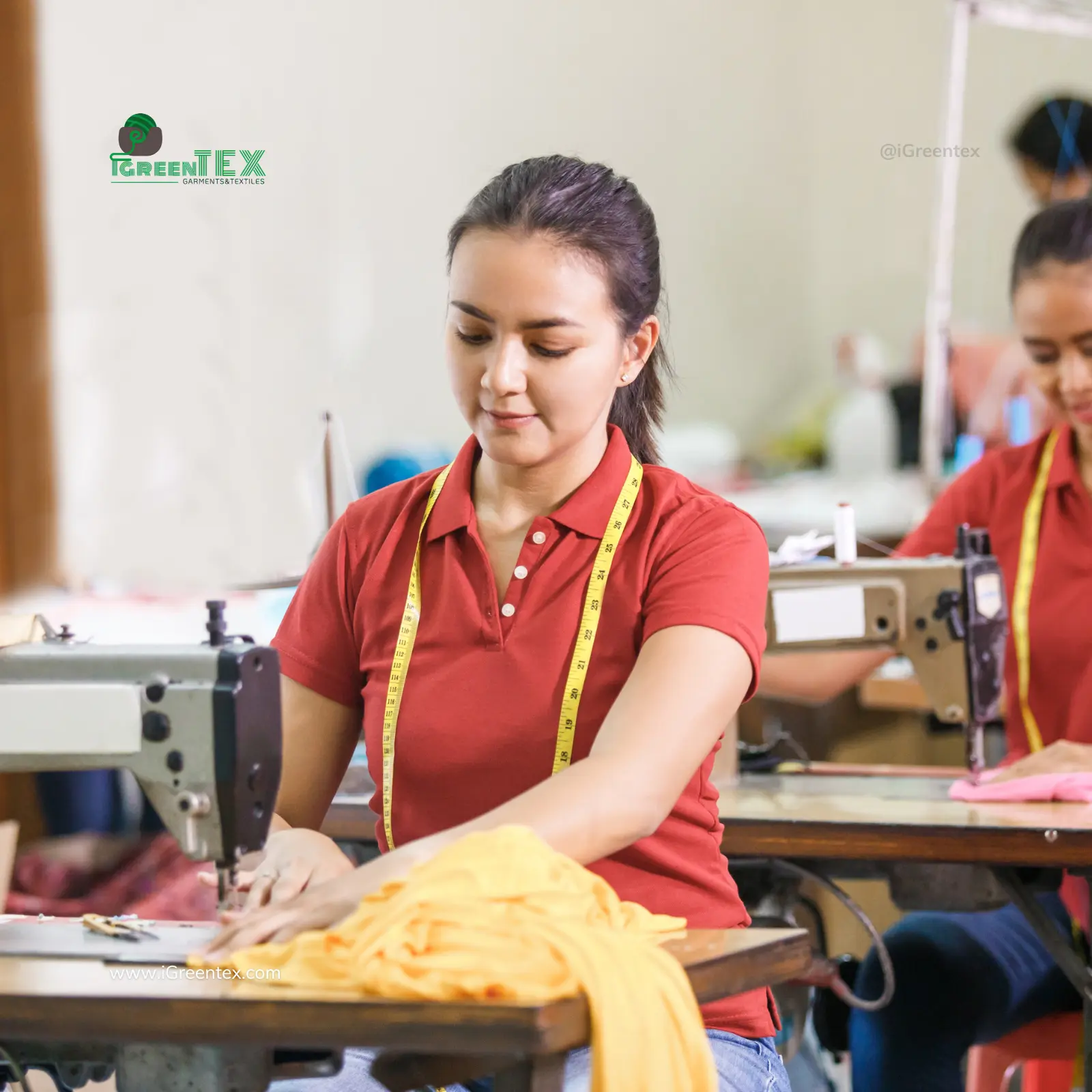
Overloaded Does Not Always Mean “Too Many Orders”
An apparel supply chain overload can manifest in several different operational bottlenecks. It frequently occurs when a supplier’s core production capacity is fundamentally limited by their facility size or workforce. Even if they are not fully booked, your specific order volume might have grown beyond the supplier’s comfortable operational capacity.
Furthermore, a fashion supply chain overload happens when your product requirements become too technically complex for their current machinery or skill level. It can also occur if the supplier is attempting to manage too many clients simultaneously, leading to fragmented attention. Sometimes, the issue is that their production planning system is not flexible enough to handle variations in demand. Most critically, an overloaded fashion supply chain becomes evident when their quality control processes cannot keep pace with the speed of their production lines.
If you are starting to see these signs, you might need to read more on how to navigate the broader manufacturing landscape.
Read more: How to Find the Best Clothing Manufacturers
A Supplier Can Be Busy Without Being Overloaded
It is vital for supply chain managers to distinguish between a busy factory and an overburdened fashion supply chain. We must avoid extreme conclusions; a busy supplier is often a successful and reliable one.
A high-performing supplier can operate at near-maximum capacity while still managing their workload effectively. A busy but well-managed factory communicates clearly and proactively. They provide realistic lead times based on actual data, not just optimism. They maintain strict quality standards, regardless of the output volume. They consistently meet agreed-upon deadlines and provide transparent, regular production updates.
The critical distinction is performance degradation. The problem only emerges when a supplier’s workload begins to negatively affect their actual performance, transforming a busy factory into an overloaded fashion supply chain.
Sign #1: Your Production Lead Times Keep Getting Longer
One of the earliest and most noticeable indicators of an overloaded fashion supply chain is the gradual extension of production schedules. If you are experiencing persistent apparel production delays, it is time to investigate.

The Warning Signs of Extending Lead Times
Apparel brand founders often first notice this issue during the development phase. Sampling, which used to take a few weeks, now takes significantly longer. Following approval, you might find that bulk production start dates keep moving backward.
The duration of bulk production itself extends beyond standard industry norms. Consequently, shipping deadlines become increasingly harder to meet, putting your seasonal launches at risk. You might also notice that the supplier frequently asks for “just a little more time” to finish the order.
Why Do Production Delays Occur?
Understanding the root cause is essential for sourcing agents. These delays usually stem from limited production capacity that cannot absorb sudden spikes in volume. Often, the factory’s production lines are simply fully booked with other clients’ orders.
Poor production planning and scheduling at the factory level are also common culprits. Managing too many simultaneous orders without a robust system inevitably leads to bottlenecks. Sometimes, the delay is upstream, caused by material sourcing delays that the factory failed to anticipate. In other cases, weak coordination between different factory departments, such as cutting and sewing, slows down the entire process.
To understand how standard timelines should look, you can review a typical workflow.
Read more: Clothing Manufacturing Process: Standard Step-by-Step
Do Not Jump to Conclusions
It is important to remember that a single, isolated production delay does not automatically mean you are dealing with an overloaded fashion supply chain. Global manufacturing is complex, and unforeseen issues do occur.
Instead of panicking over one late shipment, procurement managers should analyze the broader trend. Look at the delay frequency across multiple orders. Assess the average delay duration. Crucially, evaluate whether the supplier proactively communicates potential delays or only informs you after the deadline has passed. Finally, observe whether their proposed corrective actions actually prevent the issue from recurring.
How to Address Lead Time Issues
Before seeking a new partner, buyers should attempt to resolve the issue with their current factory. Start by asking for a highly detailed, realistic production schedule, not just a rough estimate.
Always confirm the specific production capacity allocated to your brand before placing a new purchase order. Set clear, measurable production milestones throughout the manufacturing process. Actively monitor critical production stages, perhaps requiring photographic evidence of progress. Finally, discuss long-term capacity planning for your future orders to ensure they can meet your forecasted demand.
When to Consider a New Supplier
If production delays transition from occasional hiccups to a repeated pattern, the situation is critical. This is especially true when the supplier fails to offer transparent explanations or effective long-term solutions. When delays consistently threaten your retail commitments, this is a strong sign that you need to re-evaluate your partner to escape an overloaded fashion supply chain.
Sign #2: Your Supplier Cannot Handle Increasing Order Volume
As your clothing brand successfully scales, your manufacturing partner must be able to scale alongside you. A clear sign of an overloaded apparel supply chain is a factory’s inability to manage increased demand. Evaluating apparel supplier capacity is a fundamental task for any VP of Merchandising.

Symptoms of Capacity Constraints
When your business enters a high-growth phase, you might encounter strong resistance from your current factory. The supplier simply cannot increase their monthly production volume to match your new forecasts.
You might find that their Minimum Order Quantity (MOQ) structure becomes restrictive, preventing you from testing new markets. The supplier might outright refuse to take on additional styles or complex designs. They may demonstrate an inability to add temporary production capacity, such as opening new sewing lines, when urgently needed. Furthermore, placing large orders might suddenly require unusually long lead times, indicating their system is straining.
Understanding the Capacity Alignment Problem
It is crucial to understand that a supplier might be excellent at producing 5,000 units per month. However, that same factory does not necessarily have the infrastructure, management, or workforce to seamlessly produce 15,000 to 20,000 units per month.
This is fundamentally a problem of capacity alignment, not necessarily an indication that the supplier is “bad.” Their business model simply no longer matches your volume requirements, leading to an overloaded fashion supply chain for your specific brand. This dynamic is a key reason why manufacture clothing in Vietnam is often considered by brands needing scalable, mid-to-large volume production.
How Buyers Should Assess Capacity
To prevent future bottlenecks, sourcing managers need to ask detailed, probing questions about actual clothing production capacity. Do not settle for vague assurances.
Ask specifically: What is your current total monthly capacity in units? How much of that capacity is currently allocated to existing clients? Can you flexibly scale production during peak seasonal periods? How many dedicated sewing lines are available for our specific product category? Most importantly, what exactly happens to timelines and quality if our order volume doubles next year?
Corrective Actions for Capacity Issues
If your volume increase is only temporary—perhaps for a specific promotional event—you should discuss capacity reservation strategies with your supplier well in advance.
However, if your volume increase is a permanent, long-term trajectory, you must critically evaluate whether the current supplier genuinely possesses enough clothing production capacity. You need a partner capable of sustainable growth.
Transition: If your supplier cannot grow with your business, the problem evolves beyond simple production capacity. It transforms into a severe supply chain growth constraint that can stifle your brand’s potential.
Sign #3: Quality Becomes Less Consistent as Orders Increase
This is perhaps the most dangerous sign of an overloaded fashion supply chain. When a factory pushes its capacity limits, quality is often the first casualty. Transitioning from capacity issues to supplier performance issues represents a significant increase in risk for apparel brand owners.
Signs of Deteriorating Quality Control
As your order volume increases, you might start receiving shipments with a higher percentage of defective garments. Measurements might become inconsistent, leading to sizing issues for your customers.
You may notice that stitching quality varies significantly between different batches or even within the same order. Color discrepancies between different rolls of fabric might become more noticeable and frequent. Consequently, the amount of rework required at the factory increases, further delaying shipments. Finally, your third-party final inspections might start failing more frequently, highlighting systemic issues.
Why Does Increased Volume Affect Quality?
When an overburdened fashion supply chain tries to keep up, factories often resort to risky practices. The supplier might be overloading their sewing lines, pushing workers to prioritize speed over precision.
They might be trying to increase output too quickly without expanding their management team. Often, factories hire additional, temporary workers who lack sufficient training for your specific product standards. To save time, they might reduce the time allocated for inspection or weaken their vital in-line QC processes. Ultimately, they begin prioritizing delivery speed over product consistency, damaging your brand’s reputation.
The Educational Point on Scaling Quality
It is essential to recognize that higher production volume should not automatically equate to lower quality. This is a false compromise often presented by struggling factories.
A high-quality supplier with a robust management system must have the capability to scale production while rigorously maintaining quality control standards. They achieve this through standardized processes, continuous training, and independent QC teams that are not pressured by production targets.
How to Enforce Quality Standards
To regain control, procurement teams must implement strict, measurable quality standards. Do not rely on verbal agreements.
Always use physically approved samples as the absolute reference for bulk production. Establish clear Acceptable Quality Limit (AQL) requirements before production begins. Mandate both inline inspections during sewing and final random inspections before shipping. Meticulously track recurring defects across different orders to identify systemic problems. Finally, review all QC reports over multiple seasons to spot downward trends in quality.
For a clearer understanding of how precise specifications can protect quality, consider reviewing technical documentation standards.
When Is It Time to Switch Suppliers?
If you have clearly documented and communicated your quality requirements, implemented proper QC procedures, and given the supplier ample opportunities to correct identified issues, yet the quality still deteriorates, you have a serious problem. When a factory proves incapable of maintaining standards at your required volume, their supplier reliability becomes a critical liability, indicating a severely overloaded fashion supply chain.
Sign #4: Communication Becomes Slower and Less Transparent
Effective communication is the lifeblood of international manufacturing. When communication breaks down, it is often a glaring symptom of an overloaded apparel supply chain. This issue directly impacts apparel supplier reliability and your ability to manage your business.
The Symptoms of Communication Breakdown
Sourcing agents often experience a distinct shift in communication patterns when a factory becomes overwhelmed. Replies to emails, which used to take hours, now take days.
When you do receive production updates, they are often vague, unclear, or lack specific details. You might receive conflicting answers from different people within the factory’s merchandising team. Most concerningly, critical problems are only reported to you after they have become serious, rather than when they first emerge. You lose clear visibility into the current production status, and obtaining necessary photos, testing reports, or shipping documentation becomes a frustrating struggle.
Why Is Transparent Communication Crucial?
In overseas apparel manufacturing, the buyer is rarely standing directly on the factory floor. Therefore, communication is not just a courtesy; it is your primary method of supply chain control.
If a buyer does not know exactly what has been completed, what specific stages are delayed, or what materials are at risk, they are flying blind. Without knowing what needs immediate approval to keep production moving, the buyer cannot effectively manage the order or inform their retail partners.
How to Restore Communication Flow
To address this, establish a single point of contact within the factory to avoid mixed messages.
Demand regular, scheduled production milestone updates, not just ad-hoc emails. Implement mandatory approval checkpoints that the factory cannot bypass without your written consent. Require standardized weekly QC reporting. Finally, create a clear escalation process so that urgent issues bypass standard channels and reach factory management immediately.
Recognizing an Incompatible Partner
It is unreasonable to expect a supplier to reply instantly, 24/7. That is not the benchmark for good communication.
The core issue is reliability. Ask yourself: Can you reliably get the accurate information you need, when you need it, to make informed business decisions? If the answer is frequently “No,” and you are constantly chasing updates, this is a massive warning sign of an overloaded fashion supply chain that can no longer prioritize your account.
Sign #5: Your Supplier Keeps Saying “We Can’t” When Your Business Changes
As your brand evolves, your manufacturing needs will naturally shift. How your supplier responds to these changes reveals whether you are dealing with a flexible partner or an overburdened fashion supply chain incapable of adaptation.
Scenarios of Manufacturing Friction
When an apparel brand successfully grows, the VP of Merchandising usually wants to implement new strategies. You might need to add entirely new, complex styles to your collections. You will certainly want to increase your overall production volume.
You might need to change your delivery schedules to accommodate new retail drops. Perhaps you want to introduce innovative, sustainable new fabrics or improve your environmental compliance requirements. You might be entering new international markets that require different labeling or sizing. Often, brands look to develop more technically complex garments to increase their profit margins.
However, if your supplier continually responds to these requests with “We can’t,” you have a problem. They might say, “It’s too difficult for our current setup,” “We don’t have the capacity for that,” or “We would need much more time to figure that out.”
To understand the different ways factories can handle design and development, you might want to compare manufacturing models.
Read more: OEM vs ODM Clothing Manufacturing: Which to Choose?
The Core Issue: Supplier-Business Misalignment
It is important to acknowledge that a single supplier does not need to accommodate every single request you make. Factories have their specialties.
However, if the fundamental business direction of your brand changes, and your supplier repeatedly demonstrates an inability to adapt, you are facing a deep Supplier-Business Misalignment. This is the core issue. The supplier might still be perfectly capable of producing your old, simple styles efficiently. However, they are simply no longer the right fit for the new, more demanding development stage of your business. They have become an overloaded fashion supply chain relative to your specific growth needs.
Before Replacing Your Supplier, Try These 5 Corrective Actions
It is crucial to emphasize that discovering signs of a fashion supply chain overload does not mean you must immediately sever ties. Switching manufacturers is expensive and disruptive. Before deciding to leave, brands looking for OEM apparel manufacturers should attempt to fix the existing relationship.
Action 1 — Review Actual Production Capacity
Do not simply ask, “Can you handle this order?” This usually elicits an optimistic “Yes.” Instead, ask detailed, logistical questions. Inquire, “What specific capacity is realistically available and reserved for our brand during our required production window next quarter?” Force the factory to look at their actual scheduling data.
Action 2 — Identify the Real Bottleneck
A delay is often a symptom, not the root cause. You must determine where the actual problem lies within the overloaded fashion supply chain. Is the bottleneck in fabric sourcing? Is it a delay in receiving trims? Are the cutting tables backed up? Is the sewing floor understaffed? Are finishing and QC taking too long? Or is it a problem with packing and shipping coordination? You should not change a cut-and-sew supplier if the real issue is a nominated fabric mill consistently delivering late.
Action 3 — Set Measurable Performance Standards
You cannot improve what you do not measure. Establish clear Key Performance Indicators (KPIs) with your supplier. Meticulously track their lead time accuracy. Measure their exact on-time delivery rate. Document the defect rate found during third-party inspections. Monitor their average communication response time. Track the rework rate and any significant production variance from the approved samples.
Action 4 — Give the Supplier a Chance to Correct the Problem
Once you have identified the issues and set standards, work collaboratively with the factory. Discuss better long-term capacity planning. Adjust your production schedules if your previous deadlines were genuinely unrealistic. Implement new workflows to improve communication transparency. Demand that they strengthen their internal QC management. Sometimes, splitting large orders into smaller, phased production runs can relieve pressure on an apparel supply chain overload.
Action 5 — Review Performance Over Multiple Orders
Do not judge a supplier’s overall capability based on one disastrous order or one sudden fashion supply chain overload. Look for established patterns over several seasons. If they implement corrective actions and performance improves, the partnership might be salvageable. If the same problems persist across multiple purchase orders despite interventions, you have your answer.
When Should You Actually Consider a New Apparel Manufacturing Partner?
This is the critical decision point for any sourcing manager. You should not initiate the complex process of finding a new factory simply because you encountered one operational problem. Instead, use a structured framework to evaluate when an overloaded apparel supply chain necessitates a change.
The Framework for Switching Suppliers
Consider actively searching for a new manufacturing partner when the following conditions are met:
- Problems are repeated: The issues you are facing are not one-time mistakes caused by rare events, but rather systemic, recurring failures in their process.
- Problems affect your customers: When factory delays, unresolvable quality issues, or missed deadlines begin to negatively impact your retail relationships or directly cause customer dissatisfaction.
- Corrective actions do not work: You have clearly communicated the problems, implemented new procedures, and given the factory time to adjust, yet the core issues inevitably return.
- Your supplier cannot support your growth: Your order volume, demand for new styles, or need for higher technical requirements have permanently exceeded the supplier’s fundamental capabilities.
- Communication prevents you from controlling production: You have lost the necessary visibility to confidently manage your orders, making proactive decision-making impossible.
The Hidden Cost of Staying
Perhaps the most compelling reason to leave an overburdened fashion supply chain is understanding the true financial impact. The cost of staying with a failing partner is often significantly higher than the cost of switching.
Do not only look at the basic factory FOB price. You must calculate the hidden costs: the cost of delayed shipments, the expense of constant rework, the financial loss of rejected goods, the revenue lost from missed sales opportunities, the massive drain on your internal management time, and the long-term damage to customer trust. When these hidden costs exceed the effort of onboarding a new factory, it is time to move.
Before making a final decision, ensure you know how to properly vet potential new partners.
Read more: How to Verify Garment Factory Vietnam: Avoid Scams Fast
What Should You Look for in a New Apparel Manufacturing Partner?
When you decide it is time to transition away from an overloaded fashion supply chain, you need to ensure your next partner resolves your current pain points. Transitioning from problem awareness to solution awareness requires a focused evaluation strategy.
When searching for a new facility, perhaps a reputable clothing manufacturer in Vietnam, focus on verifying their structural capabilities, not just their marketing claims.
10.1. Sufficient and Scalable Production Capacity
A reliable new supplier must proactively prove their capabilities. They should be transparent about their current total capacity and how much is currently available. Crucially, they must demonstrate scalability—how they plan to accommodate your growth over the next three years. Ask to see their production planning methodology to ensure it is robust enough to prevent an apparel supply chain overload.
10.2. Consistent Quality Control Systems
Move beyond verbal assurances of quality. Investigate their actual QC system. Ask about their standard AQL levels and how strictly they enforce them. Verify that they conduct mandatory inline inspections during production, not just final inspections before shipping. Understand their process for defect tracking and how they handle necessary rework to ensure consistent supplier performance.
10.3. Transparent and Proactive Communication
Your new partner must prioritize transparency. Ensure they provide a clear, dedicated contact point, usually an experienced merchandiser. They should have a standard operating procedure for providing regular, detailed production updates. Crucially, ask about their issue escalation protocol—how quickly will you be notified if a severe problem arises on the sewing floor? They must also be organized in handling all necessary export documentation.
10.4. Deep Technical Understanding
Particularly for brands engaged in OEM clothing manufacturing, technical expertise is non-negotiable. The factory must demonstrate a flawless ability to interpret complex Tech Packs. They need a deep understanding of fabric specifications, shrinkage, and testing requirements. They must respect strict measurement tolerances and understand advanced construction details to ensure the final product matches your vision perfectly from the first sample approval.
10.5. The Genuine Ability to Grow With Your Business
Finally, shift your questioning strategy. Do not merely ask, “Can you make this specific 5,000-unit order?” Any factory can say yes to that.
Instead, ask a strategic question: “Can you robustly support our next major stage of growth, which includes doubling our volume and introducing three new product categories?” The right partner will have a clear, credible answer detailing how their infrastructure supports long-term client expansion. Understanding regional manufacturing strengths can also help in this decision. For instance, comparing Vietnam vs China garment manufacturing can provide insights into scalability and scale.
A Simple Supplier Evaluation Checklist
To assist procurement teams in auditing their current situation, here is a practical checklist to identify an overloaded fashion supply chain.
| Evaluation Area | Questions to Ask to Determine Supplier Health |
|---|---|
| Capacity | Can the supplier realistically handle our current and projected future volume without strain? |
| Lead Time | Are the provided production schedules realistic, and are they consistently met without excuses? |
| Quality | Does the garment quality remain perfectly stable even as our order volume significantly increases? |
| Communication | Can we reliably get accurate, detailed, and timely production updates without constantly asking? |
| Flexibility | Can the supplier gracefully adapt when our business requirements or styles inevitably change? |
| QC Systems | Is quality rigorously controlled throughout the entire production process, not just at the end? |
| Scalability | Can their facility and management capacity increase in tandem with our business growth? |
| Reliability | Does the supplier consistently deliver exactly what was promised, when it was promised? |
Using this checklist helps move beyond emotion and provides a data-driven approach to evaluating your manufacturing partnerships.
Conclusion: Your Supplier May Not Be Bad — It May Simply No Longer Fit Your Business
Dealing with an overloaded fashion supply chain is a frustrating experience for any sourcing manager, but it requires a logical, non-emotional assessment.
It is crucial to understand that your current supplier is not necessarily a “bad” factory. The more accurate perspective is that the right supplier is the one whose current operational capabilities perfectly match your specific business needs at this exact stage of your growth. When those two factors misalign, problems inevitably occur.
To summarize the strategic approach:
- If the manufacturing problem is a temporary anomaly → work collaboratively to fix it.
- If the issue can be clearly measured and gradually improved → implement systems to manage it.
- If the exact same problem stubbornly repeats itself across multiple orders → deeply investigate the root cause.
- If your current supplier simply cannot physically or structurally support your brand’s growth → begin evaluating stronger alternatives.
- If all your corrective actions consistently fail to produce results → it is definitively time to consider changing partners to protect your business.
At iGreen Tex Vietnam, we understand the intense pressures apparel brand owners face when trying to scale production reliably. We prioritize transparency and structural stability, ensuring that our clients experience peace of mind throughout the entire manufacturing process. From securing your initial design files with strict confidentiality agreements to guaranteeing the quality of the final product delivered across the globe, we build systems designed for trust. Clients feel secure knowing that their production, even when managed remotely, is in the hands of a dedicated partner capable of sustainable growth.
If your current apparel supplier is struggling to keep up with your production requirements, it may be time to evaluate whether your manufacturing partner still matches your business needs.
If you are ready to transition away from an overloaded supply chain and want to explore a more reliable, scalable manufacturing solution, Contact iGreen tex today to discuss how our strategic approach can support your brand’s next phase of growth.