Textile Manufacturers vs Cloth Manufacturers: Key Differences for Fashion Brands
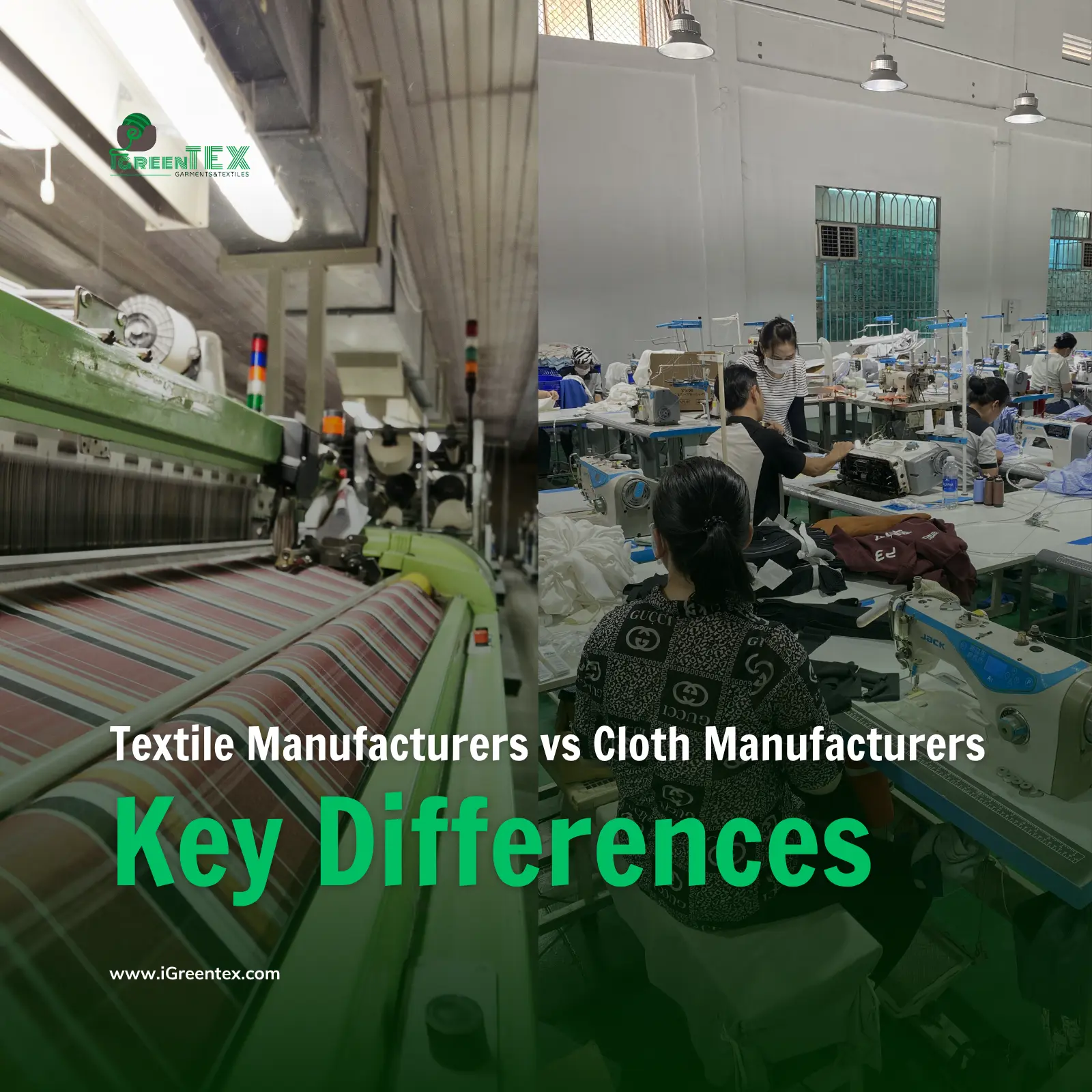
Choosing the right partner in the apparel supply chain is a critical decision for any sourcing manager. Often, businesses use the terms textile and clothing interchangeably. However, in the professional manufacturing world, they represent two very different stages of production. Understanding the comparison of textile manufacturers vs cloth manufacturers is essential to avoid costly production errors.
What is a Textile Manufacturer vs. a Cloth Manufacturer?
Before diving into the technical details, let’s establish a clear definition. For an apparel brand owner, knowing these definitions helps in identifying the right contact point in a global directory.
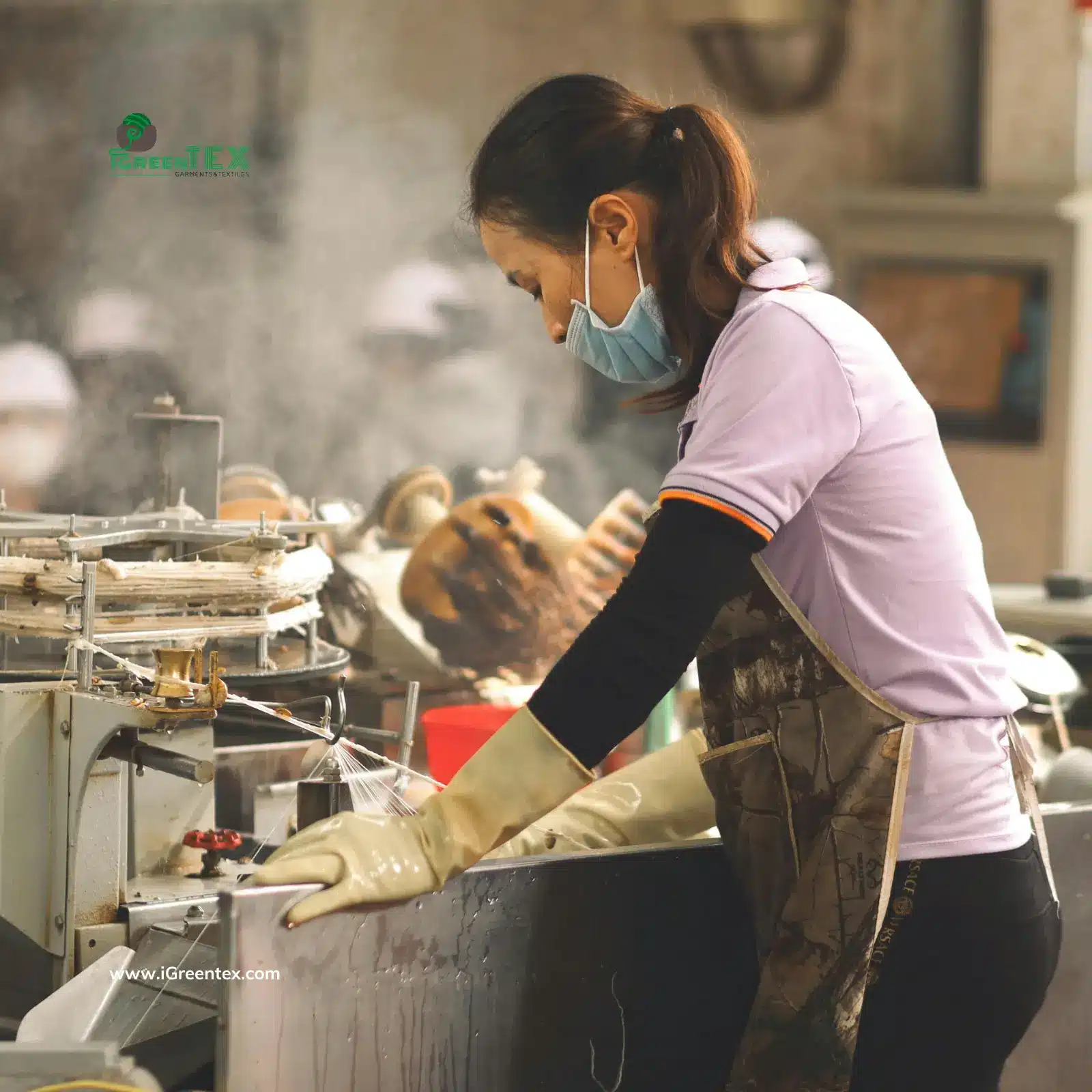
A Textile Manufacturer is a company that focuses on producing the material itself. They take raw fibers and turn them into yarn or fabric. They are the creators of the “raw material” that other factories use. Their work is heavily focused on the textile manufacturing vs apparel manufacturing distinction at the material level.
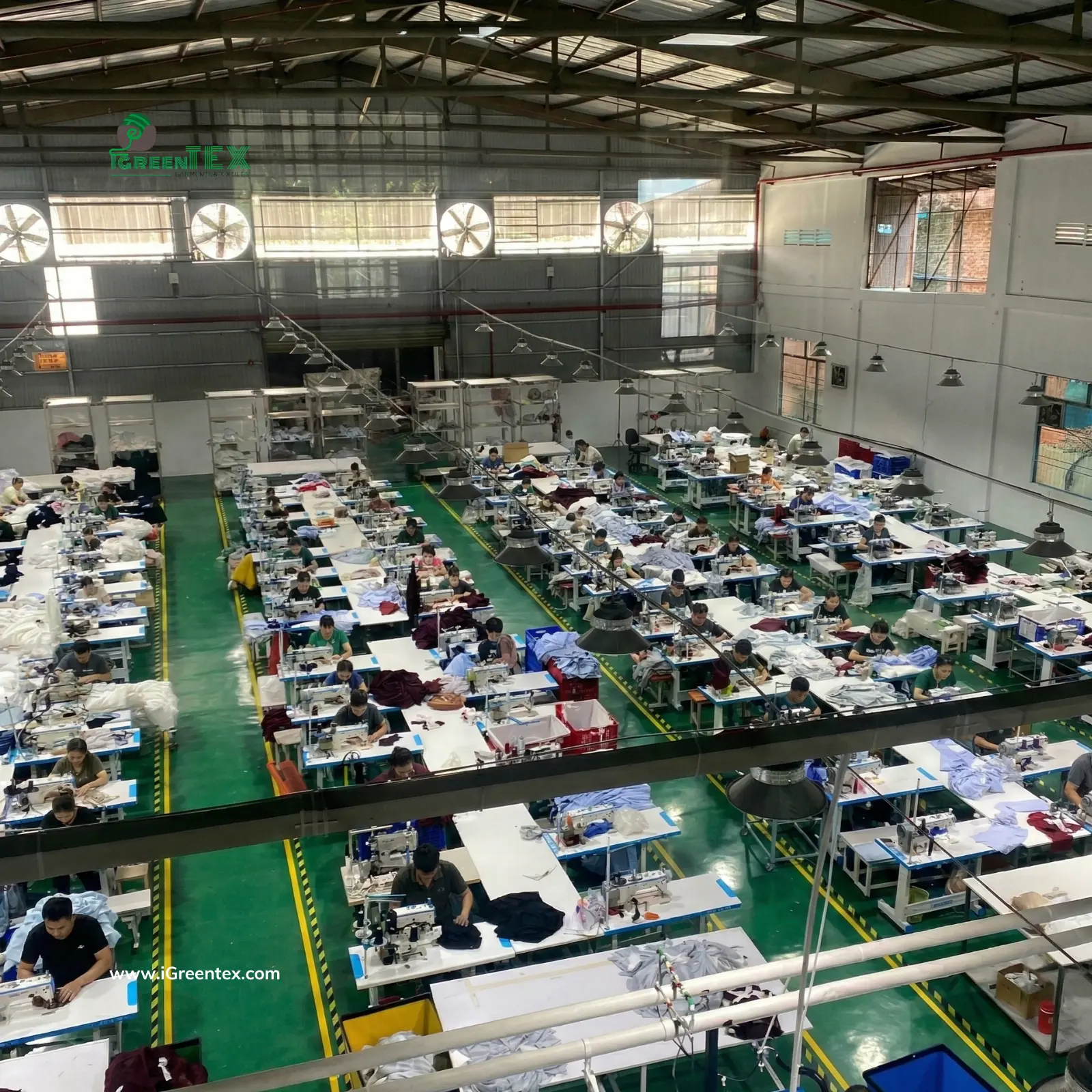
A Cloth Manufacturer (also known as a garment manufacturer) is a company that creates the final wearable product. They do not make the fabric; they buy it. Their expertise is in assembly—turning flat sheets of fabric into 3D items like shirts, hoodies, or uniforms. When people discuss textile vs garment manufacturers, they are usually comparing the fabric maker with the clothing assembler.
Expert Advice: If you want to know what separates a top-tier factory from a basic workshop, check out our analysis on What Makes a Professional Clothing Manufacturer? to set your standards high.
The Industry Reality: Why Brands Focus on Cloth Manufacturers
In the modern export market, most sourcing managers do not need to contact textile mills directly. In fact, most successful international brands prefer to work with a single point of contact. This contact is almost always the garment factory.
The reality of the textile supply chain is that textile mills work directly with garment manufacturers. If you are an apparel brand founder, your primary goal is the finished product. You do not need to manage the complexity of dyeing and weaving. Instead, you hire a cloth manufacturer who has established relationships with trusted textile suppliers.
This “One-Stop Solution” is standard for export-quality production. It allows the brand to focus on marketing and sales while the factory manages the technical raw materials vs finished goods transition.
Why Understanding This Difference Can Save Your Production
Even if you only talk to the garment factory, you must understand the difference between textile and clothing manufacturing. This knowledge helps you ask the right questions during the negotiation phase.
First, choosing the wrong supplier leads to inconsistent material quality. If a garment factory does not have a reliable textile partner, your fabric might vary between batches. Second, it often causes significant production delays. This happens if the factory fails to coordinate with the mill on time. Finally, it increases your total costs due to unnecessary middleman markups if the supply chain is not optimized.
In the fashion industry, fabric typically accounts for 50% to 70% of the total cost of a garment. If you do not understand the textile manufacturers vs cloth manufacturers dynamic, you risk losing control over your largest expense. This article provides the technical clarity needed for sourcing teams to make informed decisions.
Where Textile and Clothing Manufacturers Fit in the Supply Chain
To understand the textile manufacturers vs cloth manufacturers dynamic, we must look at the global supply chain. The process of creating a finished shirt or hoodie is a linear journey. It starts with raw fibers and ends with a retail-ready product.
Textile manufacturers are the upstream players. They focus on the fiber-to-fabric process, turning raw materials like cotton or polyester into usable materials. On the other hand, cloth manufacturers, also known as garment factories, are the downstream players. They take those finished fabrics and turn them into wearable items.
For a sourcing manager, the cloth manufacturer acts as the project manager for the entire chain. If you need a custom-developed moisture-wicking fabric, you tell your garment factory. They then use their textile manufacturing capabilities (through their partners) to source or develop that fabric for you.
What Do Textile Manufacturers Actually Do?
Textile manufacturers are industrial specialists focused on material science and heavy machinery. Their primary goal is to produce large quantities of fabric that meet specific technical requirements.
Core Processes in Textile Production
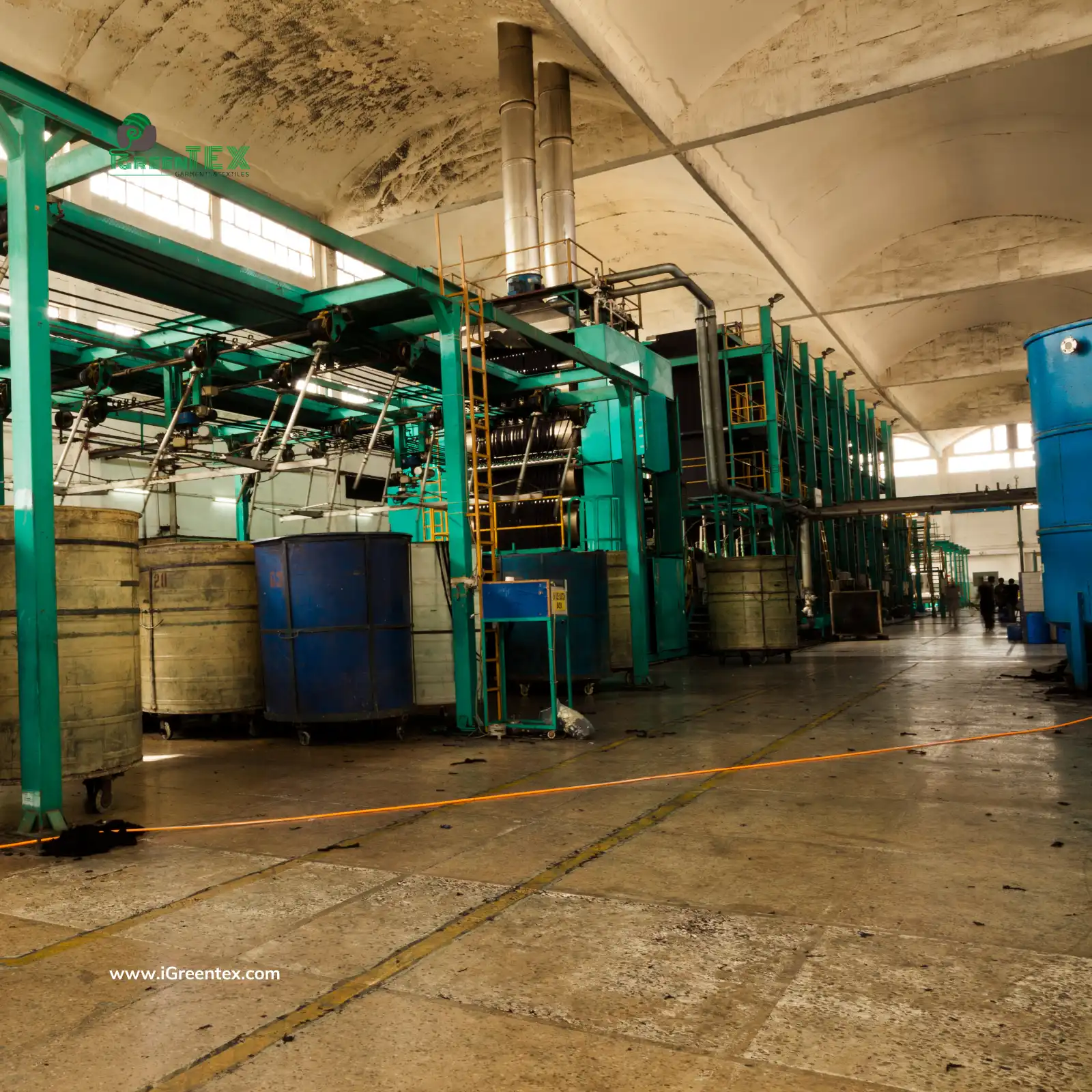
The work of a textile manufacturer involves several complex technical steps. First is fiber sourcing, where they acquire raw materials. Next is spinning, which turns fibers into yarn. Then comes weaving and knitting, the mechanical process of creating the structure of the fabric.
Finally, the most critical stage is dyeing and finishing. This is where the fabric receives its color and special treatments, such as water resistance or softness. A sustainable textile manufacturer will often use eco-friendly dyes and water-saving technologies during this stage to meet modern environmental standards.
What They Deliver to the Market
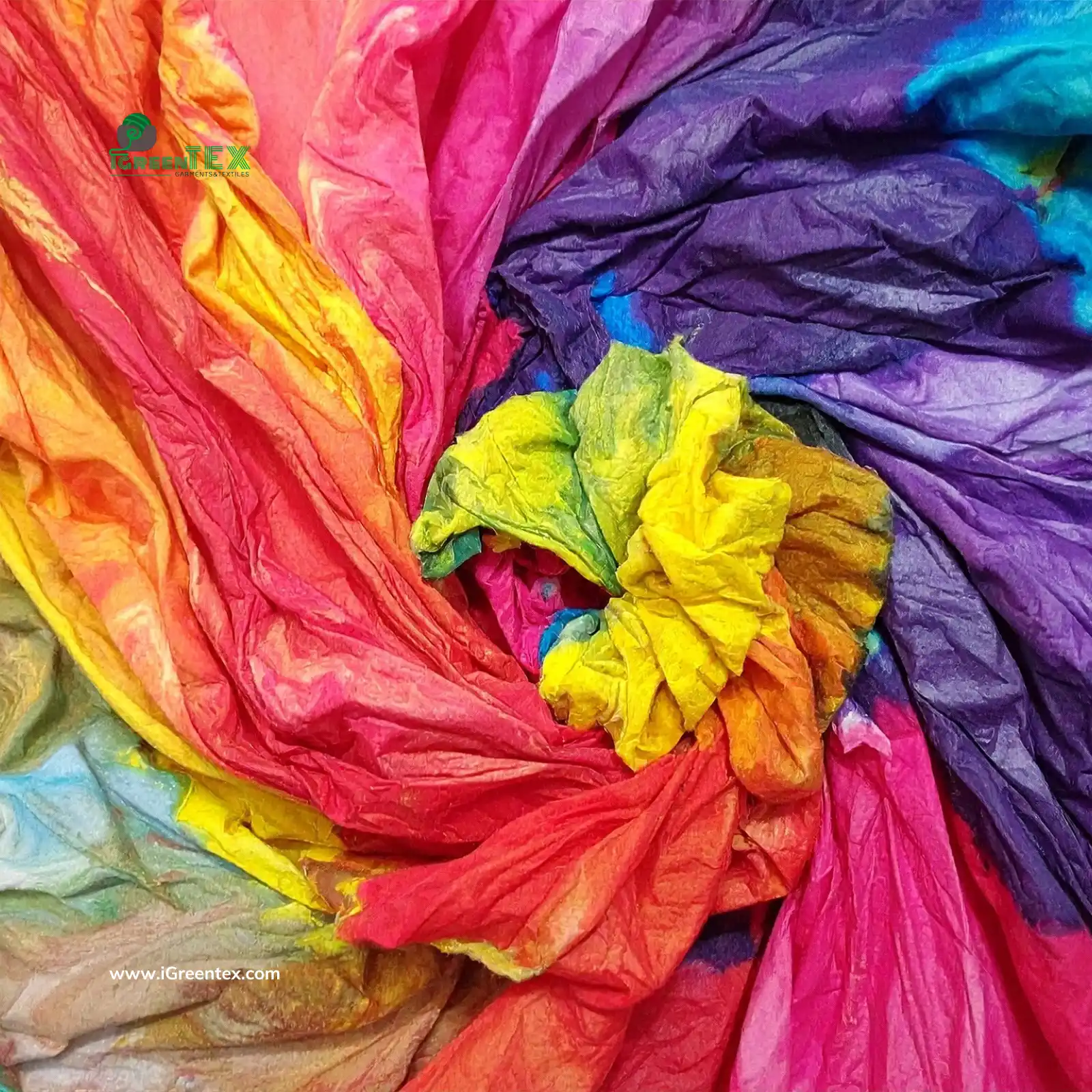
These factories do not sell individual items of clothing. Instead, they deliver fabric rolls vs finished garments. Their output is the foundation for the next stage of production. They provide bulk materials, technical textiles for industrial use, and specialized fabrics for high-end fashion.
What Do Cloth Manufacturers (Garment Manufacturers) Do?
Cloth manufacturers, commonly referred to as garment or apparel manufacturers, are the architects of the final product. They are experts in assembly, fit, and finishing.
The Garment Production Process
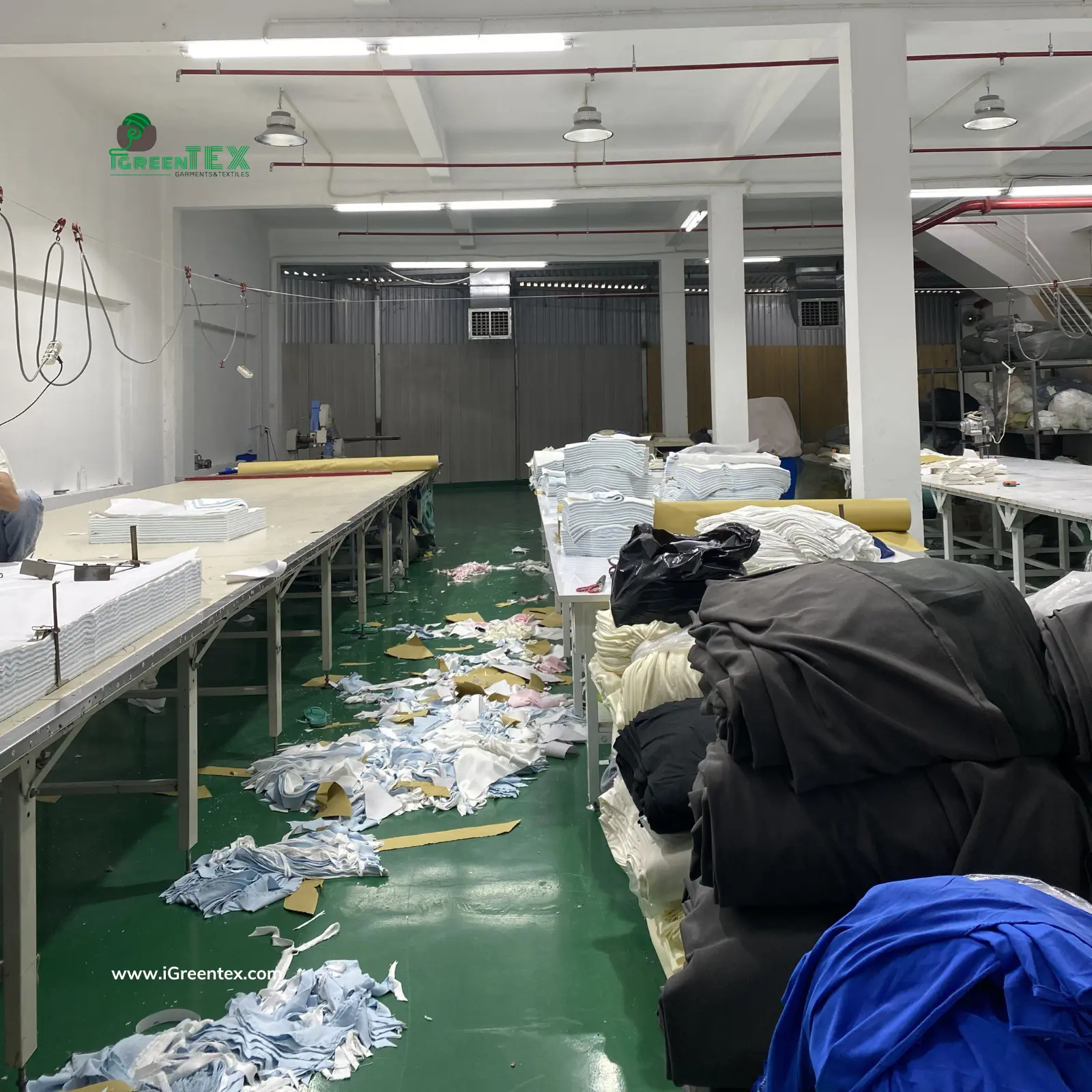
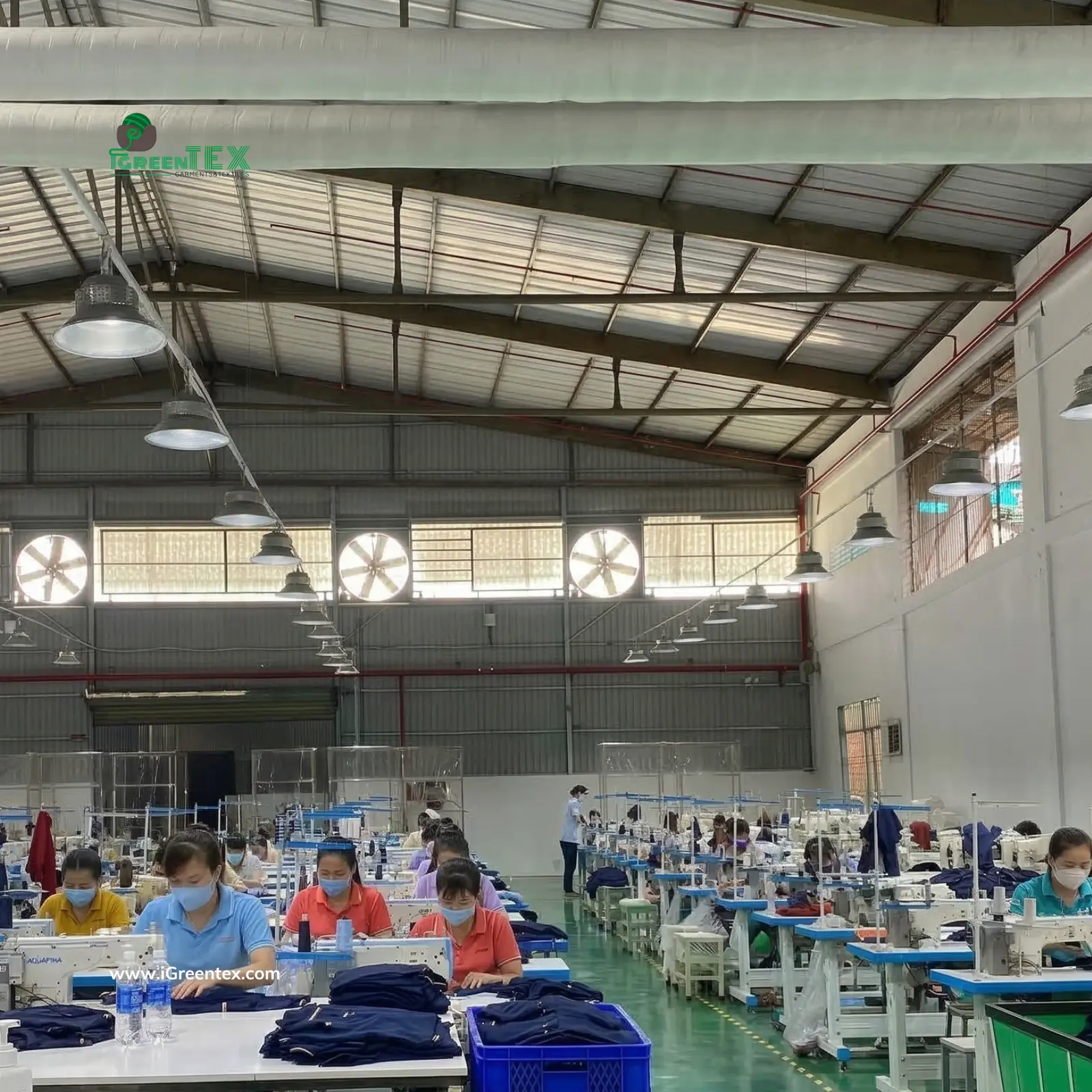
The garment production process begins after the fabric has already been created. It involves precision and skilled labor. The main steps include pattern making, cutting, and sewing.
Most high-quality factories, such as a professional clothing manufacturer in Vietnam, specialize in cut and sew manufacturing. This method ensures that every seam and stitch meets the brand’s specific quality requirements.
Deliverables and Business Models
Cloth manufacturers deliver finished products that are ready for the shelf. They are the ones who produce high-volume items like T-shirts and heavyweight hoodies for global streetwear brands.
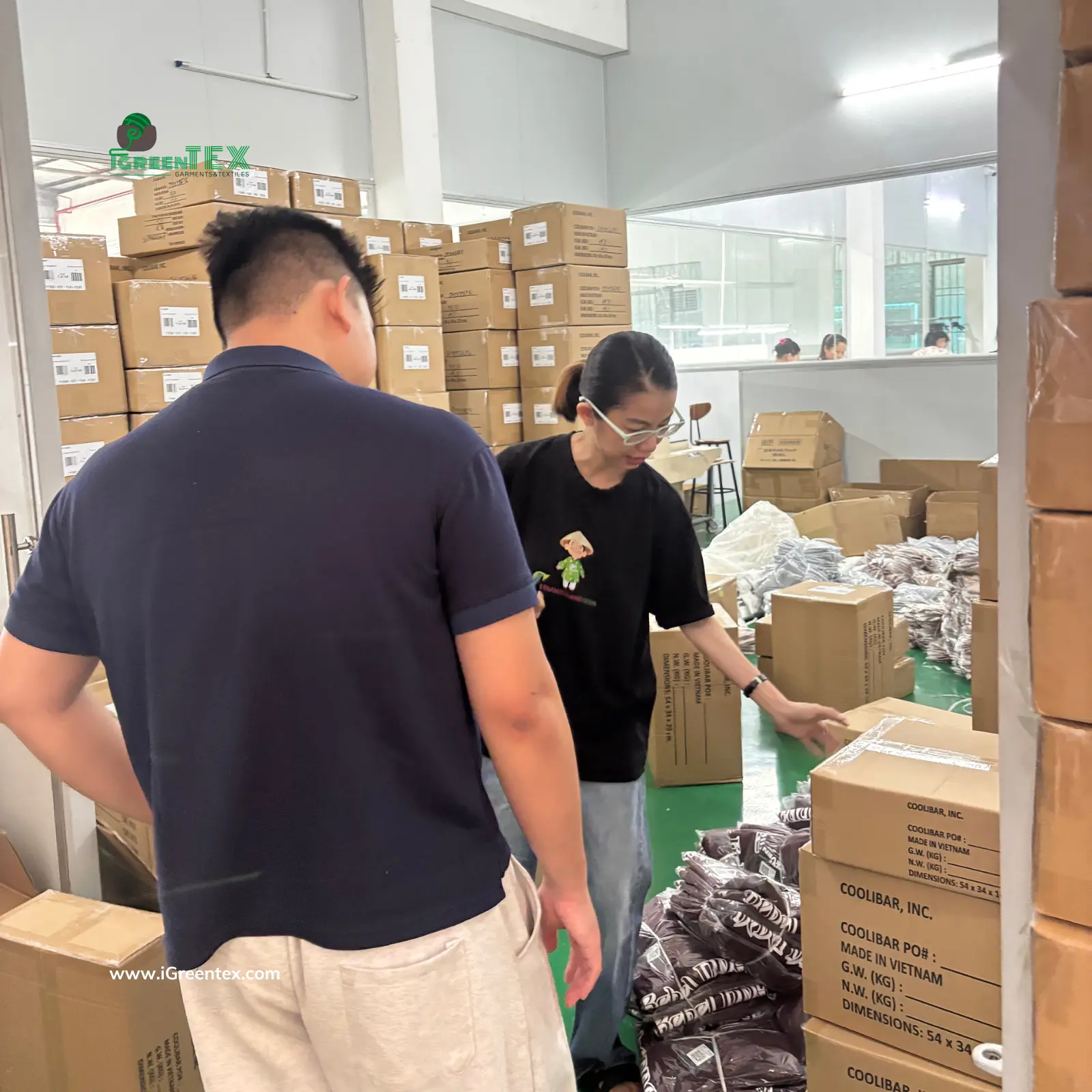
In the export sector, they typically operate under the FOB (Free On Board) model. This is a full-package service where the factory handles everything from fabric sourcing to shipping. Understanding the textile vs garment manufacturers distinction helps sourcing agents decide how much control they want to delegate to the factory.
Textile vs Cloth Manufacturers: Side-by-Side Comparison
To help procurement teams make a quick decision, we have summarized the key differences in the table below.
| Factor | Textile Manufacturers | Cloth Manufacturers |
|---|---|---|
| Primary Role | Fabric production (Upstream) | Garment assembly (Downstream) |
| Primary Output | Fabric rolls and raw materials | Finished garments and apparel |
| Main Process | Spinning, weaving, dyeing | Cutting, sewing, finishing |
| Primary Customer | Garment factories and large brands | Retailers, wholesalers, and brands |
| Customization | Material level (fiber, weight, color) | Design level (fit, branding, sewing) |
| Infrastructure | Heavy industrial machinery | Sewing lines and cutting tables |
When analyzing textile manufacturers vs cloth manufacturers, remember that the cloth manufacturer is your direct partner who manages the textile mill on your behalf.
Why You Only Need One Strategic Partner
For most brands, managing both fabric suppliers vs clothing manufacturers is too difficult. It requires deep technical knowledge and constant travel between different cities or countries.
Instead, brands look for a cloth manufacturer with a strong “Sourcing Team.” This team knows which textile mills produce the best organic cotton or the most durable polyester. By working with a single factory, you ensure that the apparel manufacturing process is seamless. The factory takes responsibility for the fabric quality before they even start cutting.
This is why the textile manufacturing vs apparel manufacturing conversation is mostly handled internally between the two factories, not between the brand and the mill.
Scenario: The Efficiency-Focused Importer
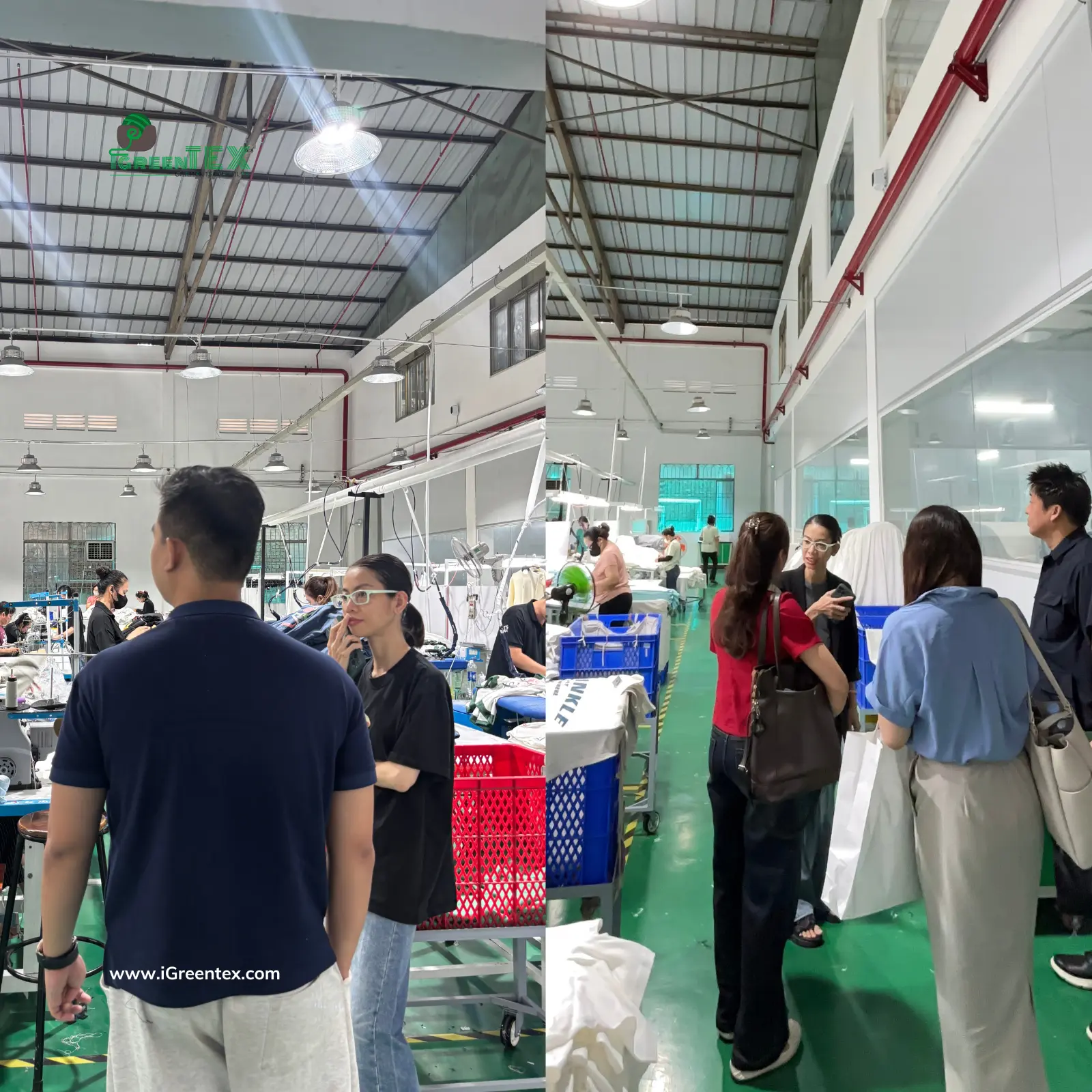
For many US apparel importers, the best path is a “Full Package” or FOB provider. Choosing an iGreen Tex Vietnam style of partnership allows you to get the best of both worlds. The factory manages the raw materials vs finished goods transition for you, reducing your management workload. You get the finished product, and they handle the textile mill relationships.
Common Mistakes When Choosing a Manufacturer
Even experienced supply chain managers make mistakes when navigating the textile manufacturing vs apparel manufacturing landscape.
One major error is trying to buy fabric separately without checking with your garment factory. If the factory finds the fabric difficult to sew, your production will fail. Always let the cloth manufacturer verify the fabric first.
Another mistake is ignoring the quality control in apparel manufacturing at the fabric stage. Brands often focus only on the stitching but forget that if the fabric shrinks or fades, the garment is ruined regardless of how well it was sewn.
Finally, failing to check the garment factory production capacity can lead to bottlenecks. You must ensure the factory can scale both their sewing and their fabric sourcing at the same time.
How to Choose the Right Manufacturing Partner
Selecting a partner requires more than just looking at a price list. You need to evaluate their systems and experience.
First, look for production capacity. Can they handle your growth? Second, check their Minimum Order Quantity (MOQ). Many textile mills have very high MOQs, while a flexible clothing manufacturer in Vietnam might offer lower MOQs for finished goods because they bundle orders from different clients.
Third, verify their certifications. Having OEKO-TEX or GOTS certifications is a sign of a high-quality sustainable textile manufacturer in their supply chain. Finally, always ask for samples to see how the fabric and sewing work together.
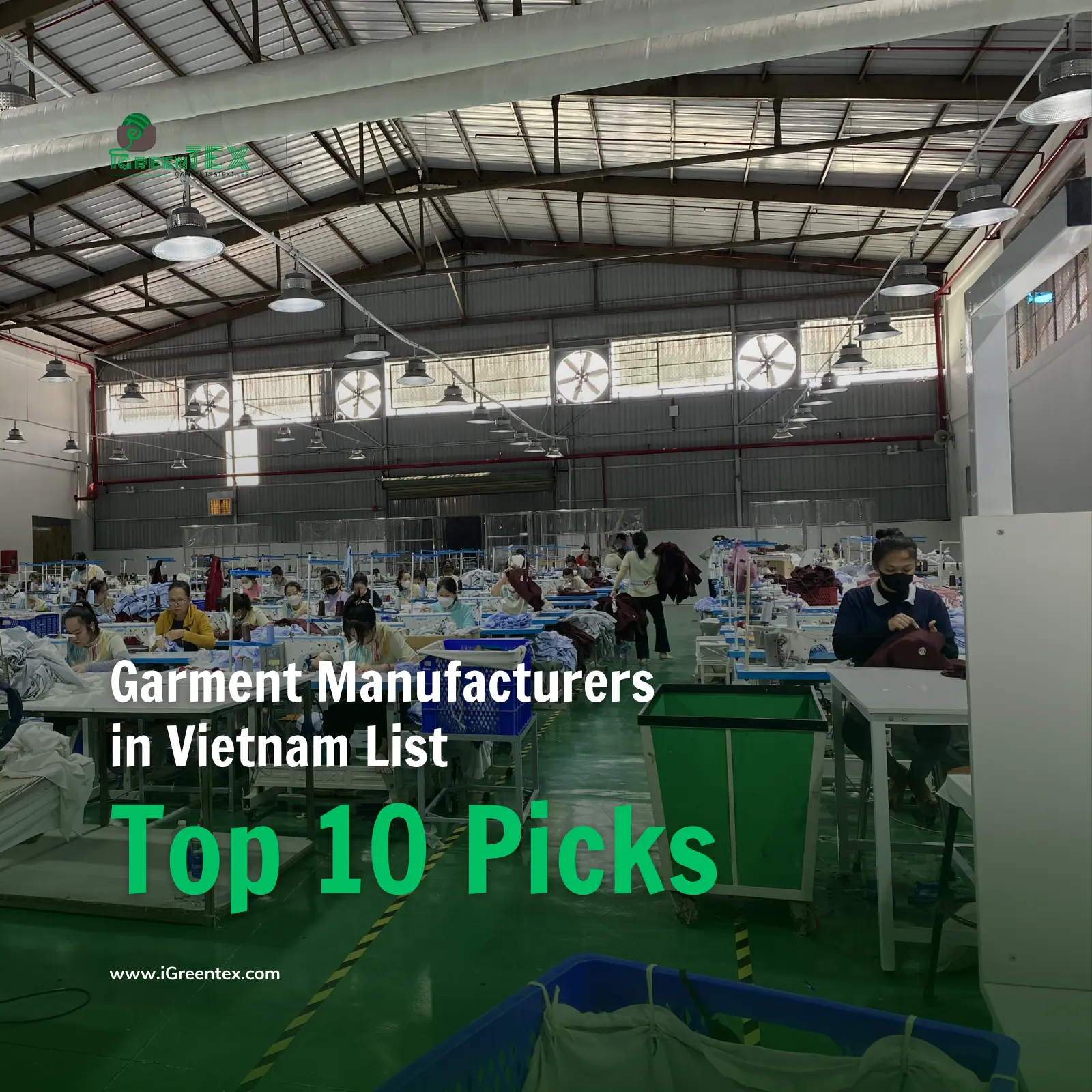
Sourcing Shortcut: To save time, you can browse our curated Garment Manufacturers in Vietnam List: Top 10 Picks to find pre-vetted partners for your brand.
Looking for a Reliable Clothing Manufacturer?
If your business needs a partner that handles the complexity of the textile manufacturers vs cloth manufacturers relationship, iGreen Tex Vietnam is here to help. We act as your primary manufacturing hub, managing everything from fabric sourcing to final delivery.
As an OEM clothing manufacturer in Vietnam, we assist sourcing managers with:
- Direct management of textile mill relationships for high-quality fabrics.
- Precise OEM clothing manufacturing for T-shirts, hoodies, and sportswear.
- Rigorous quality control in apparel manufacturing at every stage.
- Full transparency in the apparel manufacturing process.
Whether you are a brand owner or a sourcing agent, we provide the stability needed to scale your production. We understand the difference between textile and clothing manufacturing and take the burden of fabric management off your shoulders.
Contact iGreen Tex Vietnam today to discuss your production needs and receive a detailed quote.

Conclusion
The debate of textile manufacturers vs cloth manufacturers is about understanding who manages whom. For most export brands, the cloth manufacturer is the leader of the production team. By choosing a garment factory with strong textile connections, you ensure a smoother production cycle and a higher-quality product.
Focus on your design and marketing, and let your manufacturing partner handle the textile vs garment manufacturers coordination. This is the fastest way to build a successful international apparel brand.
About iGreen Tex Vietnam
iGreen Tex Vietnam is a premier clothing manufacturer in Vietnam specializing in high-quality apparel for global export. We provide a bridge between complex textile manufacturing vs apparel manufacturing needs, offering sourcing managers a reliable, one-stop solution for high-standard garment production. With a focus on quality, transparency, and flexible MOQs, we help international brands scale their operations with confidence.