What Makes a Professional Clothing Manufacturer? 5 Signs Buyers Should Know
Many fashion brands struggle to choose the right factory partner. The decision can determine whether a collection succeeds or fails. A delayed shipment can ruin a seasonal launch. Poor quality can damage a brand’s reputation with retailers and customers. Because of these risks, buyers spend time researching factories before committing to production. They review websites, portfolios, and production capabilities. They also evaluate communication, reliability, and manufacturing processes.
Get to know iGreen Tex Vietnam and our approach to professional garment manufacturing
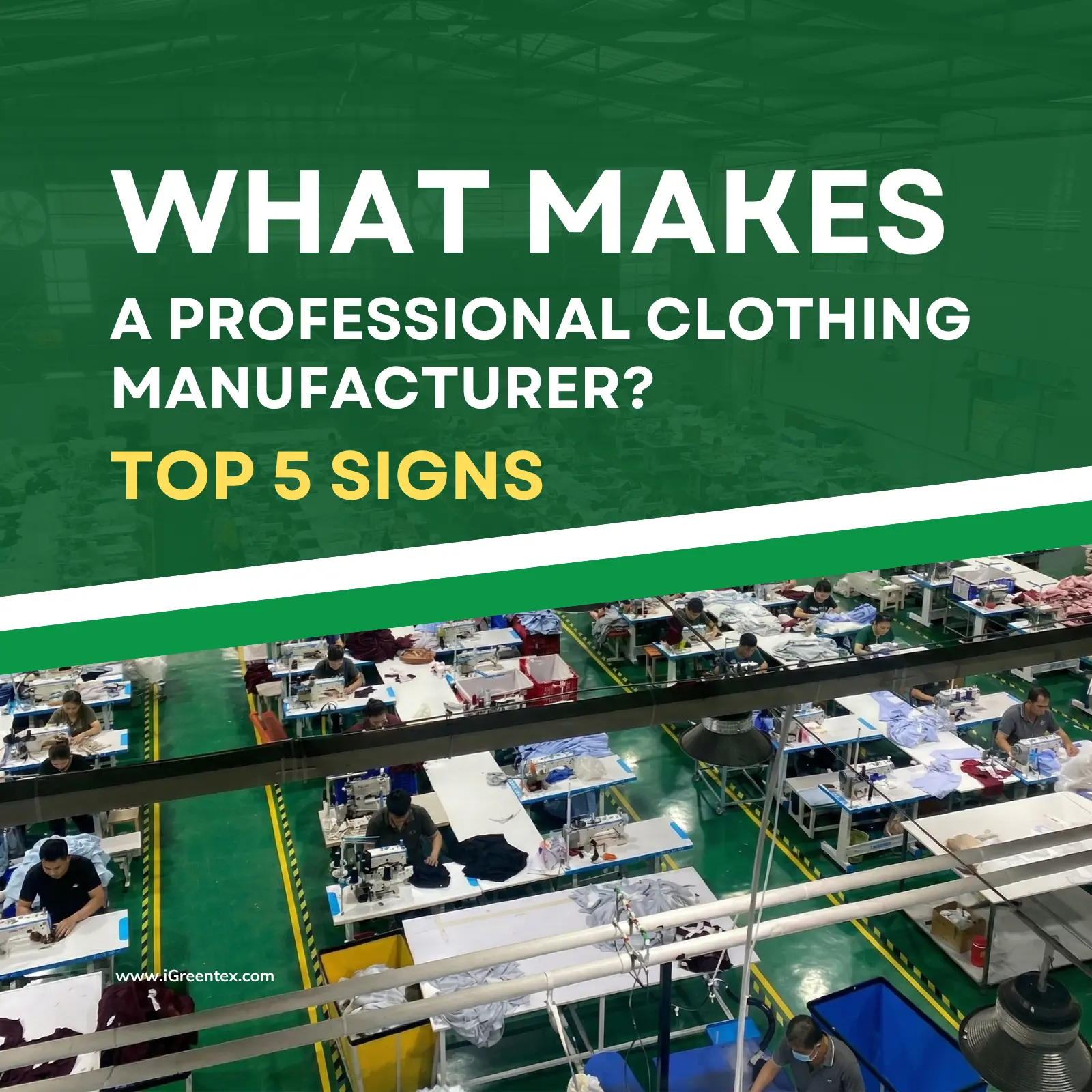
This is where understanding a professional clothing manufacturer becomes important. Professional factories follow structured production systems. They maintain clear communication and consistent quality standards. These factors help brands reduce risks and maintain reliable supply chains. In this article, we will explore five signs buyers should look for when evaluating a clothing manufacturing partner.
Top 5 Signs Buyers Should Know
Real Production Capability
One of the first signs of a professional clothing manufacturer is real production capability. Many companies claim to be factories, but some operate only as trading intermediaries. Buyers prefer partners who operate actual production facilities.
A real factory typically has dedicated production lines and trained workers. These lines are organized to handle large orders while maintaining consistent quality. Production capacity also indicates whether a factory can manage bulk orders.
For example, factories producing t-shirts, hoodies, or sportswear daily often have optimized workflows. Our factory holds certifications including ISO 9001:2015, BSCI, SMETA, and GRS, demonstrating our commitment to quality management, ethical production, social responsibility, and sustainable textile practices.
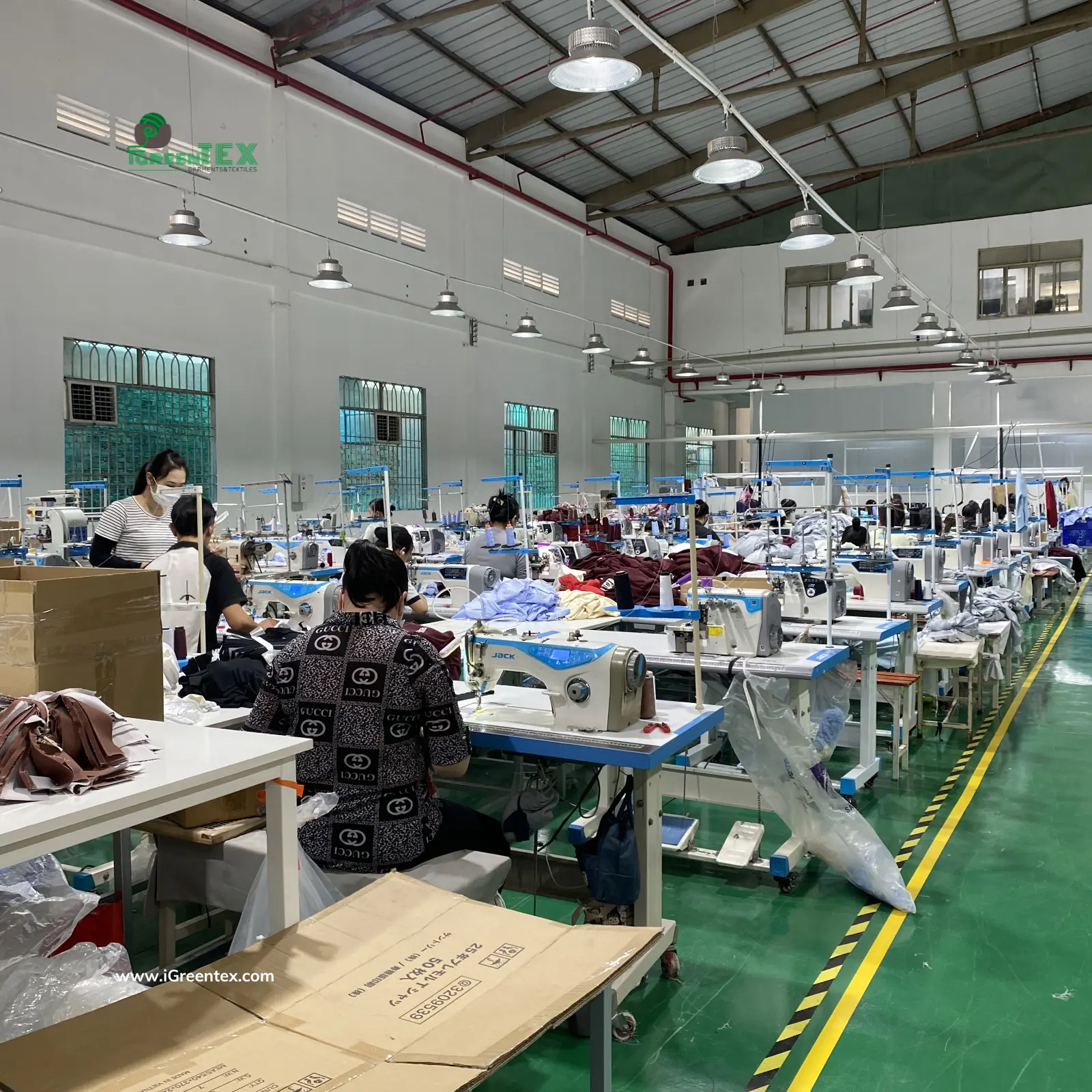
These workflows help maintain stable production speed and quality. Brands often request photos or videos of the manufacturing floor. Factory tours also help buyers understand how operations are organized. When a factory clearly demonstrates production capacity, it builds strong buyer confidence.
You can learn more about production capabilities on our service pages describing garment manufacturing solutions.
A Structured Quality Control System
Quality control is one of the most important characteristics of a professional clothing manufacturer. Fashion brands rely on factories to maintain strict quality standards during production. Without quality control systems, small errors can quickly multiply across thousands of garments.
Professional factories implement inspection at multiple stages. Fabric inspection usually happens before cutting begins. This stage ensures materials meet quality requirements before entering production. During sewing, inline inspectors check stitching accuracy and construction consistency. These inspections help identify defects early.
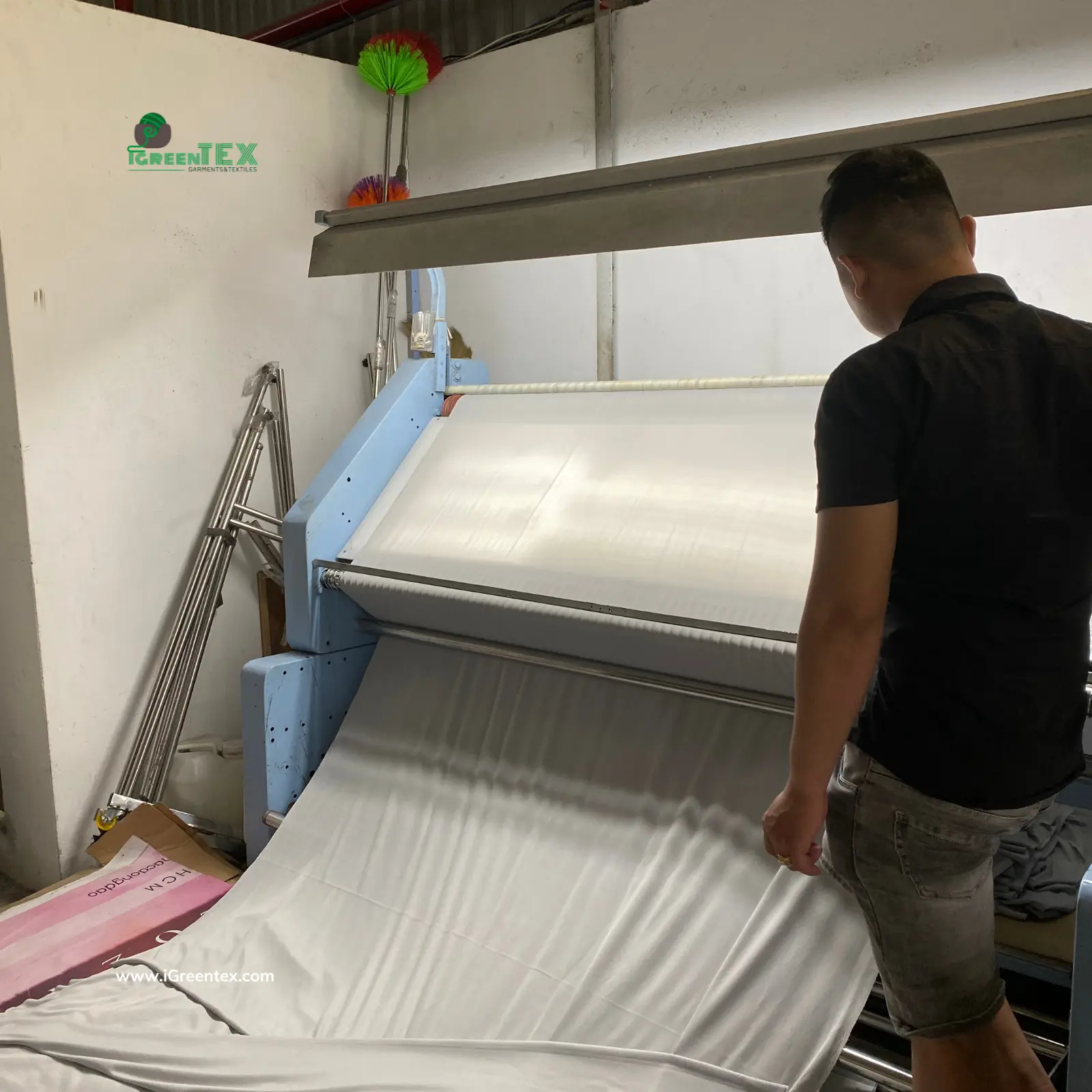
Early detection prevents costly corrections later in the production process. A final inspection usually happens after garments are completed. Inspectors evaluate measurements, stitching, labeling, and packaging.
These steps help ensure finished products meet the buyer’s specifications. Factories with clear quality control procedures demonstrate operational maturity and reliability. Brands can explore quality management practices further through detailed manufacturing service documentation.
Professional Communication with Buyers
Communication is another critical indicator of a professional clothing manufacturer. Buyers often evaluate factories based on how clearly they communicate during early discussions. Professional factories respond to emails promptly and provide structured answers. They ask technical questions to clarify production requirements. Understanding tech packs is also essential for smooth production.
A tech pack contains measurements, materials, stitching details, and finishing instructions. Factories that understand these documents can prevent misunderstandings. Professional communication also includes transparency about production timelines.
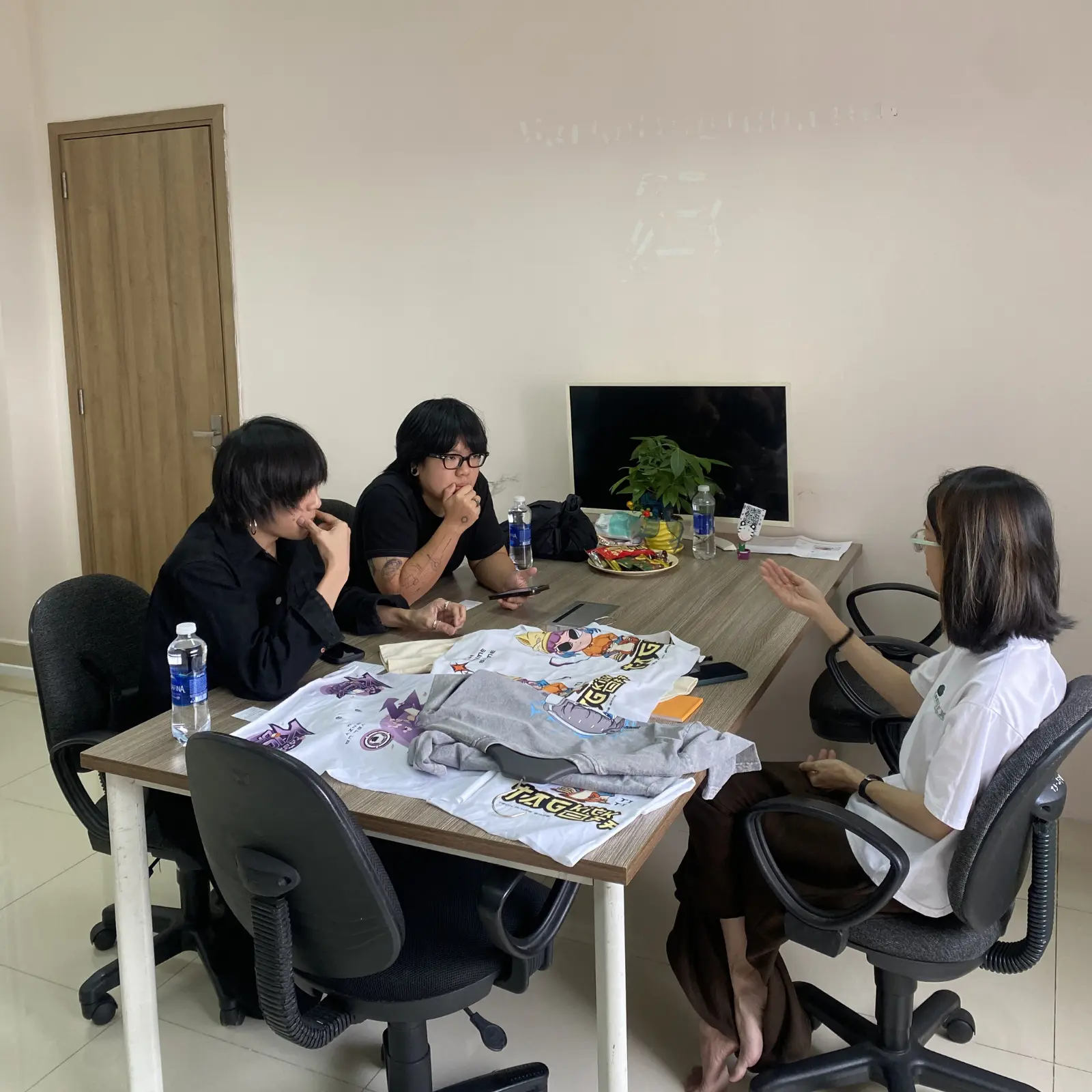
Reliable manufacturers provide realistic lead times rather than unrealistic promises. Clear communication helps build trust between buyers and suppliers. It also reduces mistakes during production planning. Brands looking for long-term manufacturing partners often review company background and operational philosophy.
Consistency Between Sample and Bulk Production
Consistency is a major concern for brands working with overseas factories. Many buyers have experienced situations where samples look excellent but bulk production quality declines. Maintaining consistency is therefore a key trait of a professional clothing manufacturer. Professional factories standardize production procedures after sample approval. Approved samples become reference standards for bulk manufacturing.
Production teams follow these standards during cutting, sewing, and finishing stages. Quality checkpoints help maintain alignment with the approved sample. Experienced production managers monitor each stage carefully. They verify measurements, stitching quality, and fabric handling.
Factories that maintain detailed documentation also reduce variation during production. This documentation helps ensure each garment follows the same manufacturing instructions. Consistency protects brand reputation and reduces product return risks.
For growing brands, stable manufacturing quality is essential for long-term market success.
Transparency in MOQ, Pricing, and Lead Time
Transparency is another defining feature of a professional clothing manufacturer. Many buyers appreciate factories that communicate limitations clearly.
Minimum order quantity is one example. Some factories accept small orders, while others focus on larger production runs. Clear MOQ policies help buyers plan their production strategies. Lead time transparency is equally important.
Professional factories provide realistic timelines based on workload and production capacity. They also explain each stage of the production schedule. This clarity allows brands to coordinate product launches more effectively.
Pricing transparency also helps prevent misunderstandings. Manufacturers should explain cost factors such as fabrics, printing methods, and order quantity. Factories that communicate honestly often build stronger long-term partnerships with brands.
How Buyers Can Evaluate a Clothing Manufacturer
Evaluating a factory requires more than reading marketing descriptions. Buyers should take several practical steps before committing to production.
First, request detailed information about production capacity. This includes machinery, workforce size, and product specialization.
Second, review sample quality carefully. Samples demonstrate technical ability and material handling skills.
Third, observe communication quality during early discussions. Fast and structured responses often indicate strong operational management.
Fourth, ask about quality control systems. Factories should explain how inspections are performed during production.
Finally, review the company’s background and experience. These steps help buyers identify a professional clothing manufacturer capable of supporting long-term growth.
You can also explore our garment manufacturing services to understand how production workflows are structured for international clients.
Choosing the Right Manufacturing Partner in Vietnam
Selecting a factory is one of the most important decisions for any fashion brand. A reliable partner helps brands scale production and maintain consistent quality. Working with a professional clothing manufacturer provides operational stability and manufacturing expertise. Experienced factories understand international production standards and supply chain coordination.
They support brands with structured processes and transparent communication. Over time, this partnership helps companies expand into new markets with confidence. Brands looking for dependable manufacturing support often begin by reviewing factory capabilities and operational philosophy.
Our provides an overview of manufacturing services, production capacity, and collaboration opportunities. You can also visit our company introduction page to learn more about our production approach and international experience. Building strong manufacturing partnerships requires trust, transparency, and consistent performance. These qualities define what truly makes a professional clothing manufacturer.
iGreen Tex Vietnam is a professional clothing manufacturer that focuses on supporting brands that require reliable and scalable production up to 180,000 pcs/month. Our standard minimum order quantity ranges from 500 to 1,000 pieces per style, depending on the product type, fabric requirements, and production complexity. Our production process follows a structured quality control system with a 2.5 AQL inspection standard.
Contact our team to discuss your garment manufacturing needs.