Top 5 Common No-Iron Fabrics for Clothing Manufacturing
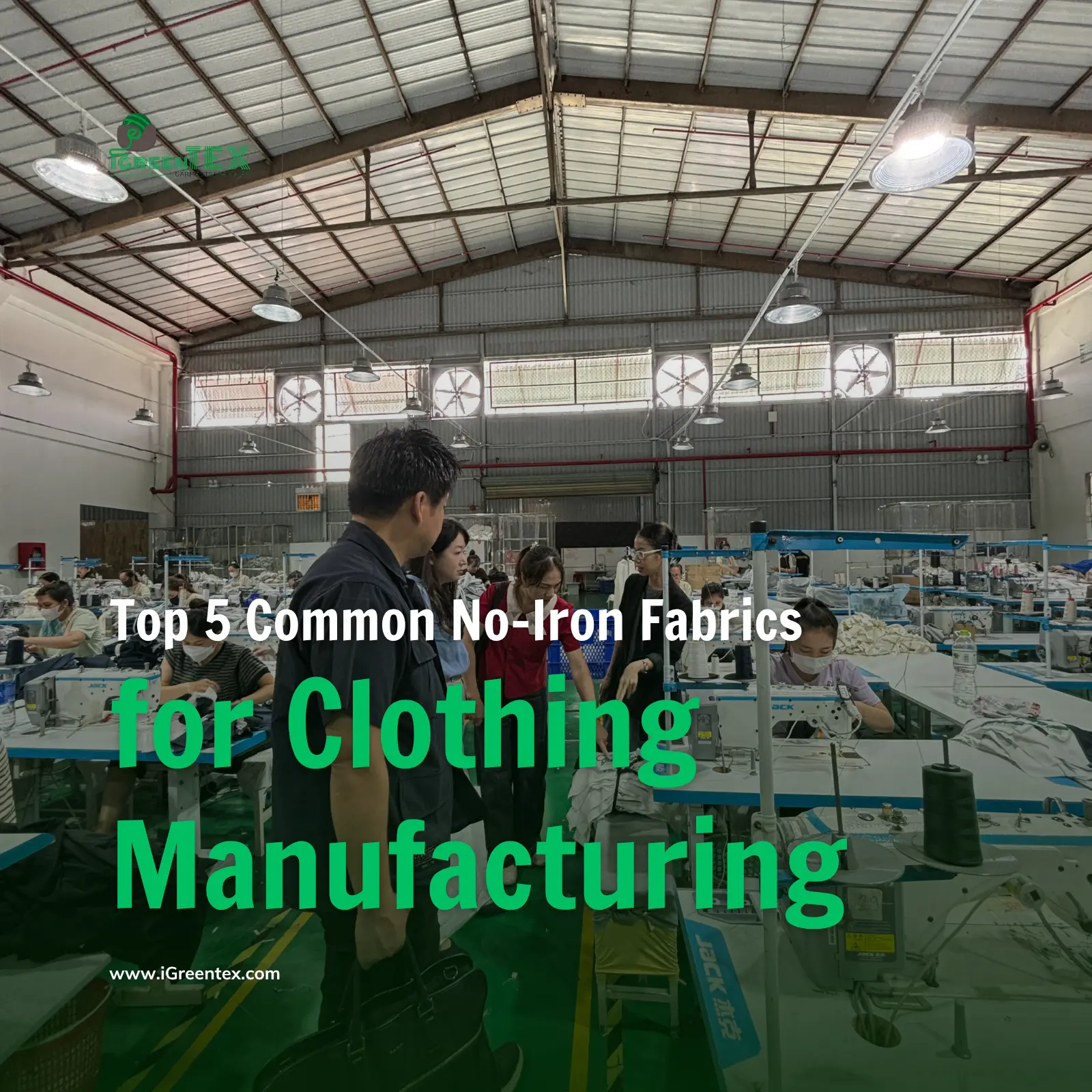
In the high-stakes environment of global apparel retail, production efficiency and post-purchase consumer satisfaction are key drivers of brand loyalty. For sourcing managers and apparel brand owners, selecting materials that minimize post-production processing is a strategic move. Common No-Iron Fabrics serve this purpose by reducing finishing costs and ensuring garments remain presentable from the shipping container to the retail floor.
Why No-Iron Fabrics Matter in Modern Garment Production
Modern garment production involves complex logistics. Traditional fabrics often require extensive pressing after being packed and shipped internationally. Choosing common no-iron fabrics allows brands to bypass heavy industrial ironing during the finishing stage. This efficiency reduces labor costs and speeds up the “to-market” timeline. By integrating easy care fabrics for garments, manufacturers can significantly lower the energy consumption associated with steam pressing in factory finishing departments.
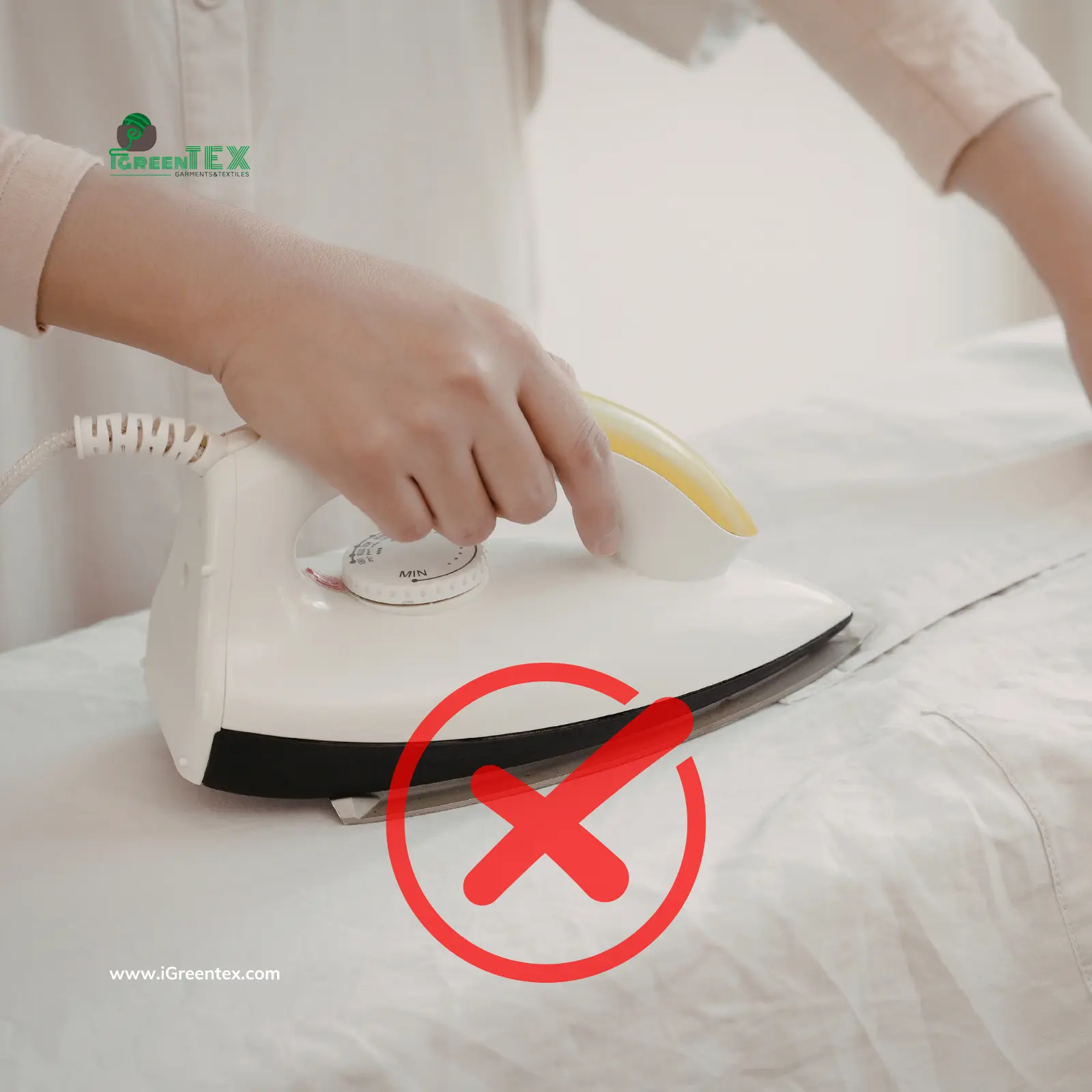
Furthermore, for US apparel importers, the demand for apparel that withstands long-haul transit is at an all-time high. Consumers in urban markets prefer garments that maintain a crisp appearance throughout a workday without requiring a steamer. By focusing on fabric selection for garment manufacturing that prioritizes wrinkle resistance, brands can justify premium pricing based on utility and durability. High-performance easy care fabrics for garments also reduce the rate of returns caused by unsightly creasing upon delivery.
At iGreen Tex, we have observed that selecting the right fiber blend significantly impacts the final product’s AQL (Acceptable Quality Limit). High-performance textiles reduce the risk of permanent creasing during bulk storage. Using easy care fabrics for garments ensures that even after months in a warehouse, the stock remains ready for immediate distribution to retail partners.
What Are No-Iron Fabrics?
Common No-Iron Fabrics are textiles engineered to resist wrinkling and maintain their shape after washing and wearing. This characteristic, often referred to as wrinkle resistance or crease resistance, is achieved through two primary methods: the inherent properties of the fiber or specialized chemical finishes. Many common wrinkle resistant fabrics utilize synthetic polymers that possess a high degree of molecular memory.
Synthetic fibers like polyester have natural elasticity, allowing them to return to their original shape after being compressed. Conversely, natural fibers like cotton require specific treatments or blending with synthetics to achieve similar performance. In bulk fabric sourcing, understanding the difference between a natural “no-iron” property and a chemical finish is vital for compliance and safety standards. Most common wrinkle resistant fabrics on the market today rely on cross-linking agents that stabilize the cellulose chains in natural fibers.
For procurement managers, it is essential to conduct fabric performance testing before finalizing a PO (Purchase Order). This ensures that the “no-iron” claim holds up after multiple industrial wash cycles, protecting the brand’s reputation for quality. When evaluating common wrinkle resistant fabrics, technical teams often use the AATCC Test Method 124 to measure the smoothness appearance of fabrics after repeated home laundering.
Top 5 Common No-Iron Fabrics for Professional Production
Below are the five most reliable common no-iron fabrics currently utilized by leading clothing manufacturers to meet global demand for low-maintenance apparel.
1. Polyester Blends: The Backbone of Mass Production
Polyester blends are arguably the most versatile common no-iron fabrics available today. By combining polyester with cotton or rayon, manufacturers create a textile that offers the comfort of natural fibers with the structural integrity of synthetics. These are the primary fabrics that don’t need ironing for brands targeting the mid-market segment.
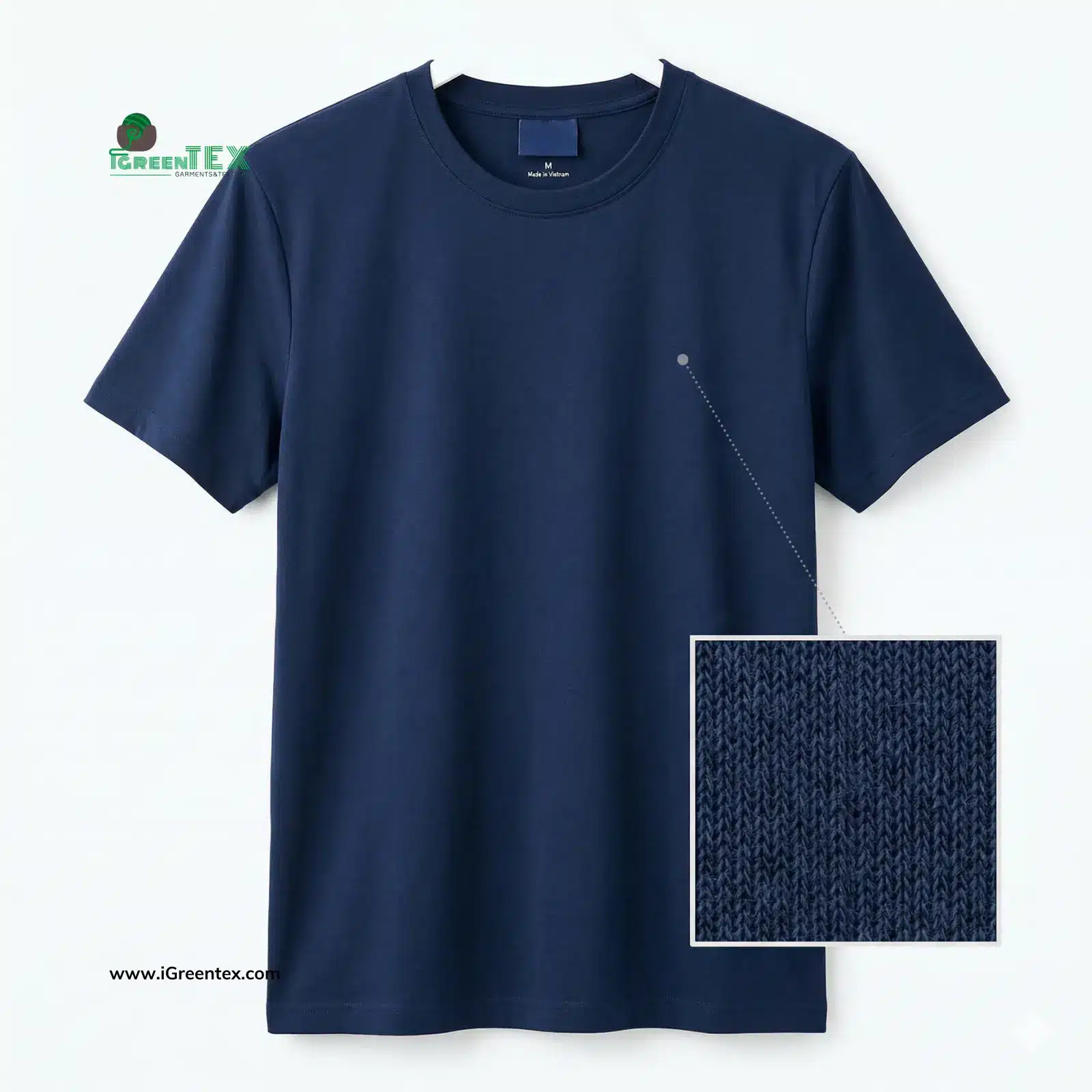
- Manufacturing Insight: In high-volume production, polyester blends are preferred for their color fastness and resistance to pilling. They are fabrics that don’t need ironing even after being compressed in tight shipping bundles for weeks.
- Technical Detail: For an OEM clothing manufacturer in Vietnam, using a 65/35 poly-cotton ratio provides the optimal balance. These are reliable fabrics that don’t need ironing because the polyester matrix prevents the cotton fibers from collapsing into deep folds.
- Best Use Case: Uniforms, corporate workwear, and high-street fashion lines where cost-efficiency is paramount.
2. Cotton Sateen: The Premium Easy-Care Choice
Cotton sateen is often mistaken for silk due to its lustrous sheen. Unlike standard plain-weave cotton, the sateen weave structure minimizes the surface area prone to folding, providing a natural degree of wrinkle resistance. It is a top-tier choice among wrinkle free fabrics for clothing in the luxury sector.
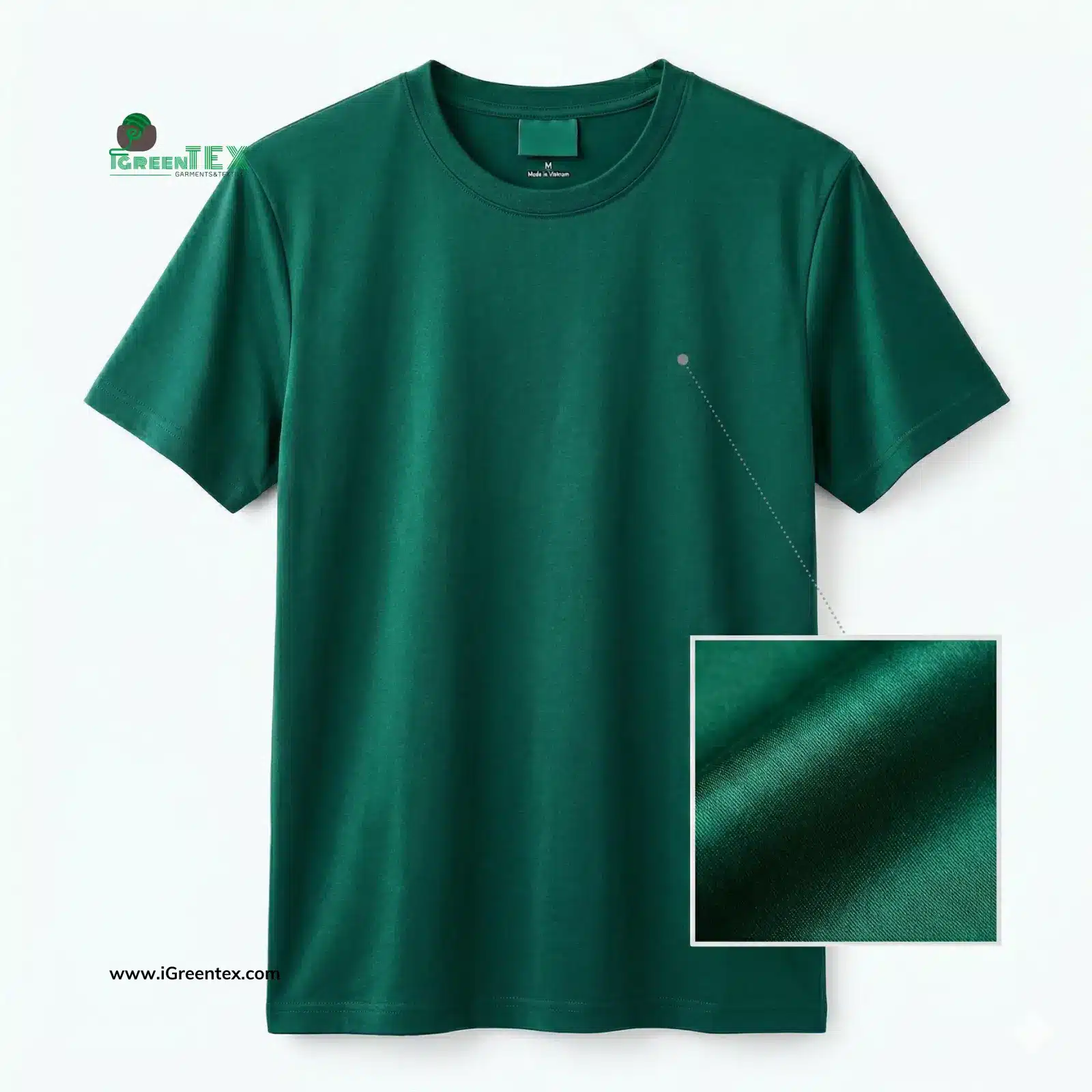
- Manufacturing Insight: Sateen requires careful quality control in textile production to ensure the “float” threads do not snag. When treated with a wrinkle-resistant finish, it becomes one of the most sought-after wrinkle free fabrics for clothing in the luxury shirting segment.
- Technical Detail: Advanced liquid ammonia treatments are often used to enhance the performance of these wrinkle free fabrics for clothing, making the fibers more receptive to non-iron resins while maintaining a soft hand-feel.
- Best Use Case: Premium dress shirts, luxury bedding, and evening wear.
3. Ponte Knit: Structure Meets Flexibility
Ponte knit is a double-knit fabric that is significantly thicker and more durable than standard knits. It possesses excellent elasticity and recovery, meaning it does not “bag out” at the knees or elbows.
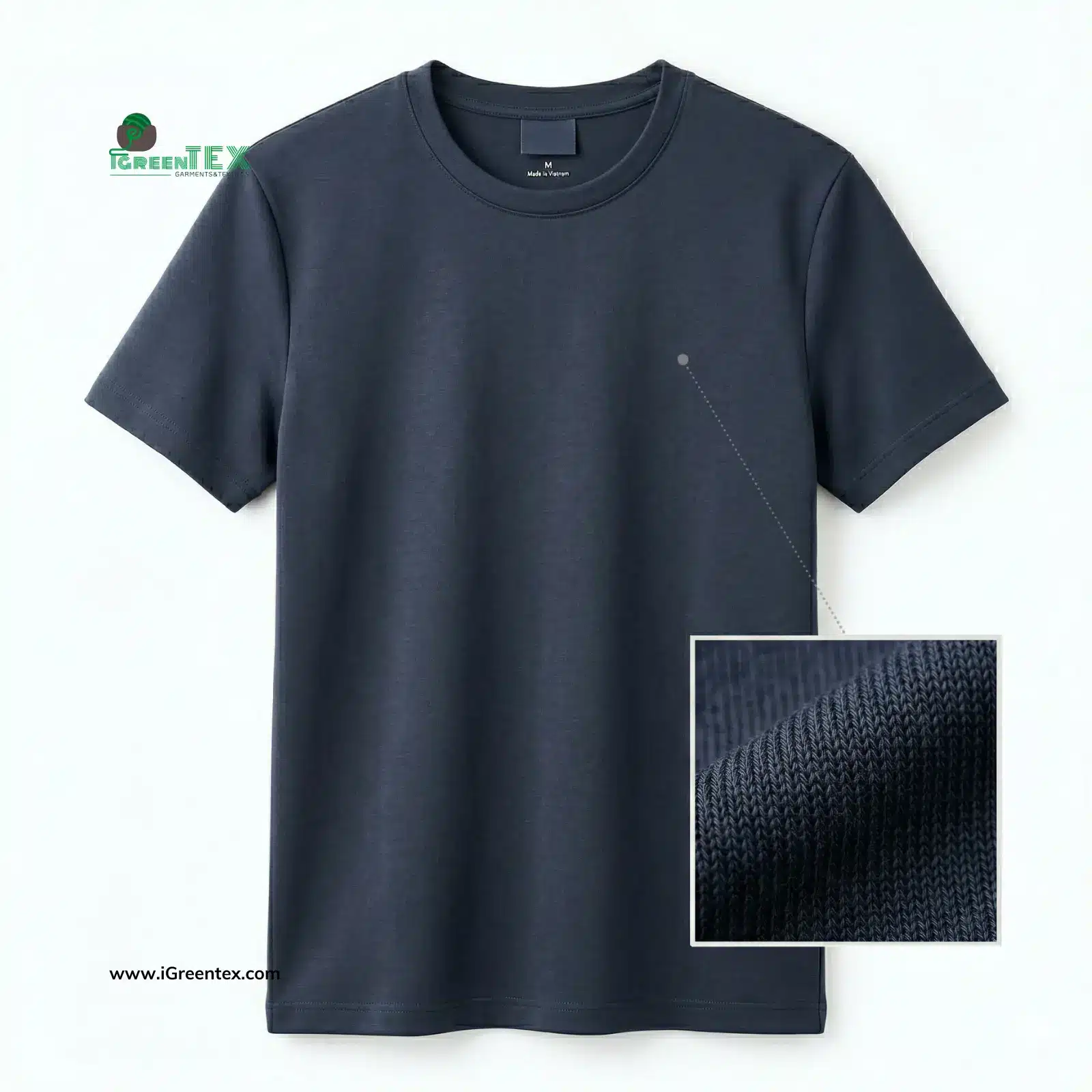
- Manufacturing Insight: For an Clothing manufacturer, Ponte is a favorite because it holds its shape during the cut-and-sew process. It remains a staple in the list of common no-iron fabrics for professional women’s wear.
- Structural Stability: Because it is a double-knit, Ponte has two layers of fabric knitted together, which inherently resists creasing even under high pressure.
- Best Use Case: Structured blazers, professional trousers, and heavy-weight dresses.
4. Jersey Knit: The Casual Comfort Standard
Jersey knit is the standard for t-shirts and loungewear. Because it is a knitted fabric rather than woven, it possesses inherent stretch that pulls out wrinkles as the garment is worn. This is one of the most cost-effective common no-iron fabrics for high-volume casual brands.
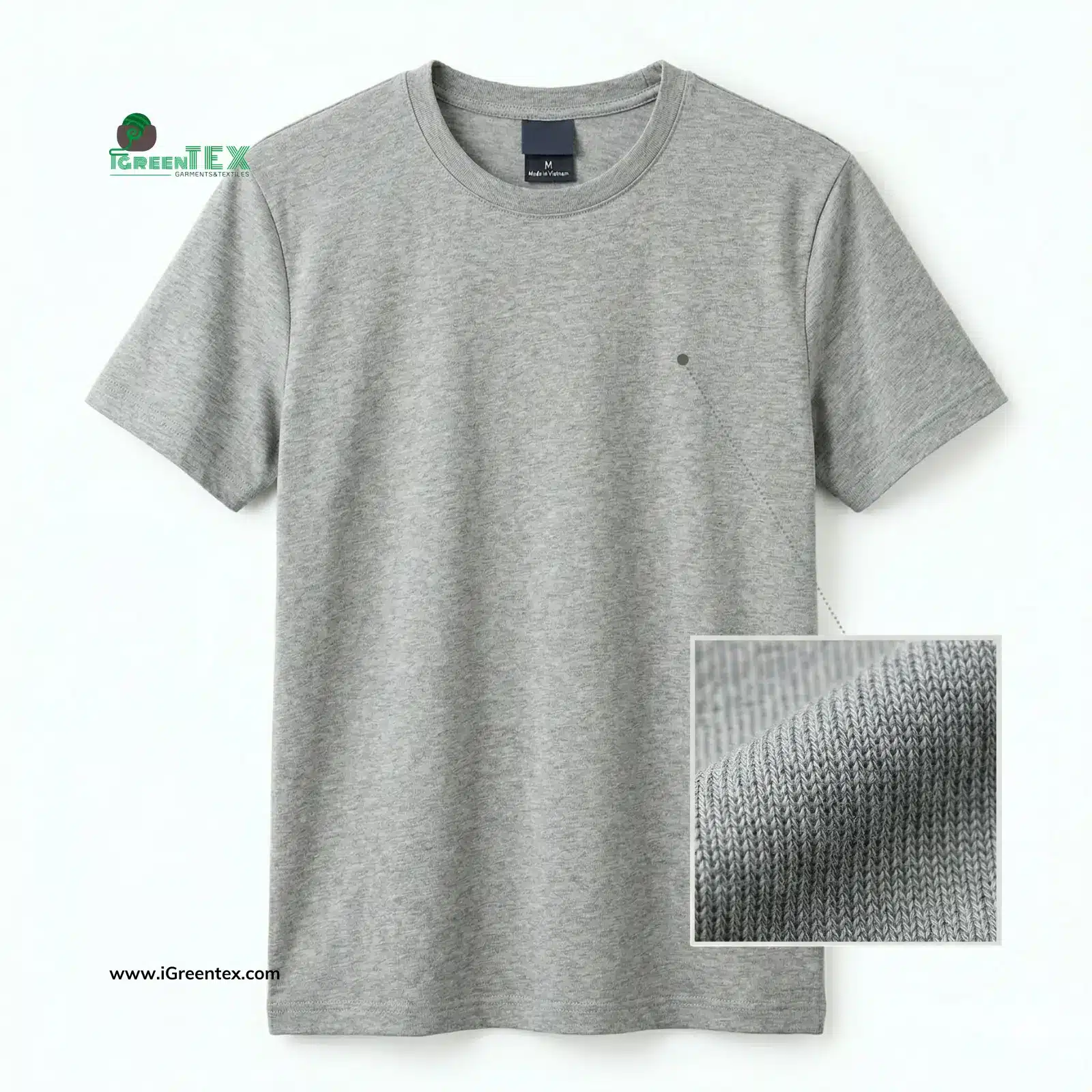
- Manufacturing Insight: While jersey is a common no-iron fabric, it requires strict monitoring of GSM (Grams per Square Meter) to ensure it doesn’t become too sheer or prone to curling at the edges.
- Performance: When used as common no-iron fabrics, jersey benefits from enzyme washes that remove surface fuzz, preventing the fabric from looking “messy” after multiple wears.
- Best Use Case: T-shirts, hoodies, and athletic wear.
5. Linen Blends: The Summer Performance Solution
Pure linen is notorious for wrinkling. However, linen blends (usually mixed with cotton or polyester) provide the breathability of linen with the stability of a synthetic. These are essential common no-iron fabrics for seasonal summer collections.
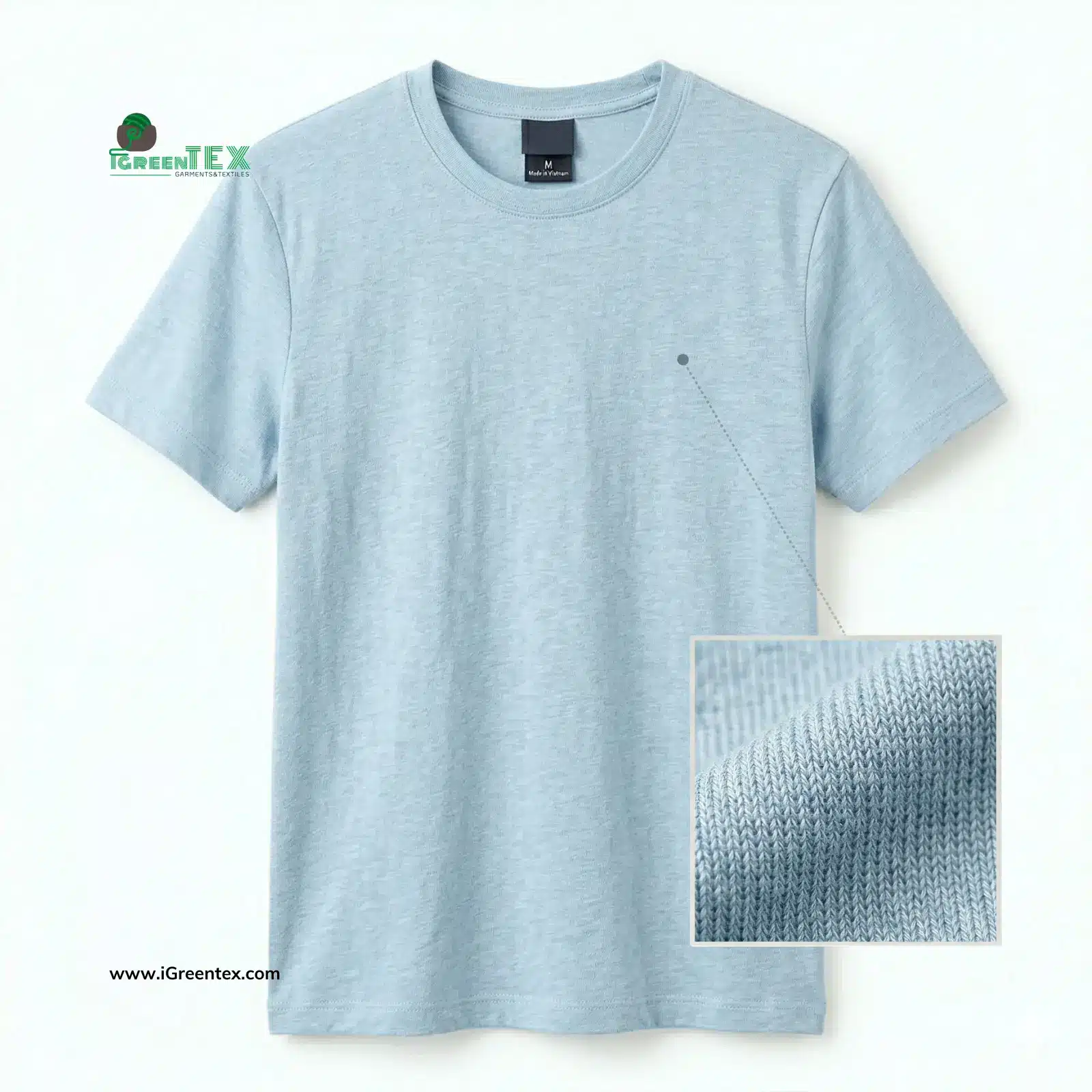
- Manufacturing Insight: Sourcing managers should look for linen-viscose or linen-polyester blends to achieve a “relaxed” look without the messy appearance of deep creases.
- Blending Ratio: A 55% linen and 45% cotton blend is a standard for common no-iron fabrics, offering the crispness of linen with the recovery of cotton fibers.
- Best Use Case: Summer blazers, lightweight trousers, and resort wear.
Technical Comparison of Common No-Iron Fabrics
To assist supply chain managers in making data-driven decisions, we have compiled a comparison of these textiles based on clothing manufacturing standards.
| Fabric Type | Wrinkle Resistance | Breathability | Durability | Best Production Scale |
|---|---|---|---|---|
| Polyester Blends | High | Medium | Very High | Bulk/Mass Market |
| Cotton Sateen | Medium-High | High | Medium | Premium/Retail |
| Ponte Knit | Very High | Medium | High | Mid-Range/High-End |
| Jersey Knit | Medium | High | Medium | Mass Market |
| Linen Blends | Moderate | Very High | High | Seasonal Collections |
Strategic Fabric Selection for Bulk Clothing Production
When managing bulk fabric sourcing, the choice of common no-iron fabrics must align with your brand’s price point and target demographic. A reliable manufacturer must balance the cost of raw materials against the functional benefits provided to the end consumer. Selecting common no-iron fabrics is not just about aesthetics; it is about reducing the operational burden on the end user.
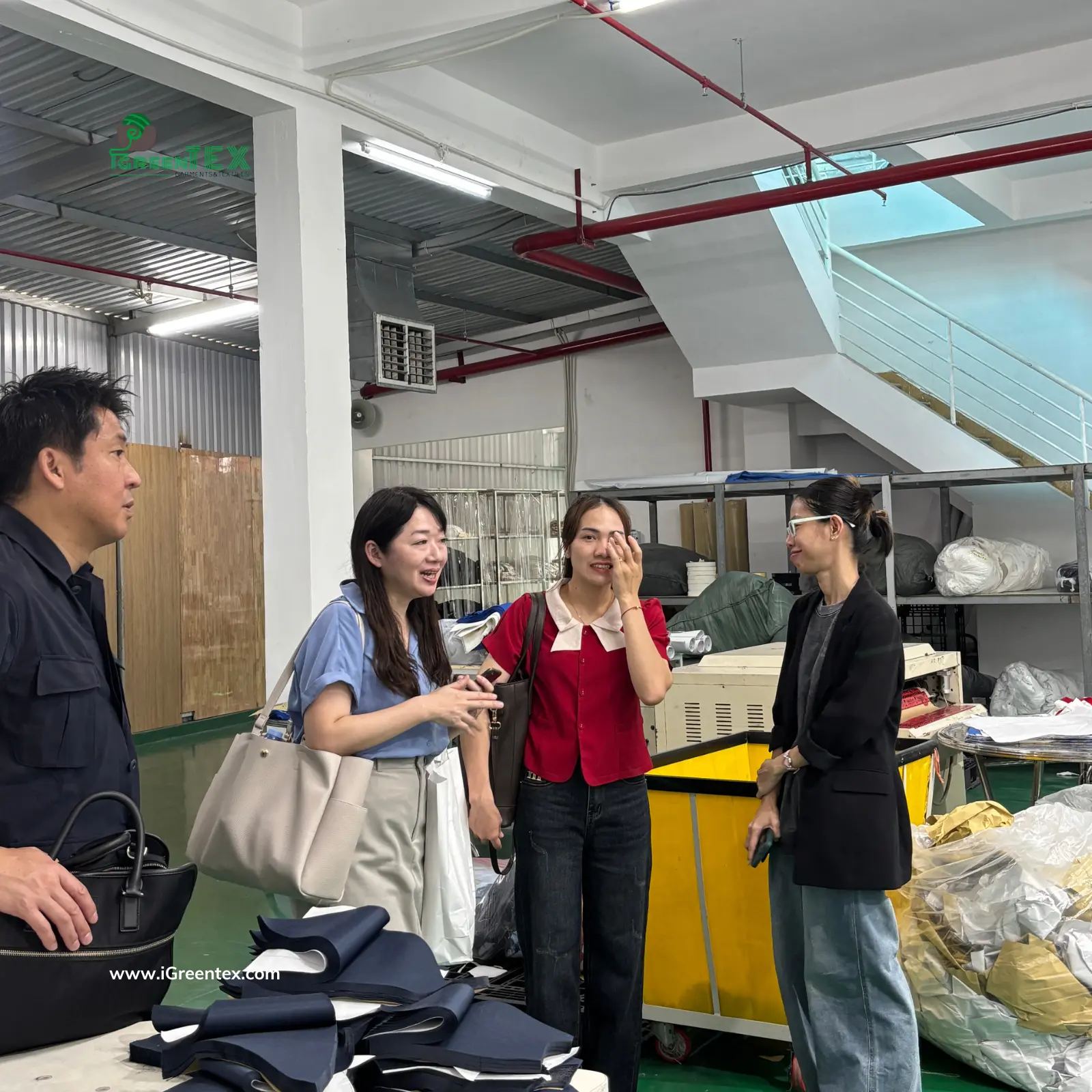
Sourcing agents should consider the following factors:
- Fiber Composition: A higher percentage of synthetic fiber generally increases wrinkle resistance but may lower breathability.
- Finishing Treatments: Non-iron treatments can be applied to 100% cotton, but they must meet international safety standards (e.g., OEKO-TEX) regarding formaldehyde levels. This is a critical part of quality control in textile production.
- Fabric Weight: Heavier fabrics like Ponte knit naturally resist wrinkling better than lightweight voiles or lawns.
For those looking to expand their production, knowing how to verify garment factory in Vietnam is a crucial step. A partner skilled in handling common no-iron fabrics will provide full transparency regarding their fabric testing protocols and supply chain origin.
Manufacturing Insight: Quality Control in Textile Production
At iGreen Tex, our approach to common no-iron fabrics involves a multi-stage validation process. We do not simply rely on supplier claims; we verify fabric durability and performance in-house to ensure compliance with global standards.
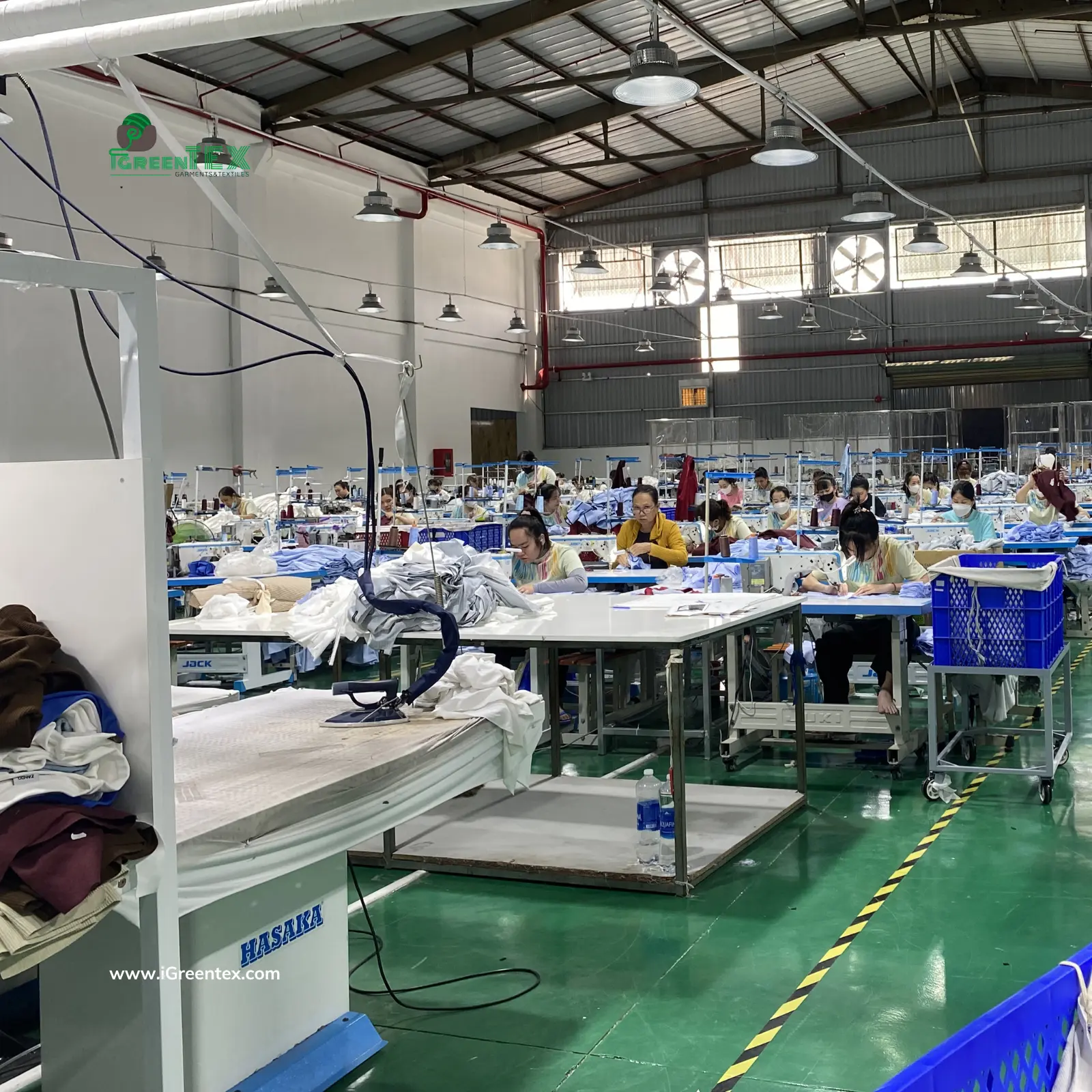
Our Quality Control (QC) Process Includes:
- Appearance Retention Testing: We wash samples according to international standards (ISO 9867) to check for pilling, shrinkage, and crease recovery.
- Tensile Strength Analysis: Ensuring that the “no-iron” treatments have not weakened the natural fibers, leading to premature tearing or reduced elasticity.
- Color Fastness: Testing for color bleeding, especially in dark-colored polyester blends and jersey knit.
By maintaining these high clothing manufacturing standards, we ensure that the garments delivered to our partners are ready for immediate retail display.
Strategic Sourcing for US Apparel Importers
For US apparel importers, Vietnam has become a primary hub for sourcing common no-iron fabrics. The trade agreements and established logistics make it a cost-effective alternative to other regions. However, the complexity of managing a remote supply chain requires a partner who understands both the technical and logistical aspects of the industry.
When you invest in common no-iron fabrics, you are investing in a product that reduces “returns” due to poor appearance. In the age of e-commerce, where a garment is often photographed straight out of the box, having a “no-iron” feature is a powerful marketing tool for your product descriptions. This strategic use of common no-iron fabrics can increase customer lifetime value by delivering a product that looks professional with zero effort.
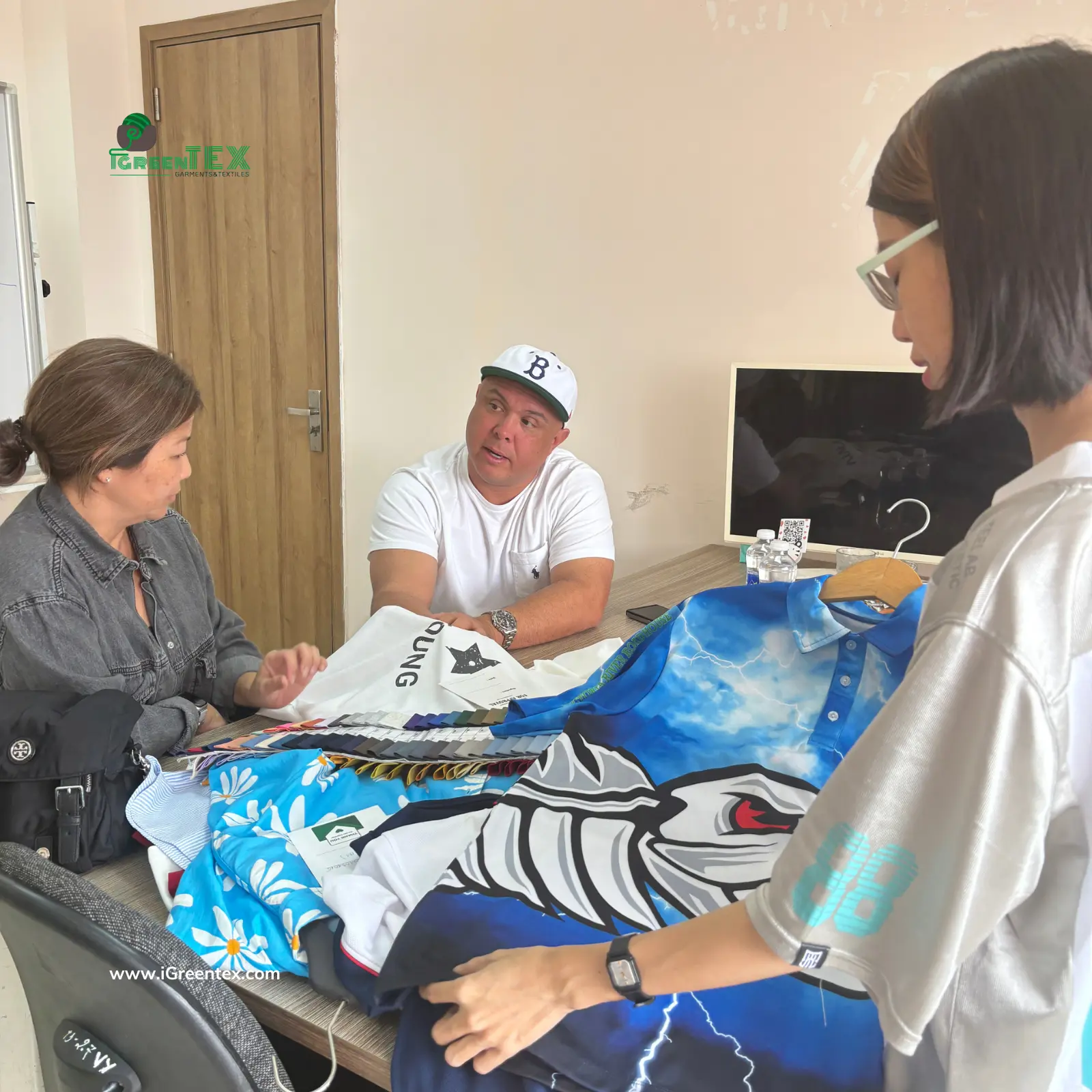
Scaling Your Production with iGreen Tex Vietnam
If your brand is currently struggling with high finishing costs or inconsistent fabric quality, it may be time to reassess your material strategy. Moving toward common no-iron fabrics is a logical step for brands prioritizing scale and customer satisfaction.
As a dedicated OEM clothing manufacturer in Vietnam, iGreen Tex Vietnam offers full-package solutions that include fabric sourcing, technical design, and rigorous quality inspections. We understand the pressures faced by apparel brand owners and procurement teams to deliver high-quality goods on tight deadlines.
Why Partner with iGreen Tex?
- Expert Consultation: We help you navigate fabric selection for garment manufacturing to find the perfect balance between cost and performance.
- Transparent Supply Chain: From fiber origin to final export, we provide the documentation needed for international compliance.
- Logistics Reliability: We have established shipping lines to the US, UK, and EU, ensuring your bulk clothing production arrives on time.
For sourcing managers ready to move from sampling to bulk production, our team is prepared to provide detailed quotes and fabric swatches for various common no-iron fabrics that meet your specific requirements.

Ready to Optimize Your Apparel Production?
Choosing the right common no-iron fabrics is just the first step. Executing a successful production run requires a partner who treats your brand’s reputation as their own. We emphasize that iGreen Tex acts as a strategic manufacturing partner, not just a traditional factory.
Contact iGreen Tex Today to discuss your next collection. Whether you are a startup scaling your first line or an established importer looking for a more reliable manufacturing partner in Vietnam, we are here to support your growth.
- Email: Admin@igreentex.com
- WhatsApp/Viber/Zalo: +84 938 045 900
- Headquarters: Ho Chi Minh City, Vietnam
iGreen Tex Vietnam: Your Strategic Partner in Quality-Driven Garment Manufacturing.