Definition
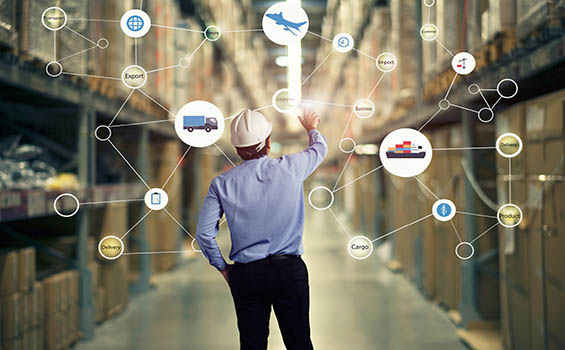
Supply chain is a network of individuals, activities, information, and resources involved in creating a product and delivering it to the consumer. It includes every step involved in getting a finished product or service to the customer.
Here are the key components of a supply chain:
- Producers: They provide the raw materials.
- Vendors: They supply the raw materials to the manufacturers.
- Manufacturers: They convert the raw materials into finished products.
- Warehouses: They store the products until they are needed.
- Transportation companies: They move the products between different stages of the supply chain.
- Distribution centers: They manage the storage and shipping of products to retailers or customers.
- Retailers: They sell the product to the end consumer.
The supply chain begins operating when a business receives an order from a customer. Its essential functions include product development, marketing, operations, distribution networks, finance, and customer service. When supply chain management is effective, it can lower a company’s overall costs and boost its profitability. If one link breaks, it can affect the rest of the chain and can be costly.
What is supply chain management?
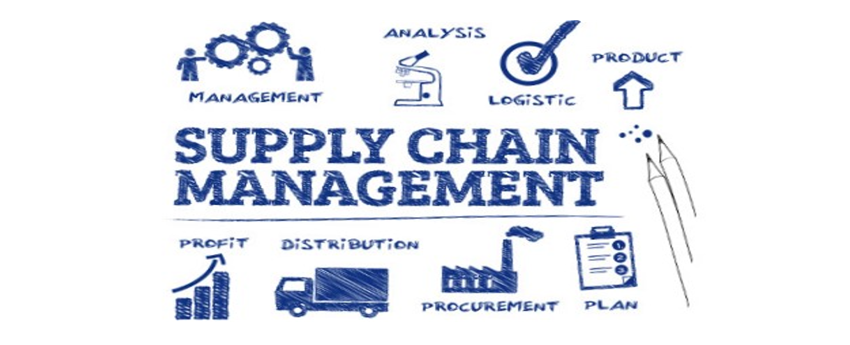
Supply Chain Management (SCM) is the process of managing the flow of goods and services to and from a business. It includes every step involved in turning raw materials and components into final products and getting them to the ultimate customer. Effective SCM can help streamline a company’s activities to eliminate waste, maximize customer value, and gain a competitive advantage in the marketplace.
Here are the five most critical phases of SCM:
- Planning: Plan and manage all resources required to meet customer demand for a company’s product or service.
- Sourcing: Choose suppliers to provide the goods and services needed to create the product.
- Manufacturing: Organize the activities required to accept raw materials, manufacture the product, test for quality, package for shipping, and schedule for delivery.
- Distribution: Manage the storage and shipping of products to retailers or customers.
- Returns: Handle customer returns and feedback.
A supply chain manager’s job is not only about traditional logistics and purchasing but finding ways to increase efficiency and keep costs down while also avoiding shortages and preparing for unexpected contingencies. Typically, the SCM process consists of these five phases.
By managing the supply chain, companies can cut excess costs and deliver products to the consumer faster. This is done by keeping tighter control of internal inventories, internal production, distribution, sales, and the inventories of company vendors. SCM is based on the idea that nearly every product that comes to market does so as the result of efforts by multiple organizations that make up a supply chain.
Types of Supply Chain
There are several types of supply chain models, each designed to meet different business needs and challenges. Here are six common types:
- Continuous Flow: This model is best suited for industries with a steady, predictable demand for their products, such as automobile manufacturers or food producers. It maximizes efficiency, reduces the risk of stockouts, and maintains a steady production rate.
- Fast Chain: This model is designed for businesses that need to respond quickly to market changes. It’s often used in industries like fashion or technology, where products have short life cycles.
- Efficient Chain: This model focuses on cost efficiency and is typically used in industries where the demand is predictable, and the market is stable.
- Agile: This model is designed to respond quickly to market changes. It’s often used in industries where demand is unpredictable.
- Custom Configured: This model is used in industries where products are made to order based on customer specifications.
- Flexible: This model combines elements of both efficiency and responsiveness to meet changing customer demands.
In addition to these, Mentzer et al. distinguish between “direct supply chains”, “extended supply chains”, and “ultimate supply chains”:
- A “direct” supply chain involves a company, a supplier, and a customer.
- An “extended” supply chain includes suppliers of the immediate supplier and customers of the immediate customer.
- An “ultimate” supply chain includes all of the organizations involved in the supply of the product or service.
The type of supply chain a company uses depends on its specific needs, the nature of its products, and the demands of its customers.
Effective supply chain
Building an effective supply chain involves strategic planning and careful execution. Here are some steps to consider:
- Review Company Goals: Reviewing your company’s revenue and production goals can help you determine inventory levels and daily production output. It also helps your company create marketing and sales strategies that can aid them in reaching revenue goals.
- Perform Market Research: Understand the market trends, customer preferences, and competitive landscape.
- Forecast Consumer Demand: Accurate demand forecasting can help companies align inventory requirements, enhance company profits, and ensure that the company can meet customer requirements.
- Allocate Inventory Requirements: Determine the amount of inventory needed to meet customer demand while minimizing holding costs.
- Fulfill Consumer Orders: Develop a system for processing orders, handling shipments, and managing customer service.
- Ensure Planning Flexibility: The supply chain should be flexible enough to adapt to changes in demand or supply conditions.
In addition, it’s important to create a business case for change, highlighting how improvements in the process will enable the organization to achieve strategic goals. Guarantee cross-functional engagement and target the business case to specific stakeholder groups, including expected benefits.
Remember, an effective supply chain management plan can streamline the movement of goods and services, reduce operational bottlenecks, ensure smooth processes, proactively address disruptions in the supply chain, minimize potential setbacks, and ensure continuity in operations. It can also lead to significant cost savings by optimizing inventory levels, transportation, and procurement, contributing to improved profitability.
IGREEN TEX VIETNAM CO LTD
Address: No. 83 , A4 Street, Ward 12, Tan Binh Dist, HCMC
Tax code: 0315844409
Email: info@igreentex.com
WhatsApp/Viber/Zalo: +84938.045.900