Why Manufacture Clothing in Vietnam? 10 Reasons Global Brands Choose Vietnam
Sourcing managers ask why manufacture clothing in Vietnam for modern supply chains. The search for a reliable manufacturing partner is growing rapidly.
Diversifying production reduces heavy reliance on single-country sourcing. This expert analysis clarifies exactly why manufacture clothing in Vietnam.
Why Are More Global Fashion Brands Manufacturing Clothing in Vietnam?
The global apparel landscape is changing rapidly. Many fashion brands now adopt a “China+1” strategy (diversifying supply chains away from sole reliance on China). Consequently, the world looks closely at Southeast Asian hubs.
Sourcing managers prioritize stability, speed, and technical expertise. Understanding why manufacture clothing in Vietnam is essential for these companies. They need to secure their margins while maintaining quality.
Over the past decade, the country has transformed into a global apparel center. Multinational corporations regularly shift their high-volume production lines here. The local infrastructure has evolved to handle complex design requirements.

Many global clothing brands choose this destination. They seek to balance rising production costs against strict retail standards. The Southeast Asian market offers a compelling solution for these challenges.
If you plan to source garments, you must analyze this region thoroughly. The following sections evaluate the realistic factors driving this manufacturing shift.
Why Is Vietnam Becoming a Preferred Destination for Clothing Manufacturing?
The country is no longer just a low-cost alternative. It has built a mature ecosystem for textile and garment production. Sourcing managers find integrated solutions here.
The local government actively supports industrial development. Modern industrial zones offer reliable power and water infrastructure. This stable business environment minimizes unexpected operational risks.
Additionally, the country has strategic geographical advantages. It shares a border with major raw material suppliers. This proximity streamlines material transport and lowers production lead time (the total duration to manufacture a batch of clothing).
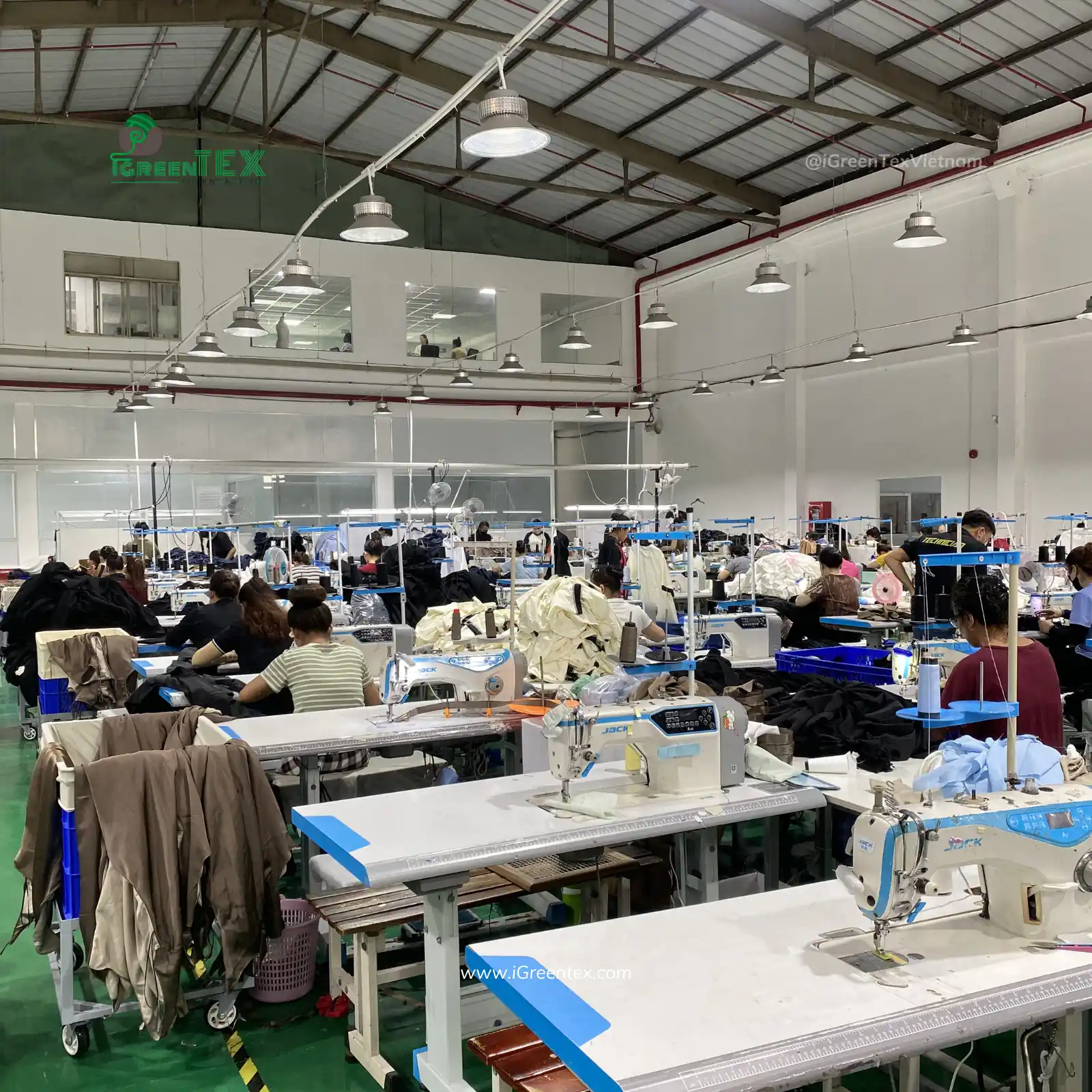
Furthermore, local factories have adopted advanced manufacturing technologies. These systems improve speed, accuracy, and overall production capacity (the volume of output a factory can handle). Sourcing managers looking to balance costs and speed analyze why manufacture clothing in Vietnam to secure margins.
How Important Is Vietnam in the Global Apparel Supply Chain?
Vietnam ranks among the top three apparel exporters globally. The country holds a significant share of the massive US and European markets. This performance is not accidental.
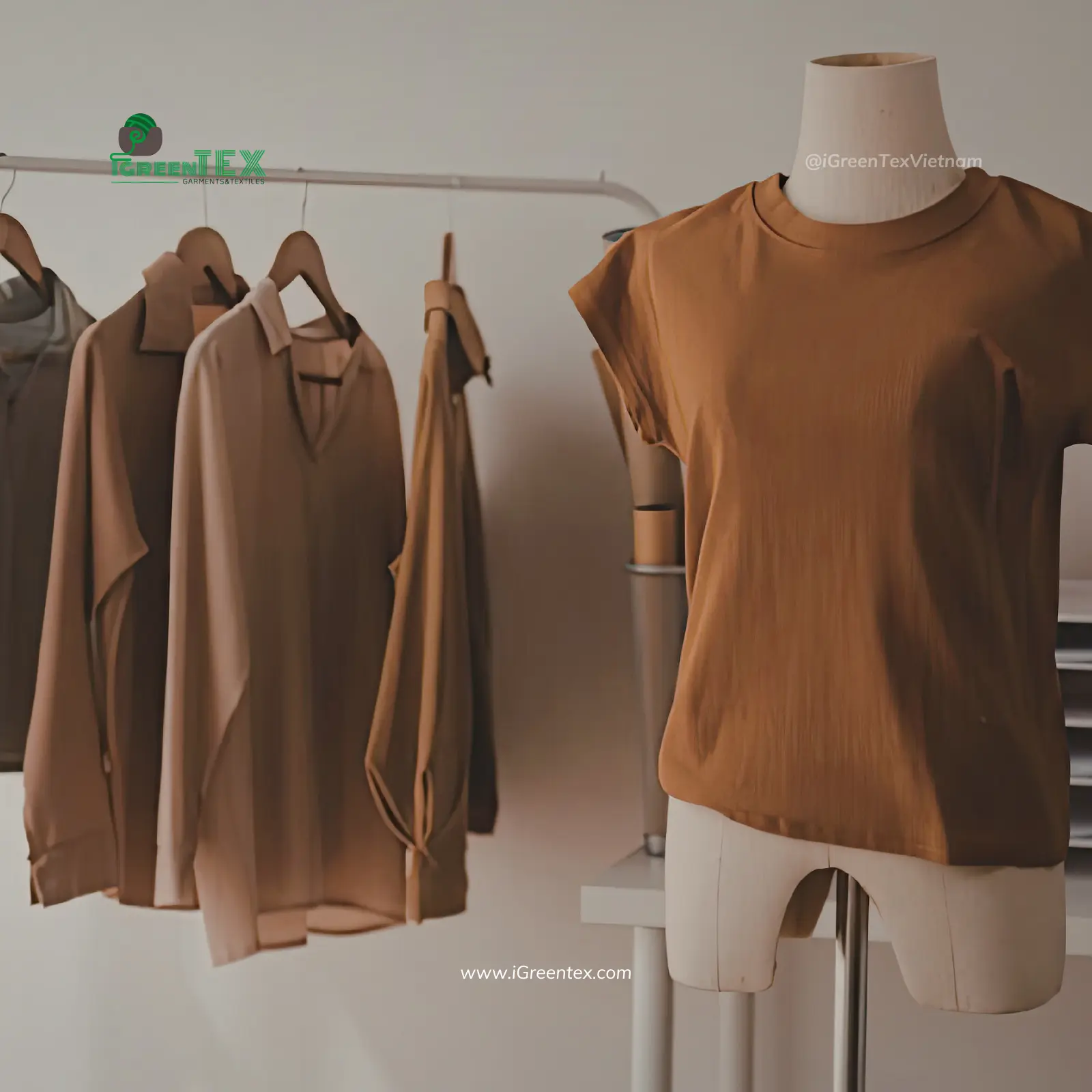
State-backed investments have modernized local factories. This focus has strengthened the country’s position in the global apparel supply chain (the interconnected network of textile production and distribution). The national apparel export market (the global sector of exported clothing goods) has grown consistently year after year.
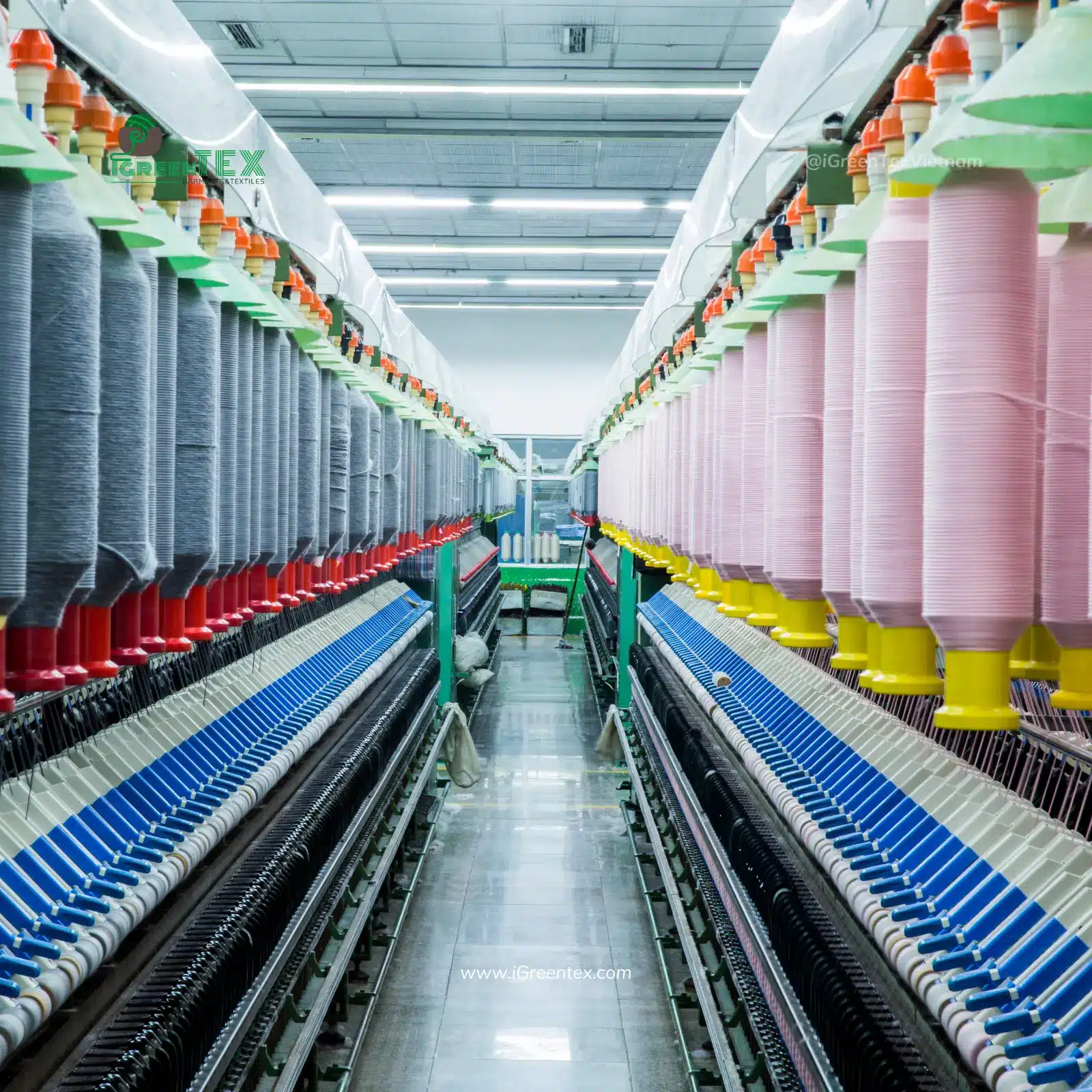
Major logistics corridors connect industrial zones directly to deep-water ports. This connectivity supports a robust garment export industry (the specialized sector focused on shipping finished clothing). The nation operates as a highly efficient textile manufacturing hub (a centralized region dedicated to fabric and apparel production).
Many international brands source their technical activewear and outerwear from local facilities. These product categories require high precision. The country’s infrastructure successfully meets these demands daily.
They study deep industrial metrics to understand why clothing is produced in Vietnam rather than elsewhere. The combination of logistics, government support, and skilled workforce drives this global ranking.
Vietnam offers significant advantages for apparel sourcing, but choosing the right manufacturing partner is equally important. To explore some of the leading clothing manufacturers operating in Vietnam, read our detailed comparison below.
Read more: Top 7 Clothing Manufacturers in Vietnam
Why Do Global Brands Choose Vietnam for Clothing Manufacturing?
The decision to migrate production to the Vietnam garment industry involves complex calculations. You evaluate total landed costs, labor skills, and material supply. Here are the ten primary reasons behind this strategic choice.
1. Does Vietnam Offer Competitive Manufacturing Costs?
Cost remains a critical metric for apparel brand owners. However, professional buyers do not focus solely on basic hourly wages. They look at the total cost of ownership (TCO). This includes factory overhead, logistics, and material waste.
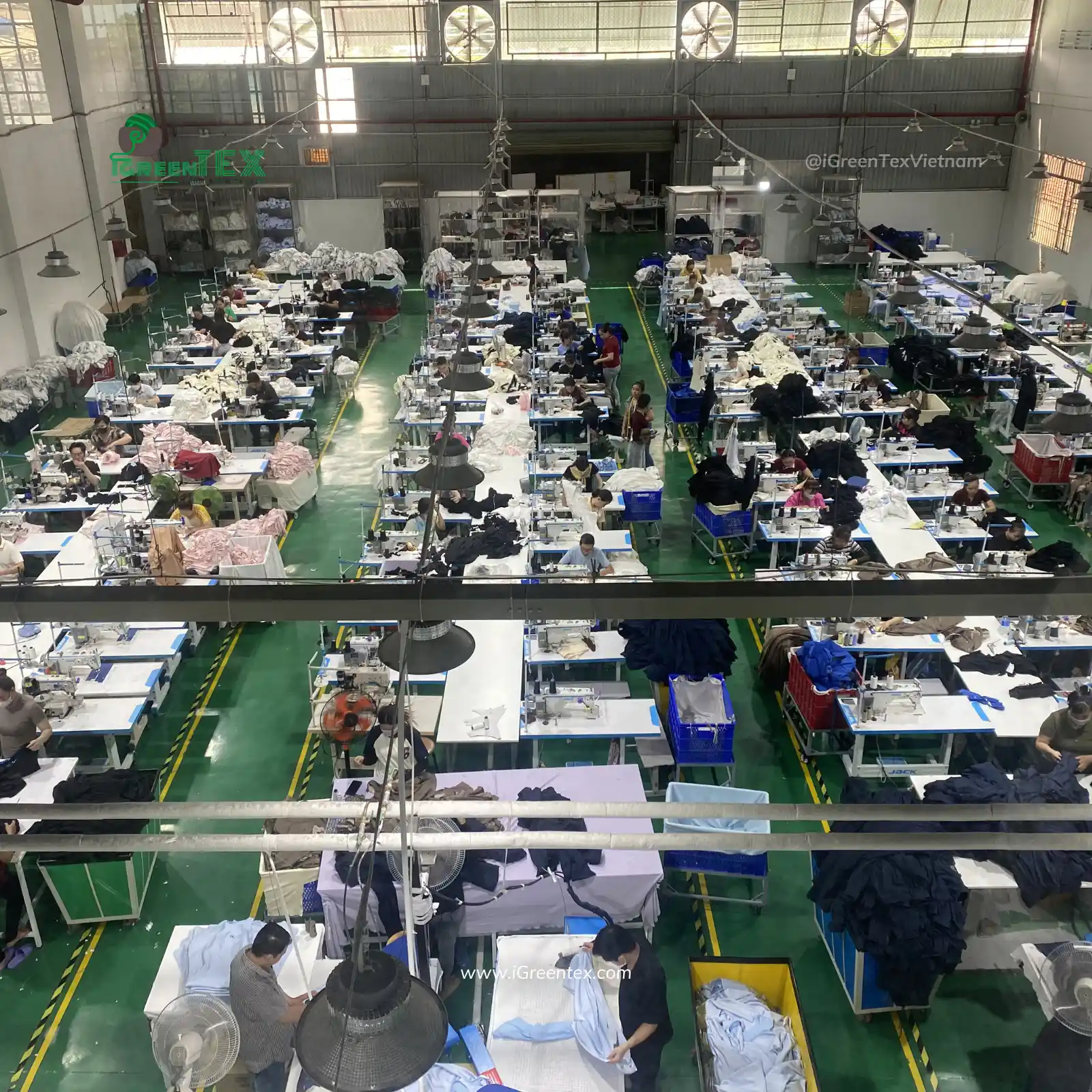
Understanding why manufacture clothing in Vietnam requires looking closely at these cost structures. While labor costs (the wages paid to production workers) are rising, they remain highly competitive. They are significantly lower than costs in China or Eastern Europe.
Lower factory overhead (the indirect costs of running a production facility) helps factories offer stable pricing. This stability directly lowers the overall production cost (the direct expenses of making garments).
Sourcing managers must calculate the landed cost (the total price of a product once it arrives at the buyer’s door). This calculation includes duties, shipping, and manufacturing expenses (the miscellaneous operational costs of production). Vietnam offers an excellent balance.
| Cost Element | Vietnam Performance | Strategic Advantage for Brands |
|---|---|---|
| Labor Rates | Highly competitive | Lowers base cost per garment |
| Overhead | Stable and managed | Prevents sudden price spikes |
| Landed Cost | Optimized via FTAs | Minimizes import tariff impact |
The overall benefits of clothing manufacturing in Vietnam become clear when looking at the quality-to-cost ratio. You get premium construction without paying premium prices.
2. Does Vietnam Have Skilled Garment Workers?
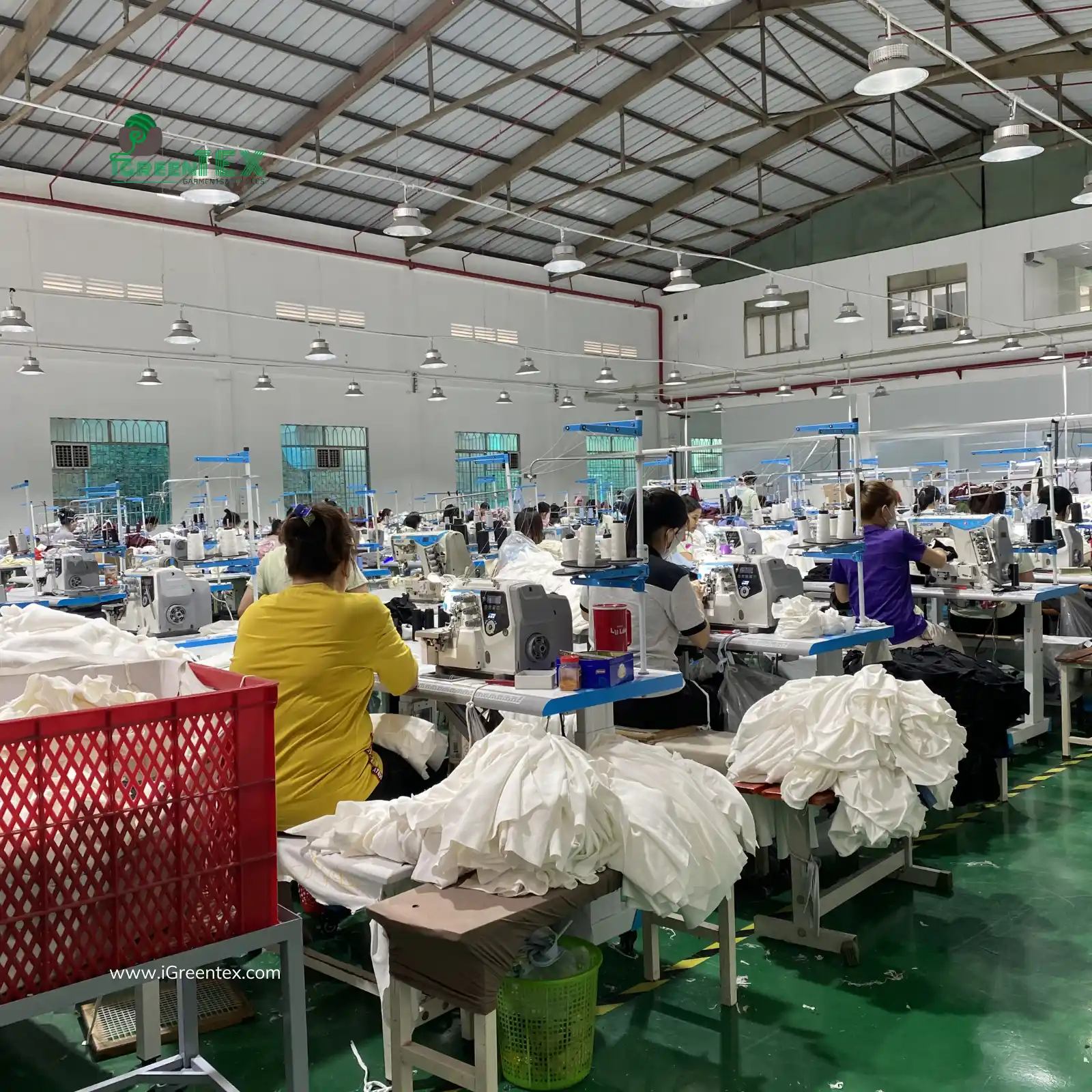
Apparel craftsmanship requires hands-on expertise. The local workforce possesses a deep, multi-generational history in textile production. This experience ensures consistent quality.
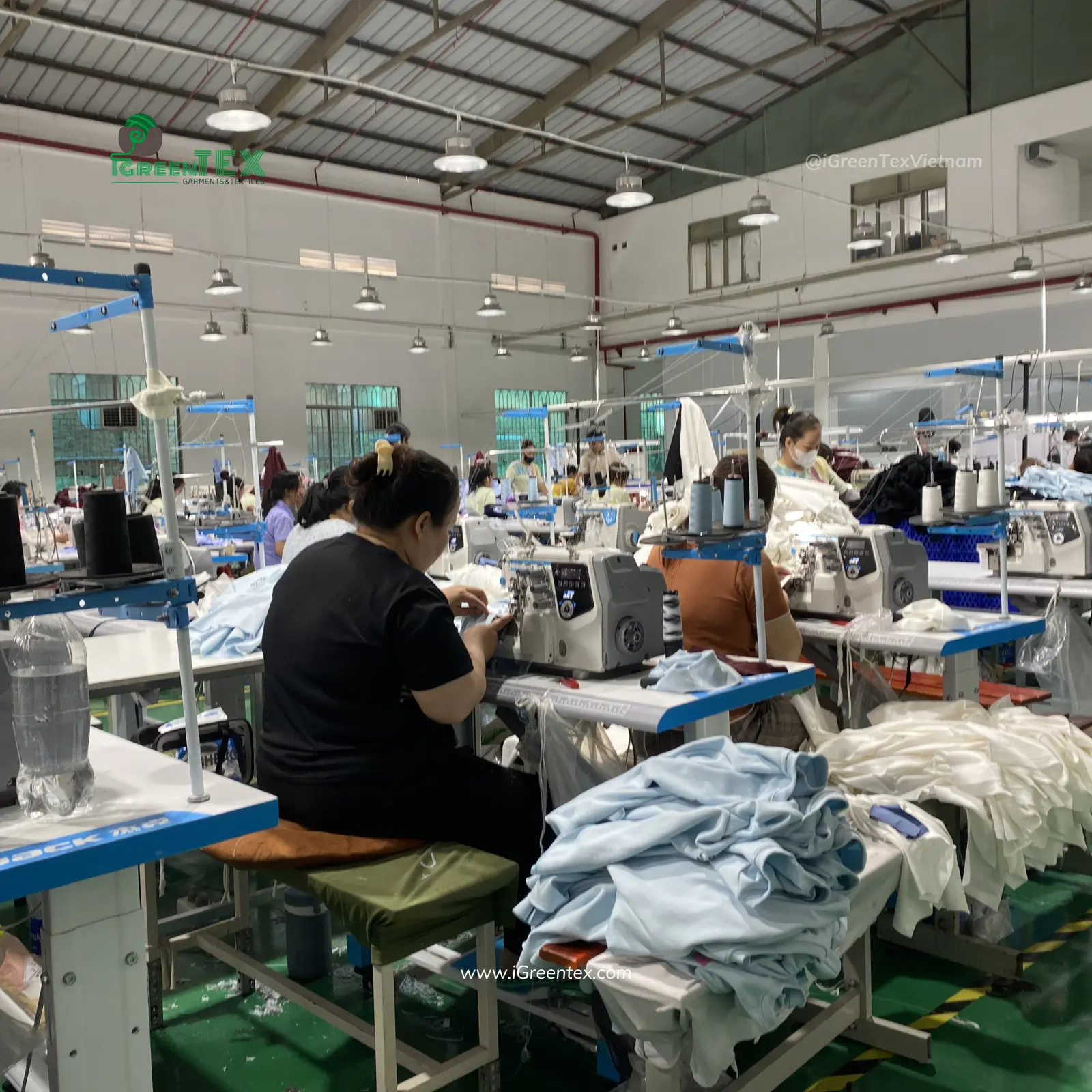
A highly skilled workforce (experienced laborers with specialized training) drives the local industry forward. Workers possess excellent sewing expertise (the technical ability to stitch garments precisely). They handle delicate fabrics and complex layouts easily.
Furthermore, local factories employ professional garment technicians (specialists who translate designs into production-ready patterns). These technical experts optimize sewing lines for maximum output. They ensure that apparel craftsmanship (the quality of construction and finishing) remains exceptionally high.
This technical skill directly increases production efficiency (the speed and accuracy of the manufacturing process). Fewer errors mean less wasted fabric. For clothing brands, this efficiency translates to predictable delivery schedules.
If you are evaluating different sourcing destinations, understanding the quality differences between Vietnam and China can help you make a more informed decision.
Read more: Comparing Vietnam vs China Export Garment Quality
3. What Types of Clothing Can Be Manufactured in Vietnam?
Local manufacturers handle a wide variety of garment categories. They are not limited to simple, basic designs. Sourcing managers can source diverse apparel lines from a single region.
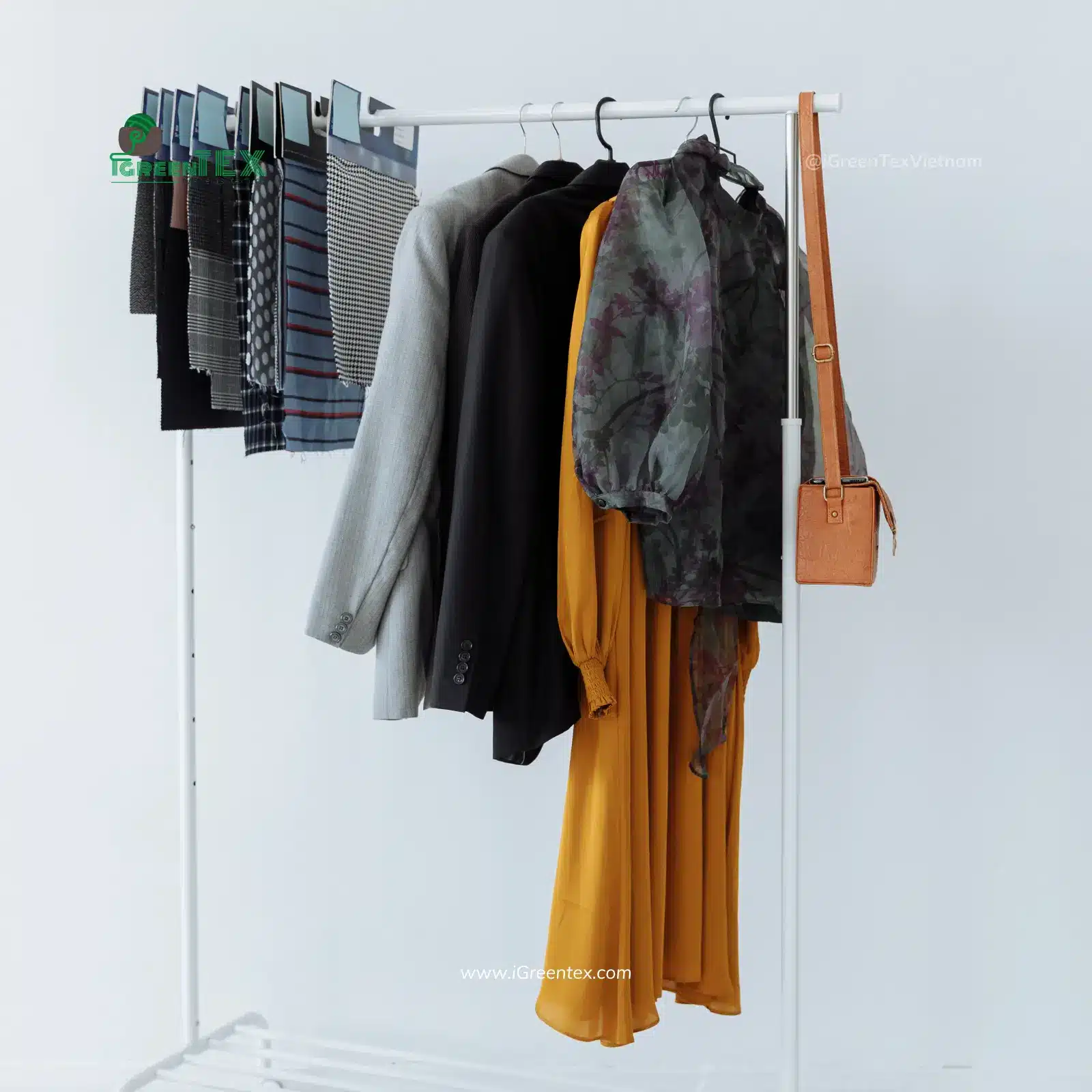
Sourcing managers discover many options when researching why manufacture apparel in Vietnam. Factories successfully produce:
- Standard knits (T-shirts, hoodies, and polo shirts).
- Technical activewear (moisture-wicking tops and sports bras).
- Structured outerwear (waterproof jackets and coats).
- Workwear and uniform collections.
- Eco-friendly and sustainable fashion lines.
This versatility explains why manufacture garments in Vietnam for modern brands. The country can produce basic items and highly technical pieces simultaneously.
Whether you need lightweight cotton or heavy performance fabrics, local suppliers can help. They adapt quickly to changing global fashion trends.
4. Can Vietnam Factories Support OEM and Private Label Production?
Many clothing brands do not own their manufacturing facilities. They rely on external partners to execute their designs. Local factories are built specifically for this model.
A professional OEM clothing manufacturer (Original Equipment Manufacturer – a factory that makes goods based on buyer designs) provides complete production services. They handle everything from sample creation to bulk packaging. This support simplifies the entire sourcing process.
When sharing proprietary tech packs and custom silhouettes for OEM production, establishing a legally binding NDA for clothing manufacturers is an essential first step. This agreement ensures your original designs, measurements, and material specifications remain strictly confidential.
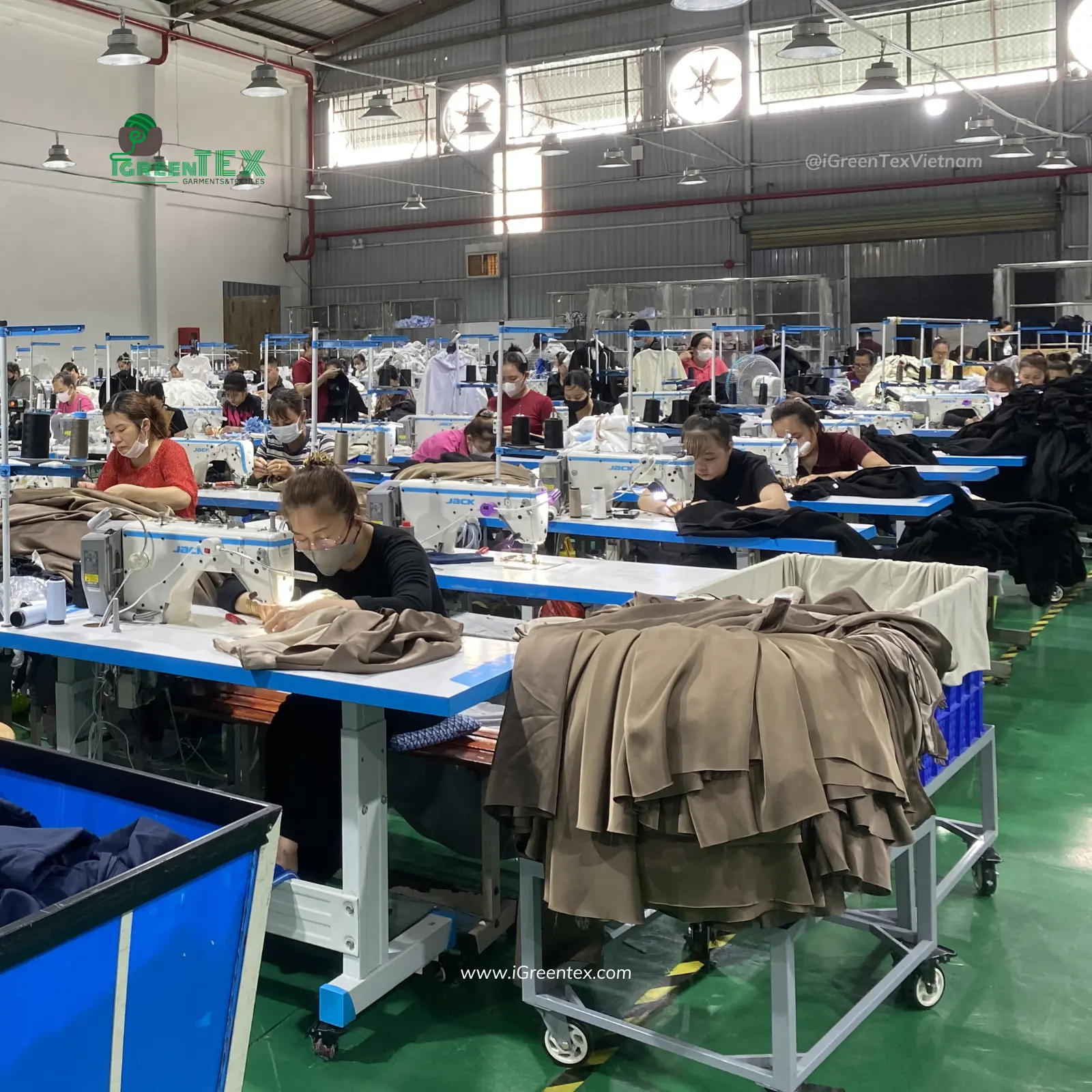
Similarly, a private label apparel manufacturer (a supplier that produces unbranded garments for buyers to brand) helps startups launch quickly. They offer pre-developed styles that brands can easily customize.
These factories specialize in custom clothing manufacturing (the production of tailored, unique apparel designs). They offer flexible custom apparel production (the tailored manufacturing process for specific brand specifications) to meet market demands. This operational flexibility explains why manufacture apparel in Vietnam for custom labels.
Discover Professional Manufacturing Services
For brands seeking reliable execution, we recommend exploring structured development. You can access specialized support through a dedicated OEM clothing manufacturing service. This program connects you with experienced engineers to streamline your collection launch.
5. How Do Free Trade Agreements Benefit Clothing Buyers?
Tariffs can severely damage a brand’s profit margins. Vietnam has built a highly favorable trade environment through strategic partnerships. These agreements offer massive financial advantages.
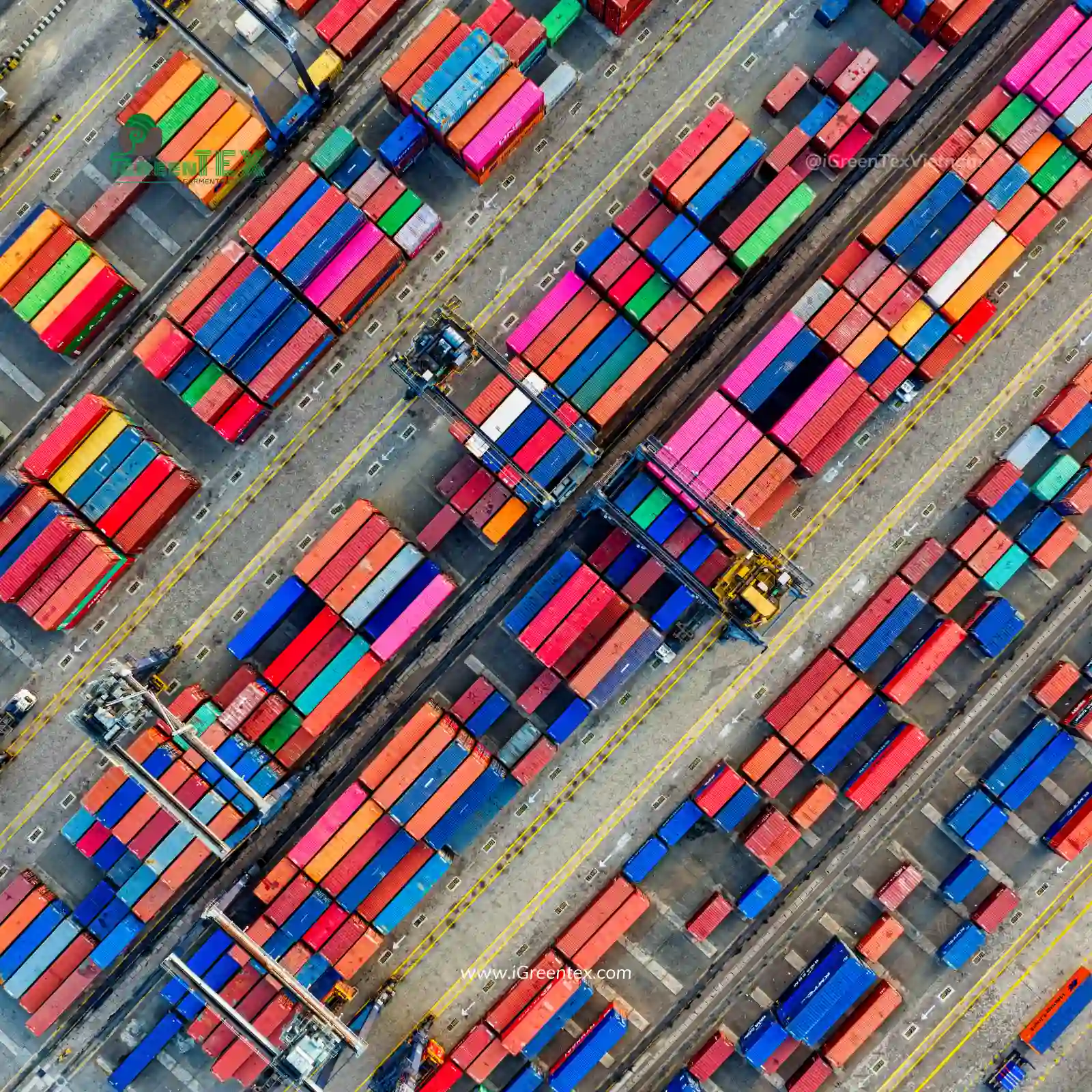
The country has signed numerous free trade agreements (FTAs – international treaties that reduce barriers to trade). These agreements provide preferential tariffs (reduced import tax rates) for global buyers. They make importing garments much more affordable.
This duty reduction (the lowering of import taxes) makes a significant difference. Sourcing managers can import goods into key markets with minimal tax penalties. This access grants brands excellent global trade access (the ability to trade freely across international borders).
Key agreements include:
- EVFTA (European Union-Vietnam Free Trade Agreement): Reduces tariffs on apparel exports to Europe.
- CPTPP (Comprehensive and Progressive Agreement for Trans-Pacific Partnership): Connects Vietnam with major Pacific economies.
- RCEP (Regional Comprehensive Economic Partnership): Simplifies regional raw material sourcing.
These treaties make the country highly competitive. They directly protect your bottom line.
6. Is Vietnam Suitable for Small and Large Clothing Orders?
Different brands have different volume requirements. Startups often need low initial quantities to test the market. Established wholesalers require massive bulk runs.
Historically, large factories only accepted high-volume orders. Today, the landscape is much more flexible. Sourcing managers can easily find a low MOQ manufacturer (Minimum Order Quantity – the lowest number of garments a factory will produce).
These flexible suppliers support startups by offering lower initial production runs. At the same time, they maintain the capacity for bulk production (mass manufacturing of garments). This scalability is ideal for growing brands.
Regardless of order size, the clothing manufacturing process remains largely the same. Every project follows key production stages such as pattern development, fabric inspection, cutting, sewing, quality control, finishing, and packing. A standardized workflow helps factories maintain consistent quality while efficiently scaling production from small trial orders to large-volume manufacturing.
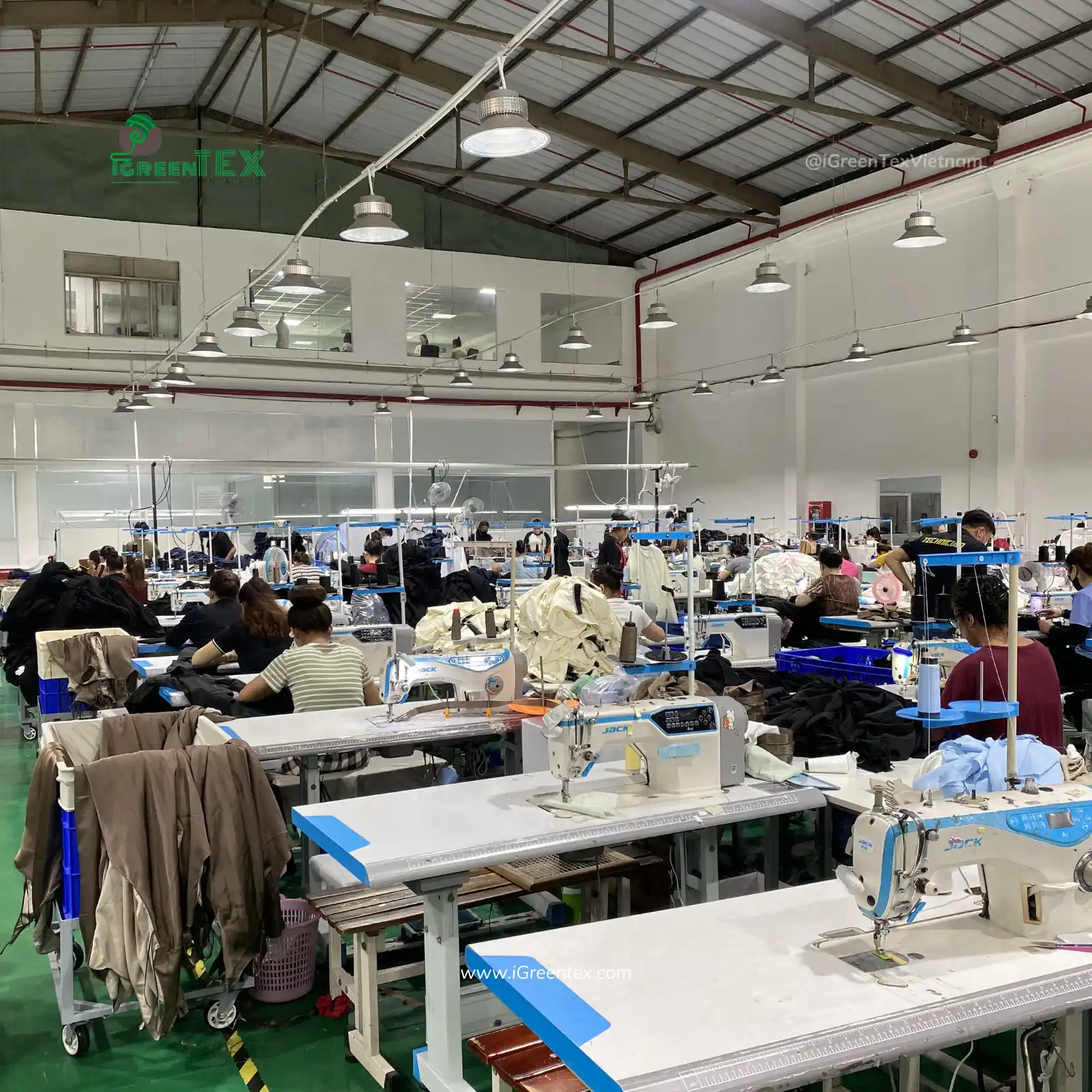
Sourcing managers can evaluate factory production capacity (the total volume a facility can produce in a timeframe) before signing contract agreements. Many plants offer scalable manufacturing (the ability to increase production volumes seamlessly). These custom solutions explain why produce clothing in Vietnam for startups.
7. How Reliable Is Quality Control in Vietnam Clothing Factories?
Quality errors can destroy a brand’s reputation. Professional manufacturers in this region prioritize systematic quality management. They do not leave quality to chance.
Most reputable facilities use a strict AQL inspection (Acceptable Quality Limit – a statistical standard for measuring product quality) method. They check raw materials before cutting begins. This step prevents defective fabric from entering the sewing line.

Quality teams perform inline inspection (checks completed during the assembly process) to catch sewing mistakes early. Once production is complete, a final inspection (the last quality check before packing) ensures every garment meets client specifications.
These steps form a comprehensive quality assurance system (a structured framework to prevent product defects). This quality management (the overall oversight of product standards) ensures that shipments match the approved physical samples.
This technical control answers why manufacture garments in Vietnam for premium retailers. It reduces the risk of customer returns.
8. Are Vietnam Clothing Manufacturers Investing in Sustainability?
Modern consumers demand eco-friendly products. Sourcing managers must align their supply chains with these expectations. Local factories are actively investing in sustainable solutions.
Many facilities are transitioning to sustainable apparel manufacturing (the eco-friendly production of clothing). They source recycled fabrics (materials made from recycled plastics or textiles) to reduce waste. This effort appeals directly to green consumers.
Furthermore, factories prioritize eco-friendly clothing production (manufacturing processes that minimize environmental harm). They install solar panels and water-recycling systems. These practices ensure strict ESG compliance (Environmental, Social, and Governance – the standards for ethical and sustainable operations).
This green transition is a key reason why manufacture clothing in Vietnam makes sense today. It future-proofs your brand against strict environmental regulations.
9. Does Vietnam Offer Logistics Advantages for Global Buyers?
Geographic location plays a huge role in shipping timelines. Vietnam sits directly along major global shipping lanes. This strategic position speeds up transport times.
The shipping lead time (the duration from factory dispatch to port arrival) is highly predictable. A well-developed logistics network (the coordinated system of transport and warehousing) connects industrial parks to major coastal hubs. This network ensures smooth cargo movement.
The country operates modern international ports (deep-water shipping facilities capable of handling massive container ships). These ports offer direct routes to North America and Europe. This connectivity improves overall supply chain efficiency (the speed and cost-effectiveness of moving goods).
For sourcing managers, fast shipping means lower inventory carrying costs. You can react quickly to sudden market demands. Global logistics professionals often ask why manufacture apparel in Vietnam when comparing shipping lanes.
10. Are Vietnam Clothing Manufacturers Experienced in Working With International Brands?
Communication issues can derail any manufacturing project. Local factory management teams have decades of export experience. They understand the expectations of global brands.
Most export-oriented factories maintain strict social compliance (ethical treatment of workers and safe working conditions) standards. They undergo regular third-party audits to verify these practices. This transparency protects your brand from ethical controversies.
Furthermore, factories comply with international standards (global rules for product safety and quality). They maintain export compliance (adherence to international trade laws) to avoid customs delays.
Most facilities hold major factory certifications (official documents proving compliance with global standards, such as BSCI, ISO, or SMETA). This documentation gives sourcing managers peace of mind. Most experienced apparel brand owners understand why manufacture garments in Vietnam to protect brand reputation.
These experienced teams communicate clearly in English. They handle technical tech packs professionally. This level of professional alignment removes communication barriers from the equation.
What Challenges Should Buyers Know Before Manufacturing Clothing in Vietnam?
A realistic sourcing evaluation requires examining both pros and cons. While the country offers massive benefits, sourcing managers must navigate specific challenges.
What Are the Disadvantages of Manufacturing Clothing in Vietnam?
The primary challenge relates to raw material sourcing (textile sourcing – the process of finding fibers and fabrics). While the garment assembly sector is advanced, the local fabric mill industry is still developing.
Consequently, factories must import some fabrics from neighboring countries. This dependency can affect production timelines if border customs experience delays. Sourcing managers must plan for these potential supply chain challenges (disruptions in the movement of materials).
Additionally, factory selection risks (the dangers of choosing an unqualified manufacturing partner) exist. Quality levels vary between small, uncertified workshops and large, modern plants. Working with unverified suppliers can lead to unexpected production delays (holdups in the manufacturing schedule).
To minimize these sourcing risks and verify a facility’s true technical capabilities, performing a comprehensive garment factory audit is critical. A formal audit allows buyers to inspect working conditions, quality control procedures, and actual machinery before signing production contracts
Despite these challenges, careful planning ensures successful production runs and shows why produce clothing in Vietnam. Understanding why manufacture clothing in Vietnam requires knowing these structural limitations.
Is Manufacturing Clothing in Vietnam the Right Choice for Your Brand?
The suitability of this market depends heavily on your brand’s specific business model. The table below analyzes how different clothing brands fit into the local manufacturing landscape.
Understanding your placement helps clarify if you should proceed. It shows why manufacture clothing in Vietnam works for specific scale levels.
| Brand Segment | Suitability | Sourcing Analysis |
|---|---|---|
| Startup Brands | Conditional | Best for startups with clear capital and realistic MOQ expectations. |
| Premium Brands | Highly Suitable | Perfect for brands requiring strict quality control and detailed tailoring. |
| Fast Fashion | Highly Suitable | Ideal due to fast shipping turnaround times and high sewing efficiency. |
| Luxury Brands | Conditional | Requires careful selection of specialized boutique factories. |
| Sportswear Brands | Highly Suitable | Excellent choice due to the country’s deep technical fabric expertise. |
For most established brands, the region offers an incredibly reliable production base. It allows you to scale up without sacrificing construction quality.
How Can You Choose the Right Clothing Manufacturer in Vietnam?
Choosing a factory requires careful due diligence. Sourcing managers should not rely solely on online profiles. You need to ask targeted questions to verify actual capabilities.
When researching why manufacture clothing in Vietnam, look for partners who offer transparent communication. A reliable factory will gladly share their operational metrics and quality records.
Finding the right production partner requires evaluating multiple sourcing channels. Whether you begin your supplier search by comparing options on Alibaba vs trade fair exhibitions, sourcing managers must look beyond basic online profiles and perform thorough due diligence.
7 Questions Buyers Should Ask Before Choosing a Factory
To evaluate a potential clothing manufacturer in Vietnam, use these diagnostic questions during your initial meetings:
- What specific garment categories does your facility specialize in?
- What is your standard MOQ (Minimum Order Quantity) per style and color?
- Can you provide recent production samples of similar garments?
- What specific quality control procedures do you use during inline production?
- What international social compliance certifications does your factory hold?
- Can your team assist directly with local fabric and trim sourcing?
- What is your average production lead time for bulk orders?
These questions help filter out unreliable suppliers. They ensure you partner with a professional facility that understands global standards. This careful process maximizes the benefits of clothing manufacturing in Vietnam for brands.
Partner with iGreen Tex Vietnam for High-Quality Apparel Manufacturing
Finding a trustworthy partner is the final step in your sourcing journey. If you need a reliable, quality-driven manufacturer, iGreen Tex Vietnam offers comprehensive production solutions. Partner with iGreen Tex Vietnam to discover why manufacture clothing in Vietnam remains a highly profitable choice.
We operate as a strategic partner specializing in OEM (Original Equipment Manufacturer) and FOB (Free On Board) apparel manufacturing. Our facilities produce high-quality T-shirts, polo shirts, hoodies, sweatshirts, and activewear for international markets.
We prioritize process transparency and multi-stage quality control. Our team guides you through fabric sourcing, sampling, and final export logistics to ensure smooth delivery to your warehouse.
Start Your Production Journey Today
Are you ready to optimize your apparel supply chain? To discuss your custom specifications, request samples, or receive a detailed production quote, contact our team directly to connect with a manufacturing specialist.