Conventional Fabric and Organic Fabric: Which is Better for You?
Today, fashion is thinking more about being good for the planet. Choosing fabric is not just about looks and price anymore. People now care about where things come from, how they are made, and if they are good for the environment. So, asking “Should I choose conventional fabric or organic fabric?” is really important now.
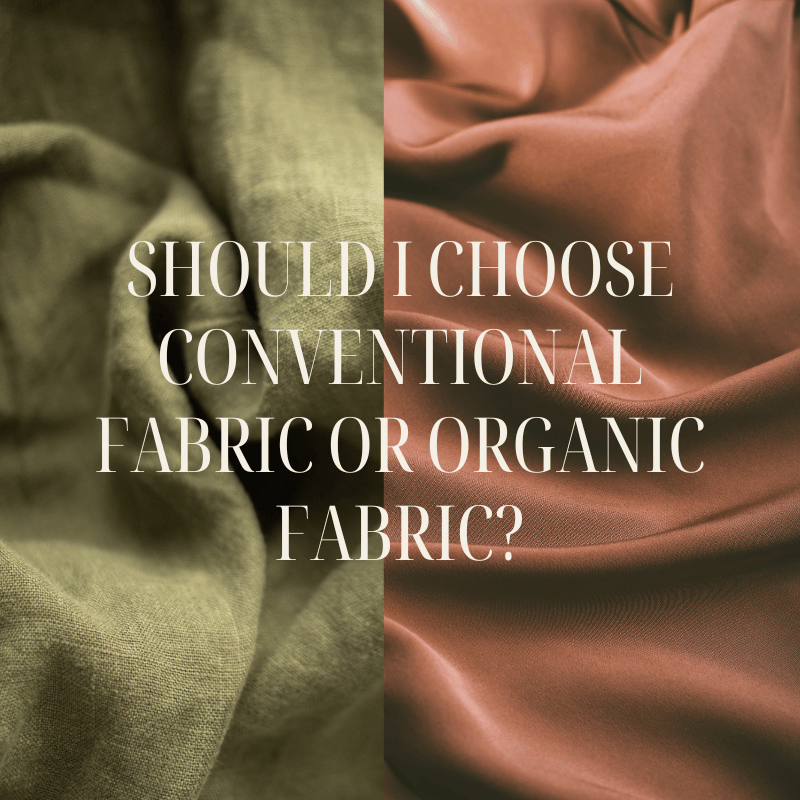
This article will look closely at conventional fabric and organic fabric. We will see the good and bad things about each type. This will help you decide what’s best for you.
See more: Vietnam Garment Manufacturers Confidence in No Delay in Goods
See more: The Bamboo Fabric Streetwear Manufacturer Exports Globally
See more: Clothing Manufacturer Ho Chi Minh City Quality International
See more: Why Black Clothes Never Go Out of Style – iGreen Tex
See more: Luxury, Lifestyle, and Innovation of Top Clothing Companies
See more: The Ultimate Guide to Buy Fashion Clothes for Men
Conventional Fabric: Easy to Find and Common
Conventional fabric is fabric made from natural or man-made materials. It is made using normal farming and factory ways that are used a lot. Some examples are:
- Normal natural fabrics: Normal cotton, normal linen, normal bamboo fabric…
- Man-made fabrics: Polyester, nylon, rayon (viscose)…
Good things about conventional fabric:
- Cheaper price: Because it’s made in big factories, in large amounts, and using normal farming, conventional fabric is usually cheaper than organic fabric. This is good if you don’t have much money to spend or if companies are making a lot of clothes.
- Lots of choices: There are so many types of conventional fabric! You can find lots of colors, patterns, styles, and materials. You can easily find the fabric you need for any design or use.
- Easy to get: You can find conventional fabric everywhere. From local markets to big fabric shops, shopping centers, and online stores.
Bad things about conventional fabric:
- Bad for the environment:
- Using farm chemicals: Growing plants like normal cotton often uses a lot of strong chemicals to kill bugs and weeds and to help plants grow fast. This can make the soil and water dirty, hurt nature, and make farmers sick.
- Using lots of water: Some plants, especially cotton, need a lot of water to grow. This can be a problem for water supplies, especially in dry places.
- Pollution in making process: Making conventional fabric, like dyeing and printing, often uses many harmful chemicals. This can pollute the air and water.
- Using fossil fuels: Man-made fabrics like polyester come from oil, which is a fossil fuel. Making these fabrics adds to pollution that causes climate change and uses up resources that we can’t replace.
- Bad for health:
- Chemicals left on fabric: Conventional fabric can have small amounts of chemicals left from bug killers, dyes, and treatments. These chemicals can make your skin itchy, cause allergies, or other health problems, especially for children and people with sensitive skin.
- Unsafe work conditions: People who make conventional fabric sometimes work in bad conditions. They can touch harmful chemicals without protection.
- Not always good quality: Because companies want to make a lot of fabric cheaply, the quality of conventional fabric can be not so good. It might not last long or wear out quickly compared to organic fabric.
Organic Fabric: Green and Healthy Choice
Organic fabric is made from natural materials. It follows strict rules for organic farming and uses eco-friendly ways to make it. Common organic fabrics are:
- Organic cotton: Grown without strong bug killers, weed killers, and plant food.
- Organic linen (Flax): Linen plants don’t need many chemicals to grow anyway, but organic linen is even better for the environment.
- Organic hemp: Hemp plants grow fast, don’t need much water or chemicals. Organic hemp is very eco-friendly.
- Organic wool: Comes from animals that are raised in organic ways, without strong bug killers and harmful chemicals.
Good things about organic fabric:
- Good for the environment:
- No harmful chemicals: Organic farming completely avoids strong bug killers, weed killers, and plant food. This protects soil, water, and nature.
- Better soil health: Organic farming helps the soil to be healthy. Healthy soil holds water better, stops soil from washing away, and takes in carbon from the air.
- Saves water: Organic farming often uses water more wisely by changing crops and managing soil well.
- More kinds of plants and animals: Organic farms are better places for wild animals and helpful bugs to live. This helps to keep nature diverse.
- Less pollution: Making organic fabric uses fewer harmful chemicals, which means less pollution in the air and water.
- Good for health:
- No chemicals left: Organic fabric has very little or no chemicals left on it. This is safer for your skin, especially for sensitive skin and babies.
- Less chance of allergies: Organic fabric is less likely to cause skin problems and allergies compared to conventional fabric.
- Safer workplaces: Making organic fabric often has better work rules. This makes sure workers are safe and healthy.
- Potentially better quality: Some people think organic fabric is better quality because it’s made with care, focusing on quality more than just making a lot. However, fabric quality also depends on how it is woven and finished.
- Ethical and good for society: Choosing organic fabric shows you support farming that is good for the environment and fair work for people.
Bad things about organic fabric:
- Higher price: Because organic farming costs more (less crop, strict rules, more work by hand), organic fabric is usually more expensive than conventional fabric.
- Less common: Although becoming more popular, organic fabric is still not as easy to find as conventional fabric, especially in small shops and local markets. You might need to look in special organic shops or online.
- Fewer styles and choices: Compared to the huge number of conventional fabrics, organic fabric might have fewer choices in colors, patterns, and styles. But, the organic fabric market is growing and becoming more varied.
- Needs certification: To be sure you are buying real organic fabric, look for trusted certificates like GOTS (Global Organic Textile Standard) or OCS (Organic Content Standard). These certificates make sure the fabric is made to organic standards from the farm to the finished product.
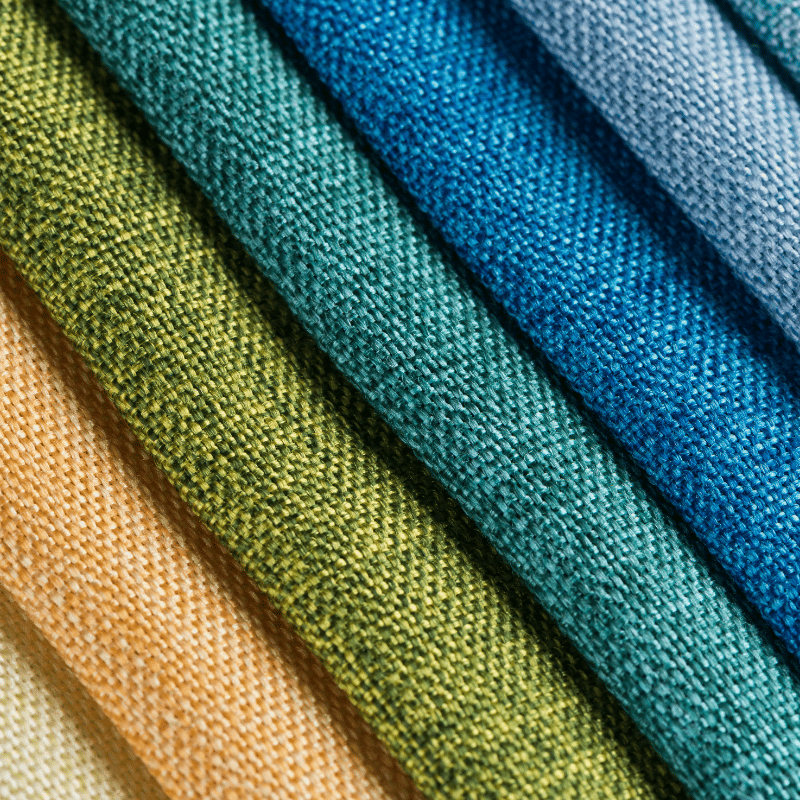
Simple Comparison: Conventional Fabric vs. Organic Fabric
| Feature | Conventional Fabric | Organic Fabric |
| Farming | Chemical farming (bug killers, weed killers, plant food) | No chemical farming |
| Environment Impact | High (pollution, water use, chemicals) | Low (less pollution, saves water, healthy soil) |
| Health Impact | Possible chemicals left, allergies | Less chemicals left, safer for skin |
| Price | Lower | Higher |
| Availability | Easy to find | Less easy to find, but growing |
| Variety of Styles | Very varied | Growing, but still less than conventional |
| Making Process | Can use strong chemicals | Less strong chemicals, more eco-friendly |
| Certification | No special certificate for “conventional” | Often has certificate (GOTS, OCS, …) |
So, Which Fabric Should You Choose?
There is no one right answer for everyone. Choosing between conventional fabric and organic fabric depends on what is important to you.
Think about these things:
- Your budget: If money is the most important thing, conventional fabric might be cheaper.
- Your values: If you care a lot about the environment, health, and fair working conditions, organic fabric is a better choice.
- Your skin sensitivity: If you have sensitive skin or allergies, organic fabric will be safer and more comfortable.
- What you will use it for: For everyday items that need to be cheap and easy to get, conventional fabric might be okay. But for baby clothes, underwear, or things that touch your skin a lot, organic fabric is better.
- Type of fabric: How good or bad conventional vs. organic is for the environment changes with the type of fabric. For example, organic cotton is a much bigger improvement over conventional cotton than organic linen over conventional linen.
- Certificates: If you choose organic, look for certificates to be sure you are getting real organic fabric.
Advice:
- Mix them: You don’t have to choose only one. You can use both conventional and organic fabric depending on what you need and how much money you have.
- Choose organic for important things: Use organic fabric for baby clothes, underwear, sleepwear, and things that touch your skin a lot.
- Learn about fabrics: Before you buy, learn about where the fabric comes from, how it’s made, and if it has certificates to make the best choice.
In conclusion:
As we reach the end of this exploration into the world of conventional and organic fabrics, it becomes abundantly clear that the choice isn’t a simple black and white decision. There’s no single “winner” in this comparison, no universally “best” fabric for all purposes and all people. Instead, the most responsible and effective approach lies in informed and conscious consumption. It’s about understanding the nuances, weighing the pros and cons in the context of your own values and needs, and ultimately, weaving a future where our fabric choices contribute to a healthier planet and a more equitable society.
Acknowledging the Enduring Role of Conventional Fabric:
It’s crucial to begin by acknowledging the undeniable and enduring role that conventional fabric plays in our world. For decades, it has been the backbone of the fashion and textile industry, providing affordable and readily available materials that clothe billions and furnish homes across the globe. Conventional fabric, with its vast range of styles, its accessibility in every price point, and its established supply chains, remains a practical and often necessary choice.
For many, especially those operating on tight budgets, the affordability of conventional fabric is a significant, and sometimes insurmountable, advantage. In a world where financial pressures are real, the lower cost of conventional options makes clothing, home goods, and various textile products accessible to a wider population. Furthermore, the sheer variety and ease of access to conventional fabrics cannot be ignored. Whether you need a specific color for a school project, a durable material for workwear, or a trendy fabric for a fast-fashion garment, conventional options are likely to be readily available in your local stores or online.
However, this practicality and convenience should not blind us to the true cost of conventional fabric. As we’ve discussed, the environmental impact of conventional textile production is significant and far-reaching. From the heavy pesticide use in conventional cotton farming, polluting ecosystems and harming farmers, to the water-intensive nature of certain crops straining precious resources, and the chemical-laden processing that contaminates air and water – the ecological footprint is substantial. Moreover, the reliance on fossil fuels in the production of synthetic conventional fabrics like polyester contributes to climate change and resource depletion.
Beyond environmental concerns, there are also ethical and social considerations. Workers in conventional textile factories, particularly in developing countries, may face unsafe working conditions and exposure to harmful chemicals. The pressure to produce fast and cheap fashion can also drive exploitative labor practices.
Therefore, while acknowledging the continued relevance of conventional fabric, we must also recognize that its dominance comes at a price – a price often paid by the environment, by vulnerable communities, and potentially by our own health through chemical exposure.
The Transformative Potential of Organic Fabric:
In contrast, organic fabric emerges as a powerful force for positive change. It represents a paradigm shift in how we produce and consume textiles, prioritizing ecological integrity, human health, and ethical production practices. Choosing organic fabric is not merely a trend; it’s a conscious investment in a more sustainable and responsible future.
The environmental benefits of organic fabric are compelling. By eliminating synthetic pesticides, herbicides, and fertilizers, organic farming protects biodiversity, safeguards water sources, and fosters healthier soil that can sequester carbon and enhance ecosystem resilience. Organic production methods often utilize water more efficiently and reduce pollution from processing, leading to a significantly lighter ecological footprint compared to conventional counterparts.
Furthermore, organic fabric offers tangible health advantages. The reduced chemical residues make it gentler on the skin, minimizing the risk of irritation, allergies, and potential long-term health concerns, especially for sensitive individuals, children, and those with pre-existing conditions. Choosing organic is a proactive step towards reducing our exposure to potentially harmful substances in our daily lives.
Beyond environmental and health aspects, organic fabric often embodies a stronger commitment to ethical and social responsibility. Organic certifications frequently incorporate fair labor standards, promoting safer working conditions and fairer wages for textile workers. By choosing organic, consumers can support businesses that prioritize people and planet alongside profit.
However, the path to widespread adoption of organic fabric is not without its challenges, as we’ve explored. The higher price point remains a significant barrier for many, reflecting the increased costs of organic farming, certification, and often smaller-scale production. Availability can be more limited, requiring consumers to be more proactive in their search and potentially rely on specialized retailers or online sources. While the variety of organic fabrics is expanding, it may still lag behind the vast spectrum of conventional options in certain niche styles or highly specific performance characteristics. And the need for certification, while crucial for ensuring authenticity, adds another layer of complexity to the purchasing process.
Navigating the Choice: A Path of Conscious Consumption:
So, how do we navigate this complex landscape and make informed choices? The answer lies in conscious consumption, a mindful approach that considers the full lifecycle of our textile choices and aligns our purchasing decisions with our values.
Here are key principles to guide your fabric choices:
- Prioritize Organic Where It Matters Most: Recognize that transitioning to a fully organic wardrobe or home textile collection might not be immediately feasible or affordable for everyone. Instead, prioritize organic fabric for items that are in close and prolonged contact with your skin, such as underwear, sleepwear, baby clothes, and bedding. These are the items where minimizing chemical exposure is most critical.
- Embrace a “Buy Less, Buy Better” Philosophy: Instead of constantly chasing fast fashion trends and accumulating vast quantities of cheap clothing, consider investing in fewer, higher-quality garments made from durable and sustainable materials like organic fabric. While the initial cost might be higher, these items will likely last longer, reducing the need for frequent replacements and ultimately saving you money and resources in the long run.
- Seek Certified Organic Options: When choosing organic fabric, always look for reputable certifications like GOTS or OCS. These certifications provide assurance that the fabric meets stringent organic standards and is genuinely produced in an environmentally and socially responsible manner. Don’t rely solely on vague “organic” claims without certification.
- Explore Blends and Innovative Materials: The textile industry is constantly evolving, with innovations in sustainable materials and blends. Consider fabrics that combine organic fibers with recycled materials, or explore newer options like Tencel (lyocell) or recycled polyester, which offer more sustainable alternatives to conventional synthetics, while still potentially being more affordable than 100% organic options in some cases.
- Support Ethical and Transparent Brands: Seek out brands that are transparent about their sourcing and production practices. Look for companies that prioritize ethical labor, fair wages, and environmental responsibility. Supporting these brands sends a powerful message to the industry and encourages more sustainable practices.
- Extend the Life of Your Textiles: Regardless of whether you choose conventional or organic fabric, maximize the lifespan of your textiles through proper care, repair, and upcycling. Wash clothes less frequently, mend tears and holes, and repurpose old textiles into new items instead of discarding them. This reduces overall consumption and waste, lessening the environmental impact of your textile choices.
- Educate Yourself and Spread Awareness: Continue to learn about the environmental and social impacts of the textile industry. Share your knowledge with friends, family, and colleagues. The more informed consumers become, the greater the demand for sustainable and ethical options will be, driving positive change throughout the industry.
Weaving a Better Future, Thread by Thread:
Ultimately, the choice between conventional and organic fabric is a personal one, shaped by individual circumstances, values, and priorities. There is no judgment in choosing conventional fabric when budget constraints or specific needs dictate. However, by becoming more informed and conscious consumers, we can collectively shift the demand towards more sustainable and ethical options.
Every purchase, every fabric choice, is a small thread in the larger tapestry of our world. By consciously choosing organic fabric when possible, by supporting ethical brands, and by embracing a more mindful approach to textile consumption, we can contribute to weaving a future where fashion and textiles are not a burden on the planet or its people, but rather a force for positive change, beauty, and sustainability. It’s a journey, not a destination, and every step we take towards more conscious fabric choices is a step in the right direction.
About IGREEN TEX
IGREEN TEX is a provider of fashion and textile products, offering a wide range of both domestically and internationally. Our commitment to quality ensures that our products not only meet the highest standards but also promote eco-friendly practices, in Vietnam sportswear manufacturing.
To view product information click here
Visit our website to learn more about our products and services: IGREEN TEX
IGREEN TEX VIETNAM CO LTD
Address: No. 83, A4 Street, Ward 12, Tan Binh Dist, HCMC
E-mail: info@igreentex.com
WhatsApp/Viber/Zalo: +84938.045.900