Why a Garment Factory Audit Matters Before You Place an Order
A Factory Can Look Good on Paper and Still Be the Wrong Supplier
You often find a supplier that looks perfect online. The factory has a professional website and a great profile. They provide relevant certifications and offer competitive pricing. The initial samples they send look flawless. They claim a massive monthly production capacity.
However, these details leave a critical question completely unanswered. Can this facility actually produce your order consistently? A shiny online profile does not guarantee stable bulk production.
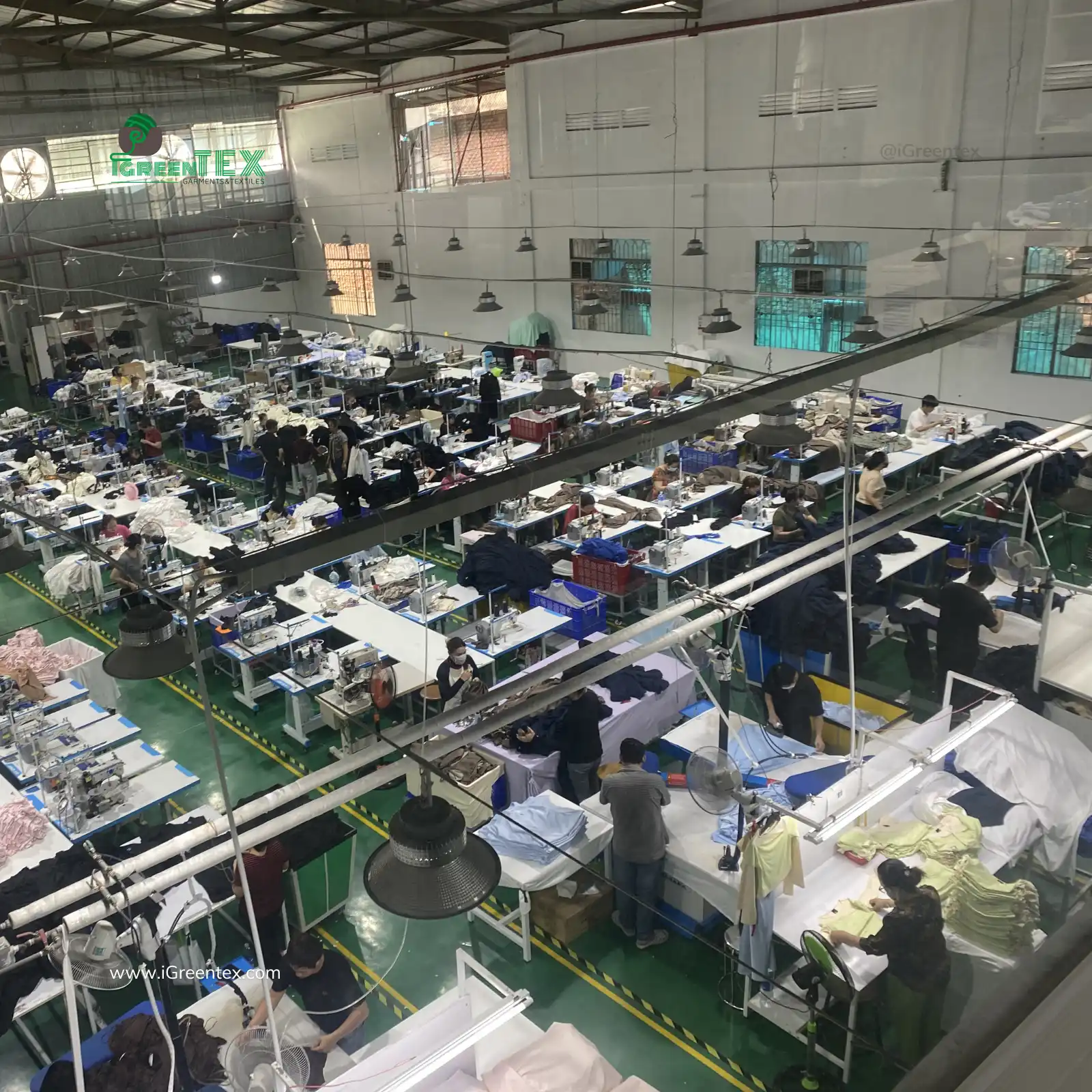
Procurement teams face many hidden manufacturing risks. The supplier might not manufacture the garments directly themselves. They might advertise a production capacity higher than their reality. Some production processes might be secretly subcontracted to unverified facilities. Quality control systems might exist only on paper. The machinery on the floor might not suit your specific product. Production lines could be heavily overloaded with other pending orders. The factory might only show you a carefully staged VIP area.
If you source through platforms or events, verification is mandatory. You can compare sourcing methods in our guide on Alibaba vs trade fairs.
Before placing a large production order, you need solid evidence. You cannot rely on sales promises alone. A comprehensive garment factory audit is the only reliable verification method.
What Is a Garment Factory Audit?
For apparel brand owners, understanding supplier evaluation is vital. A garment factory audit is a systematic evaluation process. It verifies a supplier’s true capabilities before mass production begins.
The Core Definition
A formal clothing factory audit assesses multiple operational areas. It evaluates production capability and quality management systems deeply. It checks the condition of equipment and the active workforce size. It verifies production processes, compliance, and basic safety standards. It reviews internal documentation, actual capacity, and supply chain practices.
Factory Visit vs. Factory Audit
Many sourcing managers confuse a casual visit with a formal audit. These two activities serve very different purposes.
| Feature | Factory Visit | Garment Factory Audit |
| Primary Goal | General overview of the facility | Systematic evaluation of capability |
| Observation | Looking at the production floor | Checking against specific technical criteria |
| Nature | Promotional and guided | Objective and verification-focused |
| Documentation | Rarely checks internal records | Deeply inspects daily operational records |
| Scoring | No formal scoring system | Includes scoring and formal finding reports |
An Audit Does Not Eliminate All Risks
You must understand the realistic limits of this process. An apparel factory audit reduces supply chain uncertainty significantly. However, it does not eliminate all production risks entirely. It provides a detailed snapshot of current factory operations. A strong audit proves the factory has the right systems.
Why Does a Garment Factory Audit Matter?
Choosing a reliable clothing manufacturer in Vietnam requires deep verification. You must look far beyond the initial quotation and sample.
Verify Actual Production Capability
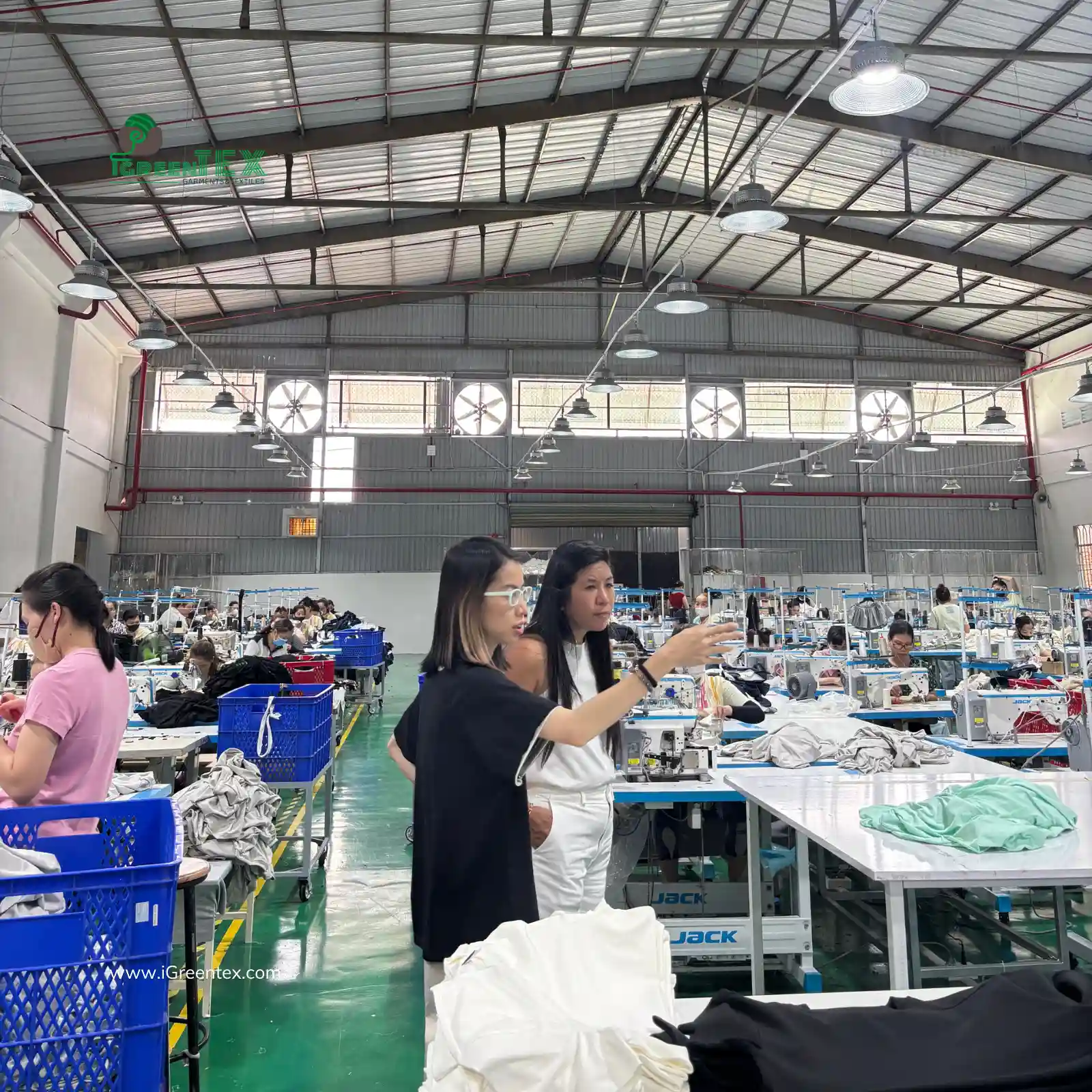
Procurement teams must know if the facility has the right tools. Does the factory have appropriate machinery for your exact product? Are the current production lines suitable for your specific garment? Is the active workforce large enough to handle your order? Is the stated manufacturing capacity realistic and achievable?
Imagine a supplier claiming they can produce 100,000 pieces monthly. You should never blindly accept that sales number. You must ask highly specific operational questions. How many production lines are running right now? What is their exact average monthly output? How much of their current capacity is already booked by others?
Verify Quality Control Beyond the Sample
A perfect sample does not mean bulk production will be perfect. A garment factory audit helps you inspect the real quality systems.
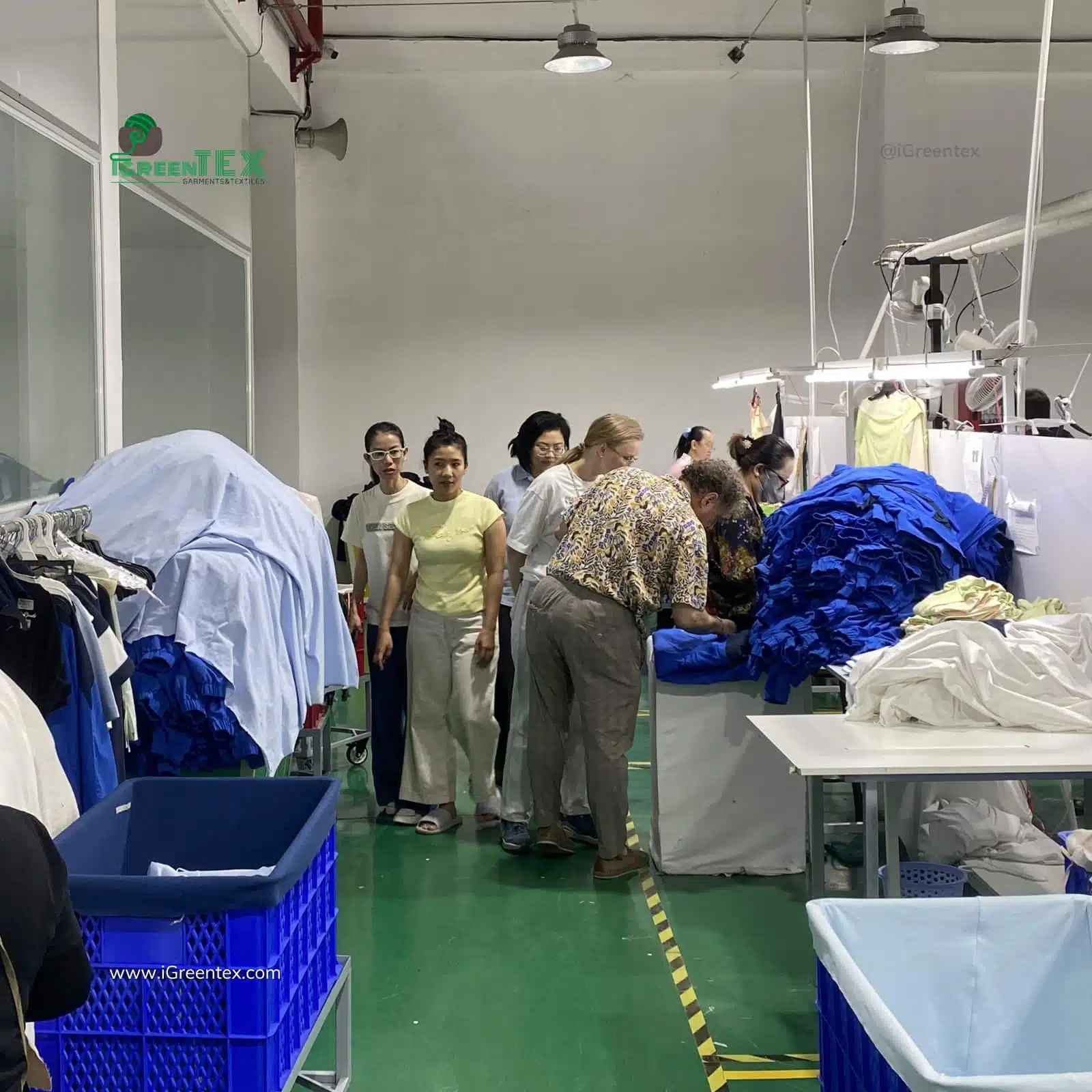
You need to check incoming material inspection processes thoroughly. You must observe in-line quality control on the active sewing floor. You must evaluate the final inspection procedures before packing. How does the factory handle defective or rejected garments? How do they control measurement accuracy across different sizes? Do they keep reliable, organized daily production records?
A good sample shows what a factory can make once. A good quality system shows how consistently they can make it.
Are you worried about supplier legitimacy in Southeast Asia?
Read more: How to Verify Garment Factory Vietnam: Avoid Scams Fast
Detect Production Risks Early
An apparel factory audit uncovers problems before they impact your brand. You might discover poor raw material storage conditions. You could find weak production control or inadequate quality checks. You might see overloaded production lines or poor machine maintenance. You could uncover unsafe working conditions or a lack of traceability.
Identifying these issues before production begins is always cheaper. Fixing massive quality problems after the garments are made is a disaster.
Verify Compliance and Working Conditions
Clothing brands must protect their reputation and legal standing. You can check worker safety and basic fire safety protocols. You can ensure proper Personal Protective Equipment is actively used. You can evaluate the overall working environment and fair labor practices. You can verify essential legal documentation and basic environmental controls.
Understand True Operations
Many websites boldly state they are a direct manufacturer. A rigorous garment factory audit helps you verify this specific claim. Is the production actually performed at this exact location? Or do they quietly outsource your order to a different facility?
What Can Go Wrong If You Never Audit a Factory?
Skipping a factory audit checklist does not guarantee a disaster. It simply means you are accepting a massive amount of uncertainty. Unverified suppliers pose several severe risks to your apparel business.
Hidden Subcontracting
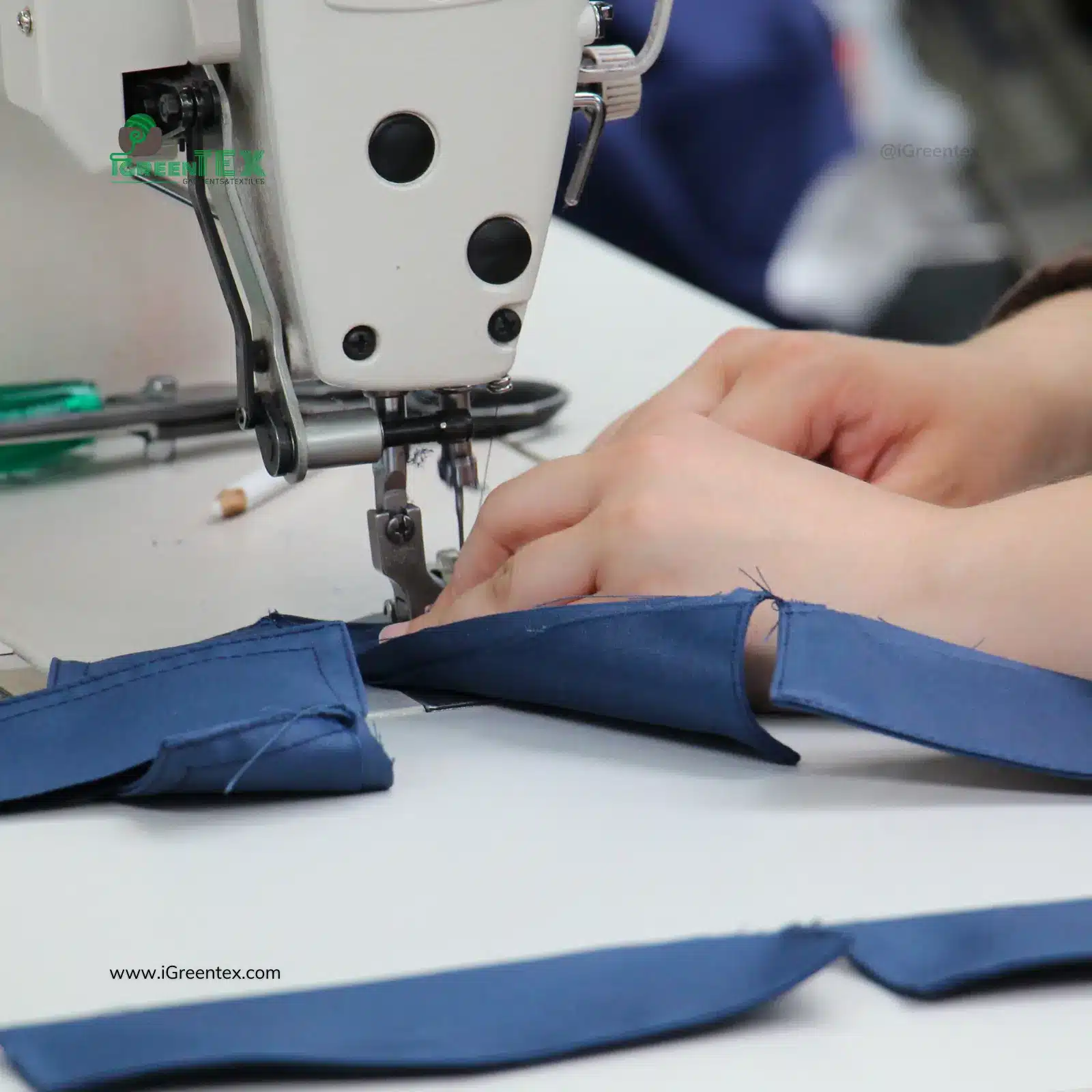
The supplier might outsource a large part of your production. They might send your garments to a cheaper, completely unverified facility. This destroys your quality control and compliance efforts instantly. This is a critical factor when exploring OEM clothing manufacturing.
Exaggerated Production Capacity
The stated production capacity rarely reflects actually available capacity. A factory might have physical space, but no available workers. They might accept your order and delay it for several months.
Misleading Equipment Claims
The factory may own advanced equipment merely for show. However, they might use older, inferior machines for your actual order. A thorough check reveals exactly what machinery is actively running.
Inconsistent Quality Control
Quality control procedures may exist in their employee manual. But they might not be consistently implemented on the factory floor. Workers might skip crucial inspection steps to speed up daily production.
Overloaded Order Management
Production records often reveal severe factory capacity constraints. The facility may be managing far too many orders simultaneously. This inevitably leads to rushed production and poor garment quality.
The Supply Chain Illusion
The beautiful facility you visit may just be a showroom. It might not represent the entire actual manufacturing supply chain. You must verify exactly where every single process happens.
What Might a Factory Not Show You?
A supplier will naturally highlight their strengths during a visit. They will not voluntarily show you their severe operational weaknesses. You must proactively search for hidden issues during your evaluation. If you want full design services, you might explore ODM clothing manufacturing. However, you still absolutely need to audit the actual production floor.
Subcontracted Processes
A factory might sew the garments in-house but outsource the printing. Procurement teams must ask direct questions about all production stages. Which processes are actually performed inside this main building? Are any production steps subcontracted to other smaller vendors?
Actual Available Capacity
Do not just ask about their total theoretical monthly capacity. That number is entirely useless if they are already fully booked. Ask directly about their current line utilization rate. Ask exactly how much capacity is currently available for new orders.
Production Bottlenecks
An entire production line is rarely slow at every step. Usually, one specific process slows down everything else significantly. Watch the flow of cutting, sewing, printing, and embroidery carefully. Observe the washing, finishing, and packing stages. One weak link will destroy your expected delivery lead time.
Quality Problems and Rework
Do not just look at the finished, fully approved garments. You must inspect the active rework area closely. Look at the defective garments and active repair stations. Check the rejected raw materials bin. This shows you exactly how the facility handles daily mistakes. A reliable factory identifies and fixes errors systematically.
Raw Material Storage
Proper storage prevents costly damage to your expensive fabrics. Check the raw fabric storage area very carefully. Look for clear labeling and proper lot identification. Ensure materials are thoroughly protected from moisture and dirt. Verify their FIFO stock control system. Ask exactly how they ensure full material traceability.
What Should You Check During a Garment Factory Audit?
Transitioning from awareness to action requires a highly structured approach. A complete garment factory audit evaluates eight critical operational areas. The Vietnam garment industry offers excellent facilities, but verification remains essential.
Factory & Production Capability
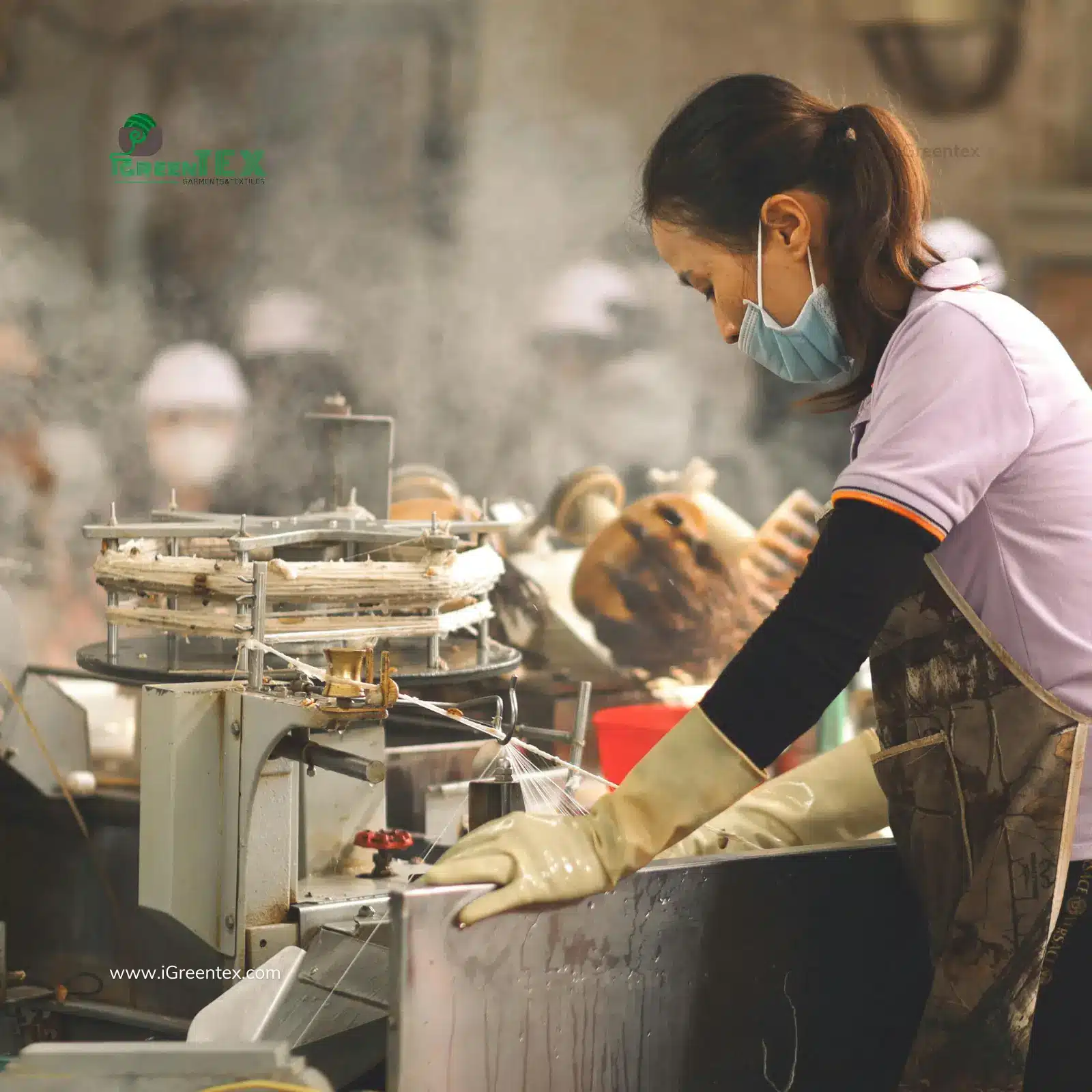
You must assess the overall scale and organizational structure. Check the exact factory size and the number of production lines. Evaluate the machinery and the total number of active workers. Verify their true production capacity and current line utilization rate.
Production Equipment
Inspect the physical tools used to make your specific clothing. Check the sewing machines and heavy cutting equipment. Review any printing or complex embroidery machinery they operate. Look closely at the finishing equipment and pressing stations. Always ask to see their documented machine maintenance records.
Quality Management Systems
Quality must be built into the process, not just checked later. Review their incoming material inspection protocols strictly. Observe active in-line inspections directly on the sewing floor. Check the final inspection area before goods are packed.
Verify their specific AQL procedures. AQL means Acceptable Quality Limit. It is a vital standard statistical method for product inspection. Check their defect classification and precise measurement control systems. Always review their past daily quality control records.
Need help documenting your exact product requirements for the factory?
Read more: What Is a Tech Pack? Clothing Tech Pack Guide
Raw Material Management
Poor material handling will easily ruin perfectly good garments. Observe the material receiving process carefully. Review their fabric inspection methods and specific storage conditions. Check for proper lot control and color shade management. Verify that they can trace all materials back to the source.
The Production Process
Follow the garment directly from fabric roll to finished box. Observe the cutting and sewing departments in real-time. Watch any printing or specialized embroidery processes closely. Review the finishing, pressing, and final packing areas. Check if the overall physical production flow is logical. Observe how they control active work-in-progress inventory.
Compliance & Worker Safety
Ethical manufacturing is absolutely non-negotiable for modern apparel brands. Check for clear fire exits and working fire extinguishers. Review their emergency procedures and proper PPE usage. Observe the general working conditions and basic worker facilities. Verify any relevant social and safety compliance certifications.
Subcontracting & Supply Chain Control
You must know exactly who physically touches your product. Ask exactly which specific processes are outsourced. Ask exactly which secondary suppliers are actively used. Check if subcontractors are transparently disclosed to buyers upfront. Ask exactly how the main factory controls subcontracted quality.
Documentation & Records
Paperwork proves that operational systems actually operate daily. Check their daily production records and detailed quality control logs. Review capacity planning documents and machine maintenance logs. Verify their current certification documents and past audit reports.
Garment Factory Audit Checklist: What Does “Good” Look Like?
A standard garment factory audit checklist provides a necessary operational baseline. You must look for specific visual indicators of acceptable conditions. Do not just check a box; rigorously verify the physical evidence.
| Audit Area | What to Check | What Indicates an Acceptable Condition |
| Factory capability | Production lines, workforce, machinery | Resources match the expected order volume perfectly. |
| Production capacity | Actual output and current utilization | Capacity claims are supported by real daily production data. |
| Machinery | Type, quantity, condition | Equipment is suitable, fully functional, and regularly maintained. |
| Quality control | Incoming, in-line, final inspection | QC is performed strictly at defined, critical production stages. |
| Fabric inspection | Inspection process and records | Materials are thoroughly checked before any cutting begins. |
| Material storage | Organization, labeling, protection | Materials are clearly identified, organized, and properly protected. |
| Production flow | Cutting → sewing → finishing → packing | Process is highly organized with a very logical workflow. |
| Defect handling | Rework, rejected garments, action plans | Defects are quickly identified, recorded, and strictly separated. |
| Measurement | Measurement standards and records | Garments are constantly checked against approved technical specifications. |
| Subcontracting | Outsourced processes | Subcontractors are fully disclosed and tightly controlled. |
| Worker safety | Fire exits, emergency equipment, PPE | Safety systems are highly visible, accessible, and well-maintained. |
| Documentation | QC, production, maintenance records | Records are easily available and match actual daily operations. |
| Certifications | Relevant compliance certificates | Certificates are currently valid and applicable to the facility. |
| Order management | Current production load | Factory explains clearly how your new order fits their schedule. |
This factory audit checklist is a highly practical reference tool. Acceptable conditions depend heavily on your specific product and market. It also depends entirely on your brand’s unique quality requirements.
How Can Buyers Audit a Factory When They Are Overseas?
You do not always need to be physically present. Importers can perform highly meaningful supplier due diligence remotely. This is especially true when exploring why to manufacture clothing in Vietnam. You have several very effective verification options.
Option 1 — Visit the Factory Yourself
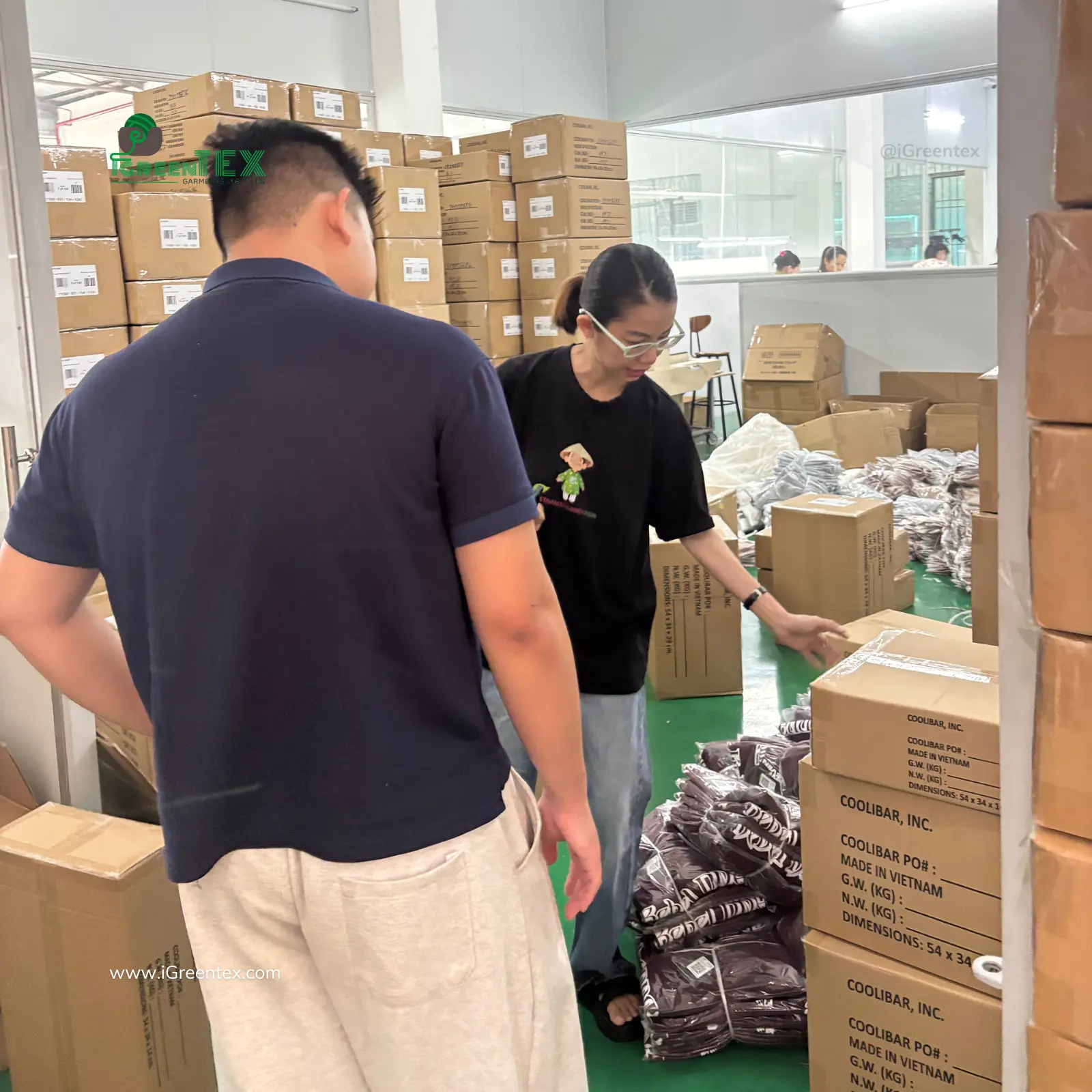
This is best for large orders and long-term strategic suppliers. It is absolutely crucial for highly complex or high-value products.
The advantages are massive. You get direct, unfiltered observation of the facility. You can ask hard technical questions immediately. You can see the real daily production flow. You can meet the management and quality control team face-to-face.
However, there are practical limitations. Travel costs money and takes considerable executive time. Language barriers can complicate the technical process. It requires extensive preparation to be truly effective.
Option 2 — Conduct a Live Virtual Factory Audit
Technology allows for rigorous remote verification today. A clothing factory audit can absolutely happen via video call. You can conduct a live, unedited factory walkthrough. You can engage in real-time Q&A with actual floor managers. You can request live video evidence and immediate digital document sharing.
You must enforce strict, uncompromising rules for virtual audits. A virtual tour should never be a pre-recorded promotional video. You must demand a live, unedited, continuous walkthrough. You should ask to see completely random production areas. You must ask real-time questions about what you see on screen. Ask them to pull current production records from a random desk.
Should You Trust a Third-Party Factory Audit?
Many brands hire external agencies to rigorously inspect suppliers. This is a very common practice, but it requires balanced expectations.

Why Use a Third-Party Auditor?
An independent agency provides a completely objective, unbiased perspective. They use a highly structured, internationally recognized auditing methodology. They bring extensive professional apparel factory audit experience. They provide standardized, highly detailed, and easy-to-read reporting. This is an extremely useful tool for overseas apparel importers.
Wondering about the most efficient production model for your brand?
Read more: OEM vs ODM Clothing Manufacturing: Which to Choose?
What Are the Limitations?
A third-party apparel factory audit still has natural blind spots. It only reflects the factory’s exact condition on that specific day. It cannot evaluate every single future production order you place. It absolutely does not guarantee flawless bulk quality forever.
The results depend entirely on the defined audit scope. Most importantly, it cannot replace your brand’s own technical product requirements. A third-party report is a vital risk-reduction tool. It is never a guarantee of perfect future manufacturing performance.
What Is the Current Trend in Factory Auditing?
The manufacturing industry is moving rapidly beyond the basic checklist approach. Sourcing managers now strictly require deeper, more dynamic evaluation methods.
Continuous Supplier Monitoring
Leading brands are moving away from one-time factory visits. A garment factory audit is no longer a single isolated event. Procurement teams now focus intensely on continuous supplier monitoring. They schedule periodic audits and regular, unannounced quality checks. They closely track ongoing social compliance and overall supplier delivery performance.
Greater Supply Chain Transparency
Modern clothing brands demand total supply chain visibility instantly. They want to know exactly who physically makes the product. It is no longer enough to just know who sells the product. Transparency down to the raw material level is becoming the strict standard.
Digital and Remote Audits
Digital verification is increasingly crucial for global sourcing operations. Teams rely heavily on secure, high-definition video audits. They review digital documents and utilize advanced remote inspection tools. Digital reporting software makes tracking supplier improvements much faster and easier.
Stronger Focus on ESG
A garment factory audit now deeply covers responsible manufacturing practices. It is not just about asking if they can make clothes. It is about asking exactly how those clothes are made. Audits now deeply cover worker welfare, fair pay, and safety. Environmental management and responsible raw material sourcing are major evaluation criteria.
When Should You Audit a Garment Factory?
Timing your verification process correctly saves significant time and money. You must aggressively assess suppliers at different stages of the relationship. Choosing a location is the very first critical step. You can compare regions in our detailed breakdown of Vietnam vs China garment manufacturing.
First, do a basic verification before any sample development starts. This ensures the supplier is real and generally capable.
Second, conduct a highly detailed audit before placing a large order. You must physically verify their systems before committing your production budget.
Third, perform a comprehensive assessment before signing long-term supplier contracts. Strategic partnerships require deep operational alignment and extreme trust.
Finally, conduct periodic monitoring during ongoing bulk production. You must ensure quality standards do not ever drop over time.
Need to fully understand how your clothes will actually be made?
Read more: Clothing Manufacturing Process: Standard Step-by-Step
What a Factory Audit Can—and Cannot—Tell You
You must maintain highly realistic expectations about this verification process. Understanding the strict limits of a factory audit checklist is essential. Evaluating your global manufacturing options carefully? See our thoughts on Vietnam vs India garment manufacturing.
What an Audit Can Tell You
An audit helps you clearly understand true operational realities. It confirms whether the factory has the exact required relevant equipment. It proves whether formal production systems actually exist and function. It verifies if quality control processes are truly implemented daily.
It tells you whether their capacity claims appear mathematically reasonable. It checks if compliance systems exist to protect the workers. Finally, it highlights obvious operational risks long before you order.
What an Audit Cannot Tell You
An audit cannot absolutely guarantee zero defects in bulk production. It cannot promise perfectly on-time delivery for every future order. It cannot ensure completely perfect quality for every single garment.
It cannot completely prevent secret, unauthorized future subcontracting. It cannot guarantee that no unforeseen production problems will ever happen.
The strict purpose of a factory audit checklist is rapid risk reduction. It is not designed to find a flawless, magical perfect factory. It is specifically designed to identify expensive risks before they happen.
A Simple Factory Audit Checklist for First-Time Buyers
If you are completely new to global sourcing, start with this framework. This foundational garment factory audit checklist covers all the essential steps.
Before the Garment Factory Audit
You must prepare thoroughly before legally engaging the supplier.
- Define your exact product and highly technical quality requirements.
- Define your expected order volume and strict target delivery dates.
- Prepare highly technical questions about daily production operations.
- Request relevant operational documents and certifications well in advance.
- Prepare your specific quality and legal compliance requirements.
During the Audit
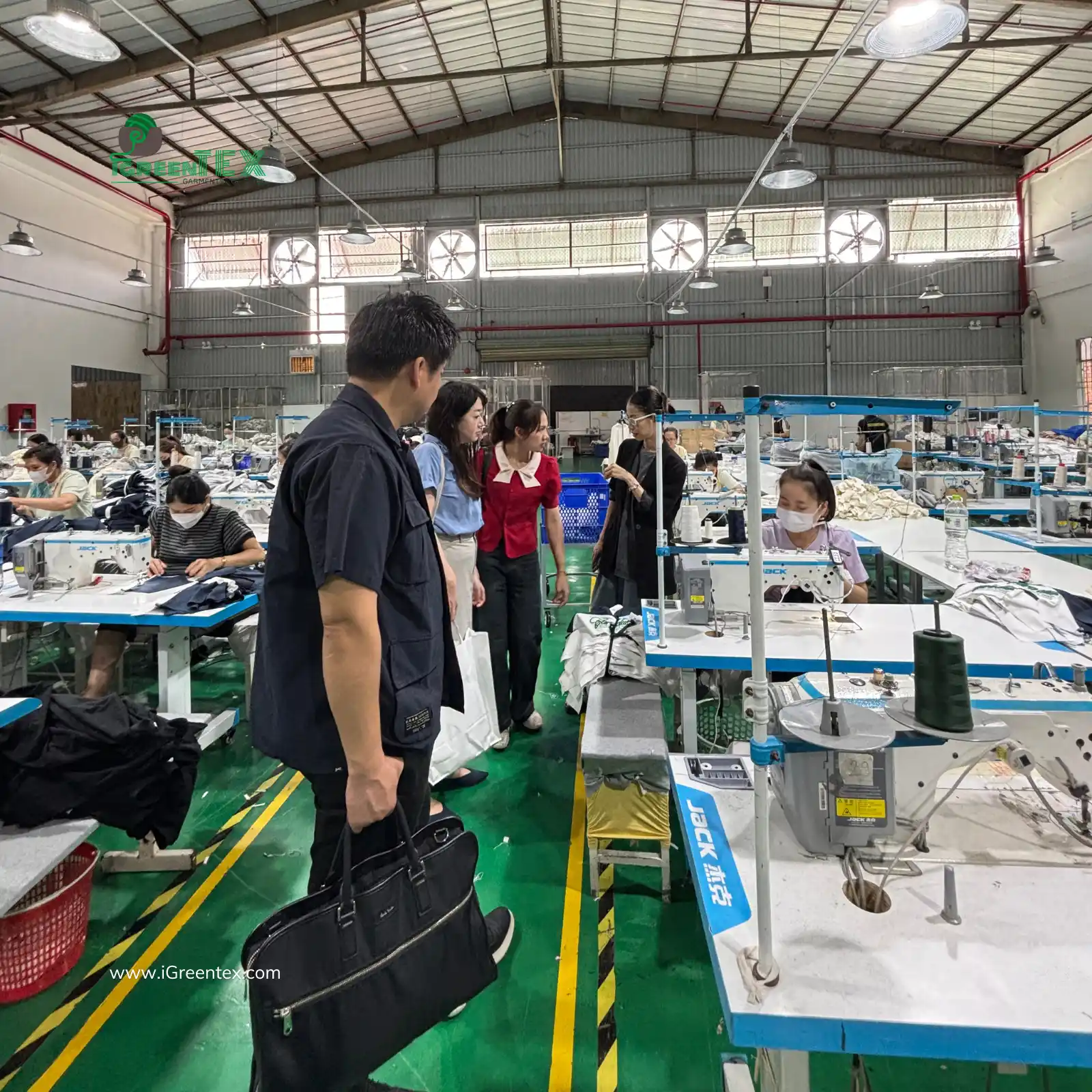
Focus purely on verifying hard physical evidence on the production floor.
- Verify actual production capability directly against their previous sales claims.
- Check the physical condition and maintenance of the heavy machinery.
- Review the actual production flow closely for any obvious bottlenecks.
- Check the QC process at multiple critical production stages.
- Inspect the raw material storage and physical inventory tracking systems.
- Ask highly direct questions about any external subcontracting practices.
- Review real, unedited daily production records on the factory floor.
- Check all safety conditions and basic worker facility cleanliness.
- Compare their provided digital documents with actual live floor operations.
After the Audit
Your strategic work continues long after the physical inspection is finished.
- Record all findings clearly, objectively, and completely without bias.
- Separate critical system failures from minor, easily fixable operational issues.
- Request a formal, written corrective action plan from the supplier management.
- Compare these audit results directly with other potential verified suppliers.
- Decide whether additional, much deeper technical verification is immediately needed.
Ready to build a list of top-tier potential manufacturing partners?
Read more: How to Find the Best Clothing Manufacturers
Don’t Choose a Factory Based on What It Says
Choosing a garment manufacturer is a highly complex strategic business decision. It is never simply about finding the absolute lowest possible price. It is not about finding the most attractive factory profile online.
The real question is operational consistency and total reliability. Does the supplier have the right people and the right processes? Do they have the right equipment and strict quality systems? Do they have the actual capacity to deliver your order consistently?

A garment factory audit gives you a much clearer operational picture. It provides hard evidence before you commit your massive production budget.
At iGreen Tex Vietnam, we completely understand the severe anxieties of international sourcing. We know that working with overseas suppliers requires immense trust. As a full-package OEM garment manufacturer, total transparency is our absolute foundation.
We aggressively build peace of mind into every single step of our process. Apparel brand owners can feel completely secure sending their confidential tech packs to us. We strictly enforce data confidentiality for all client designs. You can feel absolutely secure receiving products manufactured thousands of miles away. Our rigorous, multi-stage quality control system ensures your strict standards are met exactly.
We openly welcome strict factory audits and detailed live virtual walkthroughs. We operate with structured meeting guidelines to ensure highly productive technical consultations. We gladly share our deep technical expertise to ensure your total manufacturing success.
If you want a highly reliable partner who actively welcomes strict verification, reach out today. Contact iGreen tex to discuss your next apparel production run with complete confidence and peace of mind.